Understanding what nutrition your cat needs isn't just about keeping them well-fed; it's about ensuring they live a long, healthy, and happy life by your side. You might be wondering if your feline friend is getting the right nutrients or if their diet needs a little tweak.
This question lingers in the mind of every caring cat owner. After all, your cat can't tell you what they need, but their health and happiness depend on it. We'll unravel the mystery behind cat nutrition and provide you with the essential knowledge to make informed choices for your beloved pet.
Stay with us, because what you discover here could transform your cat's well-being and deepen the bond you share.
Balanced Diet Basics
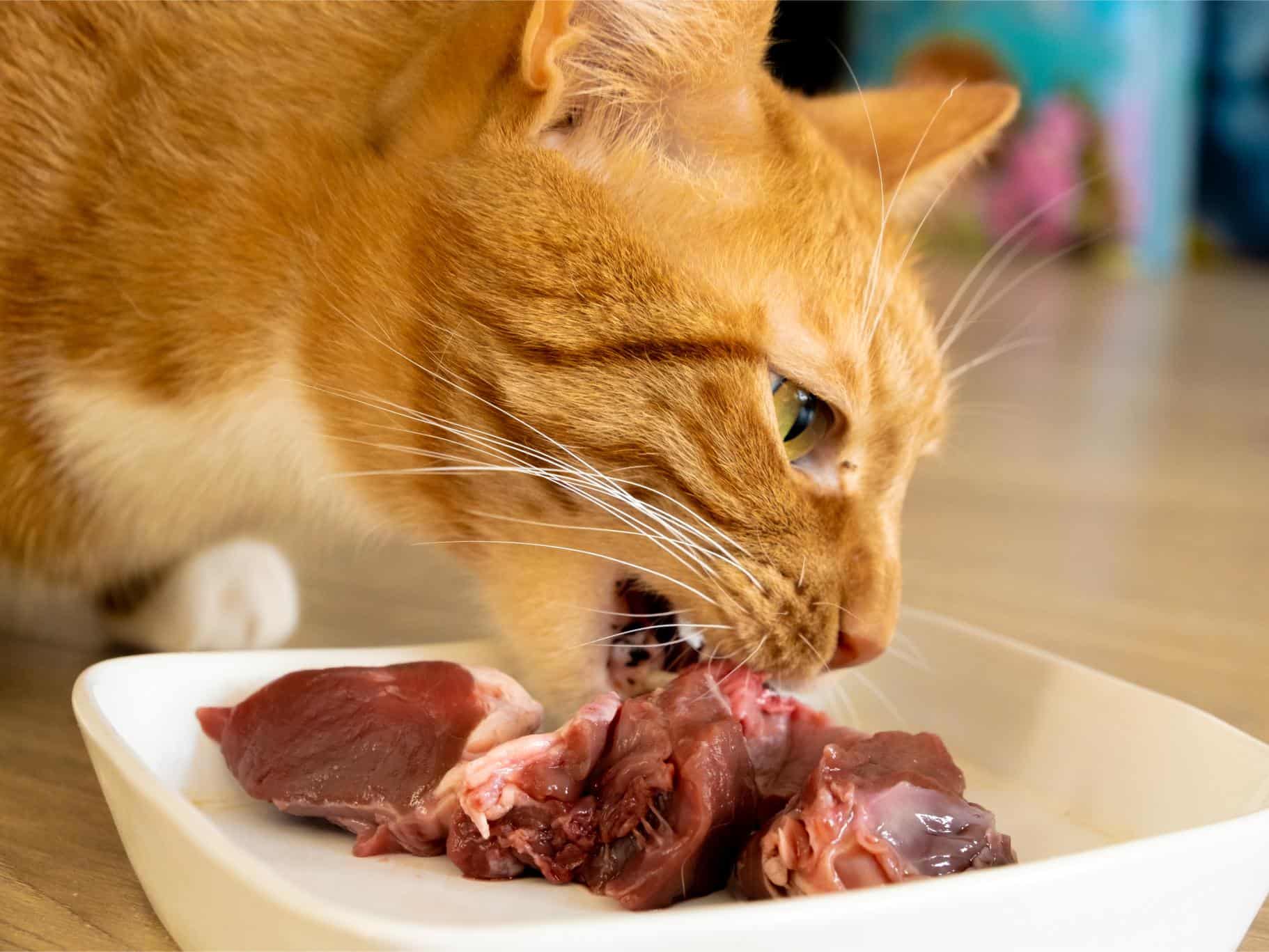
Cats need a diet rich in protein, as they are obligate carnivores. Essential nutrients include taurine, fatty acids, and vitamins. A balanced diet ensures their overall health and well-being.
Cats are fascinating creatures, and as cat owners, ensuring they have a balanced diet is crucial for their health and happiness. A balanced diet isn't just about filling up their bowl; it’s about providing the right nutrients in appropriate amounts. Understanding the core components of a cat's diet can significantly impact their well-being. Let’s dive into the basics of what makes a cat's diet balanced.
Protein Importance
Protein is the cornerstone of a cat's diet. Cats are obligate carnivores, meaning they need a diet rich in animal-based proteins. This is because proteins provide essential amino acids like taurine, which is vital for your cat’s heart and eye health. Ever noticed how your cat goes crazy over a piece of chicken? That's their natural instinct kicking in. Make sure you’re offering high-quality protein sources like chicken, turkey, or fish to keep your furry friend purring in contentment.
Carbohydrates Role
Carbohydrates often spark debate in feline nutrition circles. While cats can digest carbohydrates, they don’t need them in large amounts. Carbs can provide energy, but too many might lead to obesity. So, if you’re feeding your cat commercial food, check the label. A good balance keeps your cat energetic without packing on extra pounds. Think of carbs as a small side dish rather than the main course.
Fats For Energy
Fats are another critical component of your cat’s diet, providing them with concentrated energy. They also play a role in absorbing vitamins and maintaining a healthy coat. Ever noticed your cat's shiny fur? Thank the fats for that! However, too much can lead to weight gain. Striking the right balance is key. Providing sources like fish oil can support joint health and reduce inflammation. Are you ensuring your cat gets the right mix of these nutrients? Balancing their diet not only supports their physical health but also their mood and behavior. As a pet owner, you have the power to enhance your cat's life with thoughtful nutrition.
Vital Vitamins
Cats need essential vitamins like A, D, E, and K for optimal health. These nutrients support vision, bone strength, and immune function. A balanced diet ensures your feline friend stays healthy and active.
Cats, much like humans, thrive on a balanced diet rich in essential vitamins. These vital vitamins contribute to their overall health, growth, and energy levels. Understanding what specific vitamins your cat needs can make a significant difference in their well-being. Are you aware of the specific vitamins that keep your furry friend purring with contentment?
Vitamin A Benefits
Vitamin A plays a crucial role in your cat's vision and immune system. Cats cannot produce this vitamin on their own, so it must be included in their diet. Foods like liver and fish oils are excellent sources of Vitamin A, ensuring your cat maintains its night vision and stays healthy.
B Vitamins Necessity
B Vitamins are the powerhouse of your cat's metabolism. They help convert food into energy, keeping your cat active and playful. Including foods like chicken, eggs, and fish can provide your cat with the necessary B Vitamins to support its energy needs and improve its coat's shine.
Vitamin D Sources
Unlike dogs, cats cannot synthesize Vitamin D from sunlight. This vitamin is vital for maintaining strong bones and teeth. Offering your cat foods such as fish and fortified cat foods can ensure they receive enough Vitamin D. Is your cat getting enough of this crucial vitamin in its diet? Taking the time to understand and provide these vital vitamins can profoundly impact your cat's health. Does your cat's diet include these essential nutrients? If not, consider tweaking it to ensure they lead a long, happy life.
Essential Minerals
Cats need essential minerals like calcium, phosphorus, and magnesium for strong bones and teeth. These minerals support nerve function and muscle health. A balanced diet ensures your cat gets the necessary nutrients for a healthy life.
Cats need essential minerals for their health and wellbeing. These minerals support bone health, immune function, and energy levels. A balanced diet ensures your cat gets these vital nutrients. Let's explore some key minerals your feline friend needs.
Calcium And Phosphorus
Calcium supports strong bones and teeth in cats. It also aids in nerve function and muscle contractions. Phosphorus works with calcium to maintain bone health. A proper balance is crucial. Too much or too little can lead to health issues. Both minerals are found in meat, fish, and bone meal.
Iron And Zinc
Iron is essential for oxygen transport in the blood. It helps prevent anemia and keeps energy levels up. Zinc supports the immune system and skin health. It also aids in wound healing. Red meat and poultry are rich in both iron and zinc. Ensure your cat's diet includes these foods.
Magnesium And Potassium
Magnesium is vital for enzyme function and energy production. It supports a healthy heart and muscles. Potassium helps regulate fluid balance and nerve signals. It also supports muscle function. Fish, poultry, and leafy greens are good sources. These minerals keep your cat active and healthy.
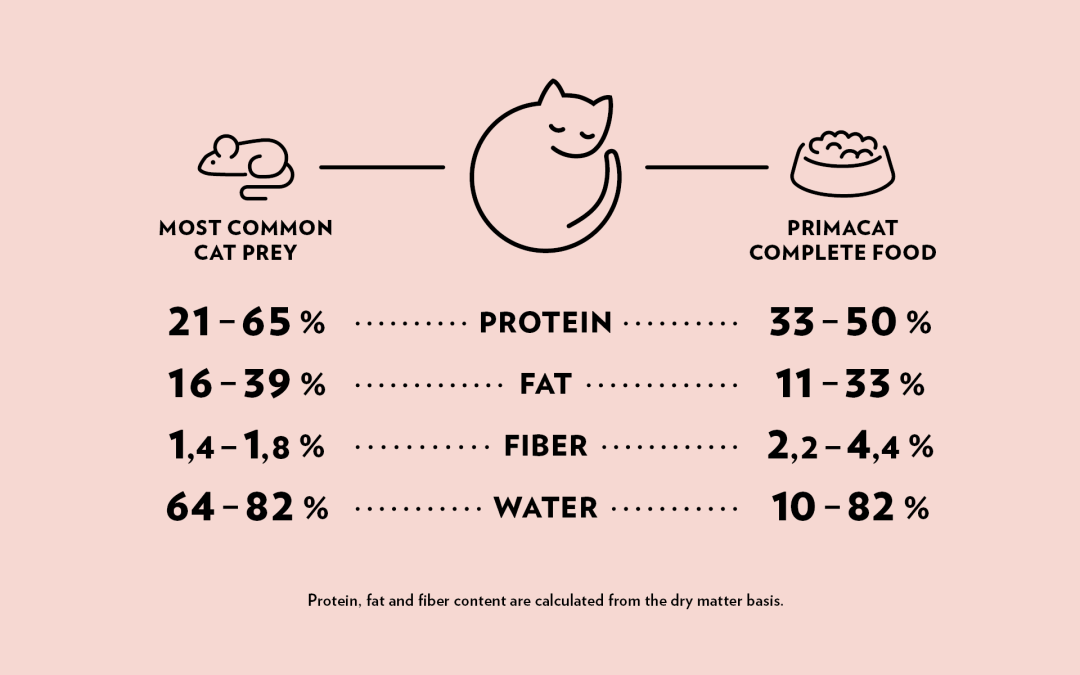
Credit: www.primacat.com
Hydration Needs
Cats need proper hydration for good health. Water supports digestion, nutrient absorption, and joint lubrication. Ensure fresh water is always available.
Cats have unique hydration needs. Their ancestors lived in deserts, so they don't always feel thirsty. Proper hydration is crucial for their health. It supports digestion, circulation, and temperature regulation. Understanding their water intake helps maintain their well-being.
Water Consumption
Cats often drink less water than they need. They rely on food moisture for hydration. Ensure fresh water is always available. Change it daily. Use shallow bowls to encourage drinking. Cats prefer running water. Consider a pet water fountain. It mimics natural sources and can increase water intake.
Wet Vs. Dry Food
Food type affects hydration. Wet food contains about 70-80% water. This helps keep cats hydrated. Dry food has around 10% moisture. Cats on dry food need to drink more water. Mixing wet and dry food can balance hydration. Discuss with a vet for personalized advice. Proper nutrition keeps cats healthy and hydrated.
Taurine Significance
Cats need taurine for good health. This essential amino acid supports their heart and vision. Without it, cats can develop serious health issues.
Understanding the Taurine Significance in your cat's diet is essential for their well-being. Taurine is an amino acid that is crucial for many of your cat’s bodily functions, yet they can't produce it in sufficient amounts on their own. This means you need to make sure their diet is rich in this nutrient to keep them healthy and happy.
Heart Health
Taurine plays a vital role in maintaining your cat's heart health. A deficiency in taurine can lead to a serious condition known as dilated cardiomyopathy, which affects the heart muscle's ability to contract. Ensuring your cat’s diet includes enough taurine can help prevent such heart issues and support their overall cardiac function.
Vision Support
Cats rely heavily on their vision, particularly in low-light conditions. Taurine is crucial for maintaining their retinal health. Without adequate taurine, your cat may suffer from vision problems or even blindness over time. Are you providing enough taurine in your cat’s meals to protect their sight? When choosing cat food, always check the labels for taurine content. Many high-quality commercial cat foods are formulated with the right levels of taurine, but it’s always good to double-check. If you're preparing homemade meals for your cat, consult with a vet to ensure taurine needs are met. Remember, keeping your cat’s taurine levels in check is a simple yet powerful way to promote their heart and eye health. Next time you shop for cat food, think about the taurine significance. Your feline friend’s heart and eyes will thank you.

Credit: www.youtube.com
Common Dietary Mistakes
Feeding your cat might seem straightforward, but common dietary mistakes can significantly impact their health. It's crucial to understand these pitfalls to ensure your feline friend receives optimal nutrition. Just like humans, cats thrive on a balanced diet, but there are certain habits that can unintentionally lead to health issues.
Overfeeding Risks
Overfeeding is a trap many cat owners fall into, often out of love and concern. Cats may beg for food, but that doesn’t mean they need it. Excess weight can lead to diabetes, arthritis, and heart disease. A friend of mine once had a cat that was overweight due to constant treats. After realizing the health risks, she adjusted the diet, and her cat became more active and playful. Could your cat benefit from a change?
Monitoring portion sizes is critical. Use measuring cups for precision. The amount your cat needs depends on their age, size, and activity level. Check with your vet for recommendations. Remember, a svelte cat is a healthy cat!
Avoiding Toxic Foods
Some foods that are safe for humans can be toxic for cats. Chocolate, onions, garlic, and grapes are among the dangerous ones. A neighbor once gave her cat a piece of chocolate, not knowing the harm it could cause. Her cat ended up needing urgent veterinary care. Are you sure you know what foods to keep away from your cat?
Always check the ingredients before sharing any human food with your feline friend. Stick to cat-specific treats, and avoid experimenting with new foods unless you’re certain they’re safe. When in doubt, consult your vet for advice.
Understanding these common mistakes helps you make better choices for your cat’s diet. It's about quality, not quantity, and ensuring your cat eats what's safe. What changes can you make today to support your cat's health?
Age-specific Nutrition
Cats require balanced nutrition to thrive at every life stage. Kittens need high protein and fat for growth. Adult cats benefit from balanced nutrients to maintain health and energy. Senior cats need more fiber and antioxidants for joint support and overall wellness.
Proper nutrition ensures a healthy, happy feline.
When it comes to ensuring your cat's health and vitality, age-specific nutrition plays a crucial role. Just like humans, cats have different dietary needs as they age. Meeting these needs can enhance their quality of life and longevity. Understanding what your cat requires at each life stage can make all the difference. Whether you're nurturing a playful kitten or providing for a wise senior, tailored nutrition is key.
Kitten Dietary Needs
Kittens are bundles of energy and curiosity. To fuel their rapid growth, they require a diet rich in protein and fat. These nutrients support muscle development and a healthy coat. Kittens also need essential vitamins and minerals. Calcium and phosphorus are crucial for strong bones and teeth. Consider a high-quality kitten formula to ensure they get the right balance. You might notice kittens eat smaller meals more frequently. This is normal due to their tiny stomachs. Offering multiple small meals throughout the day ensures they have constant energy.
Adult Cat Nutrition
As your cat transitions into adulthood, their dietary needs change. Adult cats require a balanced diet to maintain their health. Protein remains important, but the focus shifts slightly towards maintaining a healthy weight. Ensure your adult cat's diet includes taurine. This amino acid is vital for heart health and vision. Regular meals with portion control help prevent obesity, a common issue in adult cats. Have you ever noticed your cat being picky? Adult cats can be selective eaters. Offering a variety of flavors can keep their meals interesting and satisfying.
Senior Cat Adjustments
Senior cats often require dietary adjustments to support aging bodies. Their metabolism slows down, so they may need fewer calories. However, they still need high-quality protein to maintain muscle mass. Older cats can face dental issues, making dry kibble difficult to chew. Soft or wet food can be easier on their teeth and gums. Consider adding supplements like omega-3 fatty acids to support joint health. Pay attention to any changes in your senior cat's behavior or appetite. These could signal health issues that might require dietary changes. Regular vet check-ups can guide you in adjusting their diet appropriately. How have you adjusted your cat's diet as they've aged? Understanding and meeting these specific nutritional needs can enhance their well-being and strengthen your bond.
Credit: www.englishtownvet.com
Frequently Asked Questions
What Nutrients Are Essential For Cats?
Cats require proteins, fats, vitamins, minerals, and water for optimal health. Protein helps in tissue repair and growth, while fats provide energy. Vitamins and minerals support various body functions, and water is crucial for hydration and overall well-being.
How Much Protein Do Cats Need Daily?
Cats need a high-protein diet, typically around 30-40% of their daily intake. Protein supports muscle development and overall health. Ensure the protein comes from animal sources, as cats are obligate carnivores and thrive on meat-based diets.
Are Carbohydrates Necessary For Cats?
Cats can digest carbohydrates, but they are not essential. Cats primarily require proteins and fats for energy. Carbohydrates can be included in moderation, but the focus should be on a balanced diet tailored to their carnivorous nature.
Why Is Taurine Vital For Cats?
Taurine is an essential amino acid for cats, supporting eye and heart health. Cats cannot synthesize taurine efficiently, so it must be included in their diet. A taurine deficiency can lead to severe health issues, making it crucial for cat nutrition.
Conclusion
Understanding what nutrition cats need is essential for their health. Balanced diet ensures your cat thrives. Proteins, fats, vitamins, and minerals support their growth. Hydration plays a key role too. Choose high-quality cat food for their daily needs. Consult a vet for personalized advice.
Remember, each cat's dietary needs can differ. Regular check-ups help monitor their well-being. Happy and healthy cats bring joy to your home. Prioritize their nutrition for a long, fulfilling life. Your furry friend deserves the best care possible. Keep them active and engaged.
Their health depends on your choices.