Have you ever gazed into your cat's curious eyes and wondered about its unique lineage? You're not alone.
Many cat owners like yourself are intrigued by their feline friends' distinctive features and behaviors. Discovering the breeds that make up your cat's genetic tapestry can be both fascinating and rewarding. It can deepen your connection with your pet and help you understand its quirks and preferences.
We'll explore the clues and methods you can use to uncover the mystery of your cat's mixed heritage. Let's dive into the world of feline genetics and unlock the secrets behind your beloved cat's unique charm.
Identifying Mixed Breed Cats
Identifying mixed breed cats can be a fascinating journey, especially for curious cat owners who wonder about their feline friend's unique heritage. Have you ever looked at your cat and thought, "Where did those striking eyes come from?" or "Why does she have such a fluffy tail?" Understanding your cat's mix of breeds can offer insight into its personality, health, and care needs. Let's dive into how you can identify the breed mix of your beloved cat.
Physical Characteristics
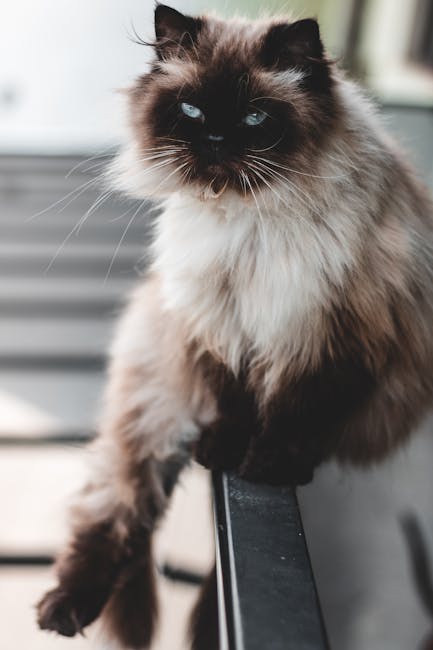
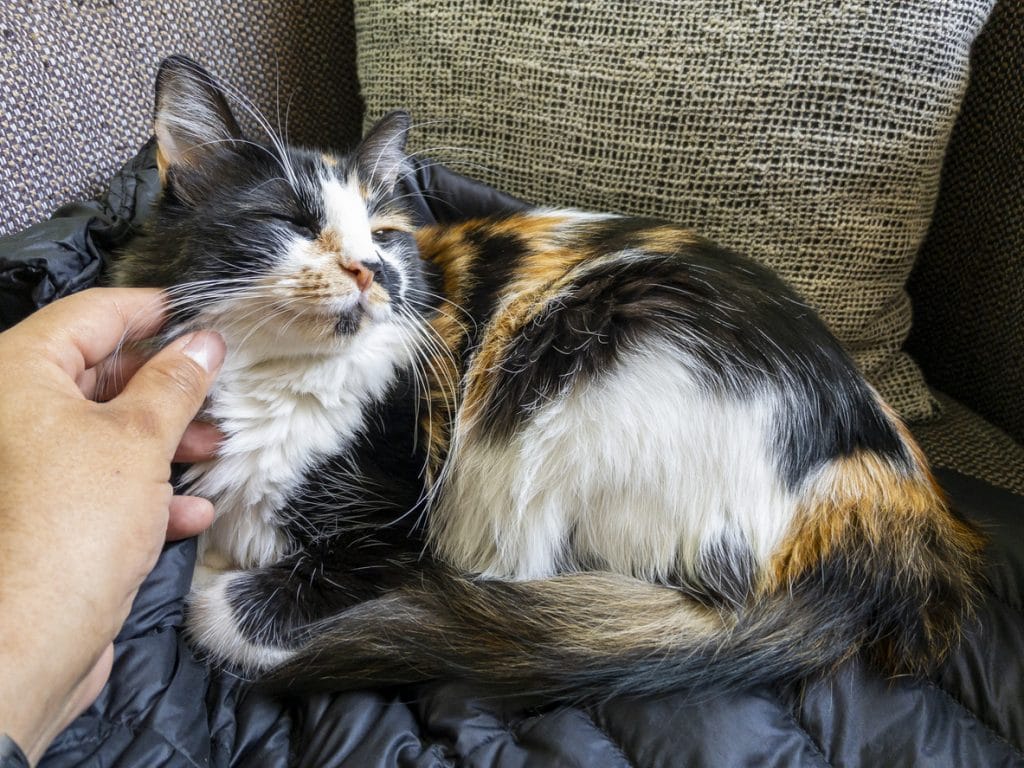
Start by examining your cat's physical features. Observe the fur length, patterns, and colors. Does your cat have a tabby pattern, or perhaps a calico coat? These can hint at specific breed influences.
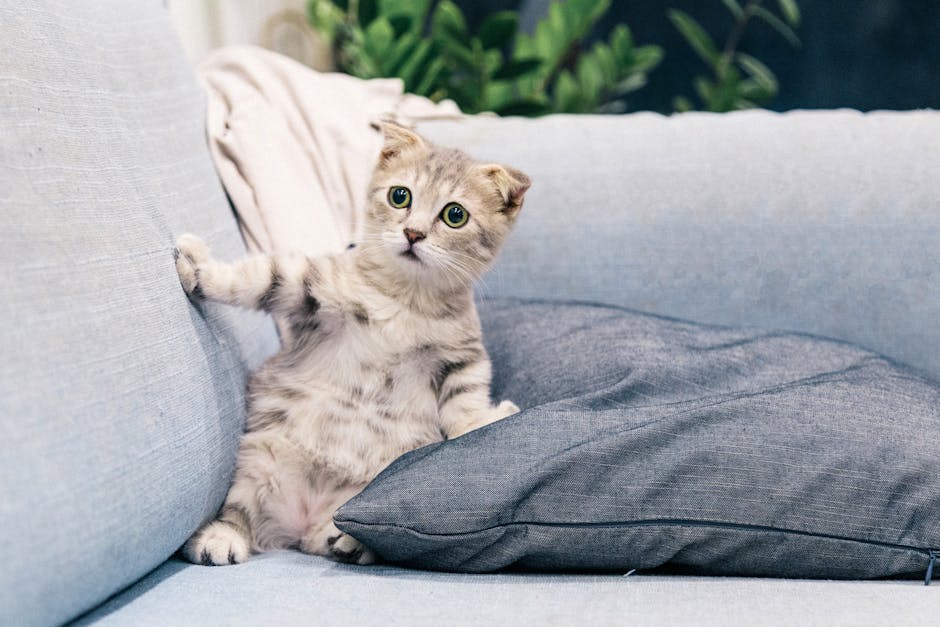
Notice the size and shape of your cat's ears. Are they large and pointy like a Siamese, or small and rounded like a Scottish Fold? The structure of your cat's face, such as a flat nose or a long snout, can also provide clues.
Consider your cat's body type. Is she slender and athletic, or more stocky and muscular? Each breed has distinct physical traits that can be mixed in your cat.
Behavioral Traits
Behavior can be a strong indicator of breed lineage. Is your cat vocal, constantly chatting with you in meows? This might suggest Siamese ancestry.
Observe your cat's play habits. Does she have a natural hunting instinct, or does she prefer lounging around? Energetic and playful cats may have Bengal traits.
How does your cat react to strangers? A friendly, outgoing demeanor could point to breeds like the Maine Coon, known for their sociable nature.
Have you noticed any unusual habits or quirks that don't seem typical? These could be inherited traits from lesser-known breeds. While genetics are complex, paying attention to these details can help you piece together the puzzle of your cat's ancestry.
Ultimately, while you may never know your cat's exact breed mix, recognizing these characteristics can enhance your understanding and appreciation of your feline friend. What have you discovered about your cat's unique traits?
:max_bytes(150000):strip_icc()/black-white-cat-on-lap-dpddm-JD-913-2000-9ba4ae3a902544d88af9f7ded6d7fe0c.jpg)
Credit: www.dailypaws.com
Common Mixed Breeds
Cats are often a mix of different breeds. Identifying these mixes can be fascinating. Mixed breeds often showcase unique characteristics. These traits make them stand out from pure breeds. Let's explore some common mixed breeds.
Maine Coon Mixes
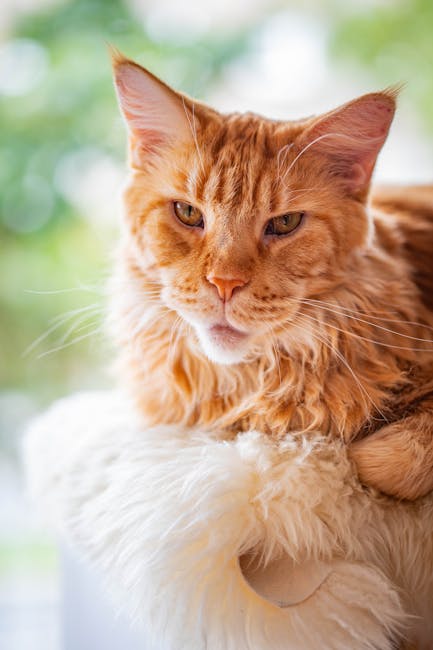
Maine Coon mixes are large and fluffy. They often have tufted ears. Their tails are bushy and long. These cats are friendly and gentle. They enjoy social interactions. Maine Coon mixes may have varied coat colors. Their playful nature is endearing.
Siamese Mixes
Siamese mixes have striking blue eyes. Their coats are sleek and glossy. Often, they have pointed color patterns. These cats are vocal and talkative. They form strong bonds with owners. Siamese mixes are intelligent and curious. Exploring is their favorite activity.
Persian Mixes
Persian mixes have luxurious, long fur. Their faces are often flat and round. They are calm and affectionate. These cats enjoy lounging around. Grooming is essential for their fur. Persian mixes may have varied eye colors. Their gentle demeanor is comforting.
Genetic Testing For Cats
Curious about your cat's unique lineage? Genetic testing for cats reveals the breeds in your furry friend's mix. This simple test provides insights into your cat's ancestry, helping you understand its behavior and health needs better.
Curious about the origins of your feline friend? Genetic testing for cats can unlock the secrets of your pet's ancestry, shedding light on the breeds that make up your unique kitty. As cat lovers, understanding the genetic makeup of our furry companions can be both fascinating and informative. Whether you're trying to make sense of behavioral quirks or simply want to satisfy your curiosity, DNA testing offers a window into your cat's past.
How Dna Tests Work
DNA tests for cats are similar to those used for humans and dogs. A simple cheek swab collects your cat's DNA, which is then analyzed in a lab. The lab compares your cat's genetic markers against a database of known breeds to determine the mix of breeds in your cat's lineage. These tests can reveal surprising insights. You might discover that your tabby has a splash of Siamese or a hint of Maine Coon. Knowing your cat's breed mix can help you understand their behavior and health predispositions better.
Popular Cat Dna Test Kits
Several kits are available if you're ready to dive into your cat's genetic history. Basepaws, for instance, offers a comprehensive test that not only reveals your cat's breed composition but also provides insights into their health. With easy-to-follow instructions, it’s a favorite among cat owners. Another popular option is Wisdom Panel, which has a strong reputation for accuracy and user-friendly reports. Their database includes over 70 breeds, ensuring a thorough analysis of your cat's ancestry. Have you ever wondered what surprises your cat's DNA might hold? These test kits make it easy for you to find out. With just a simple swab and a little patience, you can uncover the genetic secrets of your feline friend.
Analyzing Cat Features
Discovering your cat's mixed breed heritage can be a fun journey. By analyzing their physical features, you can get clues about their lineage. Each cat's unique traits tell a story. Let’s dive into some key characteristics.
Coat Patterns And Colors
Coat patterns offer insights into your cat's ancestry. Tabby, solid, and tortoiseshell are common patterns. Tabby cats have stripes, spots, or swirling patterns. Solid coats are one color, like black or white. Tortoiseshell cats have a mix of black, orange, and brown.
Colors also hint at breed mixes. Siamese cats have cream and dark points. Maine Coons often have long, thick fur. These colors and patterns can guide you in identifying breeds.
Eye Shapes And Colors
Eye shape can reveal a lot. Round eyes are typical in American Shorthairs. Almond-shaped eyes might indicate an Oriental breed. Large, expressive eyes are common in Persians. Each shape has its story.
Eye color offers clues too. Blue eyes are often seen in Siamese. Green eyes could suggest a Russian Blue heritage. Golden eyes are common in British Shorthairs. These details help piece together your cat's genetic puzzle.
Consulting With Veterinarians
Determining your cat's breed mix can be an exciting journey. Consulting with veterinarians provides professional guidance. This helps in identifying the unique traits of your feline friend. Veterinarians have the experience to discern subtle characteristics. They can offer insights that might not be obvious to cat owners. Their expertise is invaluable in understanding your cat's genetic makeup.
Veterinarian's Role
Veterinarians play a crucial role in assessing your cat's breed. They observe physical traits and behavior patterns. This helps in forming a hypothesis about your cat's lineage. Their trained eye can spot breed-specific features. These might be overlooked by the untrained eye. They also consider your cat's health history and behavior. This adds another layer of depth to their analysis.
Professional Insights
Veterinarians provide insights that go beyond physical appearance. They may discuss genetic testing options. This offers a more precise breed analysis. Genetic testing can reveal hidden ancestry. It provides a clearer picture of your cat's background. This information can be valuable for understanding potential health issues. It also aids in tailoring care to your cat's specific needs.
Credit: www.rover.com
Online Communities And Resources
Curious about your cat's mixed breed origins? Online communities and resources can help. Share pictures and details. Connect with fellow cat owners for insights. Discover your cat's unique lineage.
Navigating the intriguing world of cat breeds can be both exciting and overwhelming. Sometimes, looking at your feline friend and wondering about its ancestry leads you to countless online resources and communities. These platforms are treasure troves of shared experiences and valuable insights, helping you uncover the unique mix of breeds in your cat.
Feline Enthusiast Forums
Feline enthusiast forums are bustling hubs of cat lovers eager to share knowledge. On these platforms, you can post pictures of your cat, and experienced members often jump in with breed suggestions. Engage in discussions, ask questions, and learn from threads filled with personal stories and breed identifications. Consider joining forums like The Cat Site or Pet Forums. They often have dedicated sections where you can seek advice on your cat's possible breed combinations. Many users have successfully identified their cat's lineage through these community interactions.
Social Media Groups
Social media groups are dynamic spaces that offer immediate feedback and a sense of community. Platforms like Facebook and Instagram have groups dedicated to cat breed identification. These groups are often moderated by experts or enthusiasts who provide insightful comments. When you post a picture of your cat, be sure to include details about its behavior and unique features. This information can spark discussions and lead to accurate breed guesses. Plus, you might find yourself connecting with others who have cats that look just like yours. Connecting with others who share your curiosity can be incredibly rewarding. Have you ever thought about what breeds might be part of your cat's mix? Online communities and resources are waiting to help you solve this delightful mystery.
Cherishing Mixed Breed Cats
Mixed breed cats hold a special place in many hearts. Their unique features and charming personalities make them delightful companions. Cherishing these feline friends involves understanding their diverse backgrounds. Mixed breed cats often combine traits from various breeds, giving them distinct qualities. Embracing their uniqueness can enrich the bond between owner and pet.
Unique Qualities
Mixed breed cats boast a blend of traits. Their appearance can vary widely, showcasing a mix of fur patterns and colors. Each cat is a unique individual. Their personalities are equally diverse. Some may be playful, while others are more reserved. This diversity makes each mixed breed cat special.
Health benefits often come with mixed breeds. They may have fewer genetic issues than purebreds. This can lead to a longer, healthier life. Their adaptability is another strength. Mixed breed cats often adjust well to different environments. This makes them great companions in various living situations.
Adoption Considerations
Adopting a mixed breed cat offers many rewards. Shelters often have many mixed breed cats available. Adoption fees are usually lower than buying purebred cats. Mixed breed cats are eager to find loving homes.
Consider the cat's personality and needs. Spend time with them before making a decision. This helps ensure a good fit with your lifestyle. Be prepared for surprises. Mixed breed cats might have unexpected traits. Embrace their individuality and enjoy the journey together.

Credit: www.reddit.com
Frequently Asked Questions
How Can I Identify My Cat's Breeds?
To identify your cat's breeds, observe its physical traits like fur length, color, and pattern. Behavioral characteristics can also offer clues. DNA tests provide the most accurate results by analyzing your cat's genetic makeup. Consulting a vet or a feline expert can provide additional insights.
What Are Common Mixed Cat Breeds?
Common mixed cat breeds include domestic shorthairs, domestic longhairs, and tabby mixes. These cats often display traits from various pure breeds. Mixed breed cats can exhibit a wide range of colors, patterns, and personalities, making them unique and diverse companions.
Can A Vet Determine My Cat's Mix?
Yes, a vet can help determine your cat's mix by examining physical features and behavior. They may suggest a DNA test for more accurate results. Vets can provide insights based on their experience with various breeds, helping you understand your cat's ancestry better.
Are Dna Tests For Cats Accurate?
DNA tests for cats are quite accurate in identifying breed composition. They analyze genetic markers to provide detailed insights into your cat's ancestry. While not 100% perfect, they are a reliable tool for understanding your cat's breed mix and heritage.
Conclusion
Discovering your cat's mix can be an exciting journey. Simple tests and observations help. Each breed contributes unique traits to your cat's personality. Understanding these traits can improve your bond. It also aids in catering to their specific needs. Every cat is special, and their mix makes them unique.
Enjoy the process of learning more about your feline friend. The more you know, the better you can care for them. Celebrate their individuality and love them for who they are. Your cat's heritage is a part of their charm.
Embrace it!