Must Cat Pee Smell Health Issues Signal Hidden Dangers?
Imagine walking into your home, only to be met by an unpleasant, lingering smell of cat pee. It's not just annoying; it can raise concerns about health issues for both you and your furry friend.
If you've been battling this persistent odor, you might be wondering what it means for your well-being and that of your beloved pet. You're not alone in this; many pet owners face the same dilemma. Understanding the reasons behind the musty smell and how it can potentially impact health is crucial.
You'll discover why cat pee smells the way it does, what health issues it might signal, and effective ways to tackle the problem. Stick around to ensure your home is both a happy and healthy place for everyone, including your feline companion.

Credit: www.amazon.com
Causes Of Cat Pee Smell
Cat pee smell might point to health issues like urinary tract infections or kidney problems. Stress or diet changes can also cause this odor. Regular vet check-ups help catch these issues early.
Cat pee smell can be a real nuisance, but understanding its causes can help you tackle the issue more effectively. The pungent odor is not just an inconvenience; it can also indicate underlying health concerns for your feline friend. By identifying the root causes, you can take steps to minimize the smell and ensure your cat's well-being. Let's dive into some common causes of that notorious cat pee smell.
Diet And Hydration
What your cat eats and drinks plays a significant role in the odor of their urine. A diet high in protein can make cat urine smell more intense due to the breakdown of proteins into ammonia. Ensure your cat has access to fresh water at all times. Proper hydration can dilute urine, reducing its smell. Consider your cat's diet and hydration as a first step in addressing unpleasant odors.
Medical Conditions
Certain medical conditions can contribute to a strong urine smell. Urinary tract infections, bladder stones, or kidney disease can all lead to changes in the odor of your cat's pee. If you notice a sudden change in the smell or frequency of your cat's urination, it may be time for a vet visit. Early detection can prevent more severe health problems down the line, ensuring your cat stays healthy and your home smells fresh.
Behavioral Factors
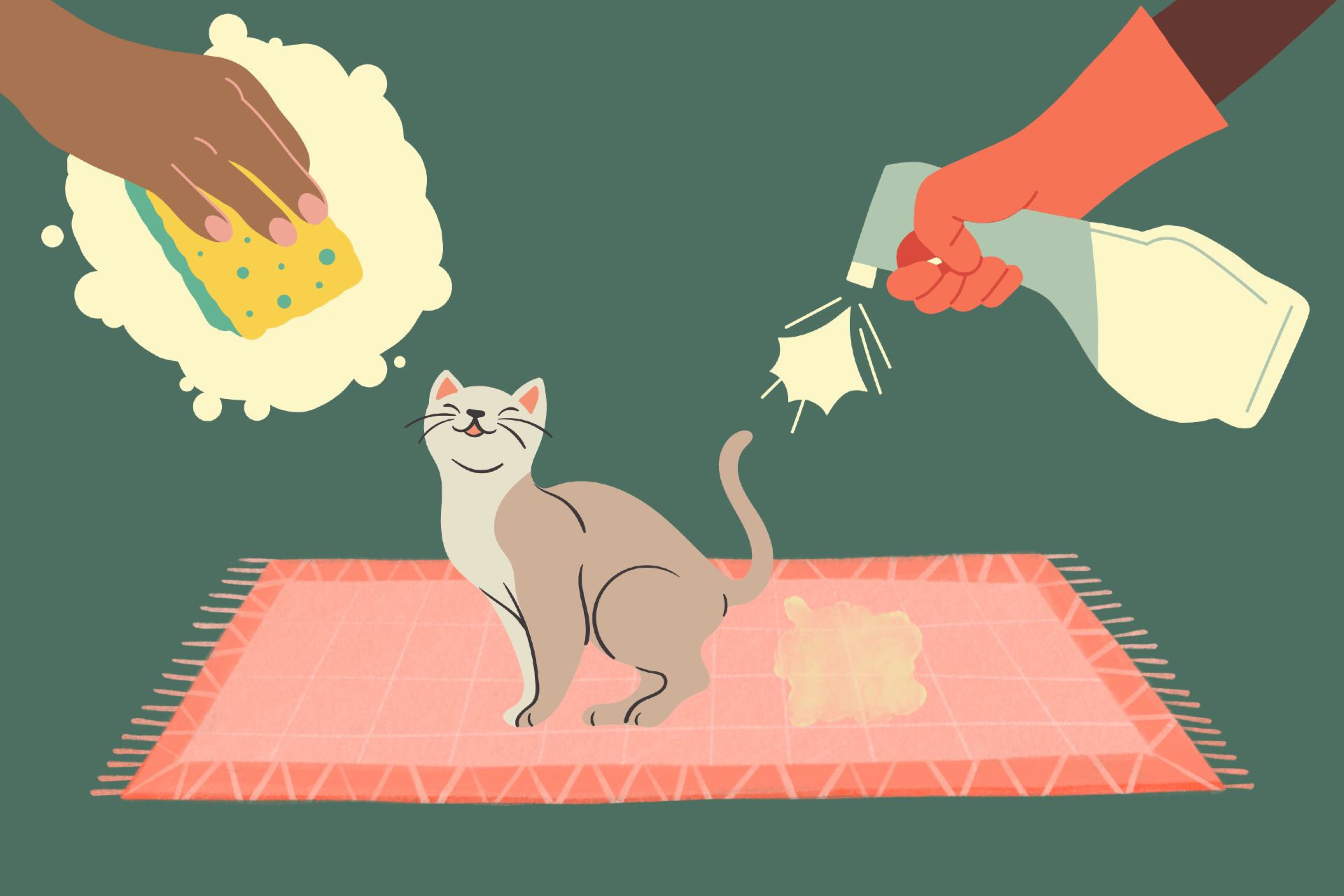
Behavioral issues can also affect where and how often your cat urinates, impacting odor. Stress or anxiety might cause your cat to urinate outside the litter box, making the smell more noticeable. Consider your cat's environment. Is the litter box clean and accessible? Are there changes in the household that might stress your cat? Addressing these behavioral factors can help minimize the smell and promote a happier, healthier cat. Reflect on your own experiences with cat pee smells. Have you ever noticed how changing a cat's diet or visiting the vet made a difference? Your insights could offer valuable clues to others facing the same issue.
Credit: vivapets.com
Health Risks For Cats
Cat pee smell can signal health issues. Strong or unusual odors might indicate urinary tract infections or kidney problems. Always consult a vet if your cat's urine smell changes.
Health Risks for Cats Musty cat pee odor isn't just a nuisance; it can be a sign of serious health issues for your feline friend. Your cat's health can be at risk if you're noticing persistent pee smells around the house. Understanding these risks can help you take action before conditions worsen. Cats are experts at hiding their pain, which makes it crucial for you to be vigilant. If you notice an unusual odor, it's time to look into possible underlying health problems. Addressing these issues early can make all the difference in your cat’s well-being. Is your cat's litter box smelling stronger than usual? Let’s explore some potential health concerns that could be contributing to this problem.
Urinary Tract Infections
Urinary tract infections (UTIs) in cats can cause their urine to have a stronger, more pungent odor. This condition is more common in older cats but can affect any feline. Symptoms might include frequent urination, straining to urinate, or even blood in the urine. If left untreated, UTIs can lead to more severe complications. Consider visiting your vet for a proper diagnosis and treatment plan.
Kidney Disease
A musty urine smell might also be a sign of kidney disease. Cats with kidney issues often have dilute urine, which can lead to a lingering odor. Early symptoms may not be apparent, making regular vet check-ups essential. Kidney disease is more prevalent in older cats and can affect their quality of life. Treatment often involves dietary changes and medication, but early intervention can significantly improve outcomes.
Diabetes
Diabetes in cats can lead to an unusual smell in their urine, often sweet or musty. This condition affects the way your cat processes glucose, causing changes in urine odor and frequency. Common signs of diabetes include increased thirst and urination, weight loss, and lethargy. If you suspect diabetes, consult your vet for blood tests to confirm the diagnosis. Managing diabetes often involves insulin therapy and dietary adjustments. --- How can you ensure your cat stays healthy and happy? Recognizing these signs early is the first step. Always seek veterinary advice when you notice changes in your cat's behavior or bodily functions. Your attention and care can make a world of difference to your feline friend's life.
Impact On Humans
Cat pee smell can cause headaches and respiratory issues. It irritates the nose and throat, making breathing difficult. Long-term exposure might worsen allergies or asthma. Proper ventilation and cleaning are essential.
Dealing with musty cat pee smell can be more than just a nuisance. It can have several implications on your health. Understanding these impacts can help you manage and mitigate the risks. Let's dive into how this persistent odor can affect your well-being.
Allergic Reactions
Cat urine contains proteins that can trigger allergic reactions in sensitive individuals. You might notice sneezing, skin rashes, or itchy eyes. If you or your loved ones experience these symptoms, it's crucial to address the source of the smell promptly. Sometimes the allergens can linger on surfaces long after the urine has dried. Regular cleaning and using air purifiers can help reduce these allergens in your home. Have you ever wondered why your allergies act up even after the cat's box is clean? It might be the lingering proteins in the air.
Respiratory Issues
Ammonia in cat urine can cause respiratory problems. This is especially concerning if you have asthma or other pre-existing respiratory conditions. The strong smell can irritate your lungs, leading to coughing and shortness of breath. Ensure your living space is well-ventilated to minimize ammonia buildup. Consider how often you clean your cat's litter box and the products you use. Are they effectively reducing the odor, or just masking it?
Mental Health Effects
Living with persistent foul odors can take a toll on your mental health. The embarrassment of having guests over or constantly worrying about the smell can increase stress and anxiety. You might find yourself avoiding social situations or feeling overwhelmed. Addressing the root cause of the odor can help alleviate these mental strains. Have you noticed a change in your mood or social habits lately? It might be worth examining how your environment, including odors, is impacting your mental well-being. Remember, a fresh-smelling home is not just pleasant—it's essential for your overall health.
Detecting Hidden Problems
The smell of cat pee can be more than just a nuisance; it may be signaling underlying health issues with your feline friend. Detecting these hidden problems early can make a world of difference in your cat's well-being. This section will guide you through identifying signs that go beyond just a dirty litter box.
Signs Of Illness
When cat pee smell becomes unusually strong or frequent, it could indicate a health issue. Cats might be suffering from urinary tract infections or kidney problems. If you notice this persistent odor, pay attention to your cat's hydration and eating habits. Are they drinking more water or eating less? A sudden change could be a red flag. Regular vet check-ups can help you keep these issues at bay.
Behavioral Changes
Strong pee odor might be accompanied by changes in your cat's behavior. Is your cat avoiding the litter box? Or perhaps they're meowing more than usual? These shifts in behavior can indicate stress or discomfort. Addressing these changes early can prevent bigger problems down the road. Consider setting up a quiet, stress-free area for your cat to relax. A calm environment can reduce anxiety and improve their overall health.
Environmental Factors
Sometimes, the cat pee smell is linked to environmental issues. A dirty or overcrowded litter box can deter your cat from using it properly. Ensure the litter box is cleaned regularly and placed in a well-ventilated area. Also, consider the type of litter you're using; some cats prefer unscented options. A clean and comfortable setting can encourage your cat to use the litter box consistently, minimizing odor issues.
Have you ever thought that the smell of cat pee might be a cry for help from your pet? By keeping an eye on these subtle signs, you can ensure your cat stays healthy and happy. Taking proactive steps can prevent small issues from becoming big health problems.
Preventive Measures
Persistent cat pee smell might indicate health issues like urinary tract infections or kidney problems in cats. Regular vet check-ups and proper litter box maintenance can help prevent these issues. Keeping your cat hydrated and stress-free also aids in maintaining their overall health.
Preventive measures are crucial in managing the unpleasant and persistent smell of cat pee. By taking proactive steps, you can not only keep your home fresh but also ensure your cat's health is in top shape. Here, we'll explore practical strategies that can help you prevent this issue from becoming a recurring problem.
Proper Litter Box Maintenance
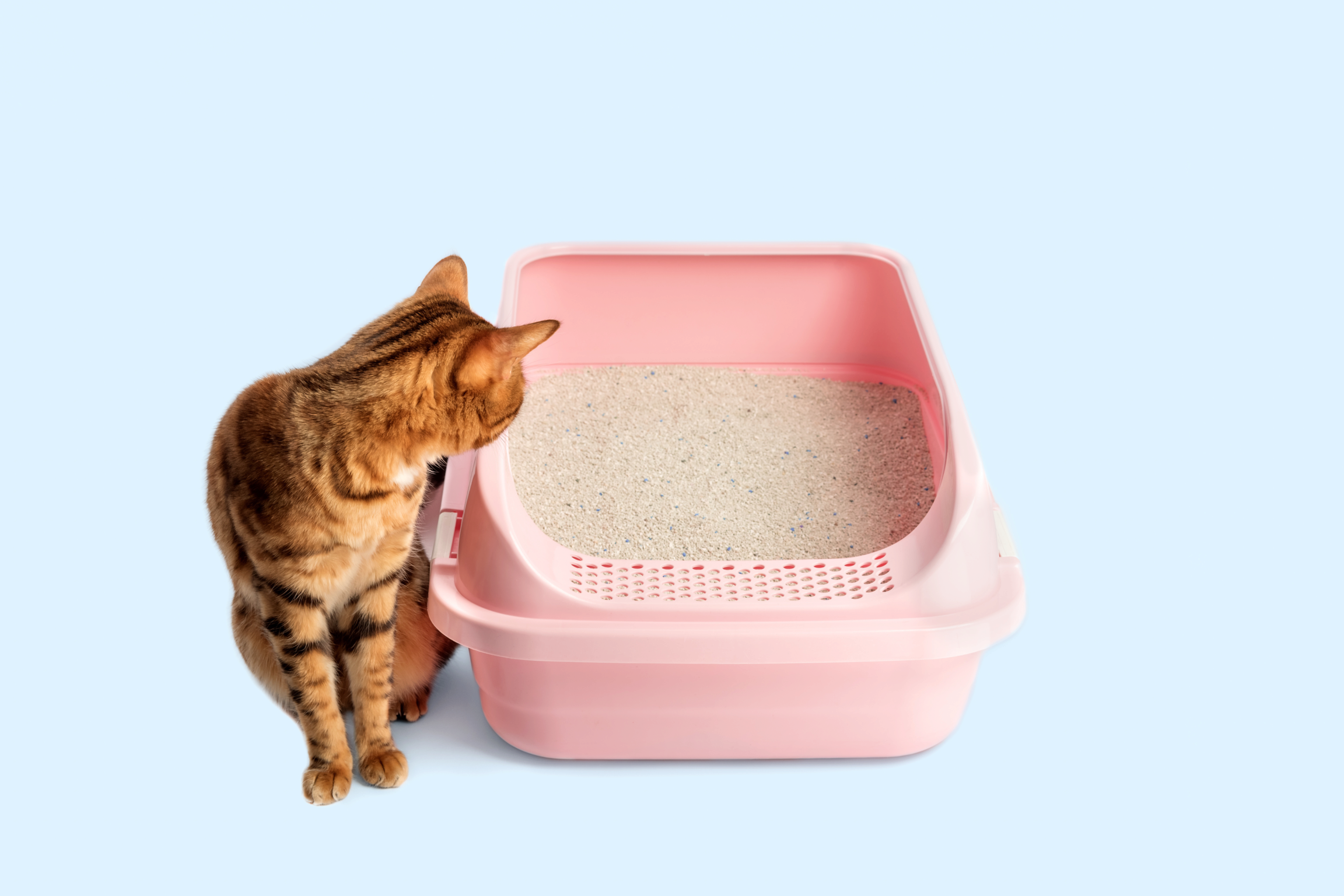
Maintaining your cat's litter box is key. Scoop waste daily to minimize odors. Consider using a high-quality litter that clumps well and controls smells effectively. Change the litter completely at least once a week. This prevents the build-up of ammonia, which contributes to the smell. Clean the litter box with mild soap and water regularly to avoid harsh chemical residues. Placement of the litter box matters too. Keep it in a well-ventilated area to allow air circulation. This simple step can significantly cut down on lingering odors.
Regular Vet Check-ups
Regular vet visits can catch health issues before they become serious. A vet can identify infections or conditions that might be causing your cat's urine to smell stronger than usual. Cats often hide discomfort or pain. Regular check-ups ensure they're healthy and comfortable, helping you detect any underlying issues early. If you notice a sudden change in your cat's urine smell, don't ignore it. Consult your vet to rule out infections or other medical concerns.
Dietary Adjustments
What your cat eats affects their urine odor. A balanced diet can reduce strong smells. Consider high-quality cat food that supports urinary health. Avoid foods with artificial additives and excessive fillers. These can contribute to stronger urine odors. Consult with your vet about the best dietary choices for your cat. They can recommend foods that are beneficial for your cat's overall health and well-being. By implementing these preventive measures, you can maintain a harmonious home environment while ensuring your cat's health. Have you noticed any other effective strategies that work for you? Share your experiences and help others tackle this common issue.
Treatment Options
Dealing with a musty cat pee smell can be challenging. It often points to underlying health issues in cats. Addressing this requires a combination of approaches. Understanding the available treatment options is crucial. From medical interventions to home remedies, each plays a role in solving this issue.
Medical Interventions
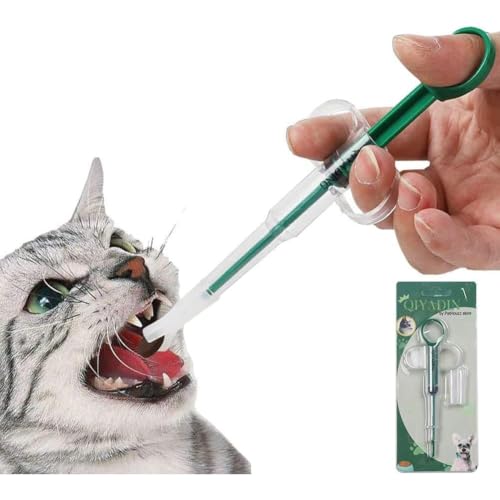
Veterinarians can offer essential medical treatments. Antibiotics may be prescribed for infections. Pain relievers help with urinary discomfort. Specific diets can also support urinary health. Regular check-ups ensure your cat’s well-being. Always consult a vet before starting treatments.
Behavioral Therapy
Behavioral changes can contribute to the smell. Stress or anxiety often triggers inappropriate urination. Identifying stress sources is vital. Creating a calm environment helps. Cat pheromone diffusers can ease anxiety. Behaviorists can offer additional strategies. Consistency in the approach is key.
Home Remedies
Home remedies can support other treatments. Vinegar and water solutions neutralize odors. Baking soda absorbs lingering smells. Enzymatic cleaners break down urine compounds. Ensure litter boxes are always clean. A clean environment reduces odor recurrence. Natural remedies are safe for cats.
When To Seek Professional Help
Persistent cat pee smell might indicate health problems in your pet. Seek professional help if the odor worsens or persists despite cleaning. Cats often hide illnesses, so unexplained strong smells could signal urinary tract issues or other medical concerns.
An unpleasant cat pee smell can signal health issues. Sometimes, home remedies don't work. In these cases, professional help is necessary. Understanding when to call a vet is crucial. This ensures your cat's well-being. Let's explore some signs that need immediate attention.
Persistent Odor Issues
Does the smell linger despite cleaning? This might indicate a problem. Cats are usually clean animals. A strong, lasting odor might mean health issues. A vet can help identify any underlying conditions.
Sudden Behavioral Changes
Has your cat started urinating outside the litter box? This behavior change could be a red flag. Stress, anxiety, or illness can cause such changes. A professional can pinpoint the exact cause. Early detection is key to resolving issues.
Recurring Health Problems
Does your cat have frequent urinary problems? Recurring issues might suggest something serious. Conditions like urinary tract infections require medical attention. Don't wait if health problems reappear. Seek a vet's advice promptly. `
Credit: vivapets.com
Frequently Asked Questions
Why Does Cat Pee Smell So Strong?
Cat pee contains uric acid and ammonia, making it pungent. Over time, these compounds become more concentrated and strong. Ensuring your cat is hydrated and their litter box is cleaned regularly can help minimize the odor. Persistent strong smells might indicate health issues like urinary tract infections.
Can Cat Pee Smell Indicate Health Problems?
Yes, changes in the smell can suggest health issues. A strong ammonia scent might indicate dehydration, while a foul smell could mean a urinary tract infection. Regular vet check-ups are crucial. If you notice persistent odor changes, consult a veterinarian to ensure your cat's health is not compromised.
How Can I Reduce Cat Pee Odor At Home?
To reduce cat pee odor, clean the litter box daily and use odor-neutralizing litter. Ensure your cat stays hydrated. For accidents, use enzymatic cleaners to break down odor-causing compounds. Regular ventilation and air purifiers can also help keep indoor air fresh and odor-free.
What Are Common Causes Of Cat Pee Odor?
Common causes include dehydration, diet changes, and health issues like urinary tract infections. Cats on high-protein diets might have stronger-smelling urine. Maintaining regular vet visits and ensuring proper hydration can help identify and address any underlying health concerns causing odor.
Conclusion
Cat pee smell can signal health problems. Addressing these issues is vital. Check your cat regularly for signs of illness. A clean environment helps reduce odors. Visit the vet if the smell persists. Early intervention keeps your cat healthy. Monitor their behavior closely.
Provide fresh water and balanced food. Clean litter boxes often. Your cat’s comfort is important. A healthy cat is a happy cat. Act quickly to avoid bigger problems. Ensuring a pleasant home environment benefits everyone. Keep your feline friend safe and well.
Prioritize their health and wellbeing. Your attention makes a difference.