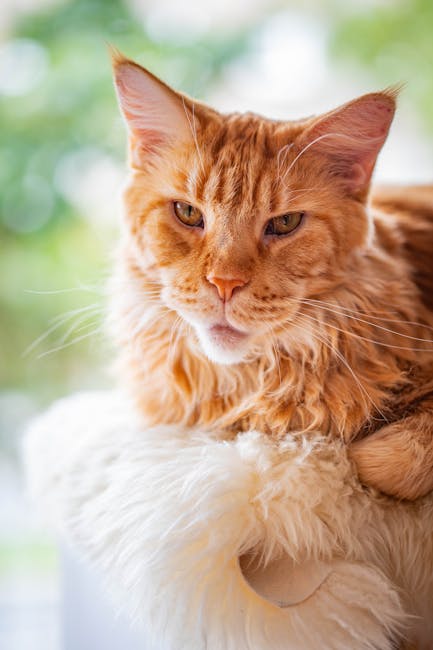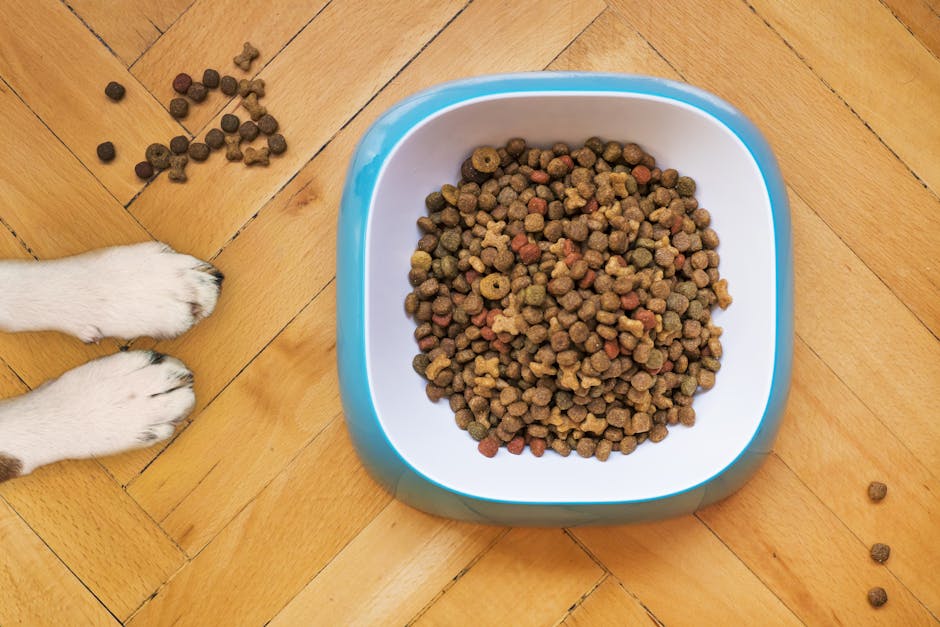
Imagine you're planning meals for your furry friends at home. Your dog gives you an excited wag, while your cat offers a pensive stare.
You might think a one-size-fits-all meal could satisfy them both, but their nutritional needs are as different as their personalities. Understanding these differences is crucial to keeping your pets healthy and happy. Have you ever wondered why your dog seems to thrive on a high-protein diet, while your cat needs specific nutrients like taurine?
It’s not just about preference—it's about biology. Dogs and cats have evolved distinct dietary requirements, and feeding them appropriately can impact their overall well-being. Dive into this article to uncover why your dog and cat aren’t just picky eaters and how you can cater to their unique needs. By the end, you’ll have the knowledge to make informed choices that could enhance the health and vitality of your beloved companions.
Basic Nutritional Requirements
Dogs and cats have unique nutritional needs. Each species thrives on different diets. Understanding these needs ensures a healthy life for your pet. Both animals require specific nutrients to stay healthy. But the balance of these nutrients varies between them. Let's explore the basic nutritional requirements of dogs and cats.
Proteins And Amino Acids
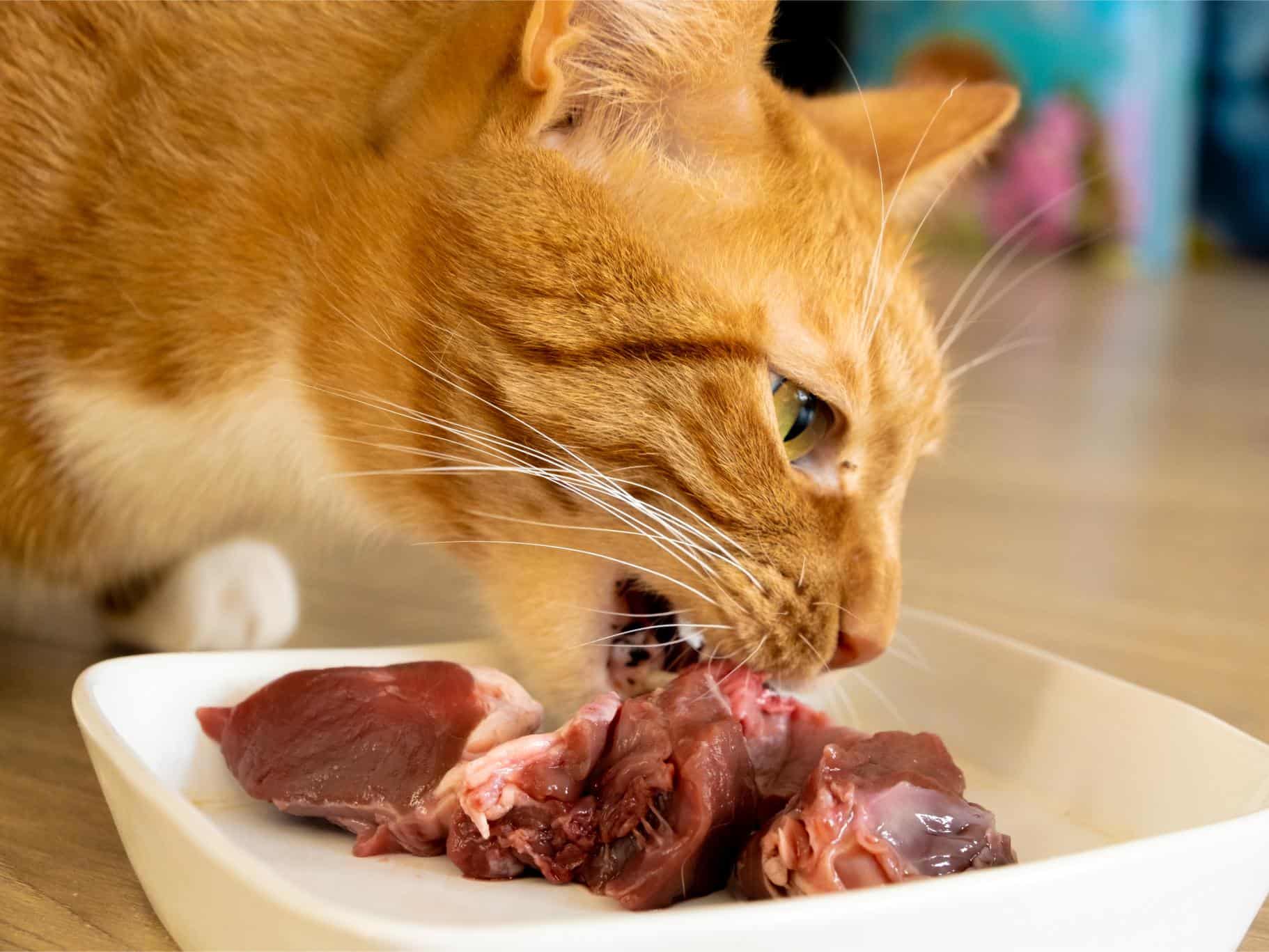
Proteins are vital for both dogs and cats. They help build muscles and repair tissues. Dogs can eat a more varied diet. They can process both plant and animal proteins. Cats, on the other hand, need more animal-based proteins. They are obligate carnivores. This means they must eat meat to get essential amino acids. Taurine is one such amino acid. Cats cannot produce taurine on their own. Without it, they may face serious health issues.
Vitamins And Minerals
Vitamins and minerals support overall health. They ensure proper growth and development. Dogs have a broader range of vitamin sources. Their diets can include more fruits and vegetables. Cats require specific vitamins found in meat. Vitamin A is crucial for cats. They cannot convert beta-carotene into Vitamin A. Dogs can do this conversion. This difference highlights the need for species-specific diets.

Credit: purrfectgrooming.pet
Energy Needs
Dogs and cats have different energy needs. This impacts their daily diet. Understanding these differences is key. It helps in providing the right nutrition. This ensures your pet stays healthy and active.
Caloric Intake
Dogs often need more calories than cats. Their size and breed affect this need. Large dogs need more calories than smaller ones. Puppies also require extra calories for growth. In contrast, cats have a more stable caloric need. Their size varies less than dogs. Adult cats need consistent calories daily. Overfeeding can lead to obesity in both pets. Monitoring their intake is crucial.
Activity Levels
Activity levels greatly affect energy needs. Active dogs burn more calories than less active ones. Working dogs need more energy than lap dogs. Exercise increases their caloric needs. Cats, on the other hand, are less active. They spend much time resting. But playful cats may need more energy. Adjusting their diet based on activity is important. It helps maintain a healthy weight.
Digestive System Differences
Dogs and cats have different digestive systems. Dogs thrive on varied diets with more carbohydrates, while cats need high protein and fat. These differences mean their foods must cater to their unique nutritional needs.
Understanding the digestive system differences between dogs and cats can be essential for pet owners striving to provide optimal nutrition. Dogs and cats, though both beloved as pets, have unique dietary requirements influenced by their digestive systems. These differences are rooted in their evolutionary paths, with dogs being omnivores and cats obligate carnivores.
Metabolism Variations
Dogs and cats have distinct metabolic rates. Dogs can handle a diet that includes carbohydrates, as their bodies efficiently convert these into energy. Cats, however, rely heavily on protein and fat for their energy needs. This means you should consider the metabolism of each pet when planning their meals. Have you ever noticed your dog sniffing around for fruits or vegetables? That’s because dogs have evolved to digest a variety of foods. In contrast, a cat’s metabolism is designed to process meat, and they often ignore plant-based foods. This is why feeding them a high-protein diet is crucial.
Digestive Enzyme Functions
The digestive enzymes in dogs and cats serve different purposes. Dogs produce amylase in their saliva, which helps break down carbohydrates right from the start. Cats lack this enzyme in their saliva, so they don’t digest carbohydrates as efficiently. Think about your cat’s preference for meat. This is due to their digestive system’s need for enzymes that break down proteins and fats. Dogs, on the other hand, can enjoy a balanced diet with grains, thanks to their versatile enzyme functions. When deciding on meals, you might wonder if you’re meeting your pet's enzymatic needs. Remember, the right enzymes help in nutrient absorption, ensuring a healthy, happy pet. Make sure your dog’s meals have a mix of nutrients, while your cat’s meals remain rich in high-quality protein. Every pet is unique, and understanding these differences can make a significant impact on their health. Are you considering their specific digestive needs when planning their diet?
Hydration And Water Needs
Dogs need more water than cats due to their different activity levels and body composition. Dogs often lose more water through panting and exercise. Cats, being desert animals, naturally need less water and get much from their food.
Understanding the hydration and water needs of your pets is crucial. Dogs and cats have different water requirements, influenced by their physiology and behavior. Knowing these differences can help you ensure that your furry friends stay healthy and hydrated.
Water Consumption Patterns
Dogs are generally more enthusiastic drinkers than cats. They tend to drink larger amounts of water at once. This is partly because dogs often consume dry kibble, which requires more water intake to balance hydration. Cats, on the other hand, are notorious for being picky drinkers. They often prefer running water, like from a fountain or a dripping tap. This behavior stems from their wild ancestors, who relied on moisture-rich prey for their hydration needs.
Hydration Importance
Staying properly hydrated is essential for both dogs and cats. Dehydration can lead to serious health issues like kidney problems. Ensure your pets always have access to clean, fresh water. You might notice that your cat drinks less than your dog. This doesn't necessarily mean they're dehydrated, especially if they eat wet food. Wet food contains a higher moisture content, which can contribute significantly to their daily water needs. Have you ever observed how your dog laps up water with enthusiasm after a play session? Dogs often regulate their hydration through their activity levels. In contrast, a cat might be more subtle in its hydration cues, silently sipping from a water bowl or licking moisture from its fur. Recognizing these patterns can make a big difference in how you support your pet's health. Adjust your approach based on your pet's unique needs and habits. Are you attentive to these subtle signs of hydration?
Feeding Habits And Preferences
Dogs and cats have different nutritional needs due to their distinct dietary habits. Dogs thrive on a balanced mix of protein, carbohydrates, and fats. Cats, being obligate carnivores, require high protein and specific nutrients like taurine. Understanding these differences ensures pets receive the right nutrition.
Feeding your furry friends might seem straightforward, but understanding their unique feeding habits and preferences can make a world of difference in their health and happiness. Dogs and cats have distinct dietary needs shaped by their natural instincts and lifestyles. By learning how their preferences and meal frequencies differ, you can better cater to their needs and ensure they thrive.
Dietary Preferences
Dogs are often less picky when it comes to food. Their omnivorous nature means they enjoy a mix of meat, vegetables, and grains. You might notice your dog eagerly waiting for scraps from your dinner table. Cats, on the other hand, are true carnivores. They require a diet high in protein. Their taste buds are tuned to the savory flavors of meat. Ever tried giving your cat a piece of carrot? The disdainful look says it all. Understanding these preferences helps you choose the right type of food for your pet. If you find your dog loves carrots, consider adding them as a treat. For cats, prioritize protein-rich foods to keep them satisfied.
Meal Frequency
Dogs usually thrive with a regular feeding schedule. Two meals a day can keep them happy and healthy. Establishing a routine helps them maintain energy levels throughout the day. Cats, however, may prefer smaller, more frequent meals. Their instinct is to hunt and eat several times a day. Leaving food available for grazing can mimic this natural behavior. Think about your pet’s lifestyle. Is your dog active and always on the go? They might benefit from a consistent meal schedule. Does your cat laze around and snack throughout the day? Frequent feeding could suit them better. Have you noticed different feeding habits between your pets? Observing these tendencies can lead to a deeper understanding of their needs. Tailoring their meal frequency helps ensure they remain happy and healthy. By respecting their dietary preferences and meal frequencies, you contribute positively to their well-being. Wouldn't you want your furry companions to feel their best every day?

Credit: michu.com.au
Common Dietary Issues
Dogs and cats have different dietary needs due to their distinct biological makeup. Dogs require more carbohydrates, while cats need higher protein levels. Understanding these differences ensures pets receive proper nutrition.
Understanding the dietary needs of your pets is crucial for their health and happiness. Dogs and cats have unique nutritional requirements, and sometimes, common dietary issues can arise. These issues can affect your pet's overall well-being and are worth paying attention to. Let's dive into some of these concerns that you, as a pet owner, might encounter.
Allergies And Intolerances
Does your dog scratch incessantly or does your cat vomit after meals? These could be signs of food allergies or intolerances. Dogs often develop allergies to proteins like beef or chicken. Cats, on the other hand, might react to fish or dairy. It's vital to observe your pet's reaction to different foods. You might need to experiment with hypoallergenic diets or limited ingredient foods. Have you noticed any patterns in your pet's symptoms? A food diary can be a useful tool here.
Obesity Concerns
Obesity is not just a human problem. It's a growing issue among pets, too. Overweight pets are prone to diabetes, arthritis, and heart disease. Dogs are especially susceptible if they lack exercise. Cats can gain weight if they're fed too much or are sedentary. Are you monitoring your pet's weight? Regular weigh-ins can help you track changes. Adjusting portion sizes and increasing activity levels can make a significant difference. Could your pet's treats be adding unnecessary calories? Consider healthier treat options or even homemade snacks. Remember, the goal is to ensure your pet lives a long, healthy, and happy life. Addressing dietary issues is a step in the right direction. What changes will you make to support your pet's nutritional needs?
Special Dietary Considerations
Understanding the special dietary needs of dogs and cats is crucial. Both animals have unique nutritional requirements. Dogs and cats are different species with different digestive systems. Their diets must reflect these differences to ensure their health and well-being. The special dietary considerations for each animal can vary significantly. Let's explore these in detail.
Age And Life Stage Needs
Puppies and kittens need a diet rich in protein and fat. These nutrients support growth and energy. Adult dogs and cats need balanced nutrition to maintain health. Senior pets often require fewer calories but more fiber. Older pets may also benefit from joint supplements. Tailoring their diet to their life stage is essential.
Health Condition Adaptations
Some dogs have specific health needs requiring diet changes. Obesity, allergies, or diabetes need special diets. Cats may also have conditions like kidney disease. Such conditions demand low-protein diets. Health condition adaptations are crucial for managing these issues. Always consult a veterinarian for dietary advice. They can help tailor a diet to your pet's needs.
Credit: www.englishtownvet.com
Frequently Asked Questions
What Nutrients Do Dogs Need That Cats Don't?
Dogs require more carbohydrates for energy than cats. They also need specific amino acids and vitamins like vitamin D, which cats produce naturally. Unlike cats, dogs can digest grains better, making grains a suitable source of energy. Additionally, dogs benefit from a variety of plant-based nutrients.
Why Is Protein More Crucial For Cats?
Cats are obligate carnivores, meaning they need more protein. Their bodies rely heavily on amino acids from animal proteins. Unlike dogs, cats cannot synthesize certain amino acids, like taurine. Therefore, a protein-rich diet is essential for their health and well-being.
How Do Dogs Process Fats Differently?
Dogs utilize fats primarily for energy. They digest fats more efficiently than cats. This allows them to thrive on a diet with moderate fat content. Dogs need linoleic acid, a fatty acid, for skin health, which they get from plant and animal sources.
Are Fiber Needs Different For Dogs And Cats?
Yes, dogs need more fiber than cats. Fiber aids in digestion and helps maintain healthy weight in dogs. Cats, being carnivores, have lower fiber requirements. Fiber can help dogs manage their weight and digestive health more effectively than cats.
Conclusion
Understanding pet nutrition is crucial for their health. Dogs and cats have unique needs. Dogs thrive on varied diets. Cats need high protein and taurine. Different species, different diets. Proper nutrition avoids health issues. Balanced meals ensure longevity. Consult a vet for advice.
Keep their diet age-appropriate. Prioritize quality ingredients. Their well-being matters. Healthy pets bring joy. Invest in their diet for a happy life. Regular check-ups help too. Nutrition impacts energy and mood. A small change can make a big difference. Feed them right.
Stay informed and make smart choices.