Imagine this: your furry friend gazes up at you with those adorable eyes, waiting for you to fill his bowl. But how much is enough?
Feeding your adult male cat the right amount of food is crucial for his health and happiness. You might wonder if you're giving him too much or too little. It's a common concern, and getting it right is vital for his wellbeing.
Don't worry; you're not alone in this! By understanding his unique needs, you can ensure he's well-fed and content. Stick with us, and you'll discover exactly how much food your feline friend requires to stay healthy and thrive. Let's dive into the details and make mealtime a breeze for both of you!
Credit: www.animalleague.org
Factors Influencing Cat Food Needs
An adult male cat's food needs depend on size, activity level, and age. Larger cats often require more calories. Active cats burn more energy and may need extra food.
Understanding how much food your adult male cat needs can feel a bit like solving a puzzle. Several factors influence this need, and getting the right balance is crucial for your cat’s health and happiness. The amount of food your cat requires is not just about filling a bowl; it’s about tailoring nutrition to fit his unique lifestyle and physical condition. Let’s dive into the specific factors that determine the right amount of cat food.
Age And Activity Level
Cats, like humans, experience changes in their metabolism as they age. An active young adult cat might need more calories to fuel his playful antics and daring adventures. If your feline friend enjoys lounging in the sun more than chasing toys, his calorie needs decrease. Have you noticed how much energy your cat burns during playtime? It's essential to adjust his food intake based on these activity levels. Consider adjusting portion sizes or choosing food that matches his energy needs.
Breed And Size Considerations
Breed and size play a significant role in determining how much food your cat requires. Larger breeds like Maine Coons will naturally need more calories than smaller breeds like Siamese. Have you observed your cat’s size and build? It's not just about the number on the scale; it’s about understanding the nutritional needs that come with his physical stature. Different breeds might also have varying dietary preferences or requirements, which can influence the type of food you choose.
Health And Medical Conditions
Your cat's health conditions can dramatically affect his dietary needs. Cats with conditions like diabetes or kidney disease often require specialized diets. Have you spoken with your vet about your cat’s health? Regular check-ups can provide insights into any special dietary needs, ensuring you make informed choices about his food intake. Always consider professional advice when health issues are at play. Understanding these factors can make all the difference in your cat's well-being. What adjustments might you need to consider in your cat's diet today? Make informed choices, and your furry friend will thank you with purrs and cuddles.
Daily Caloric Requirements
Understanding the daily caloric requirements of an adult male cat is crucial for maintaining its health. Cats need a balanced diet to stay active and healthy. Caloric needs vary based on age, weight, and activity levels. Knowing how much food your cat needs can prevent obesity and other health issues.
Calculating Calorie Needs
To determine the calories your cat needs, consider its weight and activity. A sedentary cat requires fewer calories than an active one. Typically, an average adult cat needs about 20 calories per pound of body weight daily. If your cat weighs 10 pounds, it might need around 200 calories a day. Adjust this based on its activity level. Monitoring your cat’s weight can help fine-tune its calorie intake.
Impact Of Neutering On Caloric Intake
Neutering can affect your cat’s metabolism. Neutered cats often have lower energy needs. After neutering, caloric requirements may decrease by 20%. This reduction is due to hormonal changes affecting energy expenditure. It's important to adjust food intake post-neutering to prevent weight gain. Consult with a vet to find the right balance for your neutered cat.
Types Of Cat Food
Choosing the right type of food is crucial for your cat's health. Different types of cat food offer various benefits and drawbacks. Understanding these options helps you make an informed decision. Let's explore the different types of cat food available.
Dry Food Vs. Wet Food
Dry food, often called kibble, is convenient and affordable. It has a long shelf life and is easy to store. Kibble can help clean your cat's teeth due to its crunchy texture. But, dry food lacks moisture, which is essential for hydration.
Wet food, on the other hand, contains higher water content. This helps keep your cat hydrated, especially if they don't drink much water. Wet food is more palatable and can be easier to digest. It's often preferred by picky eaters. However, it requires refrigeration and can be more expensive.
Grain-free And Raw Diets
Grain-free diets exclude corn, wheat, and soy. Some believe these ingredients cause allergies in cats. Grain-free food mimics a cat's natural diet more closely. But, not all cats need a grain-free diet. Consult your vet before making the switch.
Raw diets consist of uncooked meat, organs, and bones. Advocates argue it resembles a cat's natural prey. This diet can be risky if not prepared properly. Contamination and nutrient imbalance are potential concerns. Raw diets require careful planning and veterinary guidance.
Specialty And Prescription Diets
Specialty diets cater to specific needs like weight management or hairball control. They contain ingredients that target particular health concerns. Prescription diets are formulated for medical conditions. They require a vet's recommendation and are tailored to specific health issues.
These diets play a crucial role in managing chronic conditions. Always follow your vet's advice regarding specialty and prescription diets. They ensure your cat receives appropriate nutrition for their needs.
Credit: www.alamy.com
Reading Cat Food Labels
Reading cat food labels can feel like deciphering a secret code. Yet, it's vital for your cat's health. Understanding what goes into your cat's bowl is crucial. Labels can tell you a lot about the food's quality and nutrition. Knowing how to read these labels ensures your cat gets the right nutrients.
Understanding Ingredients
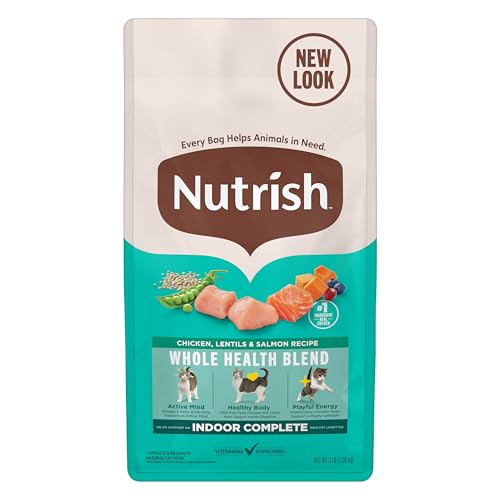
Ingredients are listed by weight. First on the list is the main ingredient. Look for real meat, like chicken or fish, as the first item. Avoid labels with vague terms like "meat by-products." These can mean lower-quality proteins. Fillers like corn or wheat should be minimal. They add bulk but little nutrition. Whole grains or vegetables are better options.
Deciphering Nutritional Information
The nutritional information section is a treasure trove. Check for proteins, fats, and fiber. Adult cats need high protein for muscle health. Aim for a food with at least 30% protein. Fats should be around 15% for energy and a shiny coat. Fiber aids digestion and should be about 3%.
Vitamins and minerals are also key. Look for taurine, essential for heart and eye health. Calcium and phosphorus support strong bones and teeth. Omega-3 fatty acids boost skin and coat health. Ensure the food meets AAFCO standards. This ensures balanced nutrition for your cat.
Feeding Schedule And Portion Control
Ensuring your adult male cat gets the right amount of food is crucial. A balanced feeding schedule helps maintain his health. Portion control prevents overeating and weight issues. Both aspects work together for your cat's well-being. Understanding these factors can lead to a healthier, happier pet.
Establishing A Feeding Routine
A consistent feeding routine is vital for your cat. Cats thrive on regularity. Offer meals at the same time each day. This helps regulate their digestive system. It also reduces anxiety about food availability. Morning and evening meals work well for most cats. Some prefer smaller, more frequent meals. Observe your cat's habits to choose the best schedule.
Adjusting Portions For Weight Management
Portion control is essential for weight management. Overfeeding can lead to obesity. Underfeeding may cause malnutrition. Start by following food packaging guidelines. Monitor your cat's weight and adjust portions as needed. Increase exercise if your cat is overweight. Consult your vet for personalized advice. They can provide specific portion recommendations. Regular weigh-ins help track progress. Adjust portions gradually to avoid digestive upset.
Signs Of Proper Nutrition
Proper nutrition is vital for an adult male cat's health. Recognizing signs of good nutrition helps ensure your cat's well-being. These signs reflect a balanced diet and adequate nourishment.
Healthy Weight Maintenance
A healthy weight indicates your cat is receiving the right nutrients. It helps him stay active and playful. Regular weight checks are essential. A sudden weight change might suggest a dietary issue. Consult a vet if you notice drastic changes.
Shiny Coat And Bright Eyes
A shiny coat is a sign of proper nutrition. It reflects a diet rich in essential fatty acids. Bright eyes show your cat is well-hydrated and healthy. Dull eyes or a dry coat may indicate a nutritional deficiency. Address these issues promptly for your cat's health.
Common Feeding Mistakes
Feeding an adult male cat the right amount of food is crucial. Overfeeding leads to obesity, underfeeding causes malnutrition. Adjust portions based on your cat's activity level and health needs.
Feeding your adult male cat the right amount of food is crucial for his health and well-being. However, many cat owners unknowingly make common feeding mistakes that can lead to health issues. Understanding these pitfalls can help you make better choices for your feline friend.
Overfeeding And Obesity Risks
Overfeeding is a common mistake that can lead to obesity, a significant health concern for cats. Your cat's pleading eyes may make it difficult to resist giving extra treats or larger portions. Yet, those extra calories can quickly add up. Obesity can lead to several health problems, including diabetes and joint issues. Monitoring your cat's weight and adjusting food portions as needed is vital. A simple rule of thumb is to ensure you can feel your cat's ribs without pressing hard. Have you ever wondered if you’re giving your cat too much food? Many cat owners mistakenly equate feeding with love, but this can backfire. Keeping your cat active and on a balanced diet is a healthier way to show affection.
Feeding Human Food
Feeding human food to cats is another common mistake that many of us are guilty of. It can be tempting to share your meal with your cat, especially when they beg at the table. However, certain human foods can be harmful or even toxic to cats. Foods like chocolate, onions, and garlic can cause severe health problems. Even seemingly harmless foods like dairy can upset your cat's stomach. Stick to cat-specific treats and meals to ensure your cat stays healthy. Consider this: Are you aware of which foods are safe for your cat? Researching and consulting with your vet can help you avoid unintentional harm. This simple step can make a world of difference in maintaining your cat's health. By avoiding these common feeding mistakes, you can help ensure your adult male cat stays healthy, active, and happy.
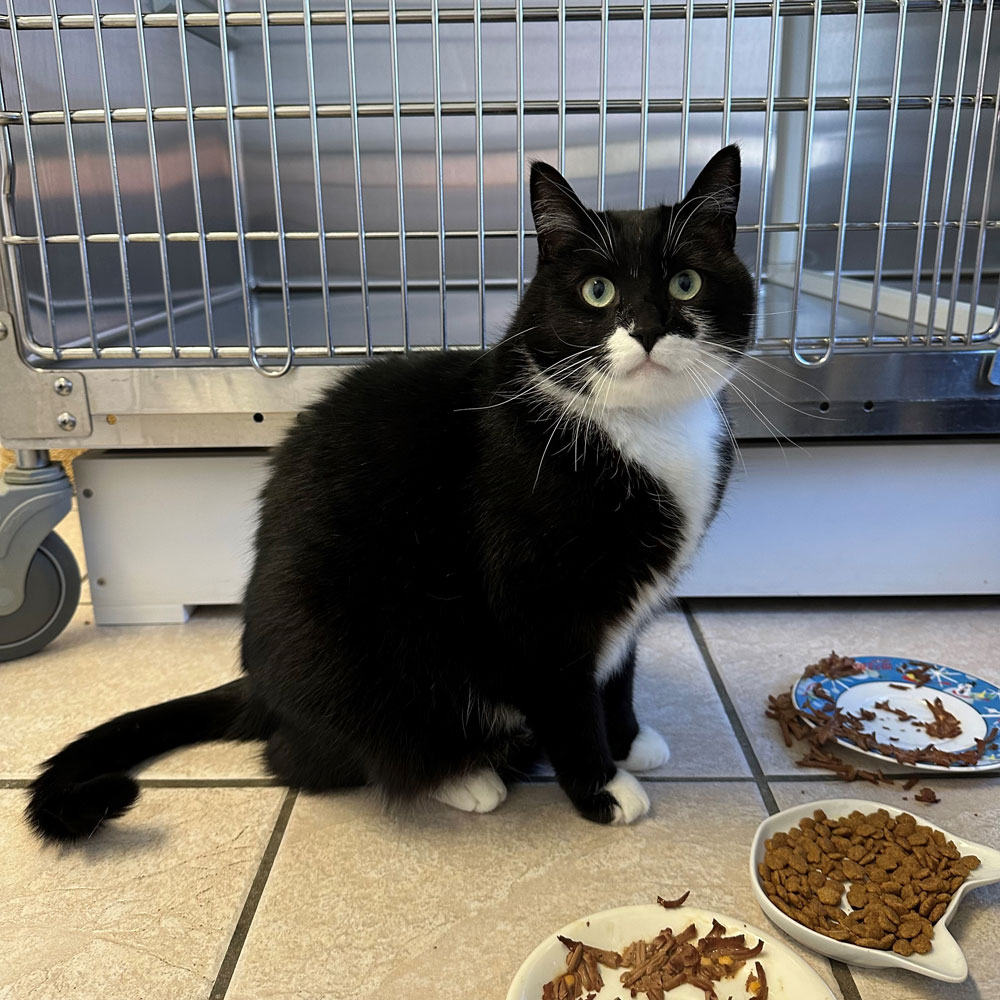
Credit: www.animalleague.org
Consulting With A Veterinarian
Consulting with a veterinarian can be an essential part of determining how much cat food your adult male cat needs. Veterinarians have the expertise to guide you on the right path, ensuring your feline friend is both healthy and happy. Regular consultations can prevent health issues and tailor nutritional needs to your cat's lifestyle.
Regular Health Check-ups
Scheduling regular health check-ups for your cat is crucial. Veterinarians can detect health issues early, which might affect your cat's dietary needs. These visits provide an opportunity to discuss any changes in behavior or appetite you’ve noticed.
Imagine discovering your cat has a food allergy or needs a special diet for a medical condition. Regular check-ups can catch these issues before they become serious. Wouldn't you want to ensure your pet is thriving?
Tailoring Diet To Individual Needs
Every cat is unique, and their dietary needs can vary significantly. A veterinarian can help tailor your cat’s diet based on age, weight, activity level, and health conditions. This personalized approach ensures your cat gets the right nutrients without overfeeding.
Consider the cat who loves to lounge all day versus the one who’s always on the move. Their energy expenditure is different, requiring a customized feeding plan. Are you feeding your cat based on general recommendations rather than specific needs?
Start a conversation with your vet about adjusting food portions and types. This can make a big difference in your cat’s well-being. Don’t leave it to guesswork when professional advice is readily available. Your cat deserves the best care tailored to their unique lifestyle.
Frequently Asked Questions
How Often Should I Feed My Adult Male Cat?
An adult male cat typically needs two meals per day. It's best to feed them once in the morning and once in the evening. Regular feeding helps maintain their weight and health. Adjust portions based on your cat's activity level and consult your vet for personalized advice.
What Portion Size Is Ideal For Adult Male Cats?
Portion size depends on your cat's weight, age, and activity level. Generally, adult male cats require 200 to 300 calories daily. Use the feeding guidelines on cat food packaging as a reference. Monitor your cat's weight and adjust portions accordingly to maintain a healthy physique.
How Can I Tell If My Cat Is Eating Enough?
Monitor your cat's weight and energy levels regularly. A healthy cat maintains a stable weight and has consistent energy levels. If your cat seems lethargic or is losing weight, consult your vet. They can help assess dietary needs and recommend adjustments to ensure proper nutrition.
Is Dry Or Wet Food Better For Adult Male Cats?
Both dry and wet cat food have benefits. Dry food is convenient and helps dental health, while wet food provides hydration and is often more palatable. A combination can offer balanced nutrition. Consider your cat's preferences and dietary needs when choosing the type of food.
Conclusion
Feeding your male cat right is crucial for his health. Understand his needs to keep him happy and active. Choose high-quality cat food. Monitor his weight regularly. Adjust portions as needed. Consult your vet for personalized advice. Remember, each cat is unique.
What works for one might not work for another. Balanced nutrition supports energy and wellbeing. Keep fresh water available always. Healthy eating habits lead to a longer, happier life. Your furry friend deserves the best care. Make informed choices to ensure his optimal health.
Enjoy the companionship of your healthy, thriving cat!