If you're a cat owner, you know how important it is to provide the best nutrition for your furry friend. But with so many options available, choosing the right diet can feel overwhelming.
Have you ever wondered if mixing wet and dry food for your adult cat is a good idea? You're not alone. Many cat parents are curious about how to combine these two types of food to maximize health benefits without compromising taste or nutrition.
Imagine your cat enjoying every meal with enthusiasm while getting the perfect balance of moisture and crunch. This blend can not only satisfy your cat's palate but also support their overall well-being. By the end of this article, you'll learn exactly how to mix wet and dry food in a way that fits your cat’s needs and lifestyle. So, if you want to make mealtime a delightful and nutritious experience for your feline friend, keep reading.
Credit: vetic.in
Benefits Of Mixing Wet And Dry Cat Food
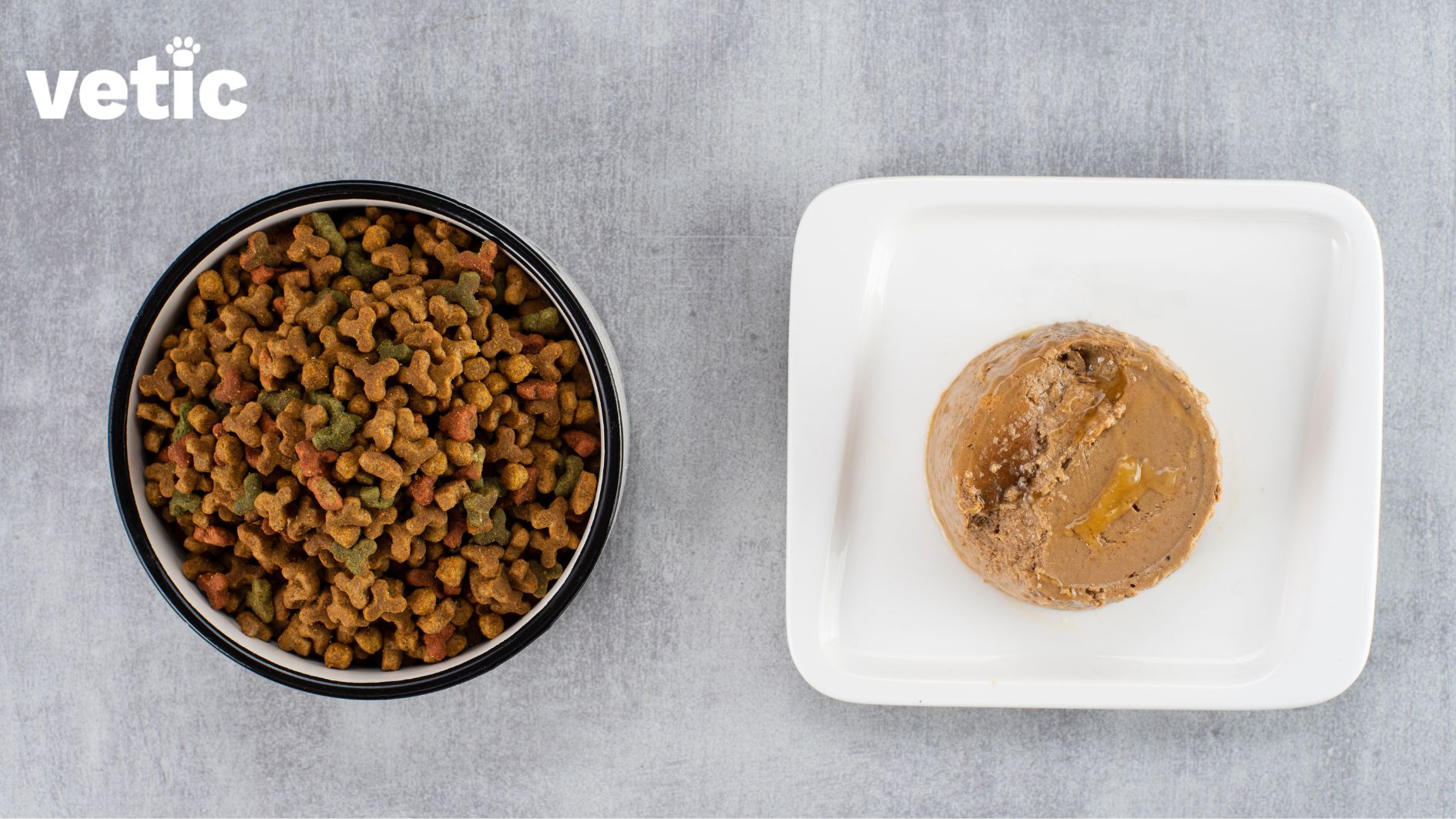
Mixing wet and dry cat food offers balanced nutrition and enhances flavor variety for adult cats. Combine small portions of both to ensure hydration and dental health. Adjust the mix based on your cat's preferences and dietary needs.
Mixing wet and dry cat food can offer a variety of benefits for your feline friend, enhancing not only their nutrition but also their dining experience. Cats are known for their finicky eating habits, and offering a blend can stimulate their appetite while ensuring they receive a balanced diet. This approach can help cater to their health needs and taste preferences, making mealtime more enjoyable for both you and your pet.
Enhances Hydration
Wet food provides essential moisture, aiding in hydration, especially for cats who don't drink water frequently. This can be particularly beneficial for older cats or those with kidney issues. Imagine the relief of knowing your cat is better hydrated through their diet.
Improves Dental Health
Dry food can help maintain your cat’s dental health by reducing plaque buildup. The crunchy texture acts like a toothbrush, cleaning their teeth as they chew. Isn't it comforting to know that while your cat enjoys their meal, they’re also keeping their teeth clean?
Balanced Nutrition
Combining wet and dry food can ensure your cat receives a balanced diet. Dry food often contains more carbohydrates, while wet food is typically richer in protein. By mixing both, you provide a diverse array of nutrients that cater to their specific dietary needs.
Variety And Taste
Cats can be picky eaters, and mixing food types offers variety. This can make mealtime exciting, preventing them from getting bored with a single type of food. Have you noticed your cat turning up their nose at the same old kibble? Mixing it up might be the key to their heart.
Weight Management
Wet food is generally lower in calories compared to dry food, making it easier to manage your cat's weight. By carefully balancing portions, you can maintain a healthy weight without sacrificing flavor. Can you imagine the satisfaction of watching your cat enjoy their food while staying fit?
Cost Effective
Mixing wet and dry food can be economical. Dry food is often less expensive, while wet food can be used as a supplement to save costs. Who doesn't love a strategy that supports your cat's health while keeping your budget in check?
Personal Experience
I started mixing food for my cat, Whiskers, after noticing he was bored with his dry kibble. He now rushes to his bowl, excited for mealtime, and his coat has never looked shinier. Could this simple change transform your cat's mealtime and health?

Credit: www.amazon.com
Choosing The Right Wet And Dry Food
Mixing wet and dry food for adult cats ensures balanced nutrition. Start by blending small amounts of each. Gradually adjust until you find the right taste and texture your cat enjoys.
Choosing the right wet and dry food for your adult cat is crucial. It impacts their health and happiness. Balancing nutrition between wet and dry options can be tricky. It requires understanding your cat's dietary needs and ingredient quality. This guide will help you navigate this important decision.
Nutritional Needs Of Adult Cats
Adult cats need proteins and fats for energy. They require taurine for heart health. Vitamins and minerals support their immune system. Omega fatty acids keep their coat shiny. Water is essential for hydration. Wet food often provides this moisture. Dry food offers dental benefits. Together, they create a balanced diet.
Quality Ingredients To Look For
Choose food with real meat as the first ingredient. Avoid fillers like corn or soy. Look for whole grains and vegetables. Check for added vitamins and minerals. Avoid artificial colors and preservatives. Natural ingredients are best for health. Read labels carefully to ensure quality.
Balancing Wet And Dry Food Ratios
Mixing wet and dry food for adult cats requires careful balance. Ensure each meal provides proper hydration from wet food while maintaining crunch from dry kibble. Adjust proportions based on your cat's preference and nutritional needs.
Balancing wet and dry food ratios for your cat is important. It ensures your cat receives essential nutrients. Both wet and dry foods offer unique benefits. Wet food provides hydration. Dry food helps maintain dental health. Finding the right balance can improve your cat's health. Each cat has its own needs. Adjusting the ratio can support their specific requirements.
Recommended Ratios For Optimal Health
Veterinarians often suggest a balanced approach. A common recommendation is 50% wet and 50% dry food. This split helps in achieving a balanced diet. Wet food increases moisture intake. Dry food provides necessary crunch and fiber. This ratio can promote overall well-being.
Factors Influencing Ratio Decisions
Your cat's age may influence food ratios. Older cats might need more wet food. This helps with hydration and kidney health. Activity level also plays a role. Active cats may benefit from more dry food. It provides energy-dense calories. Health conditions are crucial too. Cats with dental issues might prefer wet food. Allergies can dictate food choices as well. Always consider your cat's preferences. Some cats have strong food preferences. Observing and adjusting can ensure satisfaction and health.

Credit: www.amazon.com
Tips For Transitioning Your Cat's Diet
Gradually mix wet and dry food to ease your cat's transition. Start with small amounts of wet food. Slowly increase the wet food over a week. Always ensure fresh water is available. This helps your cat adjust to the new diet without digestive issues.
Transitioning your cat's diet to include both wet and dry food can enhance their nutrition and hydration. However, cats can be creatures of habit, and sudden changes can upset their routine and even their stomach. Taking a gradual approach ensures a smoother transition and helps your feline friend adjust to their new diet without stress. Here are some actionable tips to help you make this change effectively and safely.
Gradual Introduction Techniques
Start by mixing a small amount of wet food into your cat's usual dry food. A ratio of 10% wet to 90% dry is a good beginning. This allows your cat to get accustomed to the new texture and flavor. Increase the proportion of wet food slowly over a week or two. Aim for a 50/50 mix eventually, or whatever balance suits your cat's preference and nutritional needs. Your cat's acceptance of the mix will guide you on how fast you can change the proportions. Make the transition process a positive experience. Offer praise and maybe a gentle pet when they try the new mix. Your encouragement can help them feel more comfortable with the change.
Monitoring Your Cat's Response
Observe your cat closely during the transition period. Is your cat eating more eagerly or hesitantly? Changes in eating habits can provide clues about their acceptance of the new mix. Watch for any digestive issues like vomiting or diarrhea. If these occur, slow down the transition or consult your vet. Your cat's health is the top priority. Notice any changes in your cat’s energy levels or coat condition. A balanced diet should improve both, so if you see a positive difference, you're on the right track. If not, adjustments might be necessary. Transitioning your cat's diet requires patience and observation. Have you tried mixing wet and dry food before? What challenges did you face, and how did your cat respond? Share your experience in the comments below!
Creating A Feeding Schedule
Creating a feeding schedule for your adult cat can ensure balanced nutrition. Cats thrive on routine, and mixing wet and dry food can be beneficial. A structured plan helps manage portions and meet dietary needs. It also keeps your cat's eating habits healthy and predictable.
Frequency Of Meals
Adult cats usually need two meals a day. Morning and evening meals work well. This routine mimics natural hunting times. Consistency helps their digestive system stay regular. Some cats might prefer three smaller meals. Observe your cat's behavior to decide. Adjust meal frequency if necessary.
Portion Control Strategies
Portion control is crucial for maintaining a healthy weight. Measure both wet and dry food to avoid overfeeding. Use a kitchen scale for accuracy. Wet food typically contains more moisture and fewer calories. Dry food is calorie-dense. Find the right balance based on your cat's activity level. Monitor weight regularly. Adjust portions if weight changes occur.
Common Mistakes To Avoid
Mixing wet and dry food for adult cats can lead to mistakes like improper portion sizes and nutrient imbalance. Ensure a balanced diet by checking food labels for nutritional content and adjusting portions accordingly. Avoid abrupt changes in diet to prevent digestive issues and monitor your cat's health closely.
Mixing wet and dry food for your adult cat can be a great way to provide balanced nutrition while keeping their meals interesting. However, there are common mistakes that many cat owners make during this process. Being aware of these pitfalls can help ensure your cat maintains a healthy diet and enjoys their meals to the fullest.
Overfeeding Risks
When you mix wet and dry food, it’s easy to lose track of portion sizes. Each type of food has different caloric density. This means feeding the same volume of wet food compared to dry can lead to overfeeding. A friend of mine learned this the hard way. Her cat started gaining weight because she was serving equal portions of wet and dry food, thinking it balanced out. To avoid this, check the feeding guidelines on the packaging. Adjust the amounts based on your cat’s activity level. Remember, a well-fed cat is not necessarily a healthy cat if they’re overweight.
Ignoring Hydration Needs
Cats often don’t drink enough water. Wet food is a great way to help them stay hydrated. However, mixing it with dry food might lead you to overlook their hydration needs. Dry food has less moisture content, so it’s essential to ensure your cat still drinks water regularly. A friend mentioned her cat was getting constipated. This was due to insufficient water intake when she switched up her feeding routine. Consider adding a water fountain for your cat. You’ll encourage them to drink more often. Ask yourself, is your cat drinking enough? If not, wet food alone won’t make up the difference. These are just a couple of mistakes to look out for. By keeping these in mind, you can ensure your cat's diet is both nutritious and enjoyable. How do you plan to adjust your feeding routine to avoid these common pitfalls?
Expert Tips For Picky Eaters
Cats can be picky eaters, making mealtime a challenge for many pet owners. Mixing wet and dry food offers a solution for these finicky felines. This approach provides balanced nutrition and can entice even the most selective eaters. With the right techniques, you can make every meal enjoyable for your adult cat.
Enhancing Palatability
Start by slowly introducing wet food into your cat's diet. Mix a small amount with their dry kibble. Gradually increase the wet food portion over time. This helps your cat adjust to the new texture and flavor. Choose high-quality wet foods with real meat ingredients. Cats are often drawn to natural flavors and aromas. Warming the wet food slightly can also enhance its scent. This makes it more appealing to your cat's senses.
Encouraging Variety
Offering a mix of wet and dry foods can prevent boredom at mealtime. Rotate different flavors and types of wet food regularly. This keeps your cat interested and engaged. It also ensures they receive a range of nutrients from different sources. Be mindful of your cat's preferences and dietary needs. Some cats may prefer fish-based foods, while others enjoy poultry. Pay attention to their reactions and adjust accordingly.
Monitoring Your Cat's Health
Mixing wet and dry food for adult cats ensures balanced nutrition. Start by combining small portions of each type. Gradually adjust proportions to suit your cat's preferences and dietary needs.
Ensuring your cat enjoys a healthy, balanced diet is crucial when mixing wet and dry food. It's not just about keeping their tummies full; it's about nourishing them for a long, healthy life. Observing your cat's health closely can help you adjust their diet as needed.
Signs Of A Well-balanced Diet
A healthy cat is often a happy one. Look for signs like a shiny coat, bright eyes, and steady weight. These indicate that your cat's diet is meeting their nutritional needs. Energy levels are another telltale sign. Is your cat playful and active, or do they seem lethargic? A well-balanced diet should keep them energetic and engaged. Pay attention to their litter box habits. Regular bowel movements and normal stool consistency suggest a good balance of wet and dry food.
When To Consult A Veterinarian
Sometimes, even with the best intentions, your cat's health may signal dietary issues. If you notice persistent weight changes, it's time to seek professional advice. Unusual behavior can also be a red flag. If your cat suddenly loses interest in eating or becomes unusually aggressive, consult your vet. Skin issues or digestive problems shouldn't be ignored. These can often be signs that the current food mix isn't working for your cat. Monitoring your cat's health isn't just about observation; it's about being proactive. Regular check-ups with your vet can prevent potential health issues. Wouldn't you want to catch any problems before they escalate? Personal experience taught me this crucial lesson. My cat, Luna, became less active one summer. A quick vet visit revealed she needed more protein. Adjusting her food mix brought her back to her playful self. Always remember: you're not just feeding your cat; you're nurturing their well-being. Keep an eye on their health, and don't hesitate to reach out for expert help when needed.
Frequently Asked Questions
How Do I Mix Wet And Dry Cat Food?
Mixing wet and dry cat food is simple. Start by combining equal portions. Gradually adjust based on your cat's preference. Ensure the food is fresh and stored properly. Mixing provides balanced nutrition and variety. Monitor your cat's reaction for any digestive issues.
Is Mixing Wet And Dry Food Good For Cats?
Yes, mixing wet and dry food benefits cats. It offers balanced nutrition and hydration. Wet food aids digestion, while dry food helps dental health. This combination caters to varied dietary needs. Ensure your cat enjoys and tolerates the mixed diet well.
How Much Wet And Dry Food To Mix?
The quantity depends on your cat's age and activity level. Start with equal portions, then adjust based on weight and health. Consult a vet for personalized advice. Monitor your cat's weight and energy to find the ideal balance. Regularly reassess their dietary needs.
Can Mixing Food Cause Digestive Problems?
Mixing food rarely causes digestive issues. Introduce new foods gradually to prevent upset stomachs. Observe your cat's reaction and adjust if necessary. If digestive problems persist, consult a veterinarian for advice. Proper mixing and storage can help maintain digestive health.
Conclusion
Mixing wet and dry food for your cat offers many benefits. It provides balanced nutrition and keeps meals interesting. Start with small portions and adjust based on your cat's preference. Monitor their health and weight regularly. Always choose quality food brands to ensure your cat's well-being.
Mixing food can encourage hydration and better digestion. Every cat is unique, so observe and adapt to their needs. This approach helps cater to their taste and health requirements. Remember, consistency in feeding routine helps maintain their health. Enjoy watching your cat thrive with a varied diet!