Feeding your cat the right amount of food is crucial for their health and happiness. But how much is too much, and how little is too little?
As a pet owner, you want the best for your furry friend, and understanding their dietary needs is a big part of that. If you've ever found yourself standing in the pet supplies aisle, overwhelmed by the endless options and unsure of what your cat really needs, you're not alone.
This guide will help you navigate those choices with ease. You'll discover simple tips and insights that will ensure your cat is well-fed and thriving. Stick around to learn how to keep your cat healthy and satisfied, without the stress.
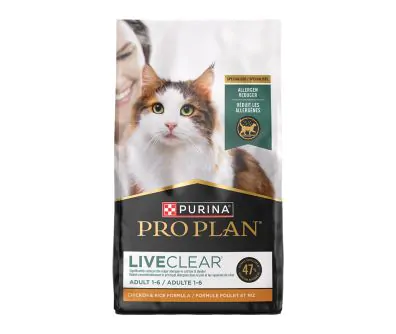
Credit: www.proplanvetdirect.com
Feeding Guidelines
Cats need specific amounts of food based on weight and age. Check pet food labels for precise portions. Regularly adjust portions to maintain a healthy weight.
Feeding your cat the right amount of food is crucial for their health and happiness. But how much is enough? Understanding feeding guidelines can help keep your feline friend in tip-top shape. It's not just about filling their bowl; it's about knowing what's best for their specific needs.
Determining Portion Sizes
Finding the right portion size can seem like a guessing game. A good starting point is to check the label on your cat's food. Most brands offer recommended serving sizes based on your cat's weight and age. However, your cat may not fit the average profile. You might need to adjust the portion size if they still seem hungry or leave food behind. Remember, it's easier to add a little more food than to deal with an overweight cat.
Age And Weight Considerations
Kittens have different nutritional needs compared to adults or senior cats. Younger cats need more calories and nutrients for growth. On the other hand, older cats may require fewer calories due to a slower metabolism. Weight also plays a big role. A heavier cat may need more food to maintain their weight, but not if they're overweight. Consulting with your vet can provide personalized advice for your cat's specific needs.
Activity Level Impact
Is your cat a lazy lounger or a playful pouncer? Their activity level can drastically change how much they should eat. Active cats burn more calories and might need more food to keep up their energy levels. If your cat spends most of the day snoozing, they might require less food. Overfeeding a sedentary cat can lead to obesity and health issues. Observing your cat's behavior can offer clues about their dietary needs. Have you ever noticed your cat begging for more food after a day of play? Adjust their feeding plan accordingly. It's all about finding the balance that suits your cat's lifestyle.

Credit: www.amazon.com
Nutritional Needs
Cats need balanced nutrition for health. Feed them the right portion based on age, weight, and activity level. Consult pet supply labels for guidance and adjust as needed.
Understanding your cat's nutritional needs is crucial to ensuring they lead a healthy and happy life. Just like humans, cats require a balanced diet to thrive. This means providing the right mix of proteins, vitamins, minerals, and hydration. You may wonder if you're feeding your cat the right amount and the right kind of food. Let’s break down what you need to know about meeting your cat's nutritional requirements.
Protein Requirements
Cats are obligate carnivores, which means they need a diet rich in protein. Unlike dogs or humans, their bodies are designed to process animal proteins effectively. Protein supports muscle growth, immune function, and overall energy levels. Choose cat food that lists real meat as the first ingredient. Look for options that offer a high percentage of protein. Check the label—aim for at least 30% protein content. Have you noticed your cat getting sluggish? It might be time to assess their protein intake.
Vitamins And Minerals
Vitamins and minerals are the unsung heroes of your cat's diet. They support everything from bone health to skin condition. Essential nutrients like taurine, vitamin A, and calcium are non-negotiable. Consider the role of taurine, an amino acid vital for heart and eye health. Cats can't produce it on their own, so it must come from their diet. You can find it in most high-quality commercial cat foods. Are you ensuring your cat gets a well-rounded diet rich in these essentials?
Hydration Importance
Hydration is often overlooked but is a key component of your cat's diet. Cats tend to drink less water than they should, which can lead to urinary and kidney issues. Wet food can be a great way to boost their water intake. If your cat primarily eats dry kibble, make sure fresh water is always available. Consider adding a cat water fountain to encourage more drinking. Have you ever thought about how important water is to your cat's health? By understanding your cat's specific nutritional needs, you can make more informed decisions about their diet. Pay attention to what goes into their food bowl, and you'll help them lead a healthier, happier life.
Types Of Cat Food
Understanding the types of cat food is crucial for your feline's health. Different cats have different needs. Food choice can impact their energy and well-being. It's essential to know the benefits of each type. Let's dive into the options available.
Dry Food Benefits
Dry food is convenient and easy to store. It has a long shelf life. Many cats enjoy its crunchy texture. It helps to keep their teeth clean. It's also cost-effective for most owners. Always ensure fresh water is available.
Wet Food Advantages
Wet food is high in moisture content. This helps keep your cat hydrated. It often contains higher protein levels. Cats find it more palatable and appetizing. It's beneficial for cats with urinary issues. Store leftovers in the refrigerator.
Raw Diet Options
A raw diet mimics a cat's natural prey. It includes uncooked meats and bones. This diet can provide more nutrients. Some owners believe it boosts energy and coat health. Consult a vet before trying a raw diet. Safety and balance are crucial.
Feeding Schedule
Creating a feeding schedule for your cat is essential for its health. A consistent schedule helps maintain your cat's metabolism and energy levels. It also supports healthy digestion and weight management. Knowing how much and when to feed your cat can be challenging. Consider the frequency of meals, establishing a routine, and adjusting for life stages.
Frequency Of Meals
Cats often prefer small, frequent meals throughout the day. Aim to feed your cat two to three times daily. This mimics their natural hunting patterns. Breakfast, lunch, and dinner are ideal times. Avoid feeding only once a day. This can lead to overeating or digestive issues. Consistent meal times help regulate appetite and prevent obesity.
Establishing Routine
A routine provides comfort and security for cats. Feed your cat at the same times each day. Use a specific spot for feeding. This helps your cat know when to expect food. Consistency reduces anxiety and behavioral problems. Measure portions accurately to avoid overfeeding. A routine also helps you track your cat's eating habits. This can indicate health issues early.
Adjusting For Life Stages
Cats have different nutritional needs at each life stage. Kittens require more calories for growth. Feed them four times daily until six months old. Adult cats need fewer calories. Adjust portions based on activity level and weight. Senior cats may need more frequent, smaller meals. They may also require special diets. Consult with a vet to meet your cat’s specific needs. Adjust the feeding schedule as your cat ages. This ensures optimal health and well-being.
Common Feeding Mistakes
Determining how much to feed a cat can be challenging. Overfeeding leads to obesity, while underfeeding causes malnutrition. It's crucial to follow feeding guidelines on pet food labels and consult a vet for personalized advice. Proper portion control ensures a healthy weight and a happy cat.
Feeding your cat the right amount is crucial. Mistakes in feeding can lead to health issues. Understanding common feeding mistakes can help you avoid them. Let's explore these mistakes to ensure your cat stays healthy and happy.
Overfeeding Risks
Overfeeding is a common mistake many cat owners make. Cats can gain weight quickly. Obesity leads to health problems like diabetes and arthritis. It also shortens a cat's lifespan. Portion control is essential. Use a measuring cup for accuracy. Always follow the feeding guidelines on the food label.
Underfeeding Consequences
Underfeeding your cat can be just as harmful. Cats need proper nutrition to thrive. Insufficient food leads to malnutrition and weakness. It can cause a lack of energy and poor coat condition. Monitor your cat's weight regularly. Adjust portions if your cat is losing weight.
Inappropriate Treats
Treats are fun, but choose them wisely. Some treats are high in calories. They can contribute to weight gain. Avoid giving human food as treats. Many human foods are unsafe for cats. Stick to cat-specific treats and offer them in moderation. Always check the ingredients for harmful substances.
Monitoring Cat Health
Ensuring proper cat nutrition involves understanding how much to feed them. Different cats need different amounts of food. Factors like age, weight, and activity level matter. Choose high-quality pet supplies to support your cat's health. Regularly monitor their weight to adjust portions as needed.
Monitoring your cat's health is an essential part of ensuring they live a long and happy life. The amount of food you give your cat can directly impact their overall well-being. By paying close attention to certain key factors, you can make informed decisions about their diet and health.
Weight Management
Keeping an eye on your cat's weight is crucial. It helps you adjust their diet to prevent obesity or underweight issues. Use a simple scale to weigh your cat regularly and note any significant changes. If you notice your cat gaining weight, consider reducing the portion sizes. Conversely, if they're losing weight, you might need to add a bit more to their meals. A balanced weight contributes to better energy levels and reduces the risk of health problems like diabetes.
Signs Of Nutritional Deficiency
Nutritional deficiencies can manifest in various ways, affecting your cat’s coat, energy, and overall demeanor. Dull fur or excessive shedding might indicate a lack of essential fatty acids. Watch for unusual behaviors such as lethargy or a sudden drop in activity levels. This could signal a lack of important vitamins or minerals. If you observe these signs, it might be time to reevaluate your cat's diet and possibly introduce new nutrients.
Regular Vet Check-ups
Routine vet visits are indispensable for monitoring your cat's health. They provide professional insights into your cat's dietary needs and overall wellness. Vets can spot issues that might not be visible to you. They can also offer advice on the best feeding practices based on your cat's specific needs. Regular check-ups can prevent potential health issues from escalating, ensuring your cat stays healthy and happy. Have you ever noticed changes in your cat's behavior or appearance that concerned you? Paying close attention to these aspects can make a significant difference in their life quality. Monitoring your cat's health isn't just about feeding them; it's about ensuring every meal contributes to their well-being.

Credit: www.vets4pets.com
Frequently Asked Questions
How Often Should I Feed My Cat?
Cats typically require two meals per day, once in the morning and once at night. Consistent meal times help regulate their metabolism. Young kittens may need more frequent feedings. Always consult your veterinarian for personalized feeding advice based on your cat's age, weight, and health.
What Is The Ideal Portion Size For A Cat?
The ideal portion size depends on your cat's weight and activity level. Generally, cats need 20 calories per pound. Always check the packaging for feeding guidelines. Adjust portions if your cat gains or loses weight. Consult your vet for personalized advice to ensure your cat maintains a healthy weight.
Can I Feed My Cat Only Dry Food?
Yes, you can feed your cat only dry food, but ensure it's high-quality. Dry food can be convenient and helps dental health. However, some cats may benefit from added wet food for hydration. Consult your vet to determine the best diet plan for your cat's specific needs.
Should I Change My Cat's Diet As They Age?
Yes, cats' nutritional needs change with age. Senior cats may require food with fewer calories and more fiber. Always transition diets gradually to avoid stomach upset. Consult your veterinarian to choose the right food for your aging cat's health and lifestyle requirements.
Conclusion
Feeding your cat requires attention and care. Every cat is unique. Monitor their health and weight. Adjust portions as needed. Consult your vet regularly. Choose quality pet supplies. Keep fresh water available. Avoid overfeeding. Obesity harms cats. Balanced diet supports their energy and mood.
Cats thrive with routine. Establish feeding times. Observe their behavior. Happy cats show it. Nourishment affects their well-being. Healthy cats lead joyful lives. Prioritize their dietary needs. Ensure they get nutrients. Your cat's health matters. Make informed feeding choices. Keep them active and engaged.
Love them through their meals.