Are you curious about what your cat truly needs to thrive? Ensuring your feline friend has the right diet is crucial for their health and happiness.
But with so many pet food options out there, how do you know what's best? Understanding the nutritional requirements for a cat can make a world of difference in their well-being. You're about to discover the essential nutrients your cat requires to stay energetic, playful, and healthy.
Dive into this guide and unlock the secrets of optimal feline nutrition. Your cat deserves the best, and so do you!
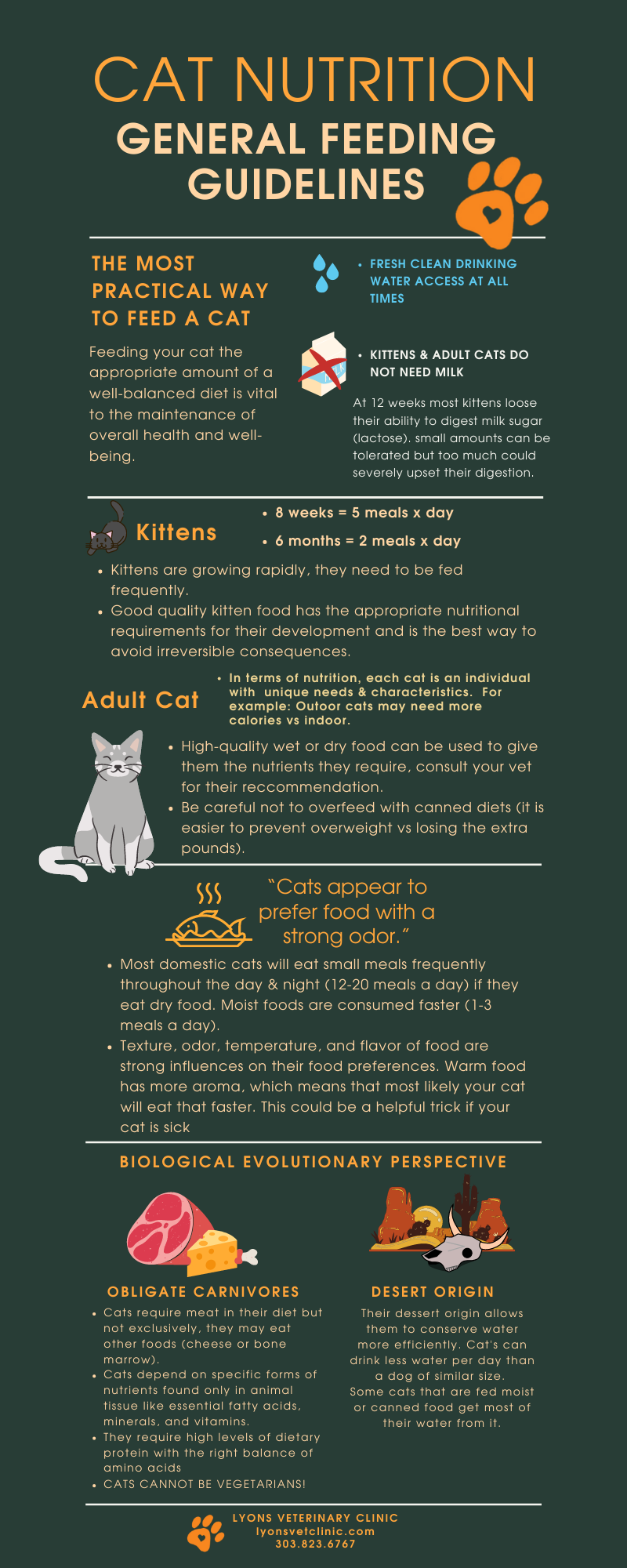
Credit: www.lyonsvetclinic.com
Basic Nutrients For Cats
Cats need protein, fat, and vitamins to stay healthy. Protein helps build muscles. Fat gives them energy. Vitamins support their immune system. These nutrients are essential for their overall well-being.
Cats need specific nutrients to stay healthy and active. These basic nutrients include proteins, fats, carbohydrates, and fiber. Each plays a vital role in your cat's overall well-being. Understanding these nutrients helps in providing a balanced diet.
Proteins And Amino Acids
Proteins are crucial for cats. They help in tissue building and repair. Cats are obligate carnivores, needing meat for essential amino acids. Taurine is one vital amino acid. Lack of taurine can lead to heart problems. Ensure your cat's diet is rich in animal proteins. Fish, chicken, and beef are excellent sources.
Fats And Fatty Acids
Fats provide energy. They help in vitamin absorption and skin health. Cats need specific fatty acids. Omega-3 and Omega-6 are essential for them. These promote a shiny coat and healthy skin. Fish oil and chicken fat are good sources. Ensure a balanced fat intake for optimal health.
Carbohydrates And Fiber
Cats have low carbohydrate needs. Yet, carbs can be a quick energy source. Fiber aids digestion and prevents hairballs. Some fiber in the diet can help with weight control. Ensure the fiber is from quality sources. Vegetables and grains can offer good fiber. Always consult a vet for the right balance.

Credit: todaysveterinarypractice.com
Vitamins And Minerals
Cats need a balanced diet of vitamins and minerals for good health. Essential nutrients like Vitamin A, Vitamin D, and calcium support growth and bone strength. Iron and zinc help maintain energy and a healthy coat. Ensure your cat’s food meets these nutritional needs for their well-being.
Cats need a balanced diet to stay healthy and active. Among the key components, vitamins and minerals play a crucial role. They support growth, immune function, and overall health. These nutrients are vital for a cat's well-being.
Essential Vitamins
Vitamins are organic compounds necessary for cats. Vitamin A is crucial for vision and skin health. It also supports the immune system. Cats cannot convert beta-carotene to Vitamin A. They must get it from animal sources. Vitamin D is vital for strong bones. It helps in calcium absorption. Cats need it to maintain healthy bones and teeth. Vitamin E acts as an antioxidant. It protects cells from damage. Vitamin K is important for blood clotting. It ensures wounds heal properly. B Vitamins are essential too. They support energy production. They also help in metabolism and maintain the nervous system. B1 (Thiamine) is critical for carbohydrate metabolism. B2 (Riboflavin) aids in energy production. B3 (Niacin) is important for skin health.
Key Minerals
Minerals are inorganic elements. They are essential for various bodily functions. Calcium and phosphorus are vital for bones and teeth. They also play a role in muscle function. Cats need a balanced ratio of these minerals. Magnesium supports nerve and muscle function. It also helps in energy production. Potassium is crucial for muscle and nerve function. It maintains fluid balance in the body. Sodium and chloride are essential too. They support nerve impulses and hydration. Iron is necessary for oxygen transport in the blood. It prevents anemia and supports energy production. Zinc supports skin health and the immune system. It also aids in healing wounds. Selenium is an antioxidant. It protects cells from damage and supports the immune system.
Hydration Needs
Cats need proper hydration for good health. Water aids digestion and nutrient absorption. Ensure fresh water is always accessible.
Cats, just like humans, need proper hydration to thrive. While you might often see your feline friend lapping up water from their bowl, they have unique hydration needs that go beyond just drinking water. Understanding these needs ensures your cat stays healthy and vibrant.
Water Sources
Cats can be finicky drinkers. While a fresh bowl of water is essential, it's not their only source of hydration. Cats also get water from their food. Wet cat food, for instance, contains up to 78% water, which significantly contributes to their daily fluid intake. You might notice your cat showing more interest in running water. A pet fountain can be an excellent way to entice them to drink more. These simple tweaks can ensure your cat stays hydrated without much fuss.
Signs Of Dehydration
Recognizing dehydration in cats is crucial. Dry gums, sunken eyes, or lethargy might be subtle indicators that your cat isn't getting enough water. If you gently pinch your cat's skin and it doesn't quickly return to its original position, it might be a sign of dehydration. Imagine your cat is more lethargic than usual. Could it be due to dehydration? Regularly checking these signs can help you intervene early, ensuring your cat remains active and healthy. Keeping your cat hydrated is more than just filling a water bowl. It's about being observant and proactive. How do you make sure your cat drinks enough water? Could a small change make a big difference in their hydration levels?
Special Dietary Considerations
Cats have unique nutritional needs that change with age, health, and lifestyle. These special dietary considerations ensure your feline friend stays healthy and happy. Understanding these needs helps you make informed choices about their diet. Let's explore how age and health affect a cat's diet.
Age And Life Stage
Kittens need more energy and nutrients than adult cats. Their growing bodies require high-quality protein and fat. These nutrients support their rapid growth and development. Senior cats, on the other hand, often need fewer calories. They may benefit from diets that support joint health and kidney function. Always choose a diet that matches your cat's life stage.
Health Conditions
Cats with specific health issues may need special diets. Overweight cats often require lower-calorie food to help them slim down. Cats with kidney disease need diets low in phosphorus and sodium. Allergies might require hypoallergenic or limited ingredient diets. Always consult your vet for dietary advice tailored to your cat's health needs.
Choosing Cat Food
Cats need a balanced diet with proteins, fats, and carbohydrates. Proteins support their muscles and tissues. Fats provide energy and help absorb vitamins. Carbohydrates offer an additional energy source. Ensure the food meets these needs for a healthy cat.
Choosing the right food for your cat is essential for their health. Cats need balanced nutrition to stay active and happy. Picking the right food can seem overwhelming. There are many options available. Understanding what your cat needs will help make the decision easier.
Wet Vs. Dry Food
Wet food provides moisture, helping with hydration. It mimics a cat's natural diet. Cats often find wet food tastier. Wet food has fewer carbohydrates than dry food. Dry food is convenient and easier to store. It helps with dental health by reducing tartar. Dry food is usually less expensive. Both types have their benefits. Choosing depends on your cat's needs.
Reading Labels
Labels show what ingredients are in the food. Look for high-quality protein sources. Cats need protein for energy and muscle growth. Check for added vitamins and minerals. These support your cat's overall health. Avoid foods with too many fillers. Fillers have little nutritional value. Labels also show serving sizes. Follow these to ensure your cat gets enough food.
Homemade Diets
Cats need a balanced homemade diet for optimal health. Key nutrients include protein, amino acids, fatty acids, vitamins, and minerals. Taurine is crucial for heart and eye health. Ensure fresh water is always available.
Feeding your cat a homemade diet can be an appealing option for many pet owners. You might think it allows you greater control over what your feline friend consumes. You can choose fresh ingredients and potentially avoid preservatives found in commercial cat food. However, crafting a nutritionally complete meal for your cat at home is no small feat.
Benefits And Risks
Creating a homemade diet can offer some significant benefits. You have the flexibility to select high-quality ingredients, which could potentially improve your cat's health and coat condition. It allows you to cater to any specific dietary needs or allergies your cat may have. However, homemade diets come with risks. Without proper knowledge, you might miss essential nutrients. Cats need specific vitamins and minerals, like taurine, which, if lacking, can lead to severe health issues. Are you prepared to research and ensure every meal is balanced?
Nutritional Balance
Achieving the right nutritional balance is crucial in homemade diets. Cats are obligate carnivores, meaning they need a diet rich in animal proteins. A meal lacking in protein can lead to muscle wasting and other health concerns. Essential fatty acids, vitamins, and minerals are also critical. Consider using a supplement to guarantee your cat receives nutrients like taurine and vitamin E. Have you consulted with a veterinarian or a pet nutritionist to ensure your cat's diet meets all their needs? Crafting a homemade diet isn't just about tossing some meat into a bowl. It involves careful planning and commitment to your cat's health. Are you ready to take on this responsibility for your feline companion's well-being?
Feeding Frequency
Understanding the feeding frequency for your cat is crucial. It ensures their health and happiness. Cats have specific nutritional needs. These needs depend on their age and lifestyle. Feeding frequency plays a major role in meeting these needs. It impacts their energy levels and overall well-being. Let's delve into meal timing and portion sizes.
Meal Timing
Cats are natural hunters. They eat several small meals daily. Mimicking this pattern is beneficial. Feed your cat twice a day at least. Some cats prefer more frequent meals. Establish a consistent schedule. Consistency helps with digestion and mood. Morning and evening feeding is common.
Portion Sizes
Portion sizes depend on the cat's age and weight. Young kittens need more food. Adult cats require balanced portions. Overfeeding leads to obesity. Underfeeding causes nutritional deficiencies. Measure food using a scale. Consult a vet for precise portion advice. Adjust portions based on activity level. Keep an eye on your cat's weight.
Credit: perfectlyrawsome.com
Common Feeding Mistakes
Cats need balanced diets to thrive. Protein is vital for muscle development. Vitamins and minerals are essential for overall health. Avoid feeding mistakes by understanding what they require.
Feeding your cat seems straightforward, but did you know there are common mistakes that can affect their health? It's easy to misjudge their needs, especially if they seem hungry. Ensuring your cat receives proper nutrition is crucial, but sometimes we unknowingly make errors.
Overfeeding
Overfeeding is more common than you might think. Cats can be persuasive when they want more food, with their cute meows and pleading eyes. However, giving in too often can lead to obesity. A plump cat might look adorable, but extra weight can shorten their lifespan and lead to health issues like diabetes. Think about how much you feed your cat. Are you measuring portions or just filling up the bowl? It might be time to reassess.
Inadequate Nutrition
On the flip side, inadequate nutrition can be just as harmful. Many cat owners mistakenly believe that all cat foods are equal. But not all cat food provides the essential nutrients your cat needs. Have you checked the labels on your cat food? Ensure it contains taurine, essential fatty acids, and the right balance of proteins. A lack of these can affect your cat's health, from dull fur to lethargy. Consider visiting your vet to discuss your cat's specific dietary needs. They can recommend brands or types of food that fit your cat's lifestyle and health requirements. Are you guilty of any of these common feeding mistakes? Reflect on your feeding habits and make changes that benefit your furry friend's health.
Frequently Asked Questions
What Do Cats Need In Their Diet?
Cats require a balanced diet with proteins, fats, vitamins, and minerals. Protein is crucial for their growth and energy. Fats provide essential fatty acids, while vitamins and minerals support overall health. Cats also need taurine, an amino acid found in animal-based proteins, for heart and eye health.
How Much Protein Should Cats Consume?
Cats are obligate carnivores and need high protein diets. Typically, a cat's diet should consist of about 30-40% protein. Protein supports muscle growth, repair, and energy. Animal-based proteins are ideal, as they contain essential amino acids that cats cannot produce themselves.
Do Cats Need Carbohydrates In Their Diet?
Cats do not need carbohydrates as a primary energy source. They derive energy primarily from proteins and fats. Although some carbs can be included in their diet, they should be minimal. Excess carbohydrates can lead to obesity and other health issues in cats.
Why Is Taurine Essential For Cats?
Taurine is vital for maintaining a cat's heart and eye health. Cats cannot produce taurine naturally, so it must be included in their diet. Deficiency can lead to serious health problems like heart disease and vision issues. Taurine is found in animal-based proteins, making them crucial for cats.
Conclusion
Cats need balanced nutrition for a healthy life. Protein is vital for their muscles and energy. Fat provides essential acids and keeps their coat shiny. Carbohydrates give them quick energy boosts. Vitamins and minerals support their immune system and bones.
Water ensures proper hydration and organ function. Every cat is unique, so consult a vet for tailored advice. Meeting these needs helps your cat stay active and happy. A balanced diet is key to their well-being. Prioritize their health through informed dietary choices.
Your cat deserves the best care.