As a cat owner, you want nothing but the best for your feline friend. But when it comes to their diet, things can get a little confusing.
How many calories does your cat really need? With so many pet supplies available, it’s easy to feel overwhelmed. Is your cat getting enough nutrients, or are you unknowingly overfeeding them? Understanding your cat's caloric needs is not just about keeping them in shape, but it's crucial for their overall health and happiness.
We'll simplify the mystery of cat calories, so you can make informed choices that your furry companion will purr about. Stay with us and discover how easy it is to keep your cat both fit and delighted!

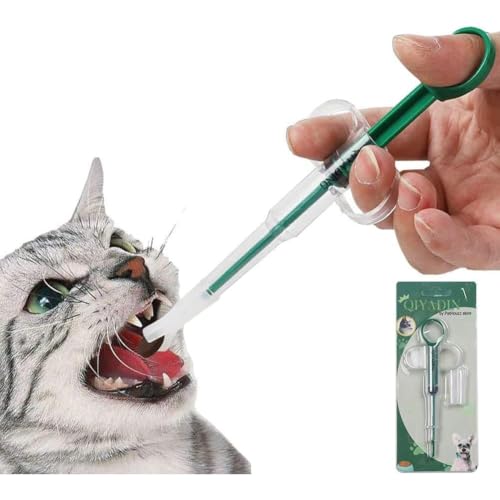
Credit: www.walmart.com
Caloric Needs Of Cats
Cats need about 20 calories per pound of body weight daily. Age, activity level, and health affect their caloric needs. Ensuring your cat receives the right amount helps maintain a healthy weight.
Cats are unique creatures with their own set of dietary needs. Understanding the caloric needs of your feline friend can be a bit of a puzzle. It's not just about keeping the food bowl full; it's about ensuring they have the right energy to stay active and healthy. But how do you figure out just how many calories your cat needs each day? The answer lies in considering several factors, from age to activity level and even their health status.
Factors Influencing Caloric Intake
Have you ever noticed that some cats seem to eat constantly and never gain a pound, while others are more like couch potatoes? Cats, much like humans, have varying metabolic rates. This means that even if two cats are the same size, one might require more calories than the other. Environmental factors also play a role. An indoor cat might need fewer calories than a cat that spends the day chasing squirrels outside. Understanding your cat’s lifestyle and environment is key to determining their caloric intake.
Age And Activity Level
Kittens are bundles of energy, constantly on the move, which means they need more calories to support their growth and playful antics. As cats mature into adulthood, their energy levels often stabilize, leading to a decrease in caloric needs. However, senior cats may require fewer calories due to a slower metabolism. A change in activity level can also impact caloric needs. If your cat suddenly becomes more active or sedentary, it might be time to adjust their food intake.
Health And Weight Considerations
Health issues can significantly impact your cat's caloric needs. A cat with hyperthyroidism may need more calories, whereas a cat with diabetes might need a special diet with specific calorie content. Monitoring your cat’s weight is also crucial. If your furry friend is gaining or losing weight unexpectedly, it might be time to reassess their diet. A regular check-up with the vet can provide guidance on any necessary dietary adjustments. Have you ever wondered if you’re feeding your cat the right amount? It's always a good idea to consult with a vet, who can provide a tailored plan based on your cat’s unique needs. Remember, a balanced diet is the foundation of your cat’s well-being. Keep an eye on their energy levels, weight, and overall health to ensure they’re getting just what they need.

Credit: www.amazon.com
Calculating Cat Caloric Requirements
Determining a cat's caloric needs is essential for maintaining good health. Factors like age, weight, and activity level influence calorie requirements. Pet supplies offer tools and guides to help ensure your cat gets the right amount of food.
Calculating the caloric needs of your cat might seem like a daunting task, but it's essential for their health and happiness. Understanding how many calories your feline friend requires helps prevent obesity and keeps them active. Let's dive into how you can accurately determine the perfect calorie count for your cat.
Basal Metabolic Rate
Your cat's Basal Metabolic Rate (BMR) is the number of calories they need while at rest. It's the energy required for vital body functions like breathing and circulation. A simple way to estimate this is by using the cat's weight in kilograms and multiplying it by 30, then adding 70. For example, if your cat weighs 4 kg, the BMR calculation would be: [ BMR = (4 , text{kg} times 30) + 70 = 190 , text{calories} ] This is a basic estimation that gives you a starting point.
Daily Energy Requirements
The Daily Energy Requirements (DER) consider additional activities like playing, climbing, and exploring. Most indoor cats need about 20% more than their BMR, while active or outdoor cats may require up to 50% more. Using our previous example, if your cat is moderately active, you might calculate: [ DER = 190 , text{calories} times 1.2 = 228 , text{calories} ] Remember, these numbers can vary based on age, health, and lifestyle. An elderly cat might need fewer calories, while a growing kitten requires more. Have you ever noticed your cat getting a bit plumper during winter months? That's because they're less active. Adjust their caloric intake as their activity levels change. To make this easier, here's a quick table for reference:
| Weight (kg) | BMR (cal) | Moderately Active DER (cal) |
|---|---|---|
| 2 | 130 | 156 |
| 4 | 190 | 228 |
| 6 | 250 | 300 |
Knowing your cat's caloric needs is a game-changer. It keeps them healthy and reduces the risk of weight-related issues. Are you feeding your cat the right amount? It's worth a check! Adjusting their diet might be simpler than you think.
Choosing The Right Cat Food
Choosing the right cat food ensures your cat stays healthy and happy. Cats need a balanced diet to maintain their energy and overall health. Not all cat foods are created equal. Understanding the different options can help you make informed decisions.
Types Of Cat Food
There are several types of cat food available. Dry food, also called kibble, is convenient and affordable. It helps keep your cat's teeth clean. Wet food comes in cans or pouches. It has high moisture content, which is good for hydration. Some cats prefer the taste of wet food. Semi-moist food is another option. It combines elements of dry and wet food. Each type has its pros and cons. Consider your cat's preferences and health needs.
Reading Nutrition Labels
Reading nutrition labels is crucial for selecting the best cat food. Check the ingredient list carefully. Look for real meat as the first ingredient. Avoid foods with too many fillers. Protein is essential for cats. Ensure it is high in the food. Look for foods with balanced nutrients. Check for vitamins and minerals. AAFCO standards can guide you. Foods meeting these standards are generally balanced.
Balancing Nutrients
Cats need a balance of proteins, fats, and carbohydrates. Proteins support muscle health. Fats provide energy and support skin and coat health. Carbohydrates can provide quick energy. Ensure you feed your cat a balanced diet. Too much of any nutrient can cause issues. Consult your vet for specific dietary needs. They can provide guidance on your cat's unique requirements. Regular check-ups can help monitor your cat's health.
Feeding Guidelines
Feeding your cat is more than just filling a bowl with kibble. It’s about understanding their nutritional needs and ensuring they stay healthy and happy. Have you ever wondered if your cat is getting the right amount of food? Knowing the correct feeding guidelines can make all the difference. It’s not just about quantity; it’s about quality, timing, and adjusting to your cat's unique needs.
Meal Frequency And Portions
How often do you feed your cat? Some cat owners stick to a twice-a-day routine, while others prefer free-feeding. The key is to find what works for your cat's lifestyle. A good rule of thumb is to feed adult cats twice a day. This keeps their energy levels steady and helps prevent overeating. Portion control is equally crucial. Measure your cat's food to ensure they get the right amount of calories. A digital kitchen scale can be a lifesaver here. Have you tried using one?
For kittens, more frequent meals are necessary. They have higher energy needs and smaller stomachs. Feeding them three to four times a day helps them grow strong and healthy. Don’t forget to adjust portions as they grow. Are you mindful of changing your kitten’s diet as they age?
Adjusting For Weight Management
Weight management is a common concern among cat owners. Is your cat looking a bit too chubby or too skinny? Adjusting their diet can help. Start by assessing their current weight and activity level. Cats are unique, and their food intake should reflect their lifestyle. Active cats may need more calories, while less active ones need fewer.
Consider using a feeding chart to guide you. These charts often provide calorie recommendations based on weight. You can find them online or ask your vet for one. Have you ever checked if your cat’s diet aligns with these guidelines? If your cat needs to shed some pounds, gradually reduce their food intake. Small changes can lead to big results. Remember to increase activity levels with fun play sessions.
Are you worried about your cat's weight? Regular vet visits can provide insights into your cat's health and help adjust their diet accordingly. They can recommend specific foods or portion sizes tailored to your cat's needs. Think about how these changes might benefit your furry friend. Isn’t it time to take control of your cat’s feeding routine for better health?
Monitoring Cat Health
Monitoring your cat's health is essential for its well-being. A balanced diet plays a crucial role. Knowing how many calories a cat needs can prevent health issues. It helps in maintaining an ideal weight. A healthy cat is a happy cat.
Signs Of Overfeeding
Overfeeding leads to weight gain. Your cat may become less active. Fatigue becomes noticeable. Excessive weight can cause joint problems. Your cat may have difficulty moving. Grooming may also become challenging. Watch for an increase in food begging. Check if the cat has a bloated appearance.
Signs Of Underfeeding
Underfeeding results in weight loss. Your cat may seem lethargic. A lack of energy is common. You might notice visible ribs. Dull fur can indicate poor nutrition. Your cat might show decreased interest in play. Monitor the frequency of eating. Sudden weight loss is a red flag.
Regular Vet Check-ups
Regular vet visits are vital. They ensure your cat's health. Vets can assess dietary needs. They provide professional advice. Any health issues are detected early. Regular check-ups prevent serious problems. They maintain overall wellness. Keep your vet appointments consistent. Your cat’s health depends on it.
Essential Pet Supplies
Understanding your cat's calorie needs is important for their health. But feeding your cat isn't just about food. Essential pet supplies play a big role. They ensure your cat eats and drinks properly. Let's explore the key supplies that help in feeding your cat.
Food And Water Bowls
Food and water bowls are basic yet crucial. Choose bowls that are easy to clean. Stainless steel or ceramic bowls are ideal. They prevent bacteria buildup. Ensure the bowls are the right size. Too small or too large can cause problems. Place them in a quiet spot. This helps reduce stress during mealtime.
Automatic Feeders
Automatic feeders bring convenience to feeding. They dispense the right food amount at set times. Perfect for busy cat owners. Some models even have timers and portion control. This helps maintain your cat's diet. An automatic feeder can prevent overeating. It also ensures your cat gets meals on time.
Storage Solutions
Proper storage keeps cat food fresh and safe. Airtight containers are best for dry food. They prevent moisture and pests. For wet food, use a fridge to store leftovers. This keeps the food fresh and tasty. Label containers with purchase dates. It helps track freshness and avoid expired food.
Tips For A Healthy Cat Diet
Feeding your cat a balanced diet is key to ensuring they live a healthy, happy life. But how do you navigate the sea of pet food options and make the best choices for your feline friend? It's not just about picking the right brand; it's about understanding what goes into each meal and how it affects your cat's health. Let's dive into some practical tips for a healthy cat diet that you can start implementing today.
Incorporating Treats
Treats can be a fun way to reward your cat and even aid in training. However, moderation is crucial. Overfeeding treats can lead to weight gain and nutritional imbalance. Choose treats that are low in calories and high in protein. Consider using small pieces of cooked chicken or fish as healthy alternatives to store-bought treats. Always check the calorie content and adjust your cat's main meals accordingly.
Avoiding Harmful Ingredients
Not all cat foods are created equal. Some contain harmful ingredients that can affect your cat's health. Look out for artificial preservatives, colors, and flavors on the label. These additives can lead to digestive issues and long-term health problems. Opt for foods with natural ingredients and clear labeling. If you're unsure, ask your vet for advice on which ingredients to avoid. Have you ever checked the labels on your cat’s food? You might be surprised at what you find.
Ensuring your cat's diet is both nutritious and safe is a dynamic process. What changes will you make to your cat's diet today to promote their wellbeing?
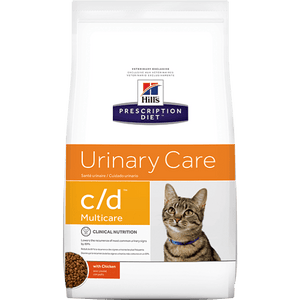
Credit: topethealth.com
Frequently Asked Questions
How Many Calories Do Adult Cats Need Daily?
Adult cats typically require between 200 to 300 calories daily. Factors like age, weight, and activity level influence this. It's essential to adjust calorie intake based on your cat's specific needs. Monitoring your cat's weight and consulting with a vet can help ensure they receive adequate nutrition.
Do Indoor Cats Need Fewer Calories?
Yes, indoor cats often need fewer calories due to less physical activity. They typically require around 180 to 250 calories per day. Adjusting their calorie intake helps prevent obesity. Always consider your cat's activity level and consult with a veterinarian for personalized dietary advice.
How Can I Calculate My Cat's Calorie Needs?
To calculate your cat's calorie needs, consider their weight and activity level. Use the formula: 70 x (weight in kg)^0. 75. This gives a rough estimate of daily caloric intake. Consulting with a veterinarian ensures accurate dietary planning tailored to your cat's unique needs.
Can Kittens Have The Same Calorie Intake As Adults?
No, kittens require more calories than adult cats due to their growth. They need approximately 250 to 280 calories daily. Kittens have higher energy requirements to support their development. Providing balanced nutrition is crucial for their health and growth.
Conclusion
Cats need the right number of calories to stay healthy. Too many can lead to weight gain. Too few might cause health problems. So, it's crucial to find the perfect balance. Talk to your vet for advice. They know your cat's needs best.
Choose high-quality pet supplies. They help maintain your cat's well-being. Watch your cat's weight regularly. Adjust food portions as needed. A happy cat is a healthy cat. Keep it simple. Stay informed. Your cat will thank you with purrs and love.