Have you ever stood in the pet food aisle, overwhelmed by the endless options of cat food? You’re not alone.
With so many brands and labels, choosing the best food for your feline friend can feel like a daunting task. But what if you could decode those nutrition labels with ease? Understanding what's inside your cat's food is crucial for their health and well-being.
Your cat relies on you to make the best choices, and knowing how to read nutrition labels gives you the power to do just that. In this guide, we’ll simplify the process, helping you make informed decisions that could improve your cat’s life. Keep reading to discover the secrets hidden in those tiny printed details and ensure your furry companion gets the nutrition they deserve.
Credit: extensionpublications.unl.edu
Importance Of Nutrition Labels
Nutrition labels on cat food are crucial for pet health. They reveal ingredient quality and nutritional content, helping you choose wisely for your cat. Understanding protein, fat, and carbohydrate levels supports balanced diets, ensuring your feline friend stays energetic and happy.
Understanding the nutritional content of your cat's food is crucial for their overall health. Nutrition labels on cat food can be your best guide to ensuring your feline friend is getting the right balance of nutrients. By learning to read these labels, you can make informed decisions about your cat's diet.
Understanding The Basics
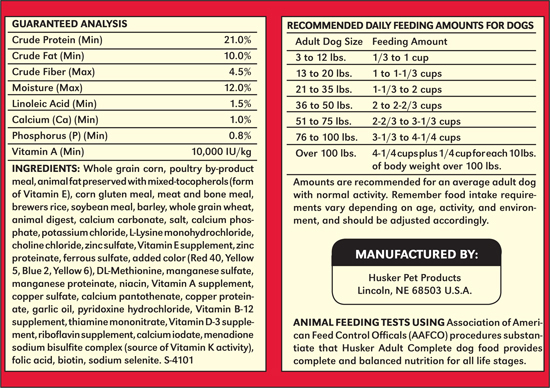
Nutrition labels on cat food provide a snapshot of what's inside each can or bag. They list ingredients, guaranteed analysis, and feeding guidelines. Knowing how to interpret these elements can empower you to choose the best food for your cat.
Ingredients: What To Look For
Ingredients are listed in order of weight, with the heaviest first. Look for real meat like chicken or fish as the first ingredient. Avoid foods where grains or fillers top the list.
Guaranteed Analysis: Breaking Down The Numbers
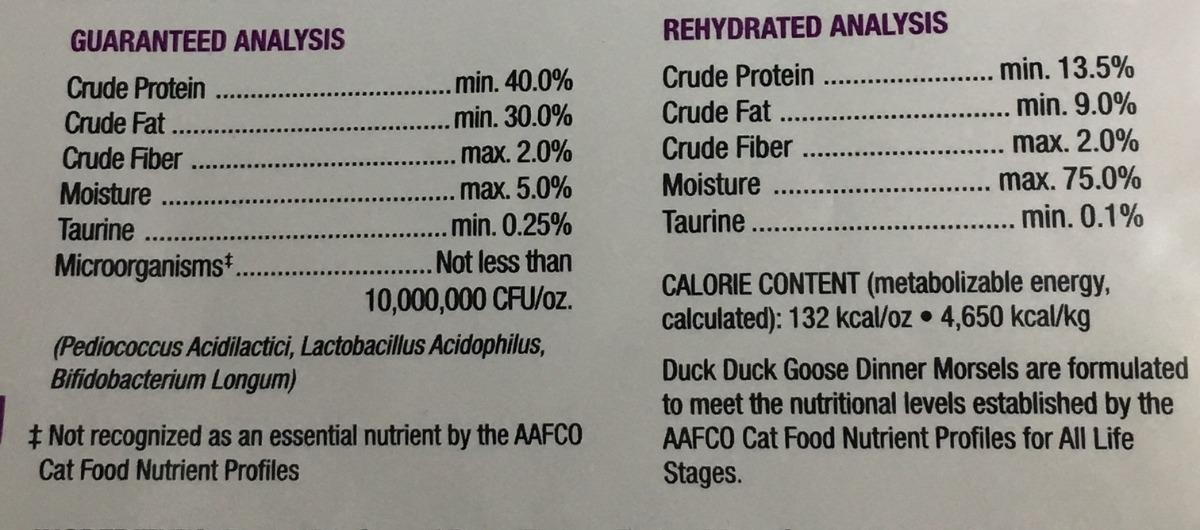
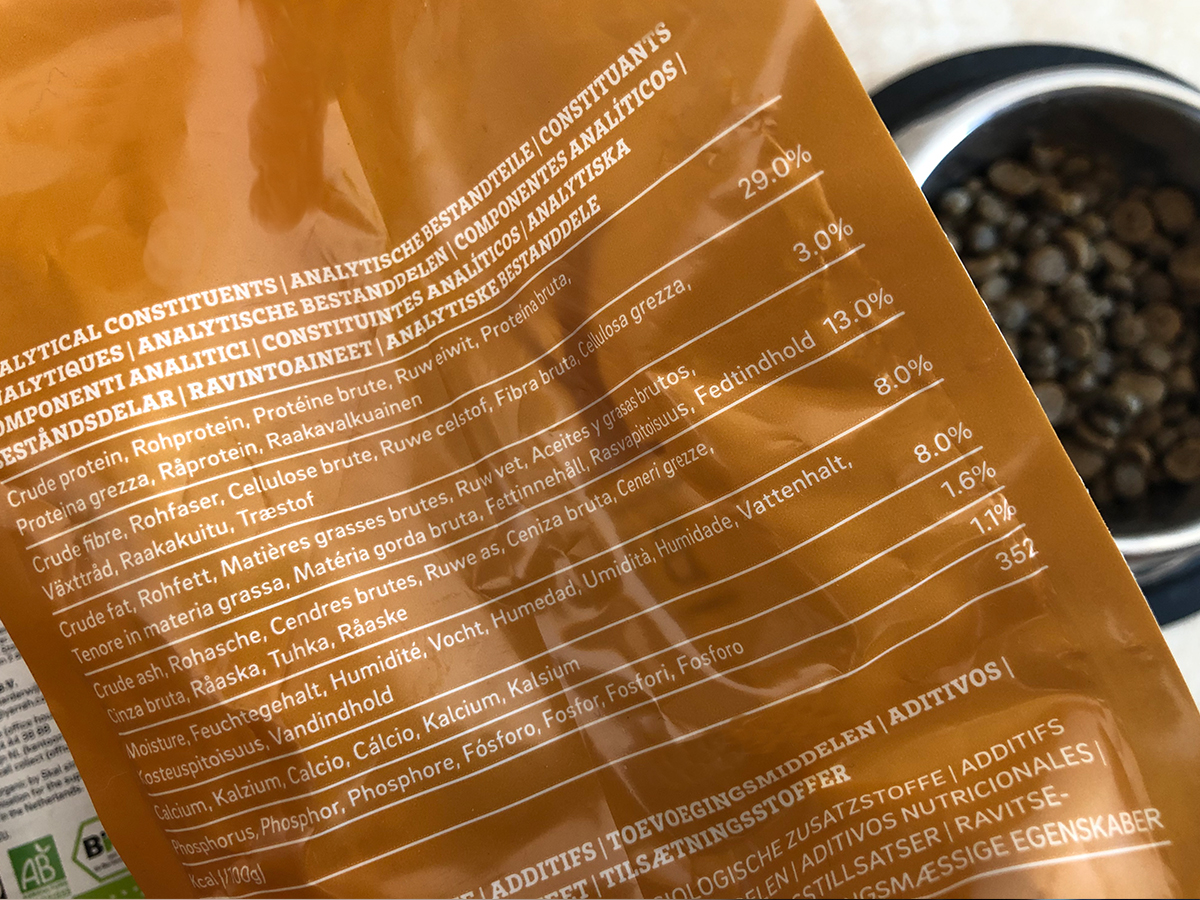
This section shows the minimum and maximum percentages of nutrients. Key components include protein, fat, fiber, and moisture. These values help you compare different cat foods effectively.
Feeding Guidelines: How Much Is Enough?
Feeding guidelines suggest how much food your cat needs based on their weight. But remember, these are just guidelines. Monitor your cat's weight and adjust as necessary for their health and activity level.
The Role Of Additives And Preservatives
Some additives are beneficial, like vitamins and minerals. However, be wary of artificial colors and preservatives. They add little nutritional value and might cause health issues over time.
Deciphering Marketing Claims
Words like "premium" or "natural" can be misleading. They often don't reflect the quality of the ingredients. Always check the label details instead of relying on packaging buzzwords.
Personal Experience: A Lesson In Choosing Wisely
I once bought a cat food brand because it claimed to be “holistic”. But my cat didn’t thrive on it. After reading the label, I realized it had too many fillers. Switching to a meat-based formula made a noticeable difference in her energy levels and coat shine.
Are you confident in reading nutrition labels on your cat's food? With practice, you'll find it becomes second nature. Your cat's health will thank you for taking the time to choose wisely.
Credit: www.boutonveterinaryhospital.com
Key Components To Look For
Understanding nutrition labels on cat food can be tricky. Knowing what to look for is important. These labels hold key information. They reveal what your cat eats every day. The components listed are essential. They determine the food's quality. Let's break down the key components you should focus on.
Protein Content
Protein is crucial for cats. They need it for strong muscles and tissues. Check the label for high protein content. Meat or fish should be the first ingredient. Cats are obligate carnivores. This means they require meat in their diet. Look for named protein sources. Chicken, beef, and salmon are good options. Avoid vague terms like "meat by-products".
Fat Levels
Fat provides energy. It supports healthy skin and coat. Check the label for balanced fat levels. Too much fat leads to obesity. Too little affects energy and health. Look for healthy fats like fish oil. Omega-3 and Omega-6 are beneficial. They promote a shiny coat and brain health.
Carbohydrates
Cats need fewer carbs. Their bodies don’t process them like humans do. Check the label for low carbohydrate content. Avoid food with high corn or grain fillers. These can cause weight gain. Ingredients like peas and potatoes are better. They offer more nutrients and are easier to digest.
Vitamins And Minerals
Vitamins and minerals are vital. They support overall health. Check the label for essential vitamins. Vitamin A, D, and E are important. Minerals like calcium and phosphorus are needed. They support bones and teeth. Taurine is critical for heart health. Make sure it's listed. Cats cannot produce it naturally.
Understanding Ingredient Lists
Decoding cat food nutrition labels helps ensure your pet gets the best nutrition. Focus on ingredients listed first, as they represent the largest portion of the food. Look for whole meats or fish as primary ingredients, avoiding fillers like corn or wheat.
Understanding what goes into your cat's food can make a world of difference in their health and well-being. By learning to read and interpret nutrition labels, you can make more informed choices for your feline friend. Let's dive into the ingredient lists, a crucial part of these labels, and see what they reveal about the food's quality and nutritional value.
Primary Ingredients
The primary ingredients are the backbone of your cat's food, offering the main sources of protein, carbohydrates, and fats. These are typically listed first on the ingredient label. Look for named meat sources, like chicken or beef, as these indicate quality protein. Grains and vegetables might follow, but remember, cats are obligate carnivores and thrive on protein-rich diets. Would you feed your cat something you wouldn't want to eat yourself? Check for whole ingredients rather than vague terms like "meat by-products."
Additives And Preservatives
Additives and preservatives play a significant role in maintaining the freshness and palatability of cat food. However, not all are created equal. Natural preservatives, such as vitamin E and vitamin C, are generally safer choices. On the other hand, artificial additives like BHA and BHT can be controversial. Ask yourself, do you want chemicals in your cat's diet? It’s wise to understand each additive and its purpose, as some might be essential for keeping the food safe, while others could be unnecessary fillers. A well-informed pet parent is a step closer to ensuring their cat leads a happy and healthy life. By being proactive about reading and understanding ingredient lists, you’re not just feeding your cat; you’re nurturing them. Have you checked what's in your cat’s bowl today?
Decoding Caloric Content
Understanding cat food labels helps ensure your pet's diet is balanced and healthy. Check for calories, protein, and fat. Look for whole ingredients like chicken or fish to support your cat's nutrition.
Understanding the caloric content on your cat's food label is crucial for maintaining their health. Many cat owners overlook this aspect, focusing solely on ingredients. But knowing the caloric content helps you ensure your cat gets the right amount of energy without overeating.
Daily Caloric Needs
How many calories does your cat actually need each day? It depends on factors like age, weight, and activity level. For instance, a sedentary indoor cat may need fewer calories than a lively outdoor cat. Consult your vet to determine the precise caloric requirements for your feline friend.
Calorie Breakdown
Once you know your cat's daily caloric needs, the next step is understanding how those calories are spread across their meals. Cat food labels often provide the calorie content per serving. Check if the label lists calories in kilocalories (kcal), as that's the standard measure. Imagine feeding your cat a food that seems nutritious but is high in calories. You might unknowingly contribute to weight gain. Ensure the majority of your cat's calories come from protein, as cats are obligate carnivores. A balanced calorie distribution can help prevent obesity and related health issues. Next time you pick up a can or bag of cat food, pay attention to the calorie content. It might seem like a small detail, but it plays a big role in your cat's health. Are you providing your cat with the right amount of calories?
Analyzing Feeding Guidelines
Understanding nutrition labels on cat food helps in making informed choices for your pet's health. Pay attention to ingredients, protein content, and daily feeding recommendations. Look for essential nutrients like taurine and ensure balanced diets for your feline friend.
Understanding how to analyze feeding guidelines on cat food labels is crucial for maintaining your feline friend's health. These guidelines provide valuable information on portion sizes and feeding frequency, ensuring that your cat receives the right nutrients. Correct interpretation can prevent obesity or malnutrition, making it essential for any cat owner to master.
Portion Sizes
Deciphering portion sizes can be challenging, but it's vital for your cat's well-being. Cat food labels often suggest a serving size based on your cat's weight. Consider your cat's activity level when determining the right portion. If your cat is a lazy couch potato like mine, they might need less food than a more active cat. Start by measuring the recommended portion using a kitchen scale. This ensures accuracy and helps avoid overfeeding. It's also a good idea to check with your vet for personalized advice.
Frequency Of Feeding
Deciding how often to feed your cat can be just as important as how much. Labels might suggest feeding your cat once, twice, or even three times a day. How do you choose the right frequency? Think about your cat's habits and lifestyle. A busy cat that spends time hunting or playing might benefit from multiple small meals. On the other hand, a cat that prefers to nap all day might do well with fewer meals. Observe your cat's behavior and adjust accordingly. Are they constantly hungry or leaving food in the bowl? Adjust the frequency to fit their needs. By understanding these guidelines, you can tailor a feeding schedule that supports your cat's health. Are you ready to make informed decisions about your cat's diet? Your feline friend will thank you for it!
Credit: www.yarrah.com
Identifying Allergens
Understanding cat food labels can be complex. Identifying allergens is crucial for your cat's health. Allergens can cause discomfort or serious health issues. Reading labels helps you recognize potential allergens. This ensures your cat enjoys a safe, healthy diet.
Common Allergens
Some ingredients are common allergens for cats. Grains like wheat and corn often cause reactions. Proteins such as chicken, beef, and fish can also be allergens. Dairy products sometimes trigger allergies in cats. Artificial additives and preservatives may cause issues too. Check for these ingredients on labels.
Signs Of Allergies
Watch for signs of allergies in your cat. Itching and scratching are common symptoms. Cats may also experience vomiting or diarrhea. Skin problems like rashes or hair loss can occur. Sneezing or coughing might indicate an allergy. Changes in behavior or energy levels are other signs. If you notice these, consult your vet.
Comparing Brand Labels
Choosing the right cat food can feel overwhelming. Nutrition labels help us compare different brands. They provide essential information about ingredients and nutritional value. Understanding these labels ensures our cats get the best nutrition. Let's explore how to evaluate these labels effectively.
Quality Vs Quantity
Quality ingredients matter more than quantity. High-quality proteins like chicken or fish should be listed first. Avoid fillers like corn or soy. They provide little nutritional benefit. Check for artificial preservatives or colors. Natural preservatives are a better choice. Prioritize foods with whole, recognizable ingredients.
Price Considerations
Price often reflects ingredient quality. Premium brands may cost more but offer better nutrition. Consider your budget, but don’t compromise on quality. Look for sales or discounts to save money. Sometimes, buying in bulk reduces costs. Investing in quality food can reduce vet bills long-term.
Frequently Asked Questions
What Do Protein Levels Mean In Cat Food?
Protein levels indicate the amount of essential amino acids in cat food. Cats require high protein for muscle maintenance and overall health. Look for labels with clear protein sources like chicken or fish. Ensure the protein content aligns with your cat's dietary needs for optimal health.
How Can I Identify Healthy Fats In Cat Food?
Healthy fats in cat food support skin, coat, and energy levels. Look for fats from sources like fish oil or chicken fat. Avoid foods with vague fat labels like "animal fat. " Clear labeling ensures your cat receives the right fats for their health.
Are Carbohydrates Necessary In Cat Food?
Carbohydrates are not essential but provide energy and fiber in cat food. Cats primarily need protein and fats. Check labels for low carbohydrate content and ensure they come from quality sources like vegetables. Focus on protein-rich foods for a balanced diet.
What Does 'complete And Balanced' Mean?
"Complete and balanced" indicates the cat food meets nutritional standards for health. It provides all essential nutrients in correct proportions. Look for labels from reputable brands with this designation. It ensures your cat receives a well-rounded diet for optimal health.
Conclusion
Understanding cat food labels is important. It helps you choose wisely for your pet. Clear labels show ingredients and nutrition facts. Look for protein, fat, and fiber content. Check for essential vitamins and minerals. Avoid fillers and artificial additives. Your cat deserves quality food.
Good nutrition supports their health and happiness. With practice, reading labels becomes easy. You become confident in making the best choices. Your cat benefits from balanced meals. They enjoy better energy and wellness. Choosing the right food is a step towards a healthier, happier cat.
Keep reading labels for your cat's well-being.