You've just welcomed a new kitten into your home, and everything seems perfect—until you catch your little furball nibbling on adult cat food. You might wonder, "Is this okay?"
Or "Could it harm my kitten? " You're not alone in your concerns. As a pet parent, ensuring your kitten gets the right nutrition is crucial for their growth and health. You want them to thrive, and you need to know if adult cat food can jeopardize that.
You'll uncover the potential effects of adult cat food on your kitten's development, helping you make informed choices. With easy-to-understand insights, you'll gain the confidence to nurture your kitten's health and happiness. Keep reading to find out what really happens if your kitten eats adult cat food.

Credit: wamiz.co.uk
Kitten Vs. Adult Cat Nutritional Needs
Feeding a kitten adult cat food can lead to nutritional imbalances. Kittens require more protein and fat for growth. Adult cat food lacks these essential nutrients, potentially affecting a kitten's development.
Kittens and adult cats may look similar, but their dietary needs are worlds apart. You might wonder if your kitten can munch on adult cat food without any issues. It's crucial to understand that kittens require a diet specifically tailored to support their rapid growth and development. Feeding your kitten the wrong food could impact their health and growth. Let's dive into the differences between kitten and adult cat nutritional needs.
Growth Requirements
Kittens grow quickly, needing the right nutrients to support their development. They require more vitamins and minerals compared to adult cats. Calcium and phosphorus are vital for strong bones and teeth. Your kitten's body is like a construction site, constantly building and expanding. Imagine feeding a growing child only adult-sized meals—it's just not enough to support their rapid growth. Is your kitten getting the nutrients it needs?
Caloric Intake Differences
Kittens are little balls of energy, constantly exploring and playing. This means they need more calories than adult cats. Adult cat food doesn't provide enough calories for these growing furballs. You might notice your kitten eating more frequently when on adult food, trying to meet their energy needs. Are you sure your kitten is getting the energy they need from their food?
Protein And Fat Content
Protein and fat are essential for your kitten's development. They need more protein to support muscle growth and more fat for energy. Adult cat food typically has lower protein and fat levels. Feeding your kitten adult food might leave them feeling unsatisfied and could impact their muscle development. Think about it—would you feed a marathon runner a diet meant for a couch potato? By understanding these differences, you ensure your kitten grows into a healthy adult cat. Have you checked your kitten's food label lately?
Short-term Effects On Kittens
You've just noticed your kitten nibbling on your adult cat's food, and you might be wondering what happens next. In the short term, the effects can be subtle yet significant. While adult cat food isn't toxic to kittens, it can lead to some immediate challenges.
Digestive Issues
One of the first things you might observe is your kitten experiencing digestive issues. Adult cat food has different nutritional compositions that may be too rich for a kitten's delicate digestive system. This can lead to uncomfortable symptoms like diarrhea or vomiting.
Imagine your kitten suddenly becoming less playful and more lethargic. It's not just a mood swing; it could be a sign of digestive distress. The richer fats and proteins in adult cat food can be difficult for a kitten to process.
Behavioral Changes
Behavioral changes can also occur if your kitten consumes adult cat food. You might notice your kitten acting out or seeming more anxious. These changes can stem from discomfort or lack of appropriate nutrients needed for growth.
Consider a kitten used to a balanced diet suddenly having to adjust to a heavier, adult-oriented meal. Wouldn't you feel out of sorts if you switched from a balanced breakfast to an unexpectedly rich meal? Your kitten might react similarly.
Ask yourself, is your kitten's playtime affected? Are they less social or more irritable? These subtle shifts can be linked back to their diet and how it makes them feel physically.
Providing the right food is crucial. Have you ensured your kitten is getting a diet tailored to their growth needs? It's worth checking the label next time you feed them.
Long-term Consequences
Feeding a kitten adult cat food can affect their health over time. Kittens need specific nutrients for growth. Adult cat food lacks these essential elements. This dietary mismatch may lead to several issues later in life. Understanding these long-term consequences is crucial for responsible pet ownership.
Impact On Growth And Development
Kittens grow rapidly in their first year. They need a diet rich in proteins and fats. Adult cat food contains less protein than kitten food. This may slow down their growth. Bones and muscles might not develop properly. Inadequate nutrition can also affect brain development.
Potential Health Risks
Feeding kittens adult cat food can cause health problems. They may become underweight due to insufficient calories. Lack of essential nutrients can weaken their immune system. This makes them prone to infections and diseases. Long-term nutritional deficiencies can lead to organ damage.

Credit: www.tippaws.com
Transitioning Back To Kitten Food
Feeding kittens adult cat food might lead to nutritional imbalances. They need nutrients for growth. It’s important to ensure they get the right diet for their age. Always check food labels for age-specific nutrition.
Transitioning back to kitten food after your furry friend has tasted adult cat food might seem like a daunting task. Kittens have specific dietary needs that adult cat food doesn't fully meet. Their growing bodies require higher protein, fat, and essential nutrients levels. But how do you ensure your kitten gets back on the right nutritional track? Let’s delve into the steps you can take for a smooth transition back to kitten food.
Gradual Diet Change
Switching your kitten's diet abruptly can upset their stomach. Start by mixing a small amount of kitten food with the adult cat food they’ve been eating. Gradually increase the kitten food portion over the course of a week. Ensure your kitten gets accustomed to the taste and texture of the kitten food. If they resist, try warming the food slightly to release enticing aromas. This gradual change helps in preventing digestive issues and ensures they receive the nutrients they need.
Monitoring Health And Behavior
Keep an eye on your kitten’s health and behavior during this transition. Are they more playful and energetic? That's a good sign. However, if you notice any signs of digestive discomfort like diarrhea or vomiting, it might be time to slow down the transition. Regularly check their coat and eyes for signs of good health; they should be shiny and bright. Engage with your kitten during feeding times to make it a positive experience. Your involvement can reduce stress and make the transition smoother. Remember, every kitten is unique; some may adapt quickly, while others take their time. Are there any changes in their litter box habits? That could provide clues about how well they’re adjusting.
Choosing The Right Kitten Food
Kittens require specific nutrients for growth, which adult cat food might lack. Consuming adult cat food can lead to nutrient deficiencies. This may affect their development and energy levels. Always choose food specifically designed for kittens to ensure they get the right nutrition.
Choosing the right food for your kitten can feel like a daunting task. But it’s crucial for their growth and health. Adult cat food might seem convenient, but kittens have different nutritional needs.
Key Ingredients To Look For
When selecting kitten food, prioritize protein. Kittens are growing rapidly, and protein supports muscle development. Look for foods with real meat as the first ingredient, like chicken or fish. Fat is another essential ingredient. It provides the energy kittens need for their playful antics. Omega-3 and Omega-6 fatty acids are particularly beneficial for brain and eye development. Calcium and phosphorus are crucial for strong bones and teeth. A balanced combination of these minerals is important. Check the label for adequate amounts to support your kitten’s skeletal growth.
Recommended Brands
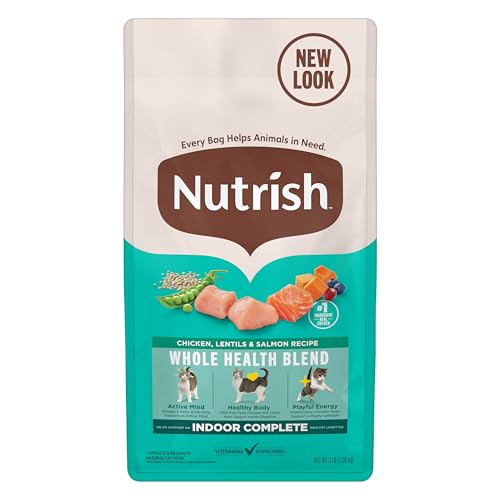
Finding the right brand can be overwhelming, but some have stood the test of time. Royal Canin Kitten offers tailored nutrition to support your kitten’s growth. With a focus on balanced nutrients, it's a popular choice among veterinarians. Hill's Science Diet Kitten is another trusted brand. It’s known for high-quality ingredients and excellent nutritional balance. Many cat owners have seen noticeable improvements in their kitten's health and energy levels. Blue Buffalo Wilderness Kitten is perfect for those preferring grain-free options. Rich in protein and essential nutrients, it mimics a natural diet. It’s a hit with kittens who have a taste for the wild side. Have you considered what your kitten really needs? Choosing the right food is an investment in their future. Have you tried any of these brands, or do you have another favorite? Your kitten’s health and happiness are worth exploring your options.

Credit: www.reddit.com
Preventing Future Mix-ups
Kittens require specific nutrients for growth, which adult cat food lacks. Feeding them adult food might hinder their development. It's crucial to provide age-appropriate meals to ensure they receive proper nourishment.
Preventing your kitten from eating adult cat food is crucial for their health and development. While a single slip-up might not cause immediate harm, repeated incidents can lead to nutritional imbalances. With a few practical strategies, you can ensure your kitten gets the right nutrition without any mix-ups.
Proper Storage Solutions
Store cat food in airtight containers to maintain freshness and prevent curious kittens from sneaking in. Label each container clearly with the type of food it contains. This will help everyone in the household easily identify which food is for the kitten and which is for the adult cat. Consider keeping the kitten's food in a separate area from the adult cat's food. This physical separation reduces the chances of accidentally mixing them up.
Feeding Schedule Tips
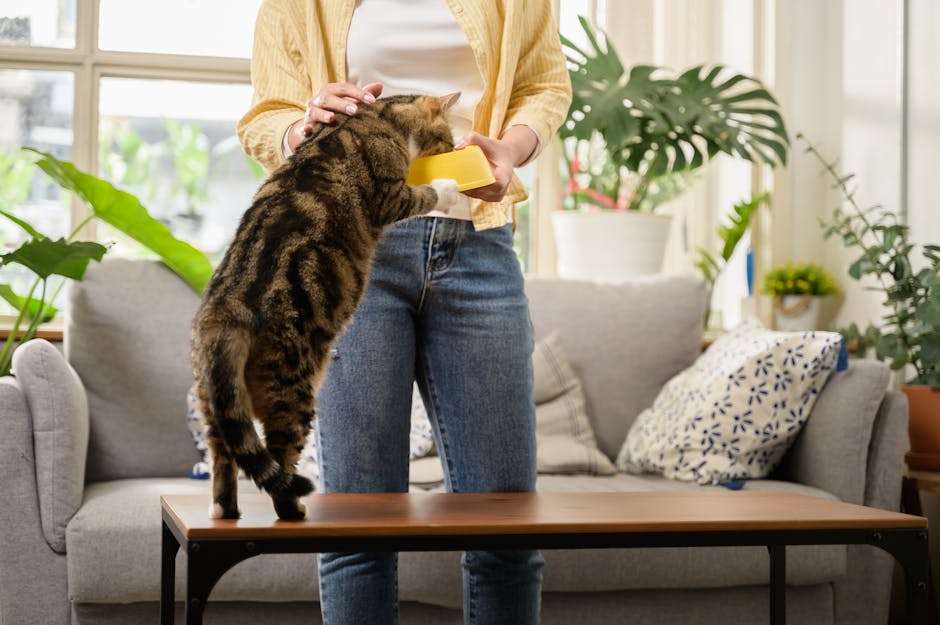
Establish a consistent feeding schedule for both your kitten and adult cat. Consistency helps in avoiding confusion about which pet needs to be fed at any given time. Use different colored bowls for your kitten and adult cat. This visual distinction can be a simple yet effective way to prevent feeding errors. Monitor meal times and supervise your pets while they eat. This ensures that each pet is consuming the correct food and provides an opportunity for bonding. Have you ever noticed how easy it is to get distracted during feeding times? Setting a timer on your phone can be a helpful reminder to stay focused on ensuring each pet gets the right meal. By taking these steps, you can create a harmonious feeding environment that supports your kitten's growth and keeps your adult cat satisfied.
Frequently Asked Questions
Can Kittens Digest Adult Cat Food Properly?
Kittens can digest adult cat food, but it lacks essential nutrients for growth. Adult cat food is designed for mature cats. Kittens need food with specific nutrients like DHA for brain development. Feeding adult cat food might lead to nutritional deficiencies in kittens.
Is Adult Cat Food Harmful To Kittens?
Adult cat food isn't harmful but is not ideal for kittens. It doesn't provide the right balance of nutrients for their development. Kittens require more protein and fat for growth. Regular consumption might lead to poor growth and health issues.
What Are The Risks Of Kittens Eating Adult Cat Food?
Kittens eating adult cat food risk nutrient deficiencies. It can lead to stunted growth and developmental problems. Adult food lacks vital nutrients needed for kitten growth. Over time, this can cause health issues like weak bones and poor muscle development.
How Often Can Kittens Eat Adult Cat Food?
Kittens should not regularly eat adult cat food. Occasional consumption might be okay, but it shouldn't be a habit. Adult cat food lacks essential nutrients for kittens. It's best to feed them kitten-specific food to ensure proper growth and health.
Conclusion
Feeding adult cat food to kittens can cause issues. Their growth needs special nutrients. Adult food lacks these essential elements. Kittens may face health problems over time. Proper kitten food supports their development. It ensures strong bones and healthy organs.
Always choose age-appropriate food for your kitten. Consult your vet for guidance. They can recommend the best diet. Remember, your kitten's health is your top priority. A balanced diet is key. Keep them thriving with the right nutrition. Stay informed for your furry friend's well-being.