Feeding your new kitten can be a delightful yet challenging experience. You want to ensure that your furry friend grows up healthy and strong, but the choices in pet food can be overwhelming.
One question that might cross your mind is, "Can I feed my kitten adult cat food? " It's a common query, and understanding the answer is crucial for your kitten's development. Imagine this: your tiny kitten, full of energy and curiosity, relies on you for the best nutrition possible.
You have the power to shape their future health, vitality, and happiness. But with so many options on the shelves, making the right decision feels daunting. You might think adult cat food is a convenient choice, but is it really suitable for your kitten? Unlocking the secrets of your kitten's dietary needs doesn't have to be complicated. By the end of this article, you'll have a clear understanding of whether adult cat food is the right choice for your kitten. You'll discover what makes kitten food unique, and why providing the right nutrients can lead to a lifetime of wellness. Dive in and uncover the truth about feeding your kitten, and ensure you're making the best choices for your beloved pet.
Nutritional Needs Of Kittens
Feeding your kitten the right food is crucial for their growth and overall health. Kittens have different nutritional needs than adult cats, which means their diet should be tailored to support their rapid development. Understanding these needs can help you make the best choices for your furry friend.
Growth And Development
Kittens grow at an astonishing rate, especially in the first few months. Their bodies are developing muscles, bones, and organs, all of which require a high-calorie diet. Adult cat food is designed for maintenance rather than growth, which means it might not provide the energy levels kittens need.
Think about when you were a child; you needed more energy and nutrients to grow. Similarly, kittens need extra protein and fat to fuel their active lifestyles and support their developing bodies. By feeding them kitten-specific food, you ensure they get what they need to thrive.
Essential Nutrients
Protein is a major building block for kittens. It helps build strong muscles and supports healthy tissue development. Kitten food usually contains higher protein levels compared to adult cat food, catering to their unique requirements.
Another key nutrient is DHA, an omega-3 fatty acid essential for brain and vision development. Kittens need sufficient amounts of this nutrient during their early stages. Adult cat food might not have enough DHA to support this critical growth period.
Calcium and phosphorus are also vital for building strong bones and teeth. Kitten food is formulated to provide balanced levels of these minerals. Feeding adult cat food might lead to deficiencies that could affect your kitten's skeletal health.
Have you ever wondered if your kitten is missing out on something important? By understanding their nutritional needs, you can make informed choices that promote their well-being. Are you ready to give your kitten the best start in life?
Differences Between Kitten And Adult Cat Food
Feeding a kitten adult cat food might seem convenient, but it's not ideal. Kittens and adult cats have different nutritional needs. Understanding these differences is crucial for your pet's health. Kitten food supports growth, while adult cat food maintains overall health. Let’s explore how these foods differ.
Protein Content
Kittens require more protein than adult cats. Their bodies are growing rapidly. Protein helps in building muscles and tissues. Adult cat food contains less protein. It's tailored for maintenance rather than growth. Always check the protein levels when choosing food for your kitten.
Caloric Density
Kittens burn more calories because they're active and growing. Kitten food is packed with calories for energy. Adult cat food has fewer calories. It's designed for cats with slower metabolism. Feeding kittens adult food can lead to nutritional deficits.
Vitamins And Minerals
Kitten food contains essential vitamins and minerals for development. Calcium and phosphorus are vital for bone growth. Adult cat food lacks these amounts. It's formulated for sustaining health rather than supporting growth. Ensuring your kitten gets the right nutrients is important for their development.
Potential Risks Of Feeding Adult Cat Food To Kittens
Feeding kittens adult cat food might seem convenient. But it poses risks. Kittens have unique nutritional needs. Adult food doesn't meet these needs. This can lead to health issues. Understanding these risks helps keep kittens healthy.
Nutrient Deficiencies
Adult cat food lacks essential nutrients for kittens. Kittens need more protein for muscle growth. They also require higher fat content. This supports their energy needs. Adult food might lead to deficiencies. Essential vitamins and minerals could be missing. This affects their development.
Growth Issues
Kittens grow rapidly in the early months. They need specific nutrients for bone development. Adult food might not have enough calcium. This can lead to weak bones. Proper growth requires balanced nutrition. Feeding adult food can hinder this. It may cause long-term growth issues.
When To Transition From Kitten To Adult Cat Food
Switch to adult cat food when your kitten turns one year old. Kitten food is rich in calories and nutrients. Adult cat food meets mature cats' dietary needs.
When should you change from kitten food to adult cat food? This is a common question for cat owners. Kittens have special dietary needs. Their growth and energy demands are high. Adult cat food doesn't provide the right nutrients for them. But as they mature, their needs change. It's important to know the right time to switch.
Age Considerations
Kittens grow rapidly during their first year. Most reach maturity by 12 months. Some larger breeds mature slower. They may need kitten food until 18 months. Check with your vet if you're unsure. Their guidance can be crucial for your pet's health.
Signs Of Maturity
Look for signs your kitten is maturing. Changes in behavior are a clue. They might be less playful and more relaxed. Weight gain can also signal maturity. Their adult coat is another indicator. It's usually smoother and shinier. These changes suggest it's time to switch foods. Always observe your kitten closely.
Choosing The Right Food For Your Kitten
Choosing the right food for your kitten is crucial. Their growth depends on proper nutrition. Kittens have unique dietary needs. They require specific nutrients for healthy development. Feeding them adult cat food might not suffice. Understanding what to feed your kitten is essential.
Reading Labels
Reading food labels can help you make informed choices. Look for kitten-specific formulas. These have the right balance of nutrients. Check for high protein content. Protein supports muscle growth. Examine the fat content too. Fats provide energy and promote brain health. Avoid foods with too many fillers. Fillers add calories without nutritional benefits.
Consulting A Veterinarian
Consulting a veterinarian can offer personalized advice. They understand your kitten's unique needs. A vet can recommend the best diet plan. They may suggest specific brands or formulas. Regular check-ups ensure your kitten is on track. Health issues can be addressed early. This keeps your kitten healthy and thriving.
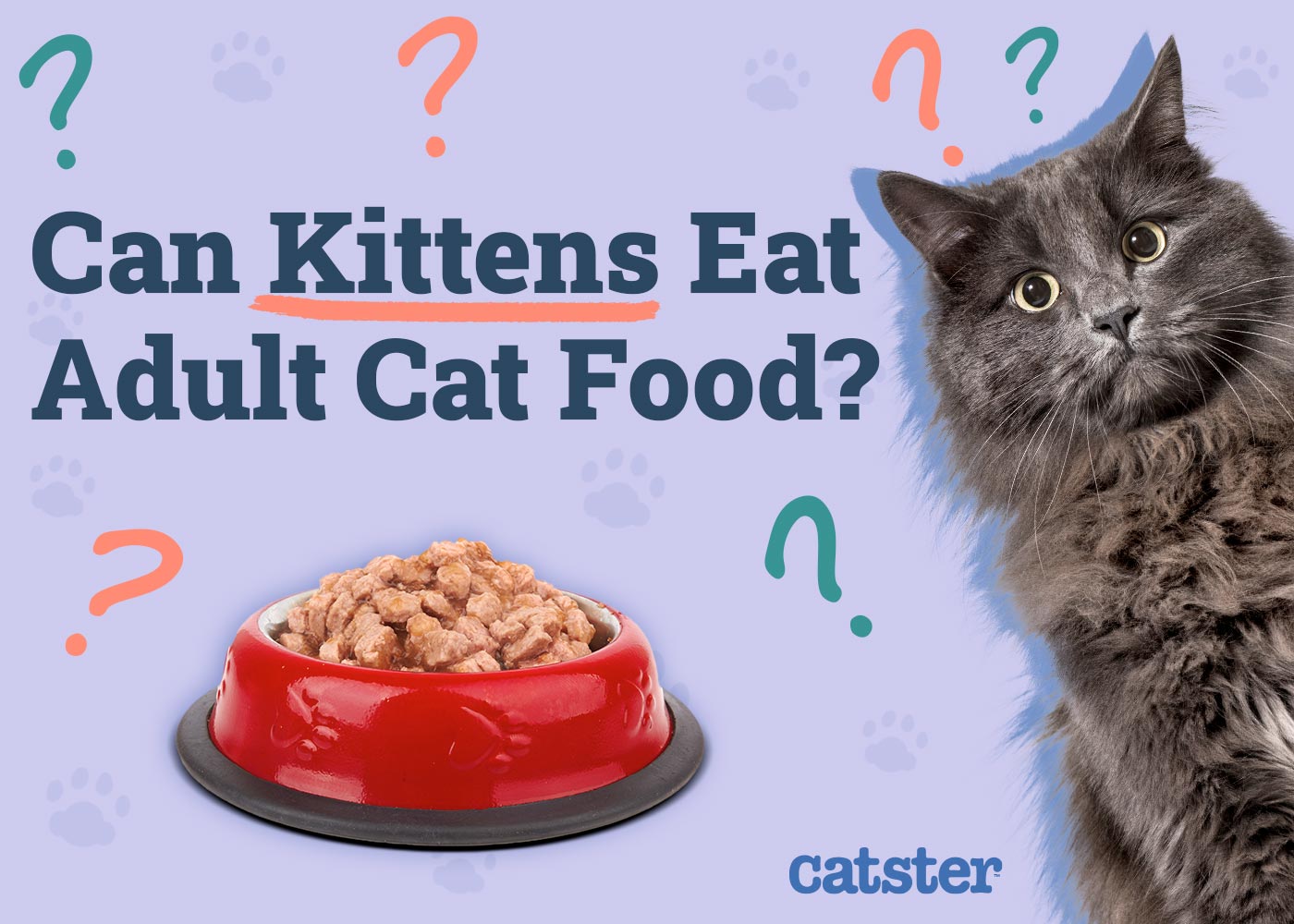
Credit: www.catster.com
Common Myths About Kitten And Adult Cat Food
Many pet owners wonder if kittens can eat adult cat food. This question often leads to confusion and misconceptions. Understanding the differences can help you make informed decisions. Let's debunk some common myths about kitten and adult cat food.
Cost Differences
People often think kitten food costs more than adult cat food. This is not always true. Kitten food can be priced similarly to adult food. Prices vary based on brand and quality. It's crucial to choose what suits your pet's needs, not just your wallet.
Flavor Preferences
Many believe kittens prefer adult cat food flavors. This is misleading. Kittens may find adult food less appealing. Kitten food is crafted for their tastes. It contains flavors they love. Adult food might not satisfy their taste buds. Always consider what your kitten enjoys eating.
Homemade Vs. Commercial Cat Food
Feeding kittens adult cat food might not provide the right nutrients they need. Kittens require a diet rich in protein and fat for growth. Homemade cat food allows control over ingredients, while commercial options ensure balanced nutrition.
Feeding your kitten the right food is crucial for its growth. Many cat owners wonder about homemade vs. commercial cat food. Each has its own advantages and drawbacks. Choosing the right option is vital for a kitten's health. Let's explore the pros and cons of each choice.
Pros And Cons
Homemade cat food gives you control over ingredients. You know exactly what's in your pet's meal. This can be beneficial for kittens with allergies. It allows for a tailored diet. But it requires time and effort. Preparing meals daily can be challenging. You must ensure proper nutritional balance. Commercial cat food is convenient. It's ready to serve at any time. Many brands offer high-quality, balanced options. They meet the nutritional needs of kittens. Yet, not all commercial foods are created equal. Some contain fillers or artificial ingredients. It's important to read labels carefully.
Balancing Nutrition
Kittens require specific nutrients for healthy growth. Protein, fat, vitamins, and minerals are essential. Homemade meals can lack these nutrients if not planned well. Consulting a vet is advisable. They can guide you on nutritional needs. Commercial cat foods are often formulated to be balanced. They are tested to meet a kitten's dietary requirements. This makes it easier to provide a well-rounded diet. Always check for AAFCO certification on the packaging. It ensures the food meets nutritional standards. Balancing nutrition is key to a kitten's development. Whether homemade or commercial, the right choice depends on your lifestyle and your kitten's needs.

Credit: scrumbles.co.uk
Monitoring Your Kitten's Health And Growth
Feeding kittens adult cat food might not meet their specific nutritional needs. Kittens require more protein and fat for growth. Choose kitten-specific food to support their healthy development.
Monitoring your kitten's health and growth is crucial, especially if you're considering feeding them adult cat food. Kittens have specific nutritional needs that differ from those of adult cats. Ensuring they receive the right nutrients is vital for their development. Let's explore how regular check-ups and diet adjustments can help you keep your kitten healthy and growing strong.
Regular Check-ups
Regular vet visits are your best ally in tracking your kitten's growth. These check-ups help identify any nutritional deficiencies or health issues early on. Your vet can provide guidance on the best food options for your growing kitten. During these visits, your vet will measure your kitten's weight and assess their overall health. This information is critical in determining whether their current diet is suitable. Keeping a record of these visits can help you spot trends or changes in your kitten's growth. Don't hesitate to ask your vet questions about your kitten's diet and health. Their insights can save you time and prevent potential health issues. Your vet is there to help, so make use of their expertise.
Adjusting Diet As Needed
Kittens grow rapidly, and their dietary needs can change quickly. Monitoring their weight and energy levels can help you decide if their diet needs adjustment. If your kitten seems lethargic or is not gaining weight, it may be time to reconsider their food. Switching from kitten food to adult cat food too early can deprive them of essential nutrients. If you notice a change in their coat or energy levels, it might indicate a dietary imbalance. Always consult your vet before making significant changes to their diet. If your kitten thrives on their current diet, continue to monitor their progress. Each kitten is unique, and their nutritional needs may vary. Your observations combined with professional advice will guide you in providing the best care. Remember, the food you choose plays a significant role in your kitten's development. Are you confident that your kitten's diet meets their needs? Regular monitoring and a proactive approach will ensure your kitten grows up healthy and happy.

Credit: wamiz.co.uk
Frequently Asked Questions
Can Kittens Eat Adult Cat Food Safely?
Kittens should not regularly eat adult cat food. Adult cat food lacks necessary nutrients for growing kittens. It's important to feed them specially formulated kitten food. This ensures they receive essential proteins and vitamins. Transition to adult food gradually when they are around 12 months old.
What Are The Risks Of Feeding Kittens Adult Food?
Feeding kittens adult cat food can lead to nutritional deficiencies. Adult food lacks adequate proteins and fats essential for growth. This can affect their development and overall health. It's crucial to provide them with kitten-specific food for proper nourishment and growth.
When Can Kittens Start Eating Adult Cat Food?
Kittens can start eating adult cat food around 12 months old. At this age, their nutritional needs change, aligning more closely with adult cats. Gradually transition their diet to prevent digestive issues. Ensure they receive balanced nutrition during this transition period for optimal health.
How Does Adult Cat Food Affect Kitten Growth?
Adult cat food can hinder kitten growth. It lacks necessary nutrients like proteins and fats crucial for development. Feeding adult food can result in slow growth and weaker immunity. Always opt for kitten-specific food to support healthy growth and development.
Conclusion
Feeding kittens adult cat food can affect their growth and health. Kittens need special nutrients found in kitten food. These nutrients support development and energy needs. Adult cat food may lack these essential nutrients. Always choose food designed for kittens.
It ensures they get balanced nutrition. Consult a vet for personalized advice. They can guide you on kitten nutrition. Prioritize your kitten’s health by choosing the right food. Proper diet leads to a healthy, happy cat. Make informed choices for your pet’s wellbeing.
Your kitten deserves the best start in life. Keep them thriving with the right nutrition.