Are you overwhelmed by the endless options of cat food on the shelves? You're not alone.
Choosing the best nutritional cat food for your furry friend can feel like navigating a complex maze. Yet, the right choice can lead to a happier, healthier pet. Imagine the peace of mind knowing you’re providing your cat with the nutrients they need to thrive.
In this guide, you'll discover simple, effective tips to help you choose the best food for your cat’s unique needs. Stay with us, and transform your cat’s mealtime into a joyful, health-boosting experience.
Understanding Cat Nutritional Needs
Cats need balanced nutrition to stay healthy. Choose food rich in proteins, vitamins, and minerals. Check for ingredients that support growth and immune health.
Understanding your cat's nutritional needs is essential for their health and happiness. Cats are obligate carnivores, which means they rely on nutrients found primarily in animal products. Their diet is not just about filling their bellies; it's about providing the right balance of nutrients to keep them active and purring. Knowing what to look for in cat food can make all the difference in your feline friend's life.
Essential Nutrients For Cats
Cats need a diet rich in proteins, fats, and a few carbohydrates. Proteins are crucial for maintaining lean muscle mass. Look for cat foods with high-quality animal-based proteins like chicken, turkey, or fish. Fats are important for energy and a shiny coat. Omega-3 and omega-6 fatty acids found in fish oil are beneficial. Vitamins and minerals also play a vital role. Taurine, an amino acid, is essential for heart health and good vision. You might be surprised to learn that cats can't produce taurine on their own. Calcium and phosphorus support bone health, while vitamins A, D, E, and B-complex are necessary for overall well-being.
Age-specific Dietary Requirements
Kittens, adult cats, and senior cats all have different dietary needs. Kittens require more protein and calories to support their rapid growth. They benefit from DHA, a type of omega-3 fatty acid, for brain development. Choose kitten-specific food to ensure they get the nutrients they need. Adult cats need a balanced diet to maintain their energy levels and weight. Monitor your cat's weight and adjust their food intake as needed. Overfeeding can lead to obesity, which is a common problem in cats. Senior cats often require fewer calories due to decreased activity levels. However, they may need more fiber to aid digestion. Look for senior formulas that cater to these changing needs. Does your senior cat seem less interested in eating? It might be a sign to switch to a more palatable formula or consult your vet. Understanding these nutritional needs is the first step toward choosing the best food for your cat. How well do you know your cat's preferences and health status? This knowledge will guide you in making informed choices that keep your cat healthy and content.
Evaluating Cat Food Labels
Understanding cat food labels helps identify the best nutrition. Focus on protein sources, essential vitamins, and minerals. Check for artificial additives and fillers for a healthier choice.
Evaluating cat food labels can feel like trying to read a foreign language. Manufacturers often use jargon and complex terms that can be confusing. But understanding these labels is crucial to ensuring your feline friend gets the best nutrition possible.
Decoding Ingredients List
Start by checking the ingredients list, which is usually ordered by weight. The first few ingredients are the most important as they constitute the bulk of the food. Look for whole food sources like chicken, beef, or fish. Avoid foods with vague terms like "meat by-products" or "animal digest." These can be low-quality fillers. Instead, opt for labels that list specific sources, such as "chicken liver" or "salmon." Consider how the ingredients list aligns with your cat's specific needs. Is your cat sensitive to grains? Then look for grain-free options.
Recognizing Quality Protein Sources
Cats are obligate carnivores, meaning they thrive on a meat-based diet. Therefore, high-quality protein is non-negotiable. Ensure that a named animal protein is listed first on the label, like "chicken" or "turkey," not an unnamed "meat." Be wary of products that rely heavily on plant proteins. While these can supplement the diet, they shouldn't be the primary protein source. Cats need amino acids found in animal tissues, which plant proteins can't fully provide. Does your cat have any dietary restrictions or preferences? Consider consulting your vet to tailor the protein sources according to your cat's health requirements. Taking a closer look at the labels may be time-consuming, but it's worth it for your cat's health. Have you ever found a surprising ingredient in your pet's food? Share your experiences and let's unravel these labels together.
Choosing Between Wet And Dry Food
Selecting the best nutritional cat food can be tricky. Cats have unique dietary needs. As a cat owner, you often face the choice between wet and dry food. Each type of food has its pros and cons. Understanding these can help you make an informed decision.
Wet food and dry food provide different benefits for your cat. Knowing these differences is key. This ensures your feline friend stays healthy and happy.
Benefits Of Wet Cat Food
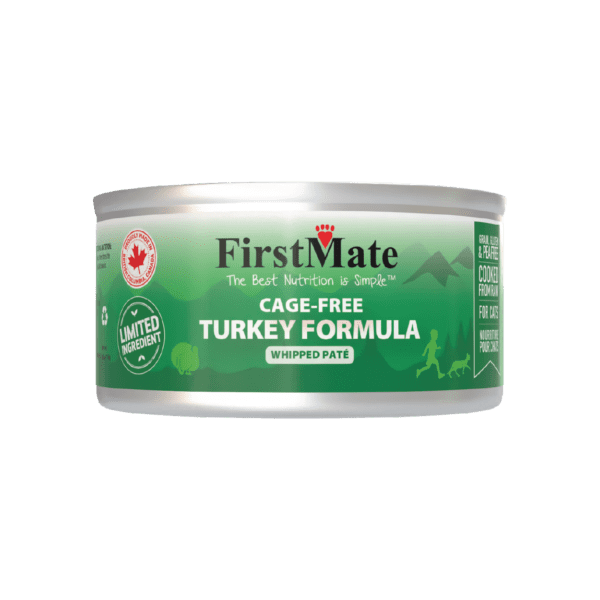
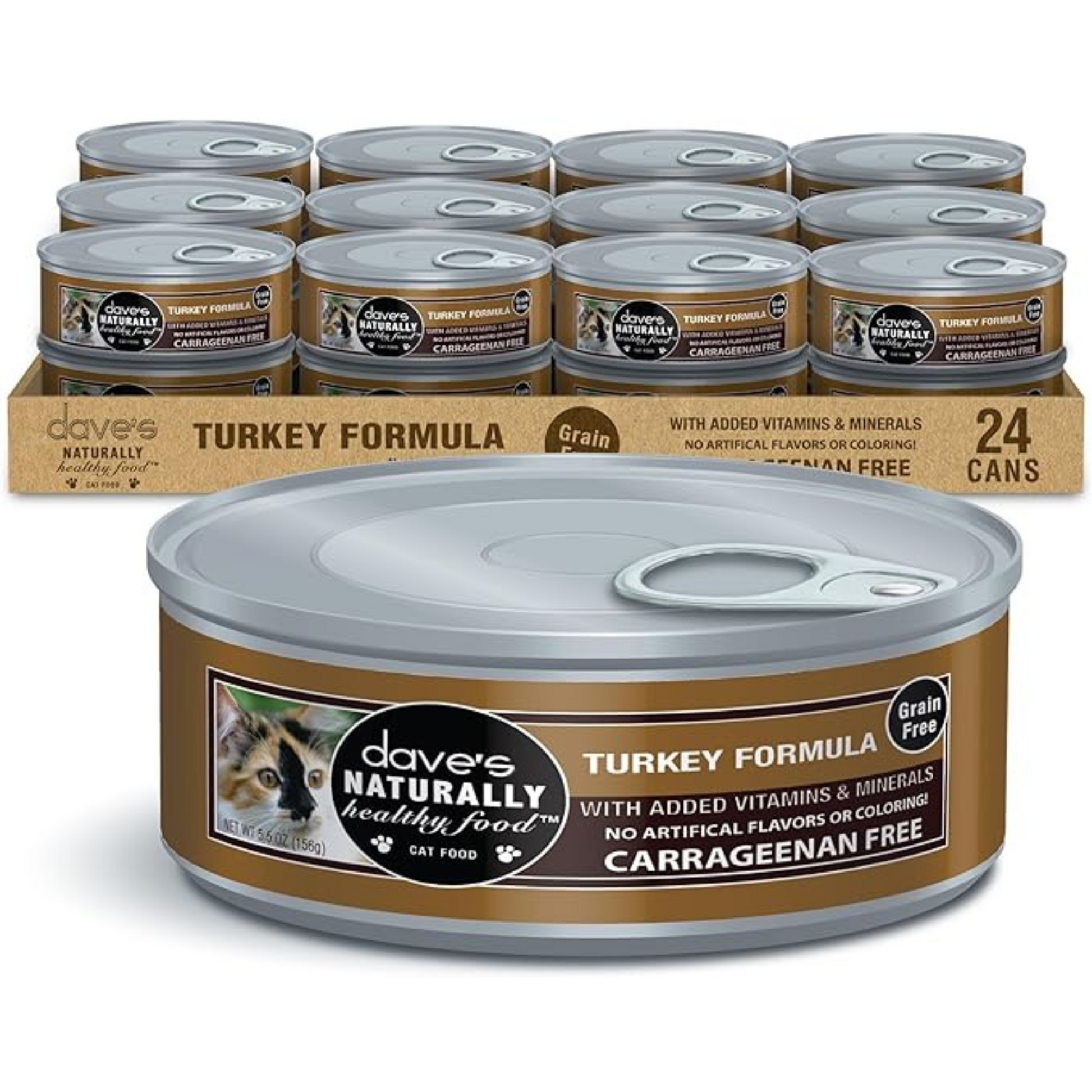
Wet cat food has a high moisture content. This helps keep your cat hydrated. Cats often don't drink enough water. Wet food provides a tasty way to increase their water intake.
Wet food is also soft. It's easier for older cats to chew. It often has a stronger aroma. This makes it more appealing to picky eaters.
The rich texture of wet food can satisfy your cat's palate. It usually contains more protein and fat. These nutrients are essential for a cat's diet.
Advantages Of Dry Cat Food
Dry cat food is convenient. It has a long shelf life. You can leave it out for your cat to nibble on all day. This helps if you have a busy schedule.
Dry food also helps with dental health. Chewing the kibble can reduce plaque buildup. This keeps your cat's teeth clean.
It's often more cost-effective than wet food. You can buy it in bulk. This is ideal for homes with multiple cats.
Dry cat food is also easy to store. It doesn't require refrigeration. This makes it perfect for travel.
Credit: firstmate.com
Special Diets For Health Conditions
Cats, like humans, sometimes need special diets for health issues. These diets address specific needs and promote better health. Choosing the right food requires understanding your cat's condition. It also involves knowing what ingredients to look for. Let's explore some special diets designed for common cat health conditions.
Allergy-friendly Options
Some cats suffer from food allergies. Symptoms include itching, vomiting, or diarrhea. Finding the right food can help reduce these symptoms. Look for cat foods labeled as hypoallergenic. These often contain novel proteins like duck or venison. Grain-free options may also benefit cats with certain allergies. Always check the ingredient list carefully.
Weight Management Solutions
Obesity is a common problem in cats. Excess weight can lead to other health issues. Special weight management foods can help maintain a healthy weight. These foods have fewer calories but still provide essential nutrients. They also contain more fiber to keep cats full longer. Regular exercise is important too. Combine diet with play to help your cat stay fit.
Consulting With Veterinarians
Consulting with veterinarians is vital for choosing the best cat food. Vets have deep knowledge of feline health. They can guide you to the right nutrition. Their insights help in understanding dietary needs. Vets assess a cat's health, age, and lifestyle. This assessment is key to crafting a proper diet.
Frequency Of Check-ups
Regular vet visits are crucial for your cat's health. They ensure your cat's diet remains suitable. A typical schedule includes yearly check-ups. Kittens and senior cats might need more frequent visits. During these visits, vets can detect health changes early. Early detection helps adjust diet plans promptly.
Tailoring Diet Plans
A vet can create a tailored diet plan for your cat. This plan considers your cat's age, weight, and activity level. Tailored diets prevent common health issues. These include obesity and digestive problems. Vets may recommend specific brands or ingredients. They ensure the diet meets nutritional needs.
Vets also monitor your cat's progress. They adjust the diet as needed. This ensures your cat stays healthy and happy.
Budget-friendly Nutritional Choices
Finding the best nutritional cat food without breaking the bank is possible. Cats need balanced diets for their health. Many options offer good nutrition at affordable prices. Let's explore some smart choices.
Identifying Affordable Quality Brands
Several brands provide quality nutrition at a reasonable cost. These brands often use wholesome ingredients. They avoid unnecessary fillers. Check for brands that list meat as the first ingredient. Look for those that avoid artificial colors and flavors. Reading reviews can help identify reliable options. Pet forums often discuss affordable, quality brands. Use these resources to guide your choices.
Diy Cat Food Recipes
Making cat food at home can save money. It also ensures quality control. Simple recipes include chicken, rice, and vegetables. Avoid using onions or garlic. These are harmful to cats. Cooking in bulk can save time and resources. Freeze portions for convenience. Consult a vet before starting a homemade diet. They can ensure your cat's nutritional needs are met. Homemade food can be a cost-effective option when done right.
Monitoring Cat's Health And Behavior
Choosing the best nutritional cat food is crucial for monitoring a cat's health and behavior. Balanced diets ensure your feline friend stays active and content. Always check ingredients for quality and nutrients.
Monitoring your cat's health and behavior is crucial in determining the best nutritional cat food. Cats, much like humans, have unique dietary needs. Observing changes in their behavior or health can offer significant clues about their diet. A slight tweak in their food can make a world of difference. Personal experience taught me that my cat's lethargy was simply due to an unsuitable diet. Once adjusted, her energy levels soared. Are you observing your cat closely enough?
Signs Of Nutritional Imbalance
Nutritional imbalance can manifest in various ways. Is your cat's fur looking dull? This could signal a lack of essential fatty acids. Weight changes, either gain or loss, often indicate dietary issues. Regular vet check-ups and weight monitoring can help spot these shifts early. Behavioral changes like irritability or excessive grooming might also point to nutritional gaps. Is your cat meowing more or less than usual? These subtle changes matter.
Adjusting Diet Based On Activity Levels
A cat's activity level directly impacts its dietary needs. Does your feline friend spend most of the day lounging? A lower-calorie diet might be best. Active cats, on the other hand, require more energy. High-protein foods can support their playful nature. Consider seasonal changes too. In colder months, your cat might be less active and require fewer calories. Keep a close watch on their habits and adjust accordingly. Have you noticed any changes in your cat's health or behavior? These observations are essential. They guide you in providing the best nutrition for your beloved pet.
Credit: davespetfood.com
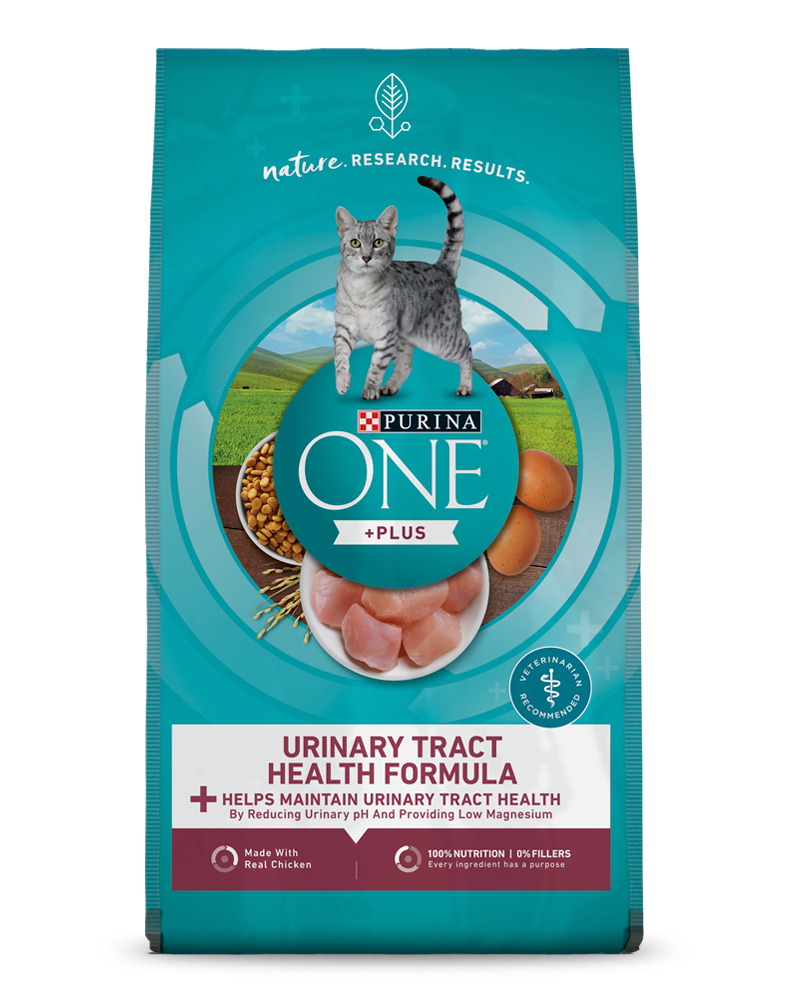
Credit: www.purina.com
Frequently Asked Questions
What Nutrients Are Essential For Cats?
Cats need protein, fats, vitamins, and minerals for overall health. Taurine and arginine are crucial amino acids. Balanced calcium and phosphorus ratios support bone health. Omega-3 and omega-6 fatty acids help maintain skin and coat. Vitamins A, D, and E play vital roles in cat nutrition.
How Do I Choose High-quality Cat Food?
Look for cat food with real meat as the first ingredient. Ensure it contains essential nutrients like taurine and omega fatty acids. Avoid artificial colors and preservatives. Check for AAFCO certification to guarantee balanced nutrition. Consult your vet for personalized recommendations.
Is Grain-free Cat Food Better?
Grain-free cat food isn't always better. Some cats may benefit from reduced grains due to allergies. However, grains can provide fiber and nutrients. It's important to focus on overall ingredient quality rather than just grain content. Consult your vet for guidance tailored to your cat's needs.
How Much Cat Food Should I Feed?
The amount depends on your cat's age, weight, and activity level. Generally, adult cats need 20-35 calories per pound daily. Follow feeding guidelines on the packaging. Monitor your cat's weight and adjust portions accordingly. Consult your vet for personalized advice on feeding amounts.
Conclusion
Finding the best nutritional cat food takes patience and research. Cats need balanced diets to stay healthy. Check labels for protein, vitamins, and minerals. Consider your cat's age and health needs. Talk to your vet for advice. They know what's best for your pet.
Trust your instincts. Choose food that suits your cat’s lifestyle. Watch your cat’s reaction to new food. Notice changes in energy or coat. These signs are important. Remember, the right food leads to a happy, healthy cat. Your effort pays off with a content feline friend.
Keep learning and adjusting as needed. Your cat deserves the best.