Are you unsure about how much food to give your adult cat each day? You're not alone.
Many cat owners find themselves puzzled over this simple yet crucial aspect of pet care. Feeding your feline friend the right amount can make all the difference in their health and happiness. Imagine your cat purring contentedly, full and satisfied, without any worry about obesity or malnutrition.
Doesn't that sound perfect? In this guide, we'll break down exactly how much cat food per day your adult cat needs, ensuring they thrive without any guesswork. Keep reading to uncover the secrets to a balanced diet that keeps your cat purring with joy!

Credit: www.reddit.com
Factors Affecting Cat Food Quantity
Determining the right amount of cat food for your feline friend can be tricky. Various factors influence how much your cat should eat each day. Knowing these factors ensures your pet gets the nutrition they need without overfeeding. Let’s dive into what affects the quantity of cat food you should offer.
Cat's Age And Weight
Your cat's age and weight are crucial in deciding their daily food intake. Younger cats tend to have higher energy needs compared to older ones. A kitten may require more calories to fuel their growth and playful antics.
On the other hand, an adult cat with a stable weight might need a more balanced diet. If your cat is gaining weight, it might be time to reconsider portion sizes. Have you noticed your cat getting a bit rounder?
Activity Level
Activity level is another key factor. A more active cat will naturally burn more calories than a sedentary one. Does your cat spend hours chasing toys or lounging in the sun?
For active cats, you might need to increase their food intake slightly. Conversely, if your cat prefers the quiet life, less food might be necessary to prevent weight gain. Keeping an eye on their daily activities can guide you in adjusting their diet.
Health Conditions
Your cat's health plays a significant role in how much they should eat. Certain health conditions can affect appetite and metabolism. If your cat has diabetes, kidney disease, or thyroid issues, their dietary needs will differ.
Consulting a vet can provide personalized advice based on any existing health concerns. Have you ever had to adjust your cat's diet due to a health issue? Understanding these nuances is essential for maintaining their well-being.
Ultimately, finding the right amount of food for your cat involves a bit of trial and error. By considering these factors, you can ensure your feline friend stays healthy and happy. How do you plan to adjust your cat’s diet based on these insights?
Types Of Cat Food
Cats need a balanced diet to stay healthy. Adult cats require about 24 to 35 calories per pound daily. Choose between dry, wet, or raw food based on your cat's preference and nutritional needs. Always provide fresh water alongside meals.
Feeding your adult cat the right amount of food daily is crucial for their health and happiness. But before you can decide how much to feed, you need to understand the types of cat food available. Dry food, wet food, and raw diet are the three main categories. Each type has its own benefits and drawbacks. Let’s explore these options to help you make an informed choice.
Dry Food
Dry food is often the most convenient and budget-friendly option. It stays fresh longer, making it easier to store and serve. Many cat owners prefer it because you can leave it out all day without worrying about spoilage. However, not all cats enjoy the crunch, and some may develop dental issues if dry food is the sole option. Reading the label is crucial; ensure it’s rich in protein and has limited fillers. Have you noticed if your cat drinks more water when eating dry food? This is because dry kibble has lower moisture content, and hydration is essential.
Wet Food
Wet food is often seen as a more palatable option for cats. It offers a higher moisture content, which is beneficial for hydration, especially in cats who don’t drink enough water. The texture and aroma can entice even the pickiest eaters. But, wet food can be pricier and less convenient. You may need to refrigerate leftovers and clean up more frequently. Have you ever tried mixing a bit of wet food with dry to enhance flavor and keep costs down? It's a practical way to balance taste and budget.
Raw Diet
The raw diet mimics what cats would naturally eat in the wild. Advocates say it can improve coat health and energy levels. It usually includes raw meats, organs, and bones. Preparing a raw diet can be time-consuming and requires careful handling to avoid contamination. Not all cats transition easily to raw food; gradual introduction might be necessary. Are you up for trying something new with your pet's diet to see how it impacts their vitality? It's a commitment, but many find it rewarding. Understanding the types of cat food empowers you to make better choices for your furry friend’s daily diet. What type do you think your cat would prefer?
Reading Cat Food Labels
Understanding cat food labels helps determine the right amount for adult cats. Balance their diet with proper portions. Avoid overfeeding by checking calorie content and serving sizes.
Reading cat food labels can be confusing for many pet owners. Deciphering the information on a cat food package is crucial. It helps ensure your feline friend stays healthy and happy. Understanding the labels guides you in providing the right nutrition. You can make informed decisions for your cat's diet.
Nutritional Content
The nutritional content is key on cat food labels. Check for proteins, fats, and carbohydrates. Cats need high protein for muscle health. Ensure the first ingredient is a named meat source. Look for essential vitamins and minerals. Taurine is vital for heart and eye health. Avoid foods with too many fillers or by-products.
Portion Recommendations
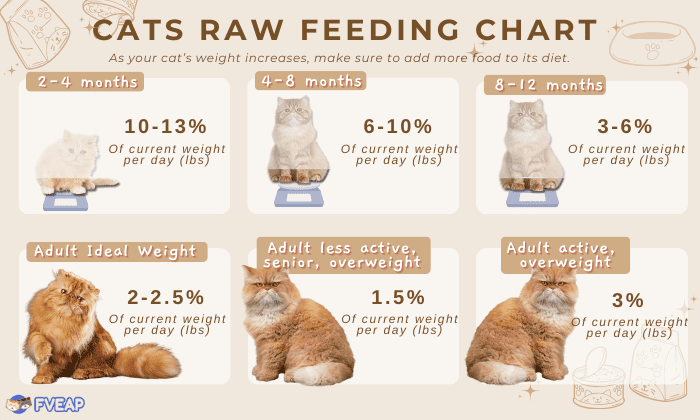
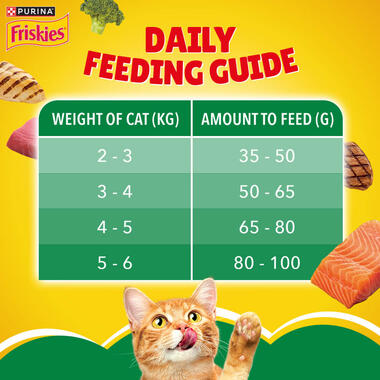
Portion recommendations are often found on the label. These suggest how much food your cat needs daily. Consider your cat's weight and activity level. Overfeeding can lead to obesity. Underfeeding might cause malnutrition. Adjust portions as your cat's needs change. Always have fresh water available for your cat.
Calculating Daily Food Intake
Understanding how much food your adult cat needs daily is crucial. Proper feeding ensures your cat stays healthy and happy. Calculating daily food intake involves knowing their caloric needs and adjusting portions accordingly. Let's explore how you can determine the right amount of food for your furry friend.
Using Caloric Needs
Every cat has different caloric needs. Factors like age, weight, and activity level affect these needs. Generally, an average adult cat requires around 20 calories per pound. For a 10-pound cat, this totals to 200 calories daily. Check the calorie content on your cat food packaging. This helps in matching the calories with your cat's needs. Always consult with a vet for specific dietary advice. They can offer personalized recommendations based on your cat's health.
Adjusting Portions
Once you know the caloric needs, adjust your cat's portions. Divide the total daily calories into two or more meals. This helps prevent overeating and maintains energy levels. Monitor your cat's weight regularly. Changes in weight may require portion adjustments. Always provide fresh water alongside meals. This supports overall health and hydration. If your cat seems hungry or full, tweak the portions slightly. It’s important to observe your cat's behavior and adjust accordingly.
Establishing A Feeding Schedule
Cats need a balanced diet. Feed adult cats about 24 to 35 calories per pound daily. Adjust based on their activity level.
Establishing a feeding schedule for your adult cat is crucial to maintaining their health and happiness. A well-structured feeding routine not only helps manage their weight but also provides them with a sense of security. By setting a consistent schedule, you can ensure your cat gets the nutrition they need and avoid overfeeding, which can lead to obesity and other health issues.
Meal Frequency
Deciding how often to feed your cat can depend on their individual needs and lifestyle. Most adult cats thrive on two meals a day. This aligns with their natural hunting instincts, where they would typically eat smaller meals frequently throughout the day. Some cats may benefit from three smaller meals, especially if they are more active or have specific health considerations. It’s important to observe your cat’s behavior and energy levels to determine what works best for them.
Consistent Feeding Times
Consistency is key in a cat's feeding schedule. By feeding your cat at the same times each day, you establish a routine that helps them feel secure and reduces anxiety. This can be particularly helpful if your cat has a sensitive stomach or tends to overeat when stressed. Choose feeding times that fit well with your daily routine. If you work during the day, consider feeding your cat once in the morning and once in the evening. This schedule can help prevent them from feeling hungry while you're away. Have you ever noticed how your cat seems to know when it’s mealtime even without a clock? Cats are creatures of habit, and they quickly adapt to regular feeding times. By sticking to a consistent schedule, you not only cater to their biological needs but also strengthen your bond with them. Are you ready to set a feeding schedule that keeps your cat happy and healthy?
Monitoring Your Cat's Health
Adjusting cat food portions daily helps maintain their health. Adult cats typically need about 24 to 35 calories per pound. Monitor weight changes to ensure they receive appropriate nutrition.
Monitoring your cat's health is crucial when determining how much cat food to serve your adult feline each day. Cats, much like humans, have unique dietary needs and maintaining a balance is key. As a cat owner, you might find yourself asking, "Is my cat eating the right amount?" Keeping an eye on your cat's health and weight can help answer this question. It's essential to look for specific signs to ensure your cat is neither overfed nor underfed.
Signs Of Overfeeding
Overfeeding your cat can lead to obesity, which poses various health risks. You might notice your cat is gaining weight at a steady pace, and their ribs may become hard to feel. Your cat may also become less active, preferring to lounge around rather than play. An overfed cat can develop digestive issues, such as diarrhea or constipation. Monitor their eating habits. Are they leaving food in the bowl or begging for more even after a meal? These could be signs that their portions are too large.
Signs Of Underfeeding
On the flip side, underfeeding can also harm your cat's health. If your cat is losing weight unexpectedly, this could be a sign they're not getting enough food. Watch for changes in their coat. A lack of essential nutrients can cause their fur to become dull and dry. Is your cat acting more lethargic than usual? A drop in energy might indicate they aren't getting enough calories to fuel their activities. Consider your own experience. Have you noticed your cat meowing more frequently near mealtime or attempting to steal food? These behaviors might hint that they're still hungry. Monitoring your cat's weight and behavior is key. Regular vet check-ups can also help ensure your cat maintains a healthy weight. Have you noticed any changes in your cat's appetite or weight? Keeping a close eye on these signs can make all the difference in your cat's well-being.
Consulting A Veterinarian
Consulting a veterinarian ensures your adult cat gets the right amount of food daily. They offer guidance on nutritional needs, helping you avoid overfeeding or underfeeding. Proper consultation leads to a balanced diet, contributing to your cat's overall health and well-being.
When determining how much cat food your adult cat should eat daily, consulting a veterinarian is invaluable. A vet can provide expert guidance tailored to your cat's unique needs. They consider factors like age, weight, activity level, and health conditions. This professional advice ensures that your furry friend is getting just the right amount of nutrients.
Tailored Feeding Plans
Veterinarians can create a feeding plan specifically for your cat. They assess your cat's lifestyle and nutritional requirements. This personalized approach helps prevent overfeeding or underfeeding. Imagine your cat is slightly overweight. A vet might suggest a lower-calorie diet, adjusting portion sizes to help them slim down healthily. Conversely, if your cat is underweight, they might recommend a calorie-dense diet to increase weight safely.
Addressing Dietary Concerns
Sometimes, cats have specific dietary needs due to health issues. A vet can identify these concerns and suggest appropriate dietary adjustments. This could include recommending hypoallergenic foods for cats with allergies or special formulas for those with kidney issues. Have you ever noticed your cat scratching excessively or having digestive problems? These could be signs of a food allergy or intolerance. Consulting a vet can help pinpoint the issue and guide you toward suitable food options. This proactive approach not only enhances your cat’s health but also improves their overall quality of life. By consulting a veterinarian, you're not just feeding your cat; you're investing in their long-term health and happiness. Have you scheduled a vet visit to discuss your cat's nutrition recently? It could make all the difference.
Credit: www.keuka-studios.com
Credit: www.purina-arabia.com
Frequently Asked Questions
How Much Food Should A Cat Eat Daily?
An adult cat typically needs about 200-250 calories per day. This amount may vary based on age, weight, and activity level. Consult your vet for personalized advice to ensure your cat's nutritional needs are met.
Can I Feed My Cat Once A Day?
Feeding once a day is not ideal for cats. They thrive on multiple small meals to maintain energy levels. Consider feeding two to three times daily to mimic their natural hunting patterns.
Is Wet Food Better Than Dry Food For Cats?
Wet food is often more palatable and hydrating for cats. However, dry food can aid dental health. A balanced diet incorporating both types may offer the best nutritional benefits.
How To Adjust Cat Food For Weight Loss?
For weight loss, reduce your cat's daily calorie intake by 20%. Choose foods high in protein and low in calories. Regularly monitor their weight and consult a vet for a tailored plan.
Conclusion
Feeding your adult cat the right amount is crucial. It keeps them healthy and active. Pay attention to their weight and activity level. These factors guide the food amount. Remember, cats need balanced nutrition. Consult your vet for personalized advice.
They know what's best for your cat. Monitor changes in eating habits closely. Adjust the food amount as needed. It's all about maintaining their well-being. A healthy diet equals a happy cat. Aim for a routine that suits your feline friend.
Your care makes all the difference. Keep their bowl filled with love and quality food.