Feeding your cat the right amount of food is crucial for their health and happiness. But with so many pet supplies available, figuring out the perfect portion can feel overwhelming.
Are you giving your feline friend too much, or perhaps not enough? This question often leaves cat owners puzzled, but you’re not alone. Understanding your cat's dietary needs not only ensures they maintain a healthy weight but also keeps their energy levels high and their coat shiny.
In this blog post, we'll guide you through the essentials of determining how much you should feed your cat. Stick around to discover simple tips and tricks that will make mealtime a breeze, ensuring your furry companion stays healthy and satisfied.

Credit: www.vets4pets.com
Cat Nutritional Needs
Cats need a balanced diet for health. Feed them according to their size, age, and activity level. Pet supplies often provide feeding guidelines on labels.
Understanding your cat's nutritional needs is crucial for its health and happiness. Just like humans, cats require a balanced diet to thrive. But how much should you feed your furry friend? This question often puzzles pet owners. Knowing the specifics of what your cat needs can make all the difference in their well-being and longevity. It’s not just about filling up their bowl; it’s about ensuring they get the right nutrients in the correct quantities. Feeding your cat properly can lead to fewer vet visits and a more active, content pet.
Understanding Cat Diets
Cats are obligate carnivores, meaning they require a diet primarily made of meat. Their bodies are designed to digest and use nutrients from animal flesh efficiently. A diet rich in protein is essential for their muscle maintenance and energy. You might be surprised to learn that cats have a limited ability to process carbohydrates, so a diet high in grains or vegetables isn't ideal. Think about how your cat behaves when it’s time to eat. Do they eagerly await their meal, or are they picky? Understanding these habits can give you clues about whether their diet is meeting their needs.
Common Nutrients In Cat Food
Cat food should include specific nutrients to keep your pet healthy. The most important is protein, which should be the main component of their diet. Cats also need taurine, an amino acid found in animal tissue, which is crucial for their heart and vision health. Without it, cats can develop serious health issues. Fat is another essential component, providing energy and supporting cell function. Look at the labels on your cat food. Are these nutrients prominently listed? If not, it might be time to reconsider your choices. Check with your vet if unsure. Do you think your cat is getting everything they need from their current diet? If not, tweaking their meals could lead to a happier, healthier pet.
Types Of Cat Food
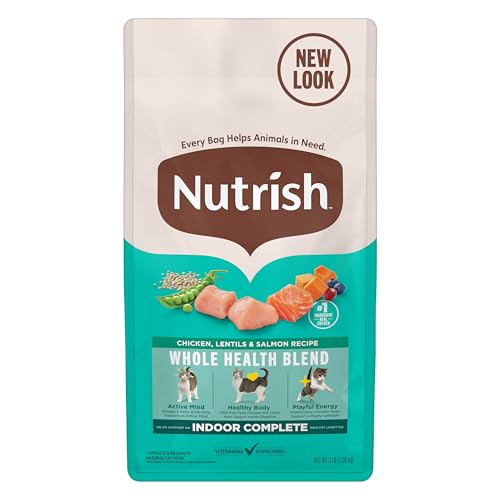
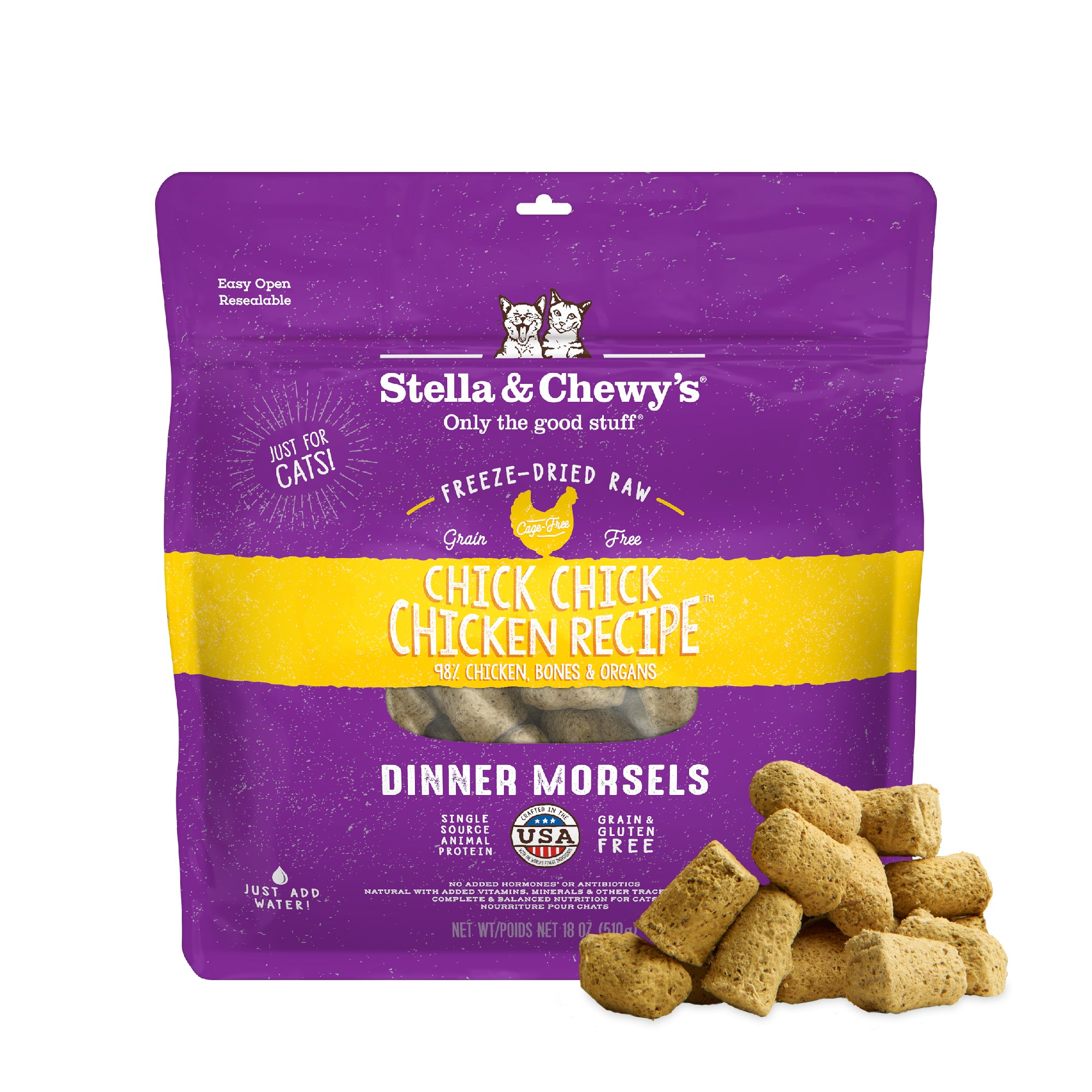
Cat food comes in various types like dry kibble, wet canned, and raw diets. Each type has different nutritional values impacting how much you should feed your cat. Balancing these options with your pet's health needs ensures proper nutrition and satisfaction.
When feeding your cat, it's essential to choose the right food type. The right choice ensures your pet's health and happiness. Different cats have different dietary needs. Understanding the options helps you make informed decisions. Let's explore the main types of cat food available.
Dry Vs. Wet Food
Dry food, often called kibble, is convenient and long-lasting. It helps keep your cat's teeth clean. Cats can graze on it throughout the day. Wet food contains more moisture, which is beneficial for hydration. It's often tastier and more aromatic. Cats with dental issues may prefer wet food. Both types have their benefits. Consider your cat's preferences and health needs.
Specialty Diet Options
Some cats need specialty diets due to health issues. These include grain-free, high-protein, or senior formulas. Grain-free diets suit cats with allergies. High-protein diets mimic a cat's natural diet. Senior formulas cater to older cats' nutritional needs. Veterinary diets address specific health concerns. Consult your vet before switching to a specialty diet. Always ensure the diet meets your cat's nutritional requirements.
Feeding Schedules
Cats need specific feeding schedules for good health. Feed your cat based on its age, size, and activity level. Check pet food packaging for guidance on portions to keep your cat healthy and satisfied.
Feeding schedules are crucial for maintaining your cat's health and well-being. Cats, just like humans, benefit from a structured routine. It helps them manage their energy levels and keeps their digestive systems happy. But how do you decide on the right feeding schedule for your feline friend?
Age-based Feeding
Kittens, adults, and seniors all have different needs. Kittens require more frequent meals due to their rapid growth. Aim for three to four meals a day. As they transition into adulthood, you can shift to two meals daily. Senior cats may need smaller, more frequent meals to accommodate their changing metabolism. I remember when my own cat, Whiskers, was a kitten. He had seemingly endless energy and a voracious appetite. Adjusting his meal times to match his growth spurt was key to his health.
Adjusting For Health Conditions
Some cats have special dietary needs due to health conditions. Conditions like diabetes or kidney disease may require a unique feeding schedule. Consult your vet to tailor meals that meet these needs. Consider if your cat is overweight or underweight. Adjust the portion size and frequency accordingly. Don't just follow the standard suggestions—observe how your cat responds. Have you noticed any changes in your cat's behavior or weight lately? This might be a sign to reassess their feeding schedule. Your cat's health and happiness can be directly influenced by how often and how much you feed them. By maintaining a thoughtful feeding schedule, you can help ensure your cat stays healthy and content.
Portion Control
Feeding your cat the right amount is crucial for its health. Consider its age, weight, and activity level. Follow guidelines on the pet food label for proper portion control.
Ensuring your cat receives the right amount of food is crucial for their health and happiness. Portion control is not just about keeping your cat from becoming overweight; it also ensures they get the necessary nutrients. With the right approach, you can help your cat maintain a healthy weight and live a longer, happier life.
Determining Portion Sizes
Determining the right portion size for your cat can feel like a guessing game. A good starting point is to check the feeding guidelines on your cat food packaging. These guidelines usually suggest portion sizes based on your cat's weight and age. However, every cat is different. You might need to adjust the serving sizes based on your cat’s activity level and metabolism. If your cat is more active, they may need a bit more food.
Avoiding Overfeeding
Overfeeding is a common mistake many cat owners make. It can lead to obesity, which poses several health risks. Leaving food out all day might seem convenient, but it can encourage overeating. Instead, try scheduled feeding times to regulate your cat's intake. Consider using a measuring cup for precision. This way, you can ensure your furry friend isn’t getting too many calories. Ask yourself if you’re feeding your cat out of habit or boredom. Sometimes, we offer food to our pets when they don’t really need it. Keeping a feeding schedule helps you avoid this pitfall. Incorporating portion control into your cat’s feeding routine can make a big difference. Start small by adjusting meal sizes and observe any changes in your cat’s weight and energy levels. What small change can you make today to support your cat’s health?
Choosing Pet Supplies
Choosing pet supplies for your feline friend is more than just a shopping spree—it's an essential step in nurturing their health and happiness. You want to ensure that every meal is not just filling but truly nourishing. The right supplies can make feeding time a breeze, turning it into a bonding moment rather than a chore. Have you ever wondered if your cat's dinner setup is as comfortable as it could be? Let's explore the essentials for making feeding time perfect for your whiskered companion.
Essential Feeding Tools
Investing in the right feeding tools can transform mealtime. Basic items include a sturdy bowl for food and a separate one for water. Stainless steel or ceramic bowls are great choices; they are easy to clean and durable. Avoid plastic bowls as they can harbor bacteria and odors. Does your cat often knock over their bowl? Consider weighted options or those with rubber grips to prevent spills.
Automatic feeders can be a lifesaver if you have a busy schedule. They dispense food at set times, ensuring your cat never misses a meal. These are particularly useful if your cat has a strict diet or if you want to prevent overeating. Have you thought about how much peace of mind an automatic feeder can bring?
Recommended Brands
Choosing the right brand can make a significant difference in your pet's feeding experience. Brands like PetSafe and Catit offer reliable automatic feeders and high-quality bowls. PetSafe's automatic feeders are known for their durability and ease of use, making them a favorite among pet owners. Have you tried their programmable models that allow portion control?
Catit is another trusted brand, especially for feeding bowls. Their designs are stylish and practical, often featuring anti-slip bases that cater to lively eaters. Do your cat's bowls match your kitchen decor? With Catit, they can! These brands prioritize your cat's comfort and your convenience, ensuring feeding time is hassle-free.
Think about how these tools and brands can simplify your routine while boosting your cat's joy during meals. Are you equipped with the best supplies for your furry friend? If not, it might be time to upgrade your cat's feeding station.
Credit: www.stellaandchewys.com
Monitoring Your Cat's Weight
Feeding your cat the right amount of pet supplies is essential for maintaining a healthy weight. Adjust portions based on age, activity, and health needs. Regular monitoring ensures your cat stays fit and happy.
Monitoring your cat's weight is essential for its health. Understanding the right balance can prevent various health issues. Regular checks ensure your cat stays healthy and happy.
Signs Of Healthy Weight
A healthy cat has a visible waist. Their ribs are easy to feel, but not see. Watch for a sleek body shape. A cat's fur should be shiny and smooth. Energy levels are good indicators too. Active cats usually have a healthy weight. Eating habits should be regular and balanced. Litter box visits should be consistent.
Addressing Weight Issues
Sudden weight changes need attention. Overweight cats risk diabetes and arthritis. Underweight cats may suffer from malnutrition. Consult a vet for any drastic weight shifts. Adjust food portions as needed. Monitor your cat's activity levels. Increase playtime for overweight cats. Choose high-quality pet supplies. Ensure your cat's diet is nutrient-rich. Regular vet visits help maintain ideal weight.

Credit: www.tippaws.com
Frequently Asked Questions
How Often Should I Feed My Cat?
Cats should be fed twice a day, once in the morning and once in the evening. Consistent feeding times help maintain their digestive health. For kittens, consider feeding them three times a day to support their growth. Always ensure fresh water is available.
What Is The Right Portion Size For My Cat?
Portion sizes vary based on your cat's age, size, and activity level. Generally, adult cats need 24-35 calories per pound daily. Always check the feeding guidelines on cat food packaging and consult your veterinarian for personalized advice.
Can I Give My Cat Treats Daily?
Yes, but treats should not exceed 10% of your cat's daily calorie intake. Overfeeding treats can lead to obesity. Choose healthy, low-calorie treats and incorporate them into your cat's diet wisely. Always balance treats with their regular meals.
How Do I Know If My Cat Is Overweight?
Check your cat's weight by feeling their ribs and observing their waist. If ribs are difficult to feel, your cat might be overweight. A visible waistline is a good indicator of healthy weight. Consult your veterinarian for a professional assessment.
Conclusion
Feeding your cat the right amount is essential for health. Start with understanding your cat's needs. Consider age, weight, and activity level. Consult your vet for advice. Measure food portions carefully. Avoid overfeeding to prevent weight issues. Choose high-quality pet supplies for balanced nutrition.
Monitor your cat’s weight and energy levels. Adjust feeding as needed. Remember, a healthy cat means a happy cat. Treats are fine, but in moderation. Your feline friend relies on you. Keep their diet simple and nutritious. Happy feeding to you and your furry companion!