Are you tired of being serenaded at all hours by your feline friend? If you’ve ever wondered if there’s a quieter breed out there, you’re not alone.
Finding a cat that matches your lifestyle, especially when it comes to noise, can be a game-changer. Imagine enjoying the companionship of a cat without the constant chatter. Sounds peaceful, right? We’ll dive into the world of cats that prefer a quieter existence.
Get ready to discover which cat breeds are known for their calm and silent demeanor. Your perfect feline companion might just be waiting for you to find them.
Quiet Cat Breeds
Not all cats are loud and chatty. Some prefer silence and peace. These quiet cat breeds are ideal for calm households. They offer love without constant noise. Discover which breeds are less vocal and bring tranquility home.
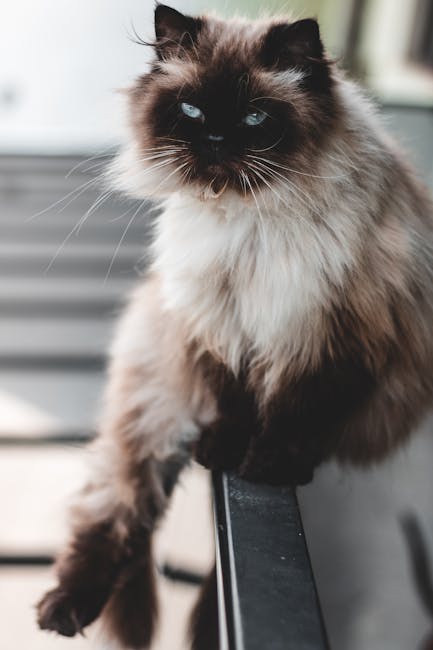
Persians are known for their gentle nature. They rarely meow or make noise. Their focus is on lounging and relaxation. If you want a serene companion, Persians are ideal. Their calm demeanor fits well in quiet homes.
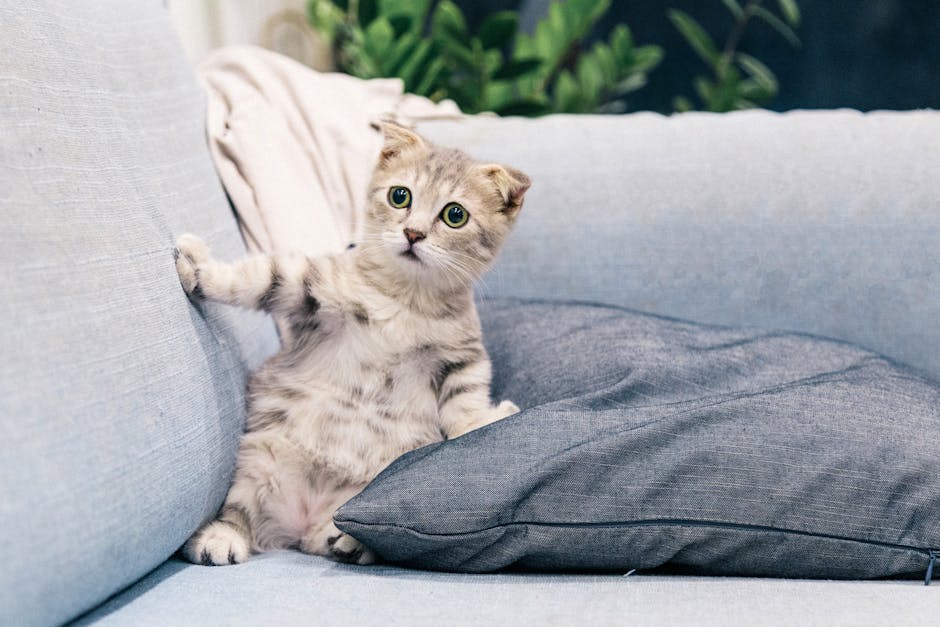
Scottish Folds are quiet by nature. Their soft voice rarely disturbs the peace. They enjoy quiet environments and gentle interactions. Their folded ears add to their unique charm. Perfect for anyone seeking a tranquil pet.
Russian Blues are calm and reserved. They express themselves through subtle gestures. Meowing is rare, making them perfect for quiet spaces. Their serene personality brings a peaceful vibe to any home.
British Shorthairs are known for their calm demeanor. They are not vocal and enjoy solitude. Their independent nature makes them easygoing pets. Ideal for those who appreciate silence and companionship.
Ragdoll Cats
Ragdolls are large but quiet. They prefer gentle interactions and soft voices. Meowing is infrequent, adding to their calm presence. Their relaxed nature makes them great for serene households.
Characteristics Of Silent Cats
Cats are known for their various vocalizations. Some breeds are more silent. They communicate in quieter ways. Silent cats prefer subtle gestures over loud meows. Understanding these breeds helps create a peaceful home. Silent cats offer a unique charm.
Silent cats have calm personalities. They don't seek attention with noise. Their communication is subtle and often non-verbal. These cats are more reserved. Owners find their quiet nature soothing. Silent cats enjoy peaceful environments.
Gentle Non-verbal Communication
Silent cats use body language. They express through eye contact and posture. Their tails tell stories. A slow blink means affection. They communicate with gentle nudges. Silent cats convey emotions with quiet elegance.
Preference For Quiet Environments
Silent cats thrive in calm homes. Loud noises disturb them. They seek peaceful spaces. Owners notice their preference for quiet corners. Silent cats relax in serene settings. They enjoy a tranquil lifestyle.
Natural Curiosity Without The Noise
Silent cats explore silently. Their curiosity is evident without loud meows. They investigate every nook quietly. Owners observe their stealthy movements. Silent cats are intrigued by new objects. Their curiosity is subtle yet engaging.
Less Vocal, More Observant
Silent cats are observant. They watch their surroundings closely. Owners see them analyzing every detail. Silent cats learn through observation. Their intelligence shines quietly. They understand the environment without vocalizing.
Benefits Of A Quiet Cat
Choosing a cat breed involves considering various factors, including noise levels. Some cat breeds are known for their quiet nature. A quiet cat can bring a sense of calm to a household. Their gentle presence can reduce stress and create a peaceful environment. Let's explore the benefits of having a quiet cat in your home.
1. Reduced Noise In Your Home
Quiet cats don't disrupt your peace with constant meowing. This means fewer interruptions during work or relaxation time. Your home remains a tranquil space, perfect for unwinding after a long day.
2. Easier Apartment Living
Quiet cats suit apartment living due to minimal noise. Neighbors appreciate the peace, and you avoid noise complaints. This makes them ideal for city dwellers seeking companionship.
3. Less Stress For Sensitive Individuals
Some people are sensitive to noise. A quiet cat offers companionship without overwhelming them. They provide comfort without adding to sensory overload.
4. Better Sleep Quality
Quiet cats allow you to sleep soundly without disruptions. Their calm nature ensures peaceful nights. This contributes to better overall health and well-being.
5. Ideal For Families With Young Children
Quiet cats fit well with families with young kids. They don’t startle easily, making them gentle companions. Their soft presence helps in creating a calm environment.
6. Easier To Train And Communicate
Quiet cats often rely on body language to communicate. This makes training easier for owners. You learn to understand their needs without vocal cues.
7. Perfect For First-time Cat Owners
First-time cat owners benefit from a quiet pet. They are less demanding and easier to manage. This helps new owners adjust to pet responsibilities smoothly.

Credit: www.omlet.co.uk
Persian Cats
Persian cats are known for their quiet nature, making them one of the less vocal cat breeds. Their calm demeanor often means minimal meowing, creating a peaceful environment. Ideal for those who prefer a serene pet companion, Persians excel in expressing themselves through gentle gestures and soft purrs.
Persian cats are known for their luxurious fur and serene demeanor. Unlike some other breeds, they are not very vocal, making them perfect companions for those who prefer a quieter household. Their gentle nature and striking appearance often make them a favorite among cat enthusiasts.
Personality Traits
Persian cats are the embodiment of calmness and grace. They enjoy lounging around and are often content with just being in your presence. If you are seeking a cat that won’t demand constant attention, Persians are an ideal choice. These cats are affectionate but not overly demanding. They form strong bonds with their owners and enjoy quiet moments together. Have you ever experienced the joy of reading a book with a Persian cat purring softly by your side?
Care Requirements
Owning a Persian cat comes with specific care requirements. Their long, silky coat requires regular grooming to prevent matting and tangles. Daily brushing can be a bonding activity and keeps their fur in top condition. Persian cats are prone to certain health issues, so regular vet check-ups are essential. Ensuring their diet is balanced and nutritious helps maintain their overall health. Are you prepared to invest time in grooming and health care for a Persian cat? Providing a calm and clean environment is crucial. Persians thrive in a serene setting without too much noise or chaos. This breed appreciates a stable routine, so consider how your lifestyle aligns with their needs.
British Shorthair
British Shorthair cats are known for their quiet nature. They rarely vocalize, making them ideal for those seeking peaceful pets. With their calm demeanor, these cats communicate through body language rather than meows.
The British Shorthair is a beloved breed known for its calm demeanor. It is one of the oldest English cat breeds, with a rich history. This breed is perfect for those who prefer a quiet household. Its gentle nature makes it a great companion for families.
Temperament
British Shorthairs are known for their laid-back personality. They enjoy lounging around and observing their surroundings. These cats are not very vocal, preferring silence over excessive meowing. Their calm nature makes them ideal for peaceful homes. They are friendly but not clingy, making them independent yet affectionate.
Grooming Needs
British Shorthairs have dense fur that requires regular grooming. Their coat is plush and can shed moderately. Weekly brushing helps keep their fur smooth and healthy. Though they are not high-maintenance, attention to grooming prevents matting. Regular grooming sessions can also be bonding moments. It's a chance to nurture their gentle temperament further.
Russian Blue
Russian Blue cats are known for their quiet demeanor. This breed rarely meows or vocalizes, making them ideal for those seeking a silent companion. Their gentle nature pairs well with their peaceful presence.
The Russian Blue is a cat breed cherished for its striking appearance and serene demeanor. Known for their plush, blue-gray coats and enchanting green eyes, these cats are as beautiful as they are quiet. Unlike some other breeds, Russian Blues are not particularly vocal, making them perfect companions for those who prefer a more tranquil household.
Calm Nature
Russian Blues are renowned for their calm and gentle nature. These cats are not prone to excessive meowing or demanding attention. Instead, they communicate subtly, often using body language or a gentle purr. Their quiet demeanor can be soothing, especially after a long day. I remember the first time a friend visited my home, expecting the usual clamor associated with pets, only to find a serene environment thanks to my Russian Blue. She was amazed at how peaceful the atmosphere was. Have you ever experienced the calming presence of a pet like the Russian Blue?
Exercise Routine
Though quiet, Russian Blues are playful and enjoy a good exercise routine. They thrive on interactive play, which not only keeps them fit but also strengthens the bond with their owner. Toys that mimic hunting, like feather wands or laser pointers, are favorites. My Russian Blue loves chasing a simple piece of string for hours, which keeps him active and content. How do you ensure your pet gets enough exercise? Consider incorporating a playful routine that suits your lifestyle and your cat's preferences. Russian Blues are perfect for those who seek a serene yet engaging feline companion. Their balance of calmness and playfulness makes them a delightful addition to any home.
Scottish Fold
Scottish Folds are known for their quiet nature. These cats rarely make noise and prefer a peaceful environment. Their calm demeanor makes them a favorite for those seeking a serene feline companion.
The Scottish Fold is a cat breed known for its unique folded ears and calm demeanor. These cats are not just about their appearance; they are also among the quieter breeds. If you prefer a peaceful home without constant meows, the Scottish Fold might be the perfect companion for you.
Unique Features
Scottish Folds are famous for their distinctive ear shape, which folds forward and downward, giving them an owl-like appearance. This trait is due to a natural genetic mutation. Their eyes are large and round, adding to their expressive faces. Unlike other breeds, Scottish Folds have a soft, gentle voice, often choosing to communicate with their eyes or body language rather than vocalizing.
Living Environment
Scottish Folds thrive in calm and quiet environments. They adapt well to apartments and small spaces due to their relaxed nature. These cats enjoy the company of their owners but are not overly demanding of attention. Having a few cozy spots around your home will make them feel secure and loved. Do you have a quiet corner in your home where a Scottish Fold could curl up and relax? Consider how their peaceful presence could enhance your living space. Choosing a Scottish Fold means embracing a serene and gentle companion, perfect for those who appreciate tranquility in their lives.

Credit: m.facebook.com
Ragdoll
Ragdolls are a popular cat breed known for their striking blue eyes. Their plush fur and calm demeanor make them a favorite among cat lovers. They are large cats with a soft and floppy nature. Despite their size, Ragdolls are gentle giants. They are less vocal compared to other cat breeds. This characteristic makes them perfect for quiet homes.
Gentle Demeanor
Ragdolls have a sweet and gentle personality. They rarely meow or make loud noises. Their serene nature is soothing for owners. This breed prefers to communicate through soft purrs. They may follow you around without uttering a sound. Their quiet presence is comforting and peaceful.
Social Interaction
Despite being quiet, Ragdolls are very social. They love spending time with their human companions. They enjoy being held and cuddled. Ragdolls often greet you at the door. They show affection with gentle nudges. Their quiet nature does not mean they are aloof. They form strong bonds with their families.
Chartreux
The Chartreux cat is a delightful breed known for its quiet nature. This French feline has a stunning blue-gray coat and striking orange eyes. Chartreux cats are not vocal and prefer silence over meowing. They are gentle, affectionate, and form strong bonds with their families.
Adaptability
Chartreux cats adapt well to various living environments. They thrive in both apartments and houses. Their calm demeanor makes them perfect companions for any home. These cats are not easily stressed by changes. They handle new situations with grace and poise.
Dietary Needs
Chartreux cats have simple dietary needs. They require a balanced diet to maintain their health. Protein-rich foods are essential for their muscular build. Consult a vet to ensure the right nutrition for your Chartreux. Fresh water should always be available.

Credit: www.facebook.com
Selecting The Right Quiet Cat
Exploring quieter cat breeds can lead to a peaceful home. British Shorthairs and Russian Blues are known for their calm demeanor. These breeds often communicate with gentle purrs rather than loud meows, making them ideal companions for those seeking tranquility.
Choosing the perfect quiet cat for your home is an exciting journey. Whether you live in a bustling city apartment or a serene countryside home, a less vocal feline companion can be a peaceful addition to your life. Understanding which cat breeds are known for their quiet demeanor can help you make an informed decision that matches your lifestyle.
Understanding Quiet Cat Breeds
Some cat breeds are naturally quieter than others. For instance, the British Shorthair and the Russian Blue are known for their reserved nature. These breeds tend to communicate in subtle ways, relying more on body language than vocalizations.
Considering Your Living Environment
Think about the noise level in your living space. If you live in a small apartment, a quiet cat can be a great fit. A peaceful home environment can help quiet breeds feel safe and comfortable, encouraging their natural calmness.
Evaluating Your Lifestyle
Are you someone who enjoys a tranquil home after a hectic day? A quiet cat might be perfect for you. Their gentle presence can provide companionship without overwhelming noise.
Researching Breed-specific Traits
Different breeds come with unique characteristics. While a Siamese might be too talkative, the Chartreux is often praised for its silent companionship. Researching these traits can prevent surprises down the road.
Personal Experience: Finding My Quiet Companion
When I was looking for a cat, I wanted one that wouldn’t be a chatterbox. After some research, I decided on a British Shorthair. Now, my evenings are filled with quiet company, and I couldn’t be happier with my choice.
Asking The Right Questions
Consider what you want from a pet. Do you prefer a companion that communicates with more than just meows? Think about how a quiet cat can fit into your daily routine and enhance your home.
Consulting With Animal Experts
Reach out to veterinarians or breeders for advice. They can provide insights into the temperament of different breeds. This knowledge can be invaluable in helping you choose a cat that aligns with your expectations. Selecting the right quiet cat is about aligning their nature with your lifestyle. Which breed do you think would seamlessly integrate into your life?
Care Tips For Quiet Breeds
Quiet cat breeds offer a serene atmosphere for your home. Their calm presence is soothing. Providing proper care ensures their happiness and health. These breeds need a tailored approach to thrive. Understanding their unique needs enhances your relationship with them.
Understanding Their Need For Space
Quiet cats appreciate their personal space. They may retreat to their favorite spots. Creating cozy nooks helps them relax. Ensure these areas are free from disturbances. Respecting their need for solitude is essential.
Providing Mental Stimulation
Quiet breeds enjoy mental challenges. Interactive toys are great for engagement. Puzzle feeders offer rewarding experiences. Regular playtime keeps them active. Mental stimulation prevents boredom and anxiety.
Maintaining A Peaceful Environment
Noise can stress quiet cats. Limit loud sounds in your home. Use soft music for relaxation. Calming scents also aid in soothing them. A peaceful environment supports their well-being.
Establishing A Routine
Consistency is comforting to quiet breeds. A daily routine helps them feel secure. Regular feeding times are important. Scheduled playtime builds trust. Predictability reduces stress and anxiety.
Monitoring Health Closely
Quiet cats may hide signs of illness. Regular vet visits are crucial. Observe any changes in behavior. Notice any shifts in appetite. Early detection of health issues is vital.
Understanding Their Unique Communication
Quiet cats communicate subtly. Pay attention to body language. Notice their eye movements. Tail positions convey emotions. Listening closely fosters a deeper bond.
Frequently Asked Questions
What Are The Quietest Cat Breeds?
Some cat breeds are known for being less vocal. The British Shorthair, Russian Blue, and Scottish Fold are typically quiet. These breeds tend to communicate more subtly, using body language. They are ideal for those who prefer less noise at home.
Do Some Cats Rarely Meow?
Yes, certain cat breeds meow infrequently. Breeds like the Chartreux and Ragdoll are known for their minimal vocalizations. These cats often use other forms of communication. They are great for people who want a quieter companion.
Are Siamese Cats Loud?
Siamese cats are generally quite vocal. They are known for their distinctive, loud, and expressive meows. This breed frequently communicates with humans. If you prefer a silent pet, Siamese might not be ideal.
Which Cats Are Silent Companions?
Breeds like the Exotic Shorthair and American Shorthair are silent companions. They are less likely to meow often. These breeds offer a peaceful presence in your home. They are perfect for those who prefer tranquility.
Conclusion
Choosing a quiet cat breed offers peace and tranquility at home. Breeds like the British Shorthair or Scottish Fold rarely vocalize. These cats suit families seeking a calm environment. They express themselves through body language instead of constant meowing. Perfect for those preferring a silent companion.
Consider personality and lifestyle before adopting. Quiet breeds bring joy without noise. They provide comfort and companionship without disrupting peace. Understanding their needs ensures a happy, harmonious relationship. Enjoy the quiet moments with your feline friend. Embrace the serenity they bring to your life.