Have you ever gazed into the mesmerizing eyes of a Persian cat and wondered if there's more to their beauty than meets the eye? As a Persian cat owner or enthusiast, you might find yourself concerned about their health and well-being.
Understanding the potential health issues these charming felines might face is crucial for ensuring they live a happy, healthy life. You'll discover the common health challenges Persian cats encounter and how you can take proactive steps to address them. By the end, you'll be equipped with the knowledge to ensure your Persian cat remains as delightful and healthy as they are beautiful.
So, if you care deeply about your feline friend and want to make informed decisions about their health, keep reading. Your Persian cat deserves the best care possible, and it all starts here.
Common Health Problems
Persian cats often face health issues like breathing problems and eye conditions due to their flat faces. Regular vet visits help in managing these common concerns effectively. Proper care ensures their well-being.
Persian cats are undeniably one of the most adored feline breeds, thanks to their luxurious coats and sweet nature. However, owning a Persian cat comes with its own set of responsibilities, particularly regarding their health. Many owners wonder about the common health problems these cats might face. Understanding these issues can help you provide better care for your furry friend and ensure they lead a long, healthy life.
Respiratory Issues
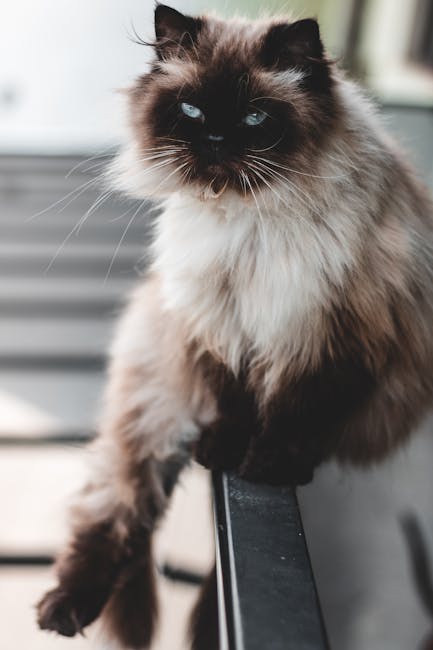
Persian cats are known for their distinct flat faces, a result of their brachycephalic nature. This unique feature, while endearing, often leads to respiratory issues. Your Persian might snore loudly or have difficulty breathing at times. During my first year with Luna, my Persian, I noticed her breathing was occasionally labored. A quick visit to the vet revealed that regular check-ups and a dust-free environment can significantly ease their breathing.
Dental Concerns
Dental health is crucial for Persians. Their flat faces can make them more prone to dental problems. You might find your cat struggling with tartar build-up or gum disease. Regular dental check-ups and cleanings are essential. I learned this the hard way when Gizmo, another Persian I had, developed a painful gum infection. A consistent dental routine could have prevented it. Do you brush your Persian's teeth regularly? If not, it might be time to start.
Skin Conditions
The luxurious coat of a Persian cat requires more than just admiration; it demands regular grooming. Without it, skin conditions can develop. Matted fur can lead to skin infections and irritations. I once skipped a couple of grooming sessions and noticed tiny knots starting to form on Luna’s coat. A quick grooming session and some gentle detangling saved the day. Would you be willing to set aside a few minutes each day to groom your Persian? It makes all the difference. Understanding these health issues is the first step towards ensuring your Persian cat remains happy and healthy. Regular veterinary care, combined with attentive home care, can prevent many of these common problems. Your Persian deserves the best, and with a little effort, you can ensure they get it.

Credit: www.facebook.com
Genetic Predispositions
Persian cats captivate with their beauty and charm. Yet, like many purebred cats, they have genetic predispositions to certain health issues. These inherited conditions can affect their quality of life. Understanding these genetic risks helps in providing better care.
Polycystic Kidney Disease
Polycystic Kidney Disease (PKD) is common in Persian cats. It causes fluid-filled cysts in the kidneys. Over time, these cysts impair kidney function. This condition is inherited from parent cats. Regular vet check-ups can help detect PKD early. Ultrasounds are a common method for diagnosis. Early detection allows for better management of the disease.
Hypertrophic Cardiomyopathy
Persian cats are also prone to Hypertrophic Cardiomyopathy (HCM). This heart condition causes the heart muscles to thicken. It affects the heart's ability to pump blood efficiently. HCM is a genetic condition. Some Persian cats show no symptoms. Regular heart screenings can help identify HCM early. Treatment options are available to manage symptoms.
Breathing Challenges
Persian cats are known for their charming flat faces. Yet, this unique feature can lead to breathing challenges. These issues stem from their facial structure. It's essential to understand these challenges for better pet care.
Brachycephalic Obstruction
Persian cats have a brachycephalic facial structure. This means their skulls are shorter than usual. Their noses are flat and pushed in. This can cause brachycephalic airway obstruction syndrome. It affects their breathing ability. Their nasal passages are narrowed. This makes airflow difficult. Cats may snore or wheeze. In severe cases, they might struggle to breathe.
Airway Health
Regular vet check-ups are crucial for Persian cats. They help monitor airway health. Vets can identify breathing problems early. Keeping your cat's weight in check helps. Extra weight can worsen breathing issues. A balanced diet is important. Ensure your home is cool. Hot environments can stress their breathing. Provide clean, fresh water always. It helps keep their airways moist.

Credit: untamed.com
Eye Complications
Persian cats are famous for their beautiful eyes. But they often face eye problems. These issues can affect their quality of life. Regular check-ups can help detect problems early. Early detection can lead to better treatment outcomes.
Tear Duct Blockages
Persian cats have flat faces. This unique feature can cause tear duct blockages. Tears can't drain properly. This results in constant tear overflow. Owners may notice wet fur around the eyes. Regular cleaning can help manage this issue. A vet can provide more solutions.
Corneal Issues
Persian cats may suffer from corneal problems. Their eyes are large and prominent. This makes them more prone to scratches. Dust, dirt, or even their own fur can cause irritation. Corneal ulcers might develop if untreated. Seek veterinary care if irritation occurs.
Diet And Nutrition
Persian cats often face health challenges due to their flat faces. Breathing difficulties and eye issues are common problems. Proper diet and nutrition can help manage these conditions and improve their overall well-being.
Persian cats are a popular breed known for their luxurious coats and charming personalities. But like all pets, their health is greatly influenced by their diet and nutrition. Ensuring your Persian cat receives the right nutrients can help mitigate common health issues associated with this breed. Let's delve into the specifics of managing your Persian cat's diet to promote their well-being.
Weight Management
Controlling your Persian cat's weight is crucial for their overall health. Persian cats tend to be less active due to their calm nature, which can lead to weight gain. Monitoring their calorie intake is essential. Overfeeding can quickly lead to obesity, bringing about joint issues and diabetes. Using a measuring cup when feeding helps keep portions in check. Pay attention to the food label's serving sizes, adjusting as needed for your cat's activity level. Consider interactive toys to encourage movement and play. These activities not only help maintain a healthy weight but also stimulate your cat mentally. Have you noticed how even a simple laser pointer can get a Persian cat moving? Small changes like this can make a big difference in their health.
Essential Nutrients
Providing a balanced diet rich in essential nutrients is vital for your Persian cat's health. They need a diet high in protein and fat to support their energy levels and maintain their beautiful coat. Omega-3 and Omega-6 fatty acids are particularly important for skin health and fur quality. Look for cat foods that list fish oil or flaxseed oil among their ingredients. These nutrients support a shiny, thick coat, a hallmark of the Persian breed. Taurine is another critical nutrient for heart health and vision. Most commercial cat foods are fortified with taurine, but it's worth checking the label to ensure your cat is getting enough. Have you ever thought about supplementing with taurine if your cat's diet seems lacking? It can be a simple yet effective way to support their health. By focusing on these aspects of diet and nutrition, you can help your Persian cat live a healthier, happier life. What changes will you make to your cat's diet today?
Preventive Care
Persian cats are adored for their beauty and gentle nature. Yet, they need special care to stay healthy. Preventive care plays a crucial role in their well-being. It helps catch problems early and keeps them happy.
Regular Vet Visits
Regular vet visits are essential for Persian cats. These visits help monitor their health. Vets can detect issues like kidney disease early. Early detection means better treatment options. Schedule check-ups at least twice a year. This ensures your Persian cat stays in top health.
Vaccinations
Vaccinations protect Persian cats from many diseases. Cats need shots to prevent common illnesses. Vaccines shield them from feline leukemia and rabies. Keep a record of your cat's vaccination schedule. Keeping up with shots keeps them safe and healthy.
Grooming Needs
Persian cats are renowned for their long, flowing coats and sweet faces. Their majestic appearance requires regular grooming. Proper care ensures their health and happiness. Neglecting grooming can lead to discomfort or health issues. Understanding their grooming needs is vital for every Persian cat owner.
Coat Maintenance
Persian cats have a dense, silky coat that demands daily attention. Brushing helps prevent tangles and mats. Use a wide-tooth comb first, then a soft brush. This routine removes loose hair and reduces shedding. Regular grooming sessions strengthen your bond with your cat. It keeps their coat shiny and healthy.
Hygiene Practices
Cleaning is essential for maintaining Persian cat hygiene. Their long fur can trap dirt and debris. Wipe their eyes daily to prevent tear staining. Trim the fur around their rear to prevent fecal matting. Bathing them once a month helps keep their coat fresh. Use cat-friendly shampoo and warm water for bathing.
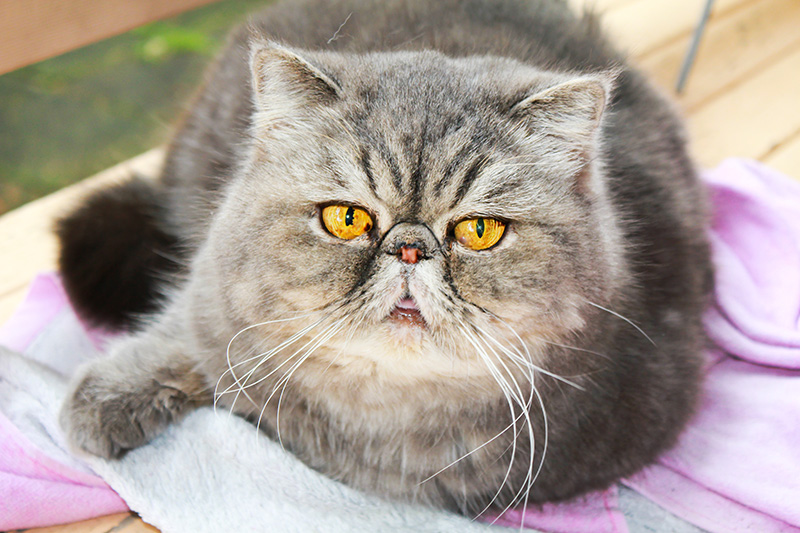
Credit: www.rvc.ac.uk
Frequently Asked Questions
Are Persian Cats Prone To Breathing Issues?
Yes, Persian cats can have breathing issues due to their flat faces. Their brachycephalic skull shape often leads to respiratory problems. Regular vet check-ups and a suitable environment can help manage these issues.
Do Persian Cats Suffer From Eye Problems?
Persian cats often have eye problems due to their facial structure. They can develop tear staining and infections. Regular cleaning of their eyes and vet visits are essential to prevent complications.
How Common Are Dental Issues In Persian Cats?
Dental issues are quite common in Persian cats. Their unique jaw structure can lead to overcrowded teeth and gum disease. Regular dental check-ups and proper oral hygiene can help maintain their dental health.
Are Kidney Problems Frequent In Persian Cats?
Yes, Persian cats are prone to polycystic kidney disease (PKD). This genetic condition can lead to kidney failure. Early detection through genetic testing and regular vet check-ups are crucial for managing their kidney health.
Conclusion
Persian cats are beautiful but need special care. They often face health issues. Breathing problems are common due to their flat faces. Regular grooming helps prevent skin issues. Eye problems can occur, so watch for signs. Dental care is crucial for their well-being.
Always ensure visits to the vet. A healthy diet supports their overall health. Understand their needs for a happy life. Persian cats bring joy with proper attention. Owners must stay informed and proactive. Their unique traits require love and commitment.
With care, they can thrive and brighten homes.