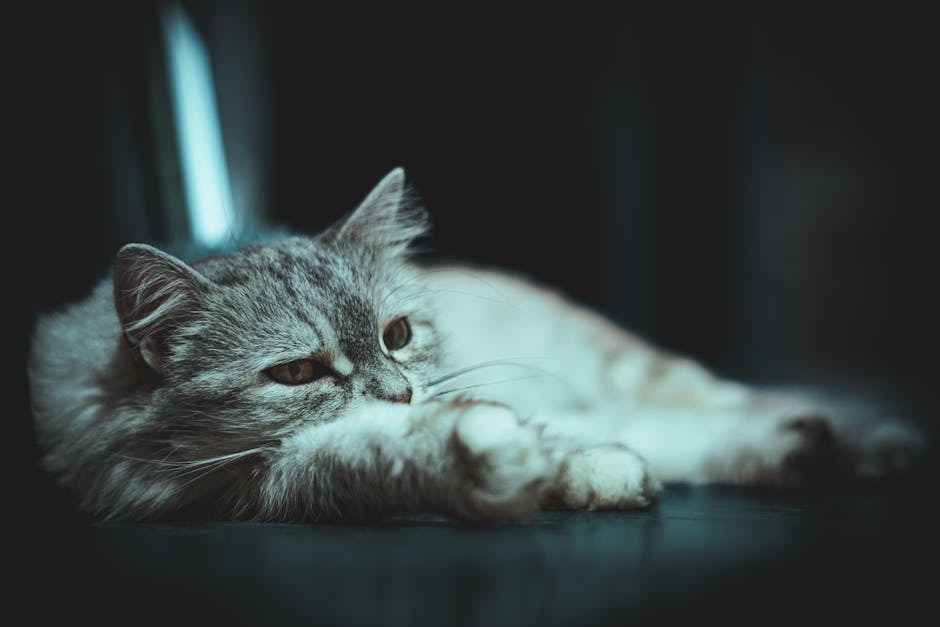
Have you ever gazed into your cat's eyes, wondering what breeds make up your feline friend? You're not alone.
Many cat owners are curious about the unique mix that gives their cat its distinct personality and appearance. Unraveling the mystery of your cat's lineage can be as fascinating as it is rewarding. Understanding your cat's breed mix can provide insights into their behaviors, quirks, and health needs.
As you explore the possibilities, you'll find yourself connecting even more deeply with your beloved pet. Stick around, and let's dive into the captivating world of cat genetics together.

Credit: www.reddit.com
Feline Ancestry
Understanding your cat's ancestry can be a fascinating journey. It reveals not only their unique traits but also uncovers their rich heritage. Each breed has a story, carrying distinct characteristics and behaviors that shape who your furry friend is today. Curious about what breeds make up your cat? Let's dive into the intriguing world of feline ancestry.
What Is Feline Ancestry?
Feline ancestry refers to the genetic lineage that shapes your cat's characteristics. This lineage influences everything from physical appearance to personality traits. Knowing your cat's ancestry can help in understanding their needs better, like why they prefer certain foods or enjoy particular activities.
Understanding Your Cat's Genetic Makeup
Ever wondered why your cat has a bushy tail or striking blue eyes? These features are influenced by their genetic makeup. Specific breeds contribute different traits. For example, the Siamese breed is known for its vocal nature and striking blue eyes, while the Maine Coon is famous for its large size and bushy tail.
How To Identify Your Cat's Ancestry
Identifying your cat's ancestry can be both fun and insightful. Consider using a genetic testing kit. These kits analyze your cat's DNA and reveal their breed composition. You may find surprising results that explain your cat's quirky habits or distinct features.
What Can You Learn From Your Cat's Ancestry?
Your cat's ancestry can provide clues about their health tendencies. Some breeds may be predisposed to specific health issues, like heart conditions in Ragdolls. Knowing this can help in preventive care. It also aids in understanding behavioral tendencies, like the playful nature of Bengals.
Why Does Understanding Feline Ancestry Matter?
Understanding your cat's ancestry can deepen the bond you share. It helps in tailoring their care and environment to suit their unique traits. Plus, it's a great conversation starter with fellow cat lovers. Are you ready to discover the hidden stories behind those curious eyes?

Credit: www.aireserv.com
Identifying Cat Breeds
Identifying cat breeds can be a rewarding journey. Many cat owners are curious about their feline's ancestry. Discovering your cat's breed involves observing physical traits and behavioral characteristics. These clues help unravel the mystery of your cat's lineage.
Physical Traits
Physical traits are key indicators of a cat's breed. Eye shape and color can offer hints. Some breeds have unique eye colors, like blue or green. Fur length and texture are also significant. Persian cats have long, thick fur. Siamese cats have short, sleek coats.
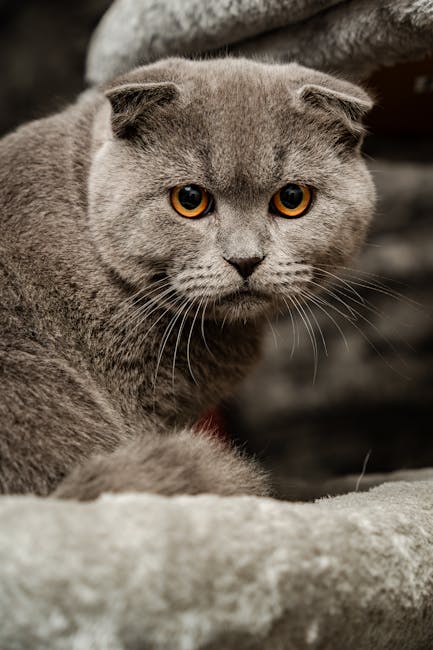
Ear shape varies among breeds, too. Scottish Folds have distinctive folded ears. Tail length and shape might provide clues. Manx cats often have short or missing tails. Patterns on the fur, like stripes or spots, can suggest specific breeds. Bengal cats are known for their spotted coats.
Behavioral Characteristics
Behavioral traits can reveal a cat's breed. Some cats are more vocal than others. Siamese cats are known for their chatty nature. Playfulness varies among breeds. Bengals are active and playful. Personality traits can be telling as well.
Ragdolls are known for their relaxed demeanor. Some breeds are more affectionate. Burmese cats enjoy human interaction. Other cats are independent. British Shorthairs are more reserved. Understanding these behaviors helps identify your cat's breed.
Popular Cat Breeds
Ever wonder what breeds contribute to your cat's unique charm? Some cats have features that hint at specific breeds. Let's explore some popular breeds that might be part of your furry friend's heritage.
Persian
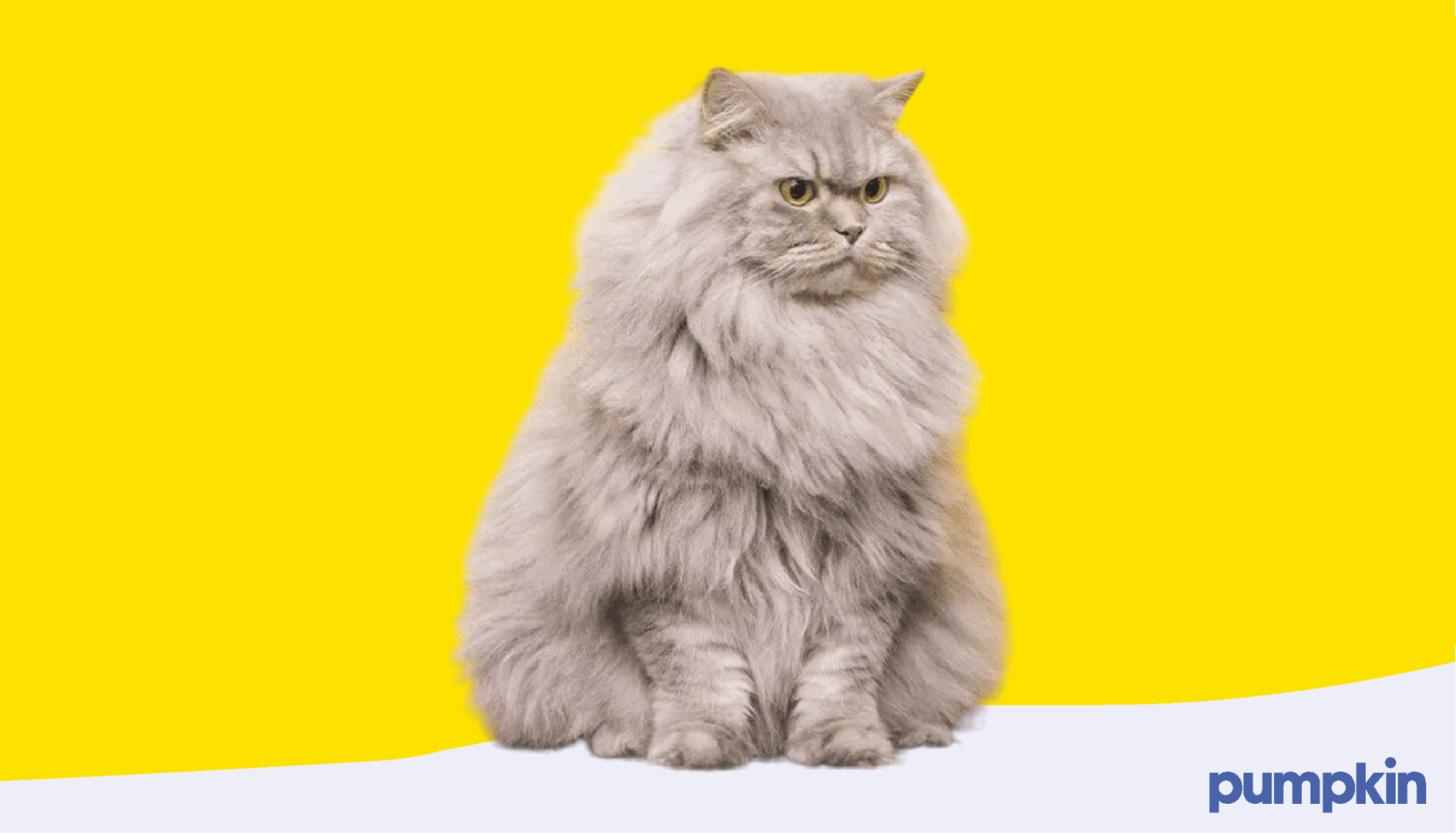
The Persian cat is famous for its luxurious, long coat. They have a sweet, calm nature. Their faces are flat, with big, round eyes. Persians love a peaceful environment. They prefer lounging and gentle play. Grooming is a daily need for their beautiful fur.
Maine Coon
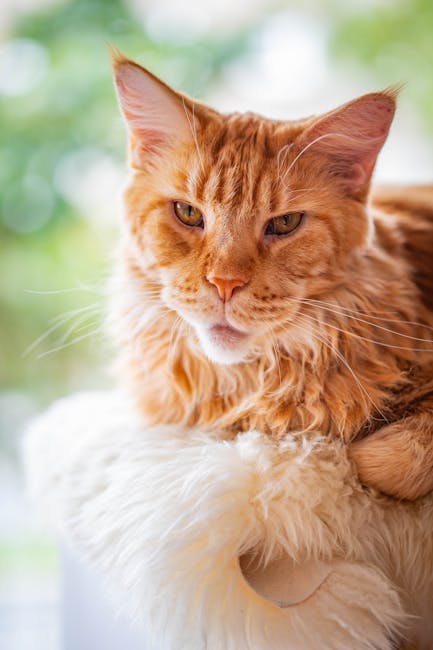
Maine Coons are one of the largest cat breeds. They are friendly and playful. Their thick fur and bushy tail are distinctive. These cats are great with families and other pets. They have a dog-like personality. Maine Coons enjoy interactive play and exploration.
Siamese
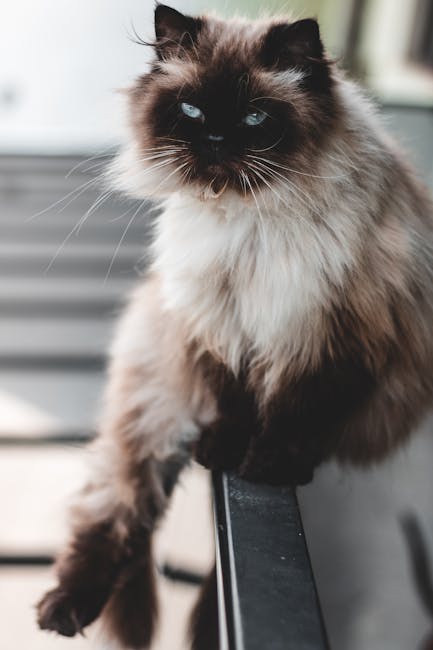
Siamese cats are known for their striking blue eyes. Their short, sleek coat is easy to maintain. Siamese cats are vocal and social. They love human interaction. Their pointed coat pattern is unique. Siamese cats are intelligent and curious.
Bengal
Bengal cats have a wild appearance. Their coat is spotted or marbled. They are active and energetic. Bengals enjoy climbing and playing. They are intelligent and learn quickly. Bengal cats often have a strong bond with their owners.
Credit: www.pumpkin.care
Genetic Testing For Cats
Curious about your cat's ancestry? Genetic testing reveals the breeds in your feline friend. Discover the unique mix that gives your cat its distinct traits and personality.
Curious about the mystery behind your feline friend’s origins? Genetic testing for cats can be a game-changer. This simple process unlocks the secrets hidden in your cat's DNA, revealing the breeds that make up its unique lineage. Whether you're a proud cat parent to a stately Maine Coon or a playful Bengal mix, genetic testing can provide clarity. Imagine the thrill of discovering your pet's ancestry—it's like unraveling a mystery, but with a lovable purr at the end.
How It Works
Genetic testing for cats is straightforward. You can order a testing kit online, which usually includes a swab or a brush. Simply collect a sample from your cat's cheek and send it back to the lab. In the lab, scientists analyze your cat's DNA, comparing it to a vast database of known feline breeds. This comparison helps identify the unique markers that signal specific breed traits. The process is precise and reliable, giving you a detailed breakdown of your cat's genetic makeup.
Benefits Of Testing
Knowing your cat's breed composition has several benefits. It helps in understanding specific health needs. Certain breeds are prone to particular health issues, and being aware can lead to proactive care. Behavioral insights are another advantage. If your cat has a strong Siamese influence, you might expect a chatty, affectionate companion. Understanding these traits can help you tailor your environment to suit your cat's natural inclinations, enhancing their quality of life.
Interpreting Results
When you receive the results, you’ll get a report outlining the breed percentages. It might show that your cat is 60% Ragdoll and 40% Domestic Shorthair. This breakdown helps you understand the dominant traits your cat might exhibit. It’s essential to keep an open mind. Genetic testing can sometimes reveal unexpected breeds, adding a new layer to your relationship with your pet. If the results are unclear or surprising, consider consulting with a vet. They can provide additional insights and help you make sense of your cat's unique genetic profile. Have you ever wondered what surprises lie hidden in your cat's DNA? Genetic testing might just hold the answers you seek. It’s not just about satisfying your curiosity; it’s about enhancing your pet’s life. So, are you ready to uncover your cat’s lineage?
Mixed Breed Cats
Mixed breed cats are a delightful mix of genes. They often surprise owners with unique traits. These cats don't belong to a single breed. Instead, they carry characteristics from various breeds. This makes them special and unpredictable. Their diverse backgrounds give them charm and character. Let's explore what makes these cats so fascinating.
Common Traits
Mixed breed cats often share certain traits. Many have medium to short fur. This makes grooming easier. Their colors vary widely. You might see stripes, spots, or solid colors. Eye color also varies. Green, blue, and amber are common. These cats are usually friendly and adaptable. They fit well in different environments. Their playful nature keeps them active and happy. This makes them great companions for families.
Unique Combinations
Every mixed breed cat is a unique combination. No two cats are exactly the same. Some may have a Siamese's sleek body. Others might show the fluffiness of a Maine Coon. Tail shapes and lengths vary too. Some have bushy tails, others slender. Their personalities are just as varied. A mixed breed might be vocal like a Siamese. Or calm like a British Shorthair. Each cat's mix brings something special.
Caring For Your Cat's Unique Needs
Caring for your cat's unique needs is vital for its well-being. Each cat breed has specific requirements. Understanding these can help you provide the best care. This guide will explore dietary considerations and health tips. Let's dive into the essentials for your feline friend.
Dietary Considerations
Every cat breed has unique dietary needs. Some cats require high protein diets. Others may need special vitamins. Pay attention to your cat's weight. Monitor its energy levels and coat condition. Consult your vet for tailored dietary advice. A balanced diet is crucial for your cat's health.
Health And Wellness
Your cat's health should be a priority. Regular vet visits are essential. Vaccinations protect against diseases. Keep your cat active and engaged. Playtime is important for mental health. Watch for signs of illness. Changes in behavior or appetite may indicate problems. Early detection can prevent serious issues.
Celebrating Feline Diversity
Cats come in many shapes, sizes, and colors. Each breed offers something unique. Celebrating feline diversity means appreciating these differences. It means seeing the beauty in each cat's traits. Every cat has a story to tell. Their diversity makes the feline world exciting and vibrant.
Appreciating Differences
All cat breeds have special traits. Some have long, silky fur. Others might have short, dense coats. Eye colors can vary from blue to green or amber. Body sizes differ too. Some cats are large and muscular. Others are small and agile. Every breed has its own charm. These differences are worth celebrating.
Understanding these traits helps us appreciate our cats more. It helps us see their unique qualities. It encourages us to learn about their habits and behaviors. Recognizing their differences enriches our bond with them.
Stories Of Unique Cats
Many cats have fascinating stories. Think of the Persian cat with its royal look. Or the Siamese with its striking blue eyes and vocal nature. Each has a story that adds to its charm. A Bengal cat might remind you of a wild leopard. The Maine Coon is known for its gentle giant persona.
These stories make each breed memorable. They add depth to their personalities. They show how diverse and special each cat is. Celebrating these stories helps us appreciate the feline world more. It highlights the variety and richness of cat breeds.
Frequently Asked Questions
How Can I Identify My Cat's Breed?
Identifying your cat's breed involves observing physical traits and behaviors. Consider coat color, pattern, and fur length. Eye color, body size, and ear shape also provide clues. DNA tests are an effective way to determine breed accurately. Consult a veterinarian for professional advice on your cat's breed identification.
Are Mixed-breed Cats Healthier?
Mixed-breed cats often have greater genetic diversity, which may reduce the risk of certain inherited diseases. They may have stronger immune systems compared to purebred cats. However, every cat is unique, and health depends on genetics, environment, and care. Regular veterinary check-ups are crucial for all cats, regardless of breed.
Can A Dna Test Reveal My Cat's Breed?
Yes, a DNA test can reveal your cat's breed. These tests analyze genetic markers to identify breed composition. They provide insights into your cat's ancestry and potential health risks. DNA testing is a reliable method for understanding your cat's unique genetic makeup and can guide informed care decisions.
What Are Common Traits Of Mixed-breed Cats?
Mixed-breed cats often display diverse physical traits and personalities. They may have unique coat patterns and colors. Their behavior can vary widely, from playful to calm. Mixed breeds often combine characteristics from multiple ancestries, making them adaptable and resilient pets, each with their own distinct charm.
Conclusion
Discovering your cat's breed mix can be exciting. Each cat carries unique traits. Look for physical features and personality clues. DNA tests offer more certainty. Understanding breeds can help with care. Some cats need special attention. Others enjoy lots of play.
Knowing your cat's breed mix builds a better bond. You can tailor activities to your cat's needs. Happy cats are healthy cats. Keep exploring to learn more about your feline friend. Share your findings with others. It helps all cat lovers.
Enjoy the journey of discovery with your furry companion.