Have you ever marveled at the diversity of cat breeds and wondered who is behind their official recognition? You might be surprised to learn that a select few organizations hold the power to register and officially recognize these unique breeds.
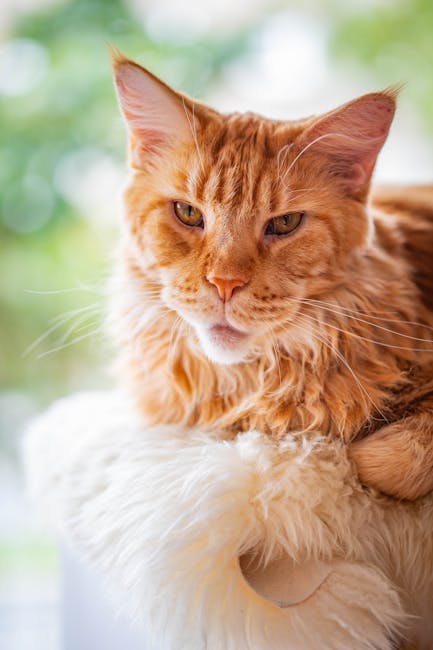
Understanding who registers cat breeds not only satisfies your curiosity but also deepens your appreciation for these fascinating creatures. Imagine being able to impress your friends with knowledge about how the sleek Siamese or the fluffy Maine Coon earned their place in the feline hall of fame.
By exploring this topic, you'll uncover the secrets of the cat world that few are privy to, giving you the edge in any cat-related conversation. Ready to dive into the hidden world of cat breed registration? Read on to discover the gatekeepers of feline prestige and what it means for the cats you adore.
Cat Breed Registries
Have you ever wondered who decides which cat breeds are official and recognized? Cat breed registries play a crucial role in maintaining and promoting the diversity of cat breeds around the world. These organizations are responsible for setting breed standards, documenting pedigrees, and ensuring that breeders adhere to ethical practices. Understanding their role can help you appreciate the rich tapestry of feline breeds that exist today.
Role Of Cat Registries
Cat registries do more than just keep records; they serve as the guardians of cat breed standards. They ensure that each breed maintains its unique characteristics and qualities. Registries also provide resources for breeders, helping them to follow ethical guidelines and maintain the health of the cats.
These organizations host cat shows and competitions, where breeds are showcased and judged against established standards. Such events promote awareness and appreciation of different cat breeds. By participating in these shows, breeders gain recognition and credibility, which can be crucial for their reputation.
Historical Development
The concept of cat breed registries dates back to the late 19th century. The first registry, the Cat Fanciers' Association (CFA), was established in the United States in 1906. It set a precedent for the formation of similar organizations worldwide.
Over the years, new registries have emerged, each with its own focus and standards. For example, the International Cat Association (TICA), founded in 1979, is known for its inclusivity, recognizing more diverse breeds than older registries. This evolution reflects the growing interest in cats and the desire to preserve their genetic diversity.
How does this history impact you as a cat lover or potential breeder? It means you have a wealth of information and support at your fingertips. Whether you're interested in adopting a purebred cat or starting a breeding program, registries provide valuable guidance and resources.
Next time you admire a beautifully distinct cat breed, think about the registry that supports and sustains its unique charm. These organizations ensure that every cat, from the regal Siamese to the playful Maine Coon, has its place in the world.
Major International Cat Registries
When you think about cat breeds, who decides which ones are official? The answer lies with major international cat registries. These organizations set breed standards, ensure the authenticity of pedigrees, and promote the welfare of purebred cats. If you've ever wondered who gives the nod to your feline friend's breed, you're about to uncover the key players in the world of cat registries.
The Cat Fanciers' Association (cfa)
The CFA is one of the oldest and most respected cat registries globally. Founded in 1906, it registers pedigrees and hosts cat shows in various countries. What sets CFA apart is its commitment to preserving breed authenticity. They meticulously document lineage, ensuring each breed maintains its unique characteristics. Imagine the responsibility of keeping your beloved Maine Coon true to its origins. CFA does just that.
The International Cat Association (tica)
TICA, established in 1979, is known for its inclusivity and innovation. Unlike other registries, TICA recognizes over 70 breeds, including experimental ones. If you're curious about breeds like the Lykoi or Savannah, TICA is your go-to source. They welcome new breeds with open arms, embracing diversity in the feline world. Have you considered adopting a rare breed? TICA might just have the perfect match for you.
The Fédération Internationale Féline (fife)
FIFe is a European-based registry with a global reach. Founded in 1949, it represents over 40 member countries. FIFe's focus is on promoting health and welfare in purebred cats. They advocate responsible breeding and genetic testing, ensuring cats are healthy and happy. With FIFe, you can trust that your cat's pedigree isn't just a piece of paper but a testament to its well-being.
Each registry has its unique approach, yet they all aim to protect and celebrate the diverse world of cat breeds. Which registry resonates with you? Your cat's pedigree might be more than just a certificate; it could be a story of care and tradition.
Regional And National Cat Registries
Regional and national cat registries play a key role in cat breeding. These registries maintain standards for cat breeds, ensuring quality and authenticity. They provide a reliable source for breeders and cat lovers. Each region has its own specific cat registry. These registries set guidelines and maintain breed records. Understanding these registries helps breeders and cat enthusiasts. Let's explore how different regions manage their cat breeds.
United Kingdom Cat Registries
The United Kingdom has a rich history of cat breeding. The Governing Council of the Cat Fancy (GCCF) is a major registry. It was founded in 1910. GCCF registers over 100 different cat breeds. They host cat shows and maintain breed standards. Their mission is to promote responsible breeding. They also work to protect the welfare of cats.
Asian Cat Registries
Asia has a diverse range of cat breeds. The Cat Fanciers' Association (CFA) is active in Asia. It is one of the largest cat registries globally. CFA registers many popular Asian breeds. They focus on preserving the unique traits of each breed. Shows and events are organized to celebrate these breeds. They also provide resources for breeders and cat owners.
Australian Cat Registries
Australia has its own unique breeds and registries. The Australian Cat Federation (ACF) is a prominent registry. Established in 1972, it promotes pedigree breeds. ACF organizes cat shows and supports breed clubs. They work to enhance the cat fancy community in Australia. ACF also ensures breeders adhere to ethical standards.
Registration Process
Cat breed registration is handled by organizations like The Cat Fanciers' Association and International Cat Association. They ensure breed standards and maintain lineage records. These groups authenticate purebred cats and support breeders.
Registering a cat breed is a meticulous journey that ensures the breed is recognized and maintained for its unique characteristics. The registration process is crucial for breeders and cat enthusiasts who wish to preserve breed integrity. Understanding this process can help you navigate the complexities and ensure your feline friend's lineage is officially recognized.
Breed Standards
Every registered cat breed must meet specific breed standards. These standards define the ideal physical characteristics, temperament, and other traits of the breed. Organizations like the Cat Fanciers' Association (CFA) and The International Cat Association (TICA) set these benchmarks. Have you ever wondered why some cats have those stunning blue eyes or a distinct coat pattern? It’s these standards that ensure those traits are preserved.
Paperwork And Documentation
The paperwork is a critical step in the registration process. You need to gather and submit several documents, including the cat's pedigree, proof of ownership, and health records. This might sound overwhelming, but it's an essential step to prove your cat’s lineage. Double-checking all documents can save you time and avoid delays. Imagine the satisfaction of holding that official registration certificate, knowing all the effort was worth it.
Fees And Costs
Registering a cat breed involves certain fees and costs. These can vary depending on the organization and the type of registration. While some might see this as a financial burden, consider it an investment in preserving your cat's heritage. Understanding the fee structure can help you budget accordingly and avoid unexpected surprises. Have you calculated how much you're willing to invest in your cat's registration journey? The registration process is more than just paperwork; it's a commitment to preserving the legacy of a breed. By understanding each step, you’re not only complying with standards but also becoming a part of a community that values the lineage and characteristics of your cherished feline.
Challenges In Cat Breed Registration
Registering cat breeds involves various challenges. These challenges affect breeders, enthusiasts, and organizations alike. Understanding these challenges is vital for smooth registration processes.
Breed Recognition Issues
Not all cat breeds gain recognition easily. Some breeds face a long journey before acceptance. Organizations like the Cat Fanciers' Association have strict guidelines. Breeds must meet specific standards to be recognized. This ensures consistency and quality. Yet, new breeds often struggle for acknowledgment.
Genetic Diversity Concerns
Maintaining genetic diversity is crucial in cat breeding. Limited gene pools can lead to health issues. Breeders must ensure a wide gene pool for healthy cats. This can be difficult with rare breeds. Genetic diversity helps prevent hereditary diseases. It also supports the overall wellbeing of the breed.

Credit: www.amazon.com
Impact Of Registries On Cat Breeding
Cat breed registries play a vital role in maintaining standards. Organizations like The International Cat Association and Cat Fanciers' Association oversee these registrations. They ensure breed integrity and help breeders maintain quality and health standards.
The impact of cat breed registries on the world of cat breeding is profound and multifaceted. Registries play a crucial role in shaping the future of different cat breeds. They ensure that standards are met, and breed characteristics are preserved. You might wonder, how exactly do they influence breeders and the breeding process?
Promoting Breed Standards
Registries set the gold standard for what each breed should ideally look and behave like. They provide detailed guidelines on the physical and sometimes behavioral traits of each breed. This helps breeders focus on maintaining purity and quality, ultimately leading to healthier and more predictable animals. These standards are not just arbitrary rules. They are the product of years of research and observation. Registries consult with veterinarians, geneticists, and experienced breeders to establish these benchmarks. By adhering to these standards, breeders ensure they are producing cats that meet the expectations of pet owners and enthusiasts alike.
Influence On Breeder Practices
Registries also influence how breeders operate on a day-to-day basis. They often require breeders to maintain meticulous records of lineage and health, encouraging transparency and accountability. This can lead to improved breeding ethics and better overall care for the animals. Furthermore, being affiliated with a registry can enhance a breeder's reputation. It signals commitment to quality and ethical breeding practices, which can lead to more business. As a potential cat owner, knowing that your breeder follows registry guidelines can provide peace of mind. Have you ever considered how these registries impact your own choice in a pet? Whether you're a breeder or a potential cat owner, understanding the role of registries can provide valuable insights. They are more than just a bureaucratic hurdle; they are a cornerstone in the world of cat breeding, ensuring that every purr and playful leap is backed by generations of care and expertise.
Future Of Cat Breed Registration
The future of cat breed registration is evolving rapidly. New technologies and changing trends shape this fascinating field. Understanding these developments provides insights into the cat breeding world. Let’s explore how technology and breed popularity impact registrations.
Technological Innovations
Technology transforms cat breed registration processes. Digital databases store vast amounts of data securely. Breeders access information quickly and efficiently. Online platforms simplify registration procedures. Blockchain ensures data integrity and transparency. Microchipping helps track lineage and health records. These innovations enhance breed management.
Trends In Breed Popularity
Breed popularity influences registration trends. Some breeds gain attention due to media exposure. Others attract enthusiasts for unique traits. Exotic breeds often draw interest. Popular breeds see increased registrations. Registries adapt to shifts in demand. Breeders focus on trending characteristics. This shapes the future of cat breed registration.

Credit: cfa.org

Credit: www.amazon.com
Frequently Asked Questions
Who Is Responsible For Registering Cat Breeds?
Cat breed registration is mainly handled by cat registries and associations. These organizations maintain breed standards and verify pedigrees. Some prominent registries include The International Cat Association (TICA), the Cat Fanciers' Association (CFA), and the Fédération Internationale Féline (FIFe). They ensure breeds are recognized, documented, and standardized globally.
How Are New Cat Breeds Recognized?
New cat breeds are recognized through a detailed evaluation process by cat registries. Breeders submit breed proposals, including history and characteristics. Registries assess genetic health, distinctiveness, and breed standards. Successful breeds receive formal recognition, allowing them to participate in competitions and gain popularity.
What Is The Role Of Cat Registries?
Cat registries play a crucial role in maintaining breed standards. They document pedigrees, verify authenticity, and promote breed health. Registries also organize competitions and events, fostering community among breeders and enthusiasts. Their work ensures breed integrity and supports the growth of feline diversity.
Why Is Breed Registration Important?
Breed registration is vital for maintaining breed standards and authenticity. It helps track lineage, ensuring genetic health and preventing inbreeding. Registration also allows cats to participate in official competitions, promoting breed awareness. It supports breeders in preserving unique traits and fostering responsible breeding practices.
Conclusion
Cat breed registration ensures standards and authenticity. Different organizations maintain unique breed lists. This helps in preserving diverse feline traits. Owners benefit from recognized breeds through better care insights. Breeders gain credibility by following established guidelines. Registration supports healthy breeding practices.
It also helps in tracking genetic issues. Understanding these registries benefits both cat lovers and breeders. They promote responsible pet ownership globally. By learning about cat breed registrations, enthusiasts can make informed choices. A well-registered cat often means a healthier companion.
Explore these registries to appreciate feline diversity. Your knowledge can contribute to the cat community.