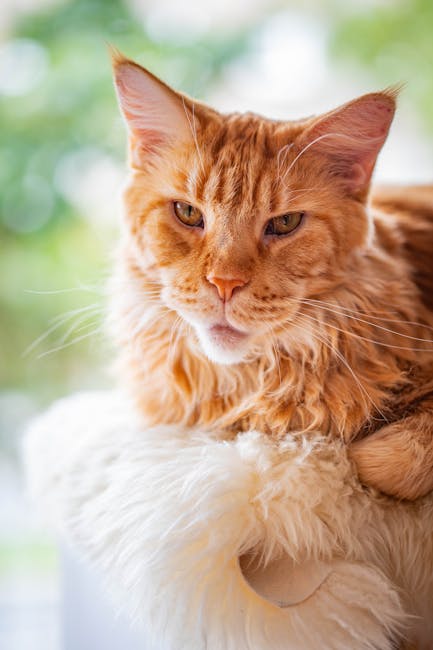
Have you ever caught your cat in the middle of an intense grooming session, only to wonder if it’s a bit too much? You’re not alone.
Many cat owners notice their furry friends licking and cleaning themselves more than usual. While grooming is a natural and healthy behavior for cats, excessive grooming might be a sign that something’s off. It could be due to stress, allergies, or even boredom.
By understanding the reasons behind this behavior, you can help ensure your cat stays happy and healthy. Curious to know what's really going on with your cat’s grooming habits? Let’s dive into the fascinating world of feline behavior and uncover the reasons why your cat might be grooming excessively.
Common Reasons For Excessive Grooming
Cats may groom excessively due to stress or allergies. Skin irritation and boredom could also trigger this behavior. It’s important to observe their habits and consult a vet if needed.
Excessive grooming in cats can be puzzling and concerning for pet owners. While it's normal for cats to groom themselves, too much of it can be a sign of underlying issues. Understanding the common reasons behind this behavior can help you address your cat's needs effectively. Let's dive into some of the most frequent causes and what you can do about them.
Stress And Anxiety
Cats often groom themselves more when they're stressed or anxious. This behavior provides them comfort, similar to how some people bite their nails when they're nervous. If your cat has recently experienced a change in environment, like moving homes or introducing a new pet, this might be the cause.
Allergies
Cats can develop allergies just like humans. These can be triggered by food, pollen, or even dust. When cats are allergic to something, their skin can become itchy, leading to excessive grooming. If you suspect allergies, consider evaluating any recent changes in their diet or environment.
Parasites
Parasites such as fleas or mites can cause intense itching and discomfort. This often results in your cat grooming excessively to relieve the itchiness. Regularly checking for fleas or using preventive treatments can help keep these pesky parasites at bay.
Skin Conditions
Skin conditions, including fungal infections or dermatitis, can make your cat's skin feel uncomfortable. This discomfort often leads to increased grooming. If you notice any unusual patches or redness on your cat's skin, a visit to the vet might be necessary.
Boredom
Just as people might snack out of boredom, cats might groom themselves. If your cat doesn't have enough mental or physical stimulation, they might resort to grooming as a way to pass the time. Engaging your cat with toys or interactive play can reduce this behavior.
Pain
Sometimes, excessive grooming can be a sign that your cat is in pain. They might focus their grooming efforts on a specific area, trying to soothe the discomfort. If you notice this, it's worth checking with a vet to rule out any underlying health issues. Understanding why your cat grooms excessively can help you take the right steps to address their needs. Is your feline friend trying to tell you something with their grooming habits? By paying attention to their behavior, you can ensure they stay happy and healthy.
Behavioral Triggers
Cats are known for their grooming habits. But excessive grooming may indicate behavioral triggers. Understanding these triggers can help address the issue effectively.
Stress And Anxiety
Cats often groom excessively due to stress. Changes at home can cause anxiety. Moving to a new place might be unsettling for them. Loud noises or unfamiliar people can also trigger stress. This stress leads them to groom more than usual.
A stressed cat might groom to self-soothe. It’s their way to calm down. Pay attention to any changes in your cat's environment. Try to minimize stressful situations whenever possible.
Boredom And Lack Of Stimulation
Boredom can make a cat groom excessively. Cats need mental and physical stimulation. Without toys or interaction, they may feel bored. A bored cat might groom to pass the time.
Introduce interactive toys to your cat’s routine. Spend time playing with them daily. This engagement helps reduce boredom. It keeps their mind and body active. A stimulated cat is less likely to groom excessively.
Medical Conditions
Cats might groom excessively due to anxiety or allergies. Stress can trigger obsessive grooming habits. Skin irritations or parasites could also lead to more frequent grooming.
When your cat suddenly starts grooming itself more than usual, it might be easy to dismiss it as quirky behavior. However, excessive grooming can be a sign of underlying medical conditions. Paying attention to such changes in your cat’s habits is crucial. It could be your feline friend’s way of communicating discomfort or pain.
Allergies And Skin Irritations
Just like humans, cats can suffer from allergies. These allergies can stem from their environment, food, or even flea bites. Imagine your cat feeling itchy and irritated constantly. This could lead to excessive grooming as a way to soothe their skin. If you notice bald spots or redness, it might be time to consult your vet about potential allergies.
Parasites And Infections
Parasites are more than just a nuisance; they are a common cause of excessive grooming. Fleas, ticks, and mites can make your cat uncomfortable, leading them to groom incessantly. You might spot little black specks in their fur—flea dirt. Have you checked recently? It’s essential to use appropriate treatments to keep these pesky invaders at bay. Infections from bacteria or fungi can also cause similar irritation, requiring specific medication.
Pain And Discomfort
Cats are masters at hiding pain, but their grooming habits can give them away. Sometimes, excessive grooming is a response to an internal issue, like arthritis or a urinary tract infection. You might notice your cat focusing on grooming a particular area excessively. This can be a sign they are experiencing discomfort in that region. Observing these subtle changes can be vital in identifying and addressing the root cause of their distress. Understanding why your cat grooms excessively is more than just a matter of curiosity. It’s about ensuring their health and happiness. Have you noticed any of these signs in your cat? Addressing these medical conditions promptly can make a world of difference in their well-being.
Environmental Factors
Cats may groom excessively due to environmental factors such as stress, changes in routine, or new surroundings. Alterations in their living space can trigger anxiety, leading to increased grooming. Understanding these triggers helps in addressing their behavior effectively.
Cats are known for their meticulous grooming habits, but excessive grooming can sometimes signal underlying issues. Environmental factors play a significant role in this behavior. Changes in your cat's surroundings can trigger stress, leading to over-grooming. Understanding these environmental influences can help you address the root cause of your cat's behavior.
Changes In Household
A change in your household can be unsettling for your cat. Whether it's moving to a new home or rearranging the furniture, these changes can disrupt your cat's sense of security. Cats are creatures of habit, and any alteration in their environment might lead to stress-induced grooming. Consider a time when you redecorated your living room. Did you notice your cat spending more time licking its fur? This behavior might be its way of coping with the unfamiliar setting. To alleviate this, try to introduce changes gradually. Allow your cat time to adjust, and provide familiar items like its favorite blanket or bed to offer comfort.
Introduction Of New Pets
Bringing a new pet into your home can be a joyous occasion for you, but for your cat, it might mean competition and stress. Cats are territorial animals, and the presence of a new pet can make them feel threatened. This can lead to increased grooming as a self-soothing mechanism. Imagine adopting a playful puppy. Your cat might initially see it as an intruder, leading to stress and more grooming sessions. To ease this transition, ensure that your cat has a safe space where it can retreat and relax away from the new pet. Gradually introduce the animals to each other, allowing them to get used to one another's presence. Have you noticed your cat grooming excessively after a recent change in your home? Understanding these environmental factors can help you create a more harmonious space for your feline friend. By minimizing stressors and allowing your cat to adjust at its own pace, you can reduce excessive grooming and promote a happier, healthier pet.
Nutritional Influences
Excessive grooming in cats might be linked to their diet. Poor nutrition can lead to skin irritations. These irritations cause your cat to lick more frequently. Ensuring a balanced diet helps maintain healthy skin and reduces unnecessary grooming.
Cats are known for their meticulous grooming habits, but excessive grooming can be a sign of underlying issues, including nutritional influences. Understanding how diet affects your cat's grooming behavior can be crucial in addressing the root cause. Let's delve into how dietary imbalances and food allergies might contribute to your cat's obsessive grooming habits.
Dietary Imbalances
Nutrient-rich diets are essential for maintaining your cat's coat and skin health. When your cat's diet lacks essential fatty acids, vitamins, or minerals, it can lead to dry, itchy skin. This discomfort might prompt your cat to groom excessively in an attempt to relieve the irritation. Have you recently changed your cat's food or noticed a drop in their usual appetite? A sudden change in diet, especially one lacking in balanced nutrition, might be the culprit behind the excessive grooming. Providing a well-balanced diet specifically formulated for cats can often reduce these grooming habits.
Food Allergies
Food allergies can be another reason your cat grooms more than usual. Common allergens like beef, fish, or dairy can cause skin irritation, leading to constant licking and biting. If you've noticed your cat developing red patches or losing fur in certain areas, it might be time to evaluate their diet. Conducting an elimination diet can help identify potential allergens. Switch to a hypoallergenic or limited ingredient food and monitor your cat's grooming behavior. It's astounding how often a simple diet change can alleviate persistent grooming issues. Have you ever had a cat that suddenly started grooming excessively after a new brand of cat food? Share your experiences in the comments and see how others have tackled similar issues. Understanding the connection between food and grooming can help you support your cat's health and well-being more effectively.

Credit: www.wikihow.pet
Psychological Impacts
Excessive grooming in cats can indicate underlying psychological issues. Cats are sensitive creatures. Their behavior often reflects their mental state. Understanding these psychological impacts helps address the root cause.
Compulsive Grooming
Compulsive grooming is a sign of underlying stress or anxiety. Cats may groom to cope with these feelings. This behavior can become a cycle. They groom more, stress increases, and the cycle continues. It's important to identify triggers. These could be changes in their environment. New pets or family members can also be a factor.
Compulsive grooming may lead to bald spots. Cats might groom until their skin is raw. This indicates a serious problem. Seeking a vet's guidance can help.
Stress-relieving Behavior
Grooming can be a cat's way to relieve stress. It provides comfort and distraction. A cat may groom more during stressful times. Examples include moving homes or a new routine. Their grooming routine helps them feel secure.
Recognizing stress triggers can help manage this behavior. Providing a calm environment is crucial. Safe spaces and familiar scents can soothe a stressed cat. Regular playtime can also reduce stress. Engaging activities keep their minds occupied. This can lessen the need to groom excessively.
Signs To Watch For
Excessive grooming in cats might indicate stress, allergies, or skin issues. Pay attention to bald spots or irritated skin. Visit a vet if changes in behavior or health become apparent.
Wondering why your cat grooms excessively? It's essential to know when this behavior might indicate a problem. Cats are meticulous groomers by nature, but sometimes their grooming habits can turn into an obsession. Recognizing the signs can help you address any underlying issues before they escalate.
Bald Patches And Sores
One sign to watch for is the appearance of bald patches or sores on your cat's skin. Excessive grooming can lead to hair loss in localized areas, leaving your cat with bare spots. Sores or scabs might also develop due to constant licking or biting. Consider if your cat is trying to soothe an itch or irritation. I once noticed my cat, Whiskers, developing a bald patch on his belly. It turned out he had a flea allergy, and addressing the flea issue helped reduce his grooming frenzy.
Increased Grooming Frequency
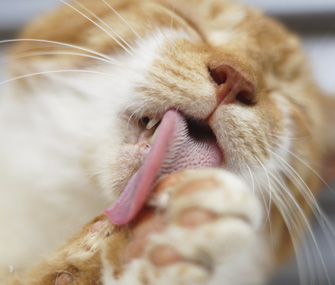
Another red flag is a noticeable increase in how often your cat grooms. If you observe your feline friend grooming for hours on end, it might be time to investigate further. Have you recently changed your cat's diet or introduced a new pet into the home? Stress or allergies could be the culprits, prompting your cat to groom excessively as a coping mechanism. If you were in your cat’s place, wouldn’t you want someone to notice and help? Pay attention to these changes and consult your vet if needed. By keeping an eye out for these signs, you can ensure your cat stays healthy and comfortable. Your vigilance could make all the difference in your cat's well-being.
Credit: www.vetstreet.com
When To Seek Veterinary Help
Cats grooming excessively might indicate stress, allergies, or skin issues. Persistent grooming can lead to bald patches or sores. Consult a vet if your cat's grooming habits change suddenly.
When your cat starts grooming excessively, it might be more than just a quirky habit. While grooming is a natural behavior for cats, overdoing it can be a sign that something isn't quite right. Understanding when to seek veterinary help is crucial to ensure your furry friend stays healthy and happy.
Signs That Indicate A Vet Visit Is Needed
If you notice bald patches or sores on your cat's skin, it's time to consult a vet. These can be signs of skin infections or parasites. Watch for changes in your cat's behavior. If they seem more irritable or are hiding more often, it could indicate discomfort or pain. Consider if there are any changes in their environment that might have stressed them out. A new pet or moving houses can sometimes trigger excessive grooming.
Understanding Medical Causes
Excessive grooming can be a symptom of allergies. Cats might be allergic to certain foods, dust, or even pollen. Fleas or mites can also be culprits. Despite regular flea treatments, some cats might still react to flea saliva, leading to excessive grooming. Hormonal imbalances or skin conditions are other possible reasons. Your vet can conduct tests to determine if these are the root causes.
How A Vet Can Help
Vets can offer treatments that you might not have at home. They can prescribe medications to treat infections or allergies effectively. A vet can also recommend dietary changes if food allergies are suspected. You might be surprised how switching to a hypoallergenic diet can ease your cat’s discomfort. Regular check-ups can prevent future issues. Vets can spot early signs of health problems, keeping your cat comfortable and content.
Monitoring Post-vet Visit
After a vet visit, keep a close eye on your cat’s grooming habits. Note any changes or improvements. Follow the vet’s advice on any prescribed treatments or lifestyle changes. Consistency is key to seeing results. Don’t hesitate to schedule a follow-up appointment if the problem persists. Your cat deserves to be at their happiest and healthiest. Have you ever had to take your cat to the vet for excessive grooming? Share your experience in the comments!
Preventive Measures
Excessive grooming in cats can be troubling for pet owners. Understanding preventive measures helps in managing this behavior. Addressing underlying issues early can keep your cat healthy and happy. Consider creating a calm environment and providing mental stimulation. Both are crucial steps in preventing excessive grooming habits.
Creating A Calm Environment
Cats thrive in peaceful settings. Loud noises and frequent changes can stress them. Ensure your home is a safe haven for your cat. Provide quiet spaces away from household chaos. Use calming pheromone diffusers to soothe your cat. Keep noise levels low to maintain tranquility. A calm environment can reduce your cat's need to groom excessively.
Providing Mental Stimulation
Boredom may lead to excessive grooming in cats. Engaging your cat's mind is essential. Introduce interactive toys to keep them entertained. Rotate toys to maintain interest. Puzzle feeders can challenge your cat's problem-solving skills. Spend time playing with your cat daily. A mentally stimulated cat is less likely to groom excessively.

Credit: www.reddit.com
Frequently Asked Questions
Why Does My Cat Groom More Than Usual?
Excessive grooming in cats can be due to stress, anxiety, or skin irritation. Cats may also groom excessively if they have fleas, allergies, or a medical condition. It's important to consult a veterinarian to determine the underlying cause and ensure your cat receives proper care.
Is Excessive Grooming A Sign Of Stress?
Yes, stress can cause cats to groom excessively. Changes in their environment, new pets, or loud noises can increase stress levels. Providing a safe, quiet space and maintaining a consistent routine can help reduce stress. Consult with a vet for effective stress management strategies.
Can Allergies Cause Excessive Grooming In Cats?
Allergies can lead to excessive grooming in cats. Skin irritation from allergies makes cats groom more to relieve discomfort. Common allergens include food, pollen, and dust mites. Identifying and removing allergens from their environment can help. A vet can recommend suitable treatments for managing allergies.
How To Reduce My Cat's Excessive Grooming?
To reduce excessive grooming, identify the cause first. Ensure a calm environment, regular flea treatments, and a balanced diet. Interactive toys and regular playtime can distract and reduce stress. Consulting with a vet can provide specific strategies tailored to your cat's needs.
Conclusion
Excessive grooming in cats could signal health issues. Stress, allergies, or parasites might be causes. Observing your cat closely can help identify triggers. A vet visit is essential to rule out medical problems. Regular check-ups ensure your cat stays healthy.
Providing a calm environment can reduce stress. Engaging your cat with toys might distract from over-grooming. Every cat is unique. Understanding your cat's needs is crucial. Your attention and care make a difference. Keep your feline friend comfortable and happy.