

Are you giving your feline friend the nutrition they truly need? When it comes to cat dry food, not all options are created equal.
Your cat relies on you to make the best choices for their health and well-being. Understanding what to look for in cat dry food nutrition can make a significant difference in their vitality and happiness. Imagine your cat purring contently, full of energy, and living a longer, healthier life.
This article will guide you through the essential nutrients and ingredients that should be on your radar when selecting the perfect dry food for your beloved pet. Keep reading to uncover the secrets to a balanced diet that your cat will love.
Nutritional Requirements
Choosing cat dry food involves checking for high-quality protein sources, essential vitamins, and balanced fats. Ensure the food contains taurine, a vital amino acid for heart and eye health. Look for a formula with limited fillers and artificial additives to promote overall well-being.
When choosing dry food for your feline friend, understanding nutritional requirements is key. Cats are obligate carnivores, meaning their diet should primarily consist of animal-based nutrients. This section will guide you through the essential components that should be present in your cat's dry food to ensure they're getting the best nutrition possible.
Protein Content
Cats thrive on a diet rich in protein. Aim for dry food with at least 30% protein content. Look for specific animal proteins like chicken, beef, or fish listed as the first ingredient. High protein levels support your cat's muscle growth and overall health. Have you ever noticed how much energy your cat has after a good meal? That's the power of protein at work.
Fat Levels
Fat is another crucial component of a cat's diet. Ideally, dry food should contain 15-20% fat. This not only provides energy but also supports healthy skin and a shiny coat. Be cautious of excessive fat, though. While necessary, too much can lead to obesity. Always check the food label to ensure a balanced fat content.
Carbohydrate Balance
Unlike humans, cats don't need a high-carb diet. Carbohydrates should make up a small percentage of their food. Opt for dry food that limits fillers like corn and wheat. A balanced carb content helps prevent weight gain and digestive issues. Ever wondered why some cats seem sluggish or have stomach problems? It could be their food's carbohydrate balance. Choosing the right dry food for your cat is a big responsibility. By paying attention to these nutritional requirements, you can make sure your furry friend stays happy and healthy. Remember, a well-nourished cat is a joyful cat.
Ingredient Quality
High-quality cat dry food should contain real meat as the first ingredient. Avoid artificial colors and flavors. Ensure the presence of essential nutrients like taurine and omega fatty acids for a balanced diet.
When choosing the best dry food for your cat, ingredient quality should be a top priority. Cats are obligate carnivores, meaning they need a diet rich in animal-derived nutrients. Understanding what goes into their food helps ensure they get the nutrition they need for a happy, healthy life.
Whole Ingredients
Whole ingredients are a sign of high-quality cat food. Look for named meats like chicken, turkey, or salmon as the first ingredient. These provide essential proteins and fats crucial for your cat's health. Have you ever noticed your cat’s coat looking shinier when you switch to a food with real meat as the main ingredient? That's the power of whole ingredients at work. They not only make your cat's food more nutritious but also more appealing.
Avoiding Fillers
Fillers such as corn, wheat, and soy are often used in cat food to bulk up the product without adding nutritional value. They can lead to digestive issues and don't align with a cat's natural diet. Consider how you feel after eating a meal with empty calories—you’re full but not truly satisfied. Cats experience something similar with filler-heavy foods. Aim for brands that prioritize real food ingredients over fillers.
By-products Consideration
By-products can be a bit controversial in pet food. While they aren't necessarily harmful, they vary greatly in quality. High-quality by-products can include nutritious parts like organs, which are beneficial. It's important to know what kind of by-products are included. Would you feel comfortable feeding your cat something if you’re unsure of its source? Opt for foods that clearly define their by-products to ensure your pet gets the best. Understanding ingredient quality empowers you to make informed decisions for your cat's diet. Have you checked the ingredient list of your cat's current dry food recently? It might be time for a review.
Vitamins And Minerals
Choosing the right cat dry food is crucial for your feline's health. Vitamins and minerals play an essential role in ensuring your cat stays active and healthy. But how do you know what to look for when scanning the nutritional label? Understanding the importance of these nutrients is key to making informed decisions for your pet's diet.
Essential Vitamins
Cats need a variety of vitamins to maintain their health. Vitamin A is important for vision and immune function. Without it, your cat might struggle with poor eyesight or frequent infections.
Vitamin D is another must-have, aiding in calcium absorption and bone health. A deficiency can lead to weak bones and other health issues. Vitamin E, an antioxidant, helps protect cells from damage, ensuring your feline friend stays lively and robust.
Mineral Needs
Minerals like calcium, phosphorus, and magnesium are vital for your cat's overall well-being. Calcium and phosphorus work together to support bone and teeth strength. Cats with brittle bones often lack these minerals.
Magnesium helps with muscle function and energy production. An imbalance can lead to urinary issues, which are common in cats. Always check if your cat's dry food has the right balance of these minerals.
Supplemental Benefits
Some cat foods come with added supplements, like taurine and omega-3 fatty acids. Taurine is crucial for heart health and vision. Cats can't produce enough taurine on their own, making it a necessary supplement.
Omega-3 fatty acids promote a shiny coat and healthy skin. If your cat's fur looks dull, it might benefit from this supplement. Supplements can enhance your cat's diet, but always consult your vet to ensure you're meeting your pet’s specific needs.
Have you ever noticed how your cat's energy levels or coat quality change with different foods? Paying attention to these details can guide you to the best nutritional choices. A well-balanced diet isn't just about feeding your pet; it's about enhancing their life.

Credit: www.amazon.com
Additives And Preservatives
Choosing the right dry food for your cat involves understanding additives and preservatives. These ingredients influence the food's taste, quality, and shelf life. Knowing which additives are safe and beneficial can help you make an informed choice.
Natural Preservatives
Natural preservatives in cat food include vitamin E and vitamin C. They help extend the food's shelf life without harmful effects. Rosemary extract is another common natural preservative. It not only preserves but also adds flavor. Cats usually tolerate natural preservatives better. They're a safer choice for your feline friend.
Artificial Additives
Artificial additives are often used to enhance flavor, color, or texture. They include chemicals like BHA, BHT, and ethoxyquin. These may extend shelf life but can pose health risks. Some cats may develop allergies or sensitivities. Always check labels for these artificial ingredients. Choose brands that limit or avoid them.
Potential Allergens
Some additives can trigger allergic reactions in cats. Common allergens include soy, wheat, and artificial dyes. These can lead to skin issues or digestive problems. If your cat shows signs of allergies, consult your vet. Opt for food with limited ingredients to reduce risk. Always prioritize your cat's health and comfort.
Age And Health Considerations
Choosing the right dry food for your cat is crucial, especially when considering their age and health. Cats have different nutritional needs at various life stages. What works for a playful kitten might not suit a senior cat, or one with a specific health condition. Let's explore what you should look for in cat dry food nutrition based on age and health considerations.
Kitten Nutrition
Kittens are like little energy machines. They need food that supports rapid growth and high activity levels. Look for dry food rich in protein and fat to fuel their adventures. Essential nutrients, such as DHA, support brain development. When my kitten, Luna, switched to a food with higher DHA, her playful antics seemed even more coordinated. Have you noticed how your kitten’s energy changes with different foods?
Senior Cat Needs
As cats age, their nutritional needs change. Senior cats benefit from a diet lower in calories but higher in fiber to manage weight and digestion. Foods with added joint support ingredients, like glucosamine, can keep your older cat moving comfortably. My senior cat, Whiskers, became more active after switching to food with joint supplements. What changes have you seen in your aging feline friend?
Special Health Conditions
Some cats have specific health needs, such as allergies or kidney disease. If your cat has allergies, consider a hypoallergenic dry food. For kidney issues, look for foods with lower phosphorus levels. I learned the hard way when my cat, Shadow, developed allergies. Switching to a hypoallergenic food improved her coat and reduced scratching. What specific health considerations does your cat have?
Choosing the right dry food can significantly impact your cat's health and happiness. By focusing on their age and specific health needs, you ensure they get the nutrition they deserve. Keep your furry friend thriving with the right choices!
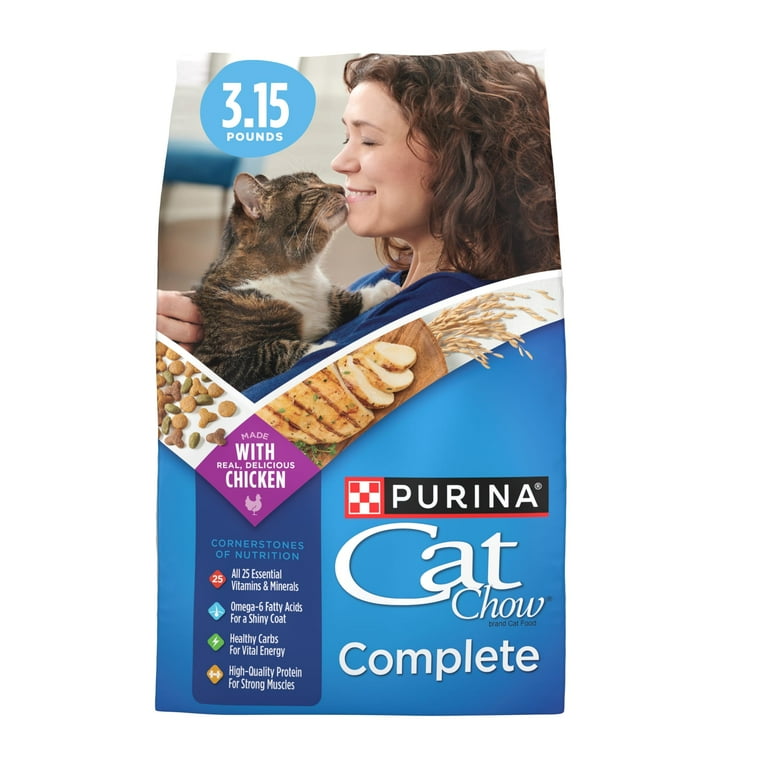
Credit: www.walmart.com
Brand Reputation
Selecting cat dry food involves checking protein content and ingredient quality. Ensure it includes essential vitamins and minerals. Avoid artificial additives for better health and digestion.
When choosing the best dry food for your cat, brand reputation should play a crucial role in your decision-making process. A reputable brand often reflects quality, safety, and trustworthiness. But how do you determine which brands stand out in the crowded pet food aisle? By examining their history, commitment to safety, and what other cat owners are saying, you can make an informed choice that keeps your feline friend healthy and happy.
Trusted Brands
Start by researching brands that have been in the market for a long time. Longevity often signifies experience and trust built over years. Companies like Purina, Hill's Science Diet, and Royal Canin are well-known for their research-driven products and commitment to pet health. Look for brands that invest in quality control and have a transparent sourcing process. They should clearly state where they get their ingredients. This shows they care about what goes into your cat's food.
Recalls And Safety
Check the recall history of the brands you're considering. Recalls can indicate issues with safety and quality control. A brand with frequent recalls might not be paying enough attention to these crucial aspects. But don't just focus on the past. Consider how a brand handles recalls. Do they communicate openly and take swift action? Their response can show you how much they value pet safety.
Customer Reviews
Dive into customer reviews to gain insights from other cat owners. Reading about real experiences can reveal a lot about a product’s effectiveness and any potential issues. Pay attention to common themes in the reviews. If many people mention their cats have shiny coats and good energy levels, it’s a positive sign. However, if you see repeated complaints about health issues or poor customer service, it might be a red flag. Brand reputation isn't just about flashy marketing. It's about trust, quality, and the experiences of other pet owners. What do you prioritize when choosing food for your cat?
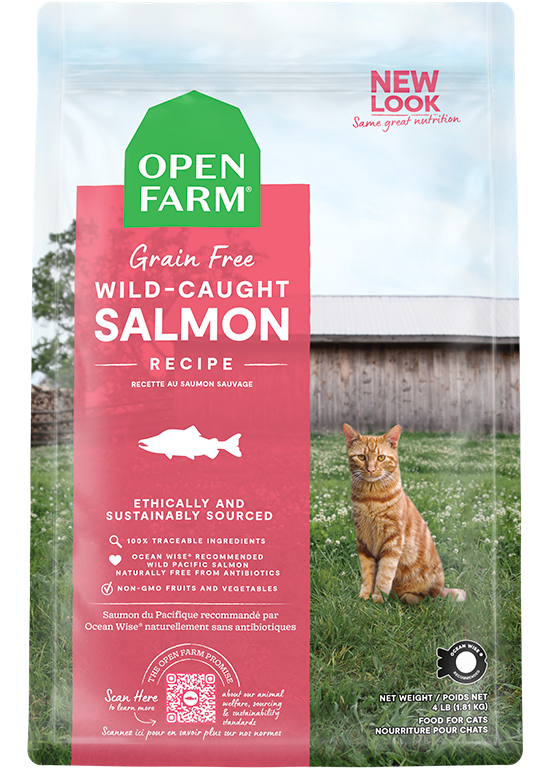
Credit: openfarmpet.com
Frequently Asked Questions
What Nutrients Are Essential In Cat Dry Food?
A balanced cat dry food should include proteins, fats, vitamins, and minerals. Proteins support muscle development, while fats provide energy. Vitamins and minerals are vital for overall health. Taurine is crucial for heart and eye health. Always check the label for these nutrients to ensure your cat receives complete nutrition.
How To Choose High-quality Cat Dry Food?
Look for cat dry food with real meat as the first ingredient. Avoid fillers like corn and soy. Check for the presence of essential nutrients like taurine and omega fatty acids. Opt for brands with a reputation for quality and transparency.
Consult your veterinarian for specific dietary needs.
Is Grain-free Cat Dry Food Better?
Grain-free cat dry food can be beneficial for cats with allergies. It often contains more protein and fewer fillers. However, grains provide fiber and nutrients. Not all cats require grain-free diets. Discuss your cat's health and dietary needs with a vet before making changes.
How Much Dry Food Should I Feed My Cat?
The amount depends on your cat's age, weight, and activity level. Generally, adult cats need 200-300 calories daily. Follow feeding guidelines on the packaging. Monitor your cat's weight and adjust portions accordingly. Consult your veterinarian to ensure your cat maintains a healthy weight.
Conclusion
Choosing the right cat dry food is important for your pet's health. Focus on essential nutrients. Proteins, vitamins, and minerals should be present. Check the ingredient list carefully. Avoid fillers and artificial additives. Prioritize quality over quantity. A balanced diet supports energy and well-being.
Consult your vet for personalized advice. Every cat is unique. Their dietary needs may vary. Understanding labels helps make informed choices. Nutritious food leads to a happy, healthy cat. Remember, your cat deserves the best nutrition possible. Keep their diet wholesome and tailored to their needs.
Your furry friend will thank you.


