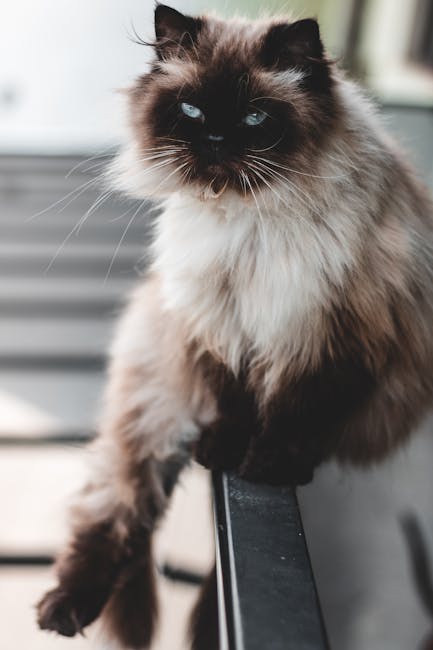
Are you dreaming of a home filled with both feline and canine companionship? Finding the right small dog breed that gets along with your cat can make all the difference.
It's not just about choosing a cute puppy; it's about ensuring harmony and happiness in your household. Imagine the joy of watching your cat and dog curl up together or playfully chase each other around. This can be your reality.
By understanding which small dog breeds naturally get along with cats, you can create a peaceful, loving environment for all your furry family members. Ready to discover the perfect match for you and your pet? Let’s dive into the breeds that could be the perfect fit for your home.

Credit: www.caninecottages.co.uk
Factors Influencing Dog-cat Compatibility
Introducing a cat to a small dog can be challenging. Their compatibility depends on several factors. Understanding these factors helps create a peaceful home environment. Not all small dogs bond well with cats. Some have a natural prey drive, while others are more relaxed. Knowing what influences their relationship is key to harmony.
Breed Temperament
Different breeds have unique temperaments. Some are more friendly and sociable. Breeds known for their calm nature often get along with cats. Research the temperament of the dog breed you're considering. Breeds like the Cavalier King Charles Spaniel are gentle and affectionate. Such breeds generally coexist peacefully with cats.
Socialization Experience
Early socialization plays a crucial role. Dogs exposed to cats at a young age adjust better. Positive experiences with cats in early life encourage harmony. Regular interaction helps reduce fear or aggression. A well-socialized dog is more likely to accept a cat.
Energy Levels
Matching energy levels is essential for compatibility. High-energy dogs might overwhelm a calm cat. Breeds with moderate energy levels are often a better match. Consider a dog's activity level before introducing it to a cat. A balanced energy level ensures a peaceful coexistence.
Training And Obedience
Training influences a dog's behavior around cats. Obedient dogs respond better to commands. Training helps manage a dog's natural instincts. Basic commands like "sit" or "stay" are helpful. Consistent training reduces potential conflicts.
Individual Personality
Every dog has a unique personality. Even within the same breed, personalities vary. Some dogs are naturally more tolerant of cats. Observe a dog's behavior during initial meetings. A dog's individual personality often dictates its compatibility with cats.

Credit: www.purewow.com
Traits Of Cat-friendly Dogs
When choosing a small dog breed that gets along with cats, understanding specific traits is essential. Some dogs naturally coexist peacefully with feline companions. Observing these traits can guide you in selecting the right breed. Look for dogs that are gentle, patient, and have a calm demeanor. These qualities help foster a harmonious environment between dogs and cats.
Gentle Nature
Dogs with a gentle nature are more likely to get along with cats. They avoid aggressive behavior. This makes them ideal companions for felines. Breeds like the Cavalier King Charles Spaniel are known for their gentle disposition.
Patience
Patience is crucial in dog-cat relationships. Dogs that are patient can tolerate a cat's quirks. They adjust to a cat’s unpredictable behavior without issue. Bichon Frise dogs often exhibit high levels of patience.
Calm Demeanor
Calm dogs handle stress better. Their tranquility creates a peaceful atmosphere. This environment suits both dogs and cats. Shih Tzus are known for their calm demeanor and ability to coexist with cats.
Non-aggressive Tendencies
Non-aggressive dogs pose less threat to cats. They rarely chase or intimidate felines. This trait is important for a harmonious home. The Maltese breed typically displays non-aggressive tendencies.
Playfulness
Playful dogs can match a cat’s energy. They engage in friendly interactions. This playfulness strengthens their bond. Pugs are playful and often enjoy interacting with cats.
Adaptability
Adaptable dogs adjust well to new situations. They thrive in diverse environments. This adaptability benefits the dog-cat dynamic. The French Bulldog is known for its adaptability and ease of adjustment.
Bichon Frise
Bichon Frise stands out as a friendly breed, often forming bonds with cats. Their gentle nature and playful attitude make them ideal companions. These small dogs thrive in social settings, offering a peaceful coexistence with feline friends.
When it comes to finding a small dog breed that gets along with cats, the Bichon Frise often tops the list. This adorable breed is known for its cheerful disposition and easy-going nature. If you have a cat at home and are considering adding a Bichon Frise to your family, you might be in luck. These little dogs are not only charming and friendly but also known for their compatibility with feline friends.
Temperament
The Bichon Frise has a temperament that is hard not to love. They are affectionate and love being around people and other animals. Their cheerful nature means they are less likely to be aggressive towards cats. If you introduce a Bichon Frise to your home, you may find that they quickly become best friends with your cat. Their playful nature often matches well with a cat's curiosity. Remember, patience is key when introducing new pets. Give them time to adjust and watch as their bond grows.
Adaptability
Bichon Frises are highly adaptable dogs. They adjust well to different environments, whether it's a bustling city apartment or a quiet country home. This flexibility extends to their interactions with other pets. If your cat is the reigning ruler of your home, a Bichon Frise is unlikely to disrupt the peace. These dogs are usually happy to go along with the flow. Their small size means they don't require a lot of space, making them perfect for shared living with cats. Have you ever wondered if your cat might enjoy a canine companion? The adaptable nature of the Bichon Frise could make them the perfect addition to your pet family. Consider their temperament and adaptability when making your decision. Your cat might just gain a new best friend.
Cavalier King Charles Spaniel
Cavalier King Charles Spaniels are gentle and friendly dogs. They usually get along well with cats. Their calm nature makes them ideal companions for feline friends.
The Cavalier King Charles Spaniel is a delightful breed. Known for their affectionate nature, these dogs often form strong bonds with their families. Their gentle temperament makes them ideal companions for households with cats. This breed adapts well to various living situations, including apartments. Their size and personality suit homes where cats reside.
Gentle Nature
Cavalier King Charles Spaniels have a naturally gentle nature. They approach life with calmness. This makes them less likely to intimidate cats. Their soft demeanor reduces stress for feline companions. This breed tends to have a relaxed attitude. They enjoy lounging and cuddling. Cats appreciate this peaceful presence. It creates a harmonious living environment.
Social Behavior
Cavaliers are highly social animals. They thrive on companionship and interaction. Their friendly disposition extends to other pets. This includes cats. Cavaliers enjoy playing and exploring with their feline friends. Their social nature helps them adapt easily. They understand and respect the boundaries of cats. This mutual understanding fosters a peaceful coexistence. These dogs are eager to please. They respond well to positive reinforcement. Training them to coexist with cats becomes easier. Cavaliers often mimic the behavior of other animals. This includes adopting the calm nature of cats. Such behavior promotes a balanced household. Engaging with a Cavalier King Charles Spaniel brings joy. They enrich the lives of their human and feline companions alike.
Pug
The Pug is a small dog breed cherished for its charming personality. This breed is famous for its wrinkled face and large, expressive eyes. Pugs have a compact body and curly tail, making them cute and endearing.
Playful Attitude
Pugs are known for their playful and lively nature. They enjoy running around and engaging in fun activities. Their playful spirit makes them a joy to have at home. Pugs often entertain their owners with silly antics.
They love playing games like fetch and chase. This playful attitude helps them bond well with other pets. Pugs enjoy being around others who share their energy.
Compatibility With Cats
Pugs are friendly and adapt well to living with cats. They have a gentle nature which helps them get along with feline friends. Pugs are curious but not aggressive, making them ideal companions for cats.
They enjoy spending time with cats, often sharing toys and space. Pugs and cats can often be seen napping together. Their calm demeanor makes them excellent partners for a peaceful coexistence.
Pugs thrive in environments where both dogs and cats are present. Their compatibility with cats makes them a popular choice for mixed pet households.
Maltese
Maltese dogs are known for their gentle nature, making them a great companion for cats. Their friendly demeanor helps them bond easily with feline friends, ensuring harmony in a multi-pet household.
The Maltese, a small and charming dog breed, often captures hearts with their gentle nature and friendly disposition. Known for their beautiful white coat and expressive eyes, these dogs make wonderful companions. But how do they fare with feline friends in the household? Let's explore the compatibility of Maltese dogs with cats by examining their calm demeanor and interaction with other pets.
Calm Demeanor
Maltese dogs are celebrated for their calm and composed nature. This breed rarely displays aggressive behavior, making them ideal for homes with cats. Their tranquil personality allows them to coexist peacefully without causing stress to their feline companions. Imagine a Maltese lounging quietly on the sofa while your cat curls up nearby. This serene scene is common in homes where these two pets share space. Their mutual respect is often a result of the Maltese’s non-confrontational attitude. Does your household crave harmony? The Maltese's calm demeanor can contribute significantly to a peaceful environment for both dogs and cats.
Interaction With Other Pets
Maltese dogs are known for their sociable nature. They tend to get along well with other pets, including cats, when introduced correctly. Early socialization plays a crucial role in fostering a positive relationship between them. A friend's Maltese, for instance, quickly bonded with their tabby cat. They spent afternoons playing together, proving that these dogs can thrive alongside feline friends. The key was patience and gradual introduction. Are you considering adding a Maltese to your home with existing pets? Ensure positive interactions by supervising initial meetings and rewarding calm behavior. This will help establish a foundation of trust and friendship between your dog and cat. In summary, the Maltese's calm demeanor and friendly interaction with other pets make them a great choice for families with cats. Their ability to form close bonds with feline friends is often a delightful surprise. Wouldn't you love to witness this charming companionship in your own home?
Papillon
The Papillon is a delightful small dog breed known for its distinctive butterfly-like ears. This charming breed is a favorite among dog lovers for its friendly nature and intelligence. Papillons are often seen as ideal companions due to their affectionate behavior. Their small size makes them suitable for various living environments, including apartments and houses.
Energetic Personality
Papillons have a lively and energetic personality. They thrive in active households where they can engage in play and exploration. Despite their small size, they have a surprising amount of energy. Daily walks and interactive toys keep them happy and healthy. Their enthusiasm for life is contagious, making them a joy to have around.
Coexistence With Felines
Papillons generally get along well with cats. Their friendly demeanor makes them a good match for feline companions. Introduce them to cats slowly to ensure a positive relationship. Supervised interactions help build trust between them. These dogs are curious but not aggressive, which cats appreciate. With proper introductions, Papillons and cats can become best friends.

Credit: www.purewow.com
Shih Tzu
The Shih Tzu is a charming little dog, known for its friendly demeanor. This breed originated in China and has been adored by many for centuries. Shih Tzus are small and sturdy, with a luxurious coat and an expressive face. Their gentle nature makes them great companions for both humans and other pets, including cats.
Affectionate Nature
Shih Tzus are naturally affectionate. They love to be close to their family members, always eager for cuddles and attention. This breed thrives on love and companionship. Their gentle and loving disposition makes them ideal for living with cats. Shih Tzus often enjoy being part of a multi-pet household, where they can share their warmth with feline friends.
Socialization Tips
Introducing a Shih Tzu to a cat requires patience. Start with short and supervised interactions. Allow both pets to explore each other’s scent before meeting face-to-face. Positive reinforcement works well with Shih Tzus. Praise and reward them when they display calm behavior around cats. Gradually increase the time they spend together. Always ensure the cat has a safe space to retreat if needed. Early socialization helps a Shih Tzu grow comfortable with feline companionship.
Italian Greyhound
Italian Greyhounds are gentle and adaptable, making them good companions for cats. Their playful nature and calm demeanor often create a harmonious environment. Known for their affectionate personalities, they enjoy socializing with other pets, including felines.
The Italian Greyhound is a small, elegant dog breed known for its slender build and gentle nature. With their affectionate demeanor, they can make wonderful companions. Many people find them to be a perfect fit for families with cats. Their mild temperament allows them to coexist peacefully with feline friends. This makes them a popular choice among pet owners who cherish both dogs and cats.
Gentle Interaction
Italian Greyhounds are known for their gentle and calm nature. They tend to approach cats with curiosity and respect. This respectful behavior often leads to peaceful interactions. Their small size and delicate frame make them less intimidating to cats. This can ease the introduction process. Their affectionate nature helps them form bonds with cats over time.
Training Considerations
Proper training is crucial for Italian Greyhounds to live harmoniously with cats. Start with basic commands like "sit" and "stay" to establish control. Use positive reinforcement to encourage desirable behavior. Consistency is key in training sessions. Short, frequent training sessions work best for these sensitive dogs. Socialize them from a young age to different environments and pets. This helps them adapt to living with cats.
Tips For Successful Coexistence
Introducing a small dog to a cat can be a joyful experience. Both pets can become great companions. But it requires patience and planning. Understanding each pet's needs is crucial. With the right approach, they can live peacefully together. Here are some essential tips for successful coexistence.
Introducing Pets
Start with separate spaces for each pet. Allow them to get familiar with scents. Use a blanket or toy from each pet. Let them sniff and explore. This builds curiosity without direct contact. Then, introduce them visually. Use a baby gate or glass door. This helps them see each other safely. Keep initial meetings brief. Reward them with treats for calm behavior.
Creating A Harmonious Environment
Ensure both pets have personal spaces. Cats need high places and quiet corners. Dogs need cozy beds and play areas. Keep pet essentials separate. Food bowls, toys, and litter boxes should not mix. This prevents territorial disputes. Establish a routine for feeding and playtime. Consistency helps both pets feel secure. Supervise interactions until trust develops. Gradually increase their time together.
Frequently Asked Questions
What Are Good Dog Breeds For Homes With Cats?
Small dog breeds like Cavalier King Charles Spaniels and Maltese are great companions for cats. They are gentle, sociable, and adaptable, making them ideal for multi-pet households. These breeds are known for their friendly nature and ability to form strong bonds with other animals, including cats.
Do Pugs Get Along With Cats?
Yes, Pugs generally get along well with cats. They are known for their playful and friendly demeanor. Pugs enjoy companionship and can live harmoniously with cats. Their laid-back and affectionate nature makes them a good match for homes with feline friends.
How Can You Introduce Dogs To Cats?
Introduce them gradually in a controlled environment. Start with short, supervised meetings. Allow them to sniff each other and provide treats. Ensure both animals feel safe and secure. Over time, increase the duration of their interactions to foster a friendly relationship.
Are French Bulldogs Suitable For Homes With Cats?
French Bulldogs are typically good with cats. Their calm and affectionate nature makes them suitable companions. They are social and enjoy forming bonds with other pets. With proper introduction and supervision, French Bulldogs can live harmoniously with cats.
Conclusion
Choosing the right small dog breed is essential. Cats and small dogs can live together happily. Breeds like Pugs, Bichon Frises, and Cavalier King Charles Spaniels are friendly. They adapt well to feline companions. Calm and gentle dogs tend to get along better with cats.
Always introduce pets slowly. Supervise their initial interactions. This ensures safety and comfort for both. Patience is key in building trust. With time, they can become best friends. A harmonious home is possible with the right pair. Enjoy your journey to a peaceful pet household!