Imagine coming home after a long day, only to find your cat displaying odd behaviors—scratching endlessly, avoiding the litter box, or showing aggression. As a loving pet owner, you want nothing more than to understand what's going on and how you can help.
This is where behavioral medication for cats comes into play. It's a topic that might sound complex, but understanding it could be the key to restoring harmony in your home. You'll uncover what behavioral medication is, how it works, and whether it might be suitable for your feline friend.
By the end, you'll have a clearer picture of how this approach might just be the solution you've been searching for, allowing you and your cat to enjoy a happier, stress-free life together. So, if you're ready to explore how behavioral medication could transform your cat's life—and yours—keep reading.
Behavioral Challenges In Cats
Behavioral challenges in cats can be puzzling for many pet owners. Your feline friend might seem mysterious, but their behavior often has a reason. Understanding these behaviors can help you address issues before they become bigger problems.
Common Cat Behaviors
Have you ever wondered why your cat loves to scratch furniture? Scratching is a natural behavior that helps them keep their claws sharp. It’s also a way for them to mark territory.
Another common behavior is kneading. Cats knead with their paws on soft surfaces, and it’s often a sign of contentment. They might be reminding themselves of the comfort they felt when they were kittens.
Then there's the famous cat zoomies. If your cat suddenly sprints around the house, it’s likely releasing pent-up energy. It’s a sign your cat feels safe and playful in their environment.
Signs Of Behavioral Issues
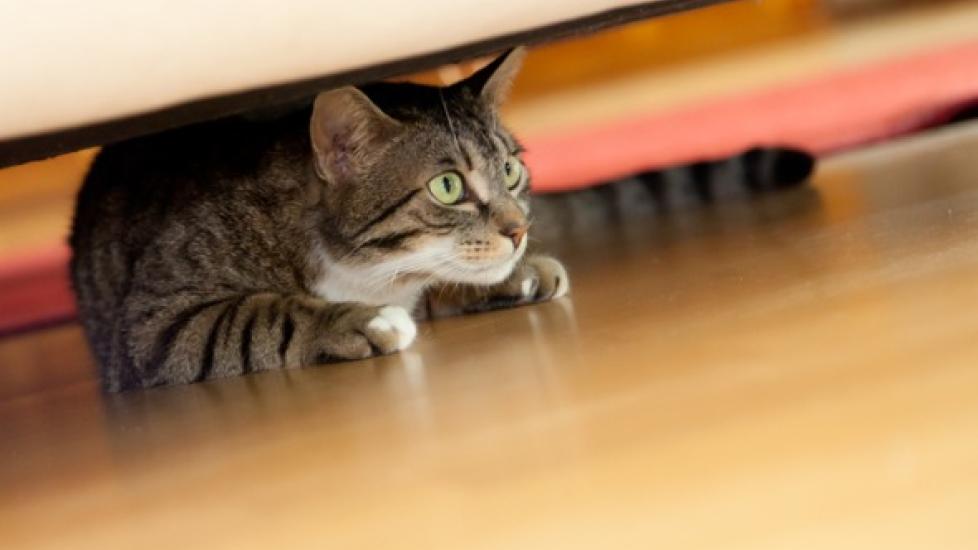
But what if your cat is hiding more often than usual? This could be a sign of stress or illness. A sudden change in behavior is always worth noting.
Excessive meowing can also signal a problem. While cats do communicate vocally, a drastic increase might indicate they’re trying to tell you something. It could range from needing more attention to feeling unwell.
Destructive scratching or urinating outside the litter box are other red flags. These might be signs of anxiety or dissatisfaction with their environment. Addressing these issues early can prevent them from becoming ingrained habits.
Have you experienced any of these behaviors with your cat? Understanding the root cause can help create a happier home for both you and your feline friend.

Credit: www.amazon.com
Causes Of Behavioral Problems
Cats can have behavioral problems due to stress, changes in environment, or health issues. Behavioral medication helps manage these issues. It aims to calm the cat and improve its quality of life.
Understanding the causes of behavioral problems in cats is crucial for effective treatment. Cats, like humans, can exhibit behavior issues due to various underlying reasons. Identifying these causes can lead to more successful behavioral modification and medication strategies.
Environmental Factors
Cats thrive in stable environments. Changes in their surroundings can significantly affect their behavior. Moving to a new home, introducing a new pet, or even rearranging furniture can cause stress. Have you noticed your cat acting out after a change at home? This might be your cat's way of expressing discomfort. Ensuring a stable and predictable environment can help reduce these stress-induced behaviors.
Medical Conditions
Physical health plays a significant role in a cat's behavior. Conditions such as urinary tract infections, dental problems, or arthritis can lead to sudden behavioral changes. A friend once told me how her cat started avoiding the litter box. It turned out to be a urinary tract infection. Addressing the medical condition resolved the behavioral issue almost immediately. Could your cat's behavior be due to an underlying health issue? Regular veterinary check-ups can help detect and treat medical problems early, preventing them from escalating into behavioral challenges. Understanding these causes empowers you to better manage and treat your cat's behavioral problems. What changes can you make today to improve your cat's environment and health?
Medication Options
Behavioral medication for cats can improve a pet's quality of life. It helps manage unwanted behaviors like aggression or anxiety. Choosing the right medication ensures effective treatment. It's vital to understand different options available.
Types Of Medications
There are various types of medications for cats. Antidepressants help with anxiety and compulsive disorders. Anti-anxiety drugs reduce stress-related behaviors. Sedatives may be used for short-term anxiety relief. Always consult a vet before starting any medication.
Prescription Vs. Over-the-counter
Prescription medications are often stronger. They require a vet's approval. Over-the-counter options are available too. These are usually milder. They can help with minor issues. It's crucial to discuss all options with your vet. Choose what's best for your cat's needs.
Credit: www.vet.upenn.edu
How Medications Work
Behavioral medication for cats helps manage anxiety, aggression, and stress. These medications work by balancing brain chemicals, promoting calmness. Often prescribed by veterinarians, they aim to improve a cat's quality of life and well-being.
Understanding how medications work for cats can demystify the process for many pet owners. Behavioral medications are not magic pills but are essential tools to help your feline friend live a balanced life. Have you ever wondered how these medications affect your cat’s brain and behavior?
Impact On Brain Chemistry
Behavioral medications primarily impact brain chemistry. They adjust the levels of neurotransmitters, the chemicals that communicate signals in the brain. For instance, serotonin is a neurotransmitter that influences mood, and medications can help stabilize its levels, leading to improved behavior. Think of it like tuning a radio to the right frequency. When the brain's signals are clear, your cat feels and behaves better. Isn't it fascinating how such small adjustments can lead to significant changes?
Addressing Anxiety And Stress
Many cats suffer from anxiety and stress due to various reasons like changes in the environment or unfamiliar visitors. Medications can help reduce these feelings by calming the nervous system. They work by blocking or enhancing certain brain signals that cause anxiety. Imagine your cat being more relaxed and less reactive to sudden changes—wouldn't that make both your lives easier? Behavioral medications provide a pathway to a more harmonious household. They are not standalone solutions but are most effective when combined with behavioral training and a supportive environment. Are you ready to explore these possibilities for your feline friend?
Administering Medications
Behavioral medication for cats helps manage anxiety, aggression, and stress-related behaviors. It aids in calming and improving their overall well-being. Veterinary guidance ensures safe and effective use, tailored to each cat's needs.
Administering medications to your beloved feline can sometimes feel like a daunting task. Whether your cat is on a behavioral medication to help with anxiety or aggression, ensuring they receive the correct dosage is essential for their well-being. Knowing how to administer these medications properly can make the process smoother for both you and your cat.
Dosage Guidelines
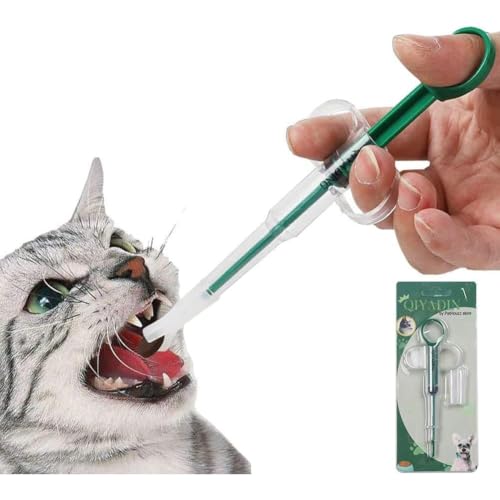
Before you start, always double-check the dosage instructions provided by your veterinarian. Proper dosage is crucial to avoid potential side effects. Use a syringe or a dropper for liquid medications to ensure accuracy. Tablets can be more challenging, so consider using a pill cutter if needed to achieve the correct dosage. Never guess the amount. If you're unsure, it's better to ask your vet than to risk an incorrect dose.
Administration Techniques
Administering medications doesn't have to be a battle. Find a comfortable spot for your cat where they feel secure. For liquid medications, gently hold your cat's head steady and aim the syringe towards the back corner of their mouth. Administer the liquid slowly to prevent choking. If you're dealing with pills, using a pill pocket can be a game-changer. These treats have a pocket designed to hide pills and can make administration feel like a treat rather than a chore. Have you ever wondered if there's an easier way to give your cat their medication? Sometimes, mixing it with a small amount of their favorite wet food can do the trick. Just ensure they consume it all to get the full dose. Remember, patience is key. Your calm demeanor can help relax your cat, making the process less stressful for both of you.
Credit: www.petmd.com
Potential Side Effects
Behavioral medication for cats can help manage anxiety, aggression, or stress. Though effective, these medications can have potential side effects. Understanding these effects helps ensure the health and well-being of your feline friend.
Short-term Effects
Some cats may experience mild sedation. This can make them sleepy or less active. Others might show a decreased appetite. You might notice digestive issues like vomiting or diarrhea. These are typically temporary and resolve once the cat adjusts to the medication.
Occasionally, cats may become more vocal or restless. These behaviors can be unsettling but often diminish with time. Watch for any signs of allergic reactions. Swelling, itching, or breathing difficulty requires immediate attention.
Long-term Considerations
Continuous use of behavioral medication may lead to dependency. Cats might rely on the medication to remain calm. This poses challenges if the medication needs to be stopped.
Liver or kidney health is crucial for cats on long-term medication. Regular veterinary check-ups ensure these organs function correctly. Over time, the effectiveness of the medication might decrease. Adjusting dosages or switching medications may become necessary.
Always consult a vet before making any changes. They provide guidance on safe and effective treatment options.
Alternatives To Medication
When your cat displays unwanted behaviors, medication isn't the only solution. While medications can offer relief, they are not always the first or best choice for every feline friend. Many cat owners discover that simple changes in behavior training and environment can lead to significant improvements. Below, you'll find practical alternatives to medication that might just be the answer you and your cat are looking for.
Behavioral Training
Imagine having the ability to shape your cat's behavior through consistent interaction. Behavioral training involves teaching your cat specific actions or responses using rewards and positive reinforcement. If your cat scratches furniture, try redirecting this habit towards a scratching post. Reward them with treats or affection when they use it. This positive association helps your cat learn what actions bring them joy.
Training sessions should be short and fun. Cats have a limited attention span, so keeping sessions brief ensures they stay engaged. Have you ever tried clicker training? It's a popular method that uses a small device to make a clicking sound as a reward. It's simple and effective, and many cats respond well to the clear signal that they did something right.
Environmental Adjustments
Your cat's surroundings play a huge role in their behavior. Is your home cat-friendly? Assess areas where your cat spends most of their time. Adding vertical spaces like shelves or cat trees can make a big difference. Cats love to climb and observe, and these additions might reduce stress and unwanted behavior.
Consider your cat’s sensory needs. Is there enough stimulation? Toys, puzzles, and interactive feeders can keep your cat mentally engaged. Sometimes, the solution is as simple as adding new toys or rotating them to maintain interest. Does your cat have a quiet space to retreat? A cozy nook can be their sanctuary when they need to relax.
What changes have you made in your home that positively impacted your cat's behavior? Sometimes small tweaks lead to big results. By understanding and adjusting your cat's environment, you often find that medication becomes unnecessary.
Behavioral training and environmental changes not only improve your cat's behavior but also strengthen your bond with them. What strategies will you try next?
Consulting A Veterinarian
Consulting a veterinarian can be essential for your cat's behavioral health. Cats may show behaviors that need professional attention. A veterinarian helps identify the root cause. They can provide guidance on the best course of action. This helps in making your cat's life happier and healthier.
When To Seek Professional Help
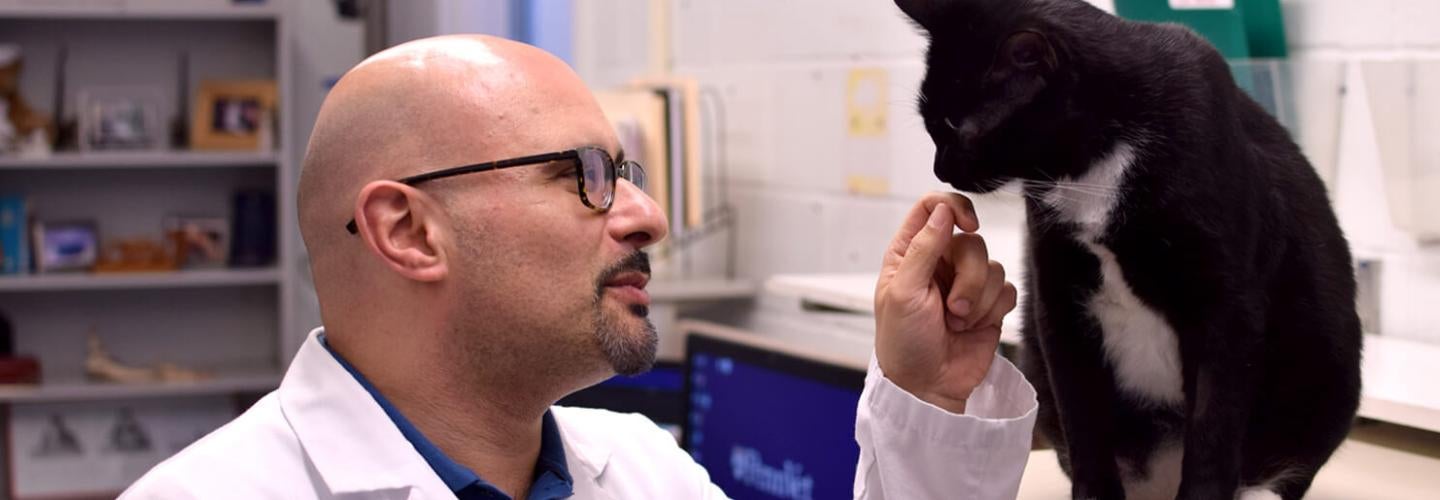
Behavioral changes in cats can be alarming. If your cat becomes aggressive or anxious, it's time to consult a vet. Unusual behaviors like excessive grooming or sudden litter box issues are red flags. A professional can rule out medical causes. They can also recommend behavioral strategies.
Preparing For A Vet Visit
Before the vet visit, observe your cat's behavior closely. Note any changes in eating, sleeping, or social habits. Gather information about your cat's daily routine. This helps the vet make an accurate assessment. Bring any medical records or past treatments. This ensures the vet has a complete history.
Transporting your cat can be stressful. Use a comfortable carrier. Familiarize your cat with the carrier days before the visit. Place favorite toys or blankets inside. This can ease anxiety. Arriving early allows your cat to acclimate to the vet's office environment.
Frequently Asked Questions
What Is Behavioral Medication For Cats?
Behavioral medication helps manage issues like anxiety and aggression in cats. It alters brain chemistry to improve behavior. Medications are prescribed by veterinarians based on the cat's symptoms. They can be used alone or alongside behavioral therapy for effective results.
Always consult a vet before starting any medication.
Why Do Cats Need Behavioral Medication?
Cats may need behavioral medication for anxiety, aggression, or compulsive behaviors. Stressful environments or changes can trigger these issues. Medication helps restore balance and calmness. It’s essential for improving quality of life and preventing harm. Always seek a vet’s advice to ensure proper diagnosis and treatment.
How Do Vets Choose Cat Medications?
Vets choose medications based on the cat's symptoms and health history. They conduct assessments to identify the underlying issues. The type and dosage depend on the severity of the behavior problems. Monitoring is crucial to ensure effectiveness and adjust treatment.
Always follow the vet’s instructions for best results.
Are There Side Effects Of Cat Medications?
Cat medications can have side effects like drowsiness, decreased appetite, or digestive issues. These vary depending on the medication and dosage. Regular monitoring by a vet helps manage and minimize side effects. Report any unusual symptoms to your vet promptly.
Proper usage and guidance reduce risks significantly.
Conclusion
Behavioral medication can help anxious cats. It supports their emotional well-being. Cats feel calm and safe with the right treatment. Consult your vet before choosing any medication. They can guide you effectively. Observe your cat's behavior closely. Adjust treatment if necessary.
Patience is key in this journey. Your understanding can make a difference. A happier cat means a happier home. Remember, every cat is unique. Tailor solutions to their specific needs. Keep exploring ways to improve your cat's life. Your efforts will pay off.