As your beloved feline friend grows older, you might notice changes in their behavior, energy levels, or even health. It's natural to be concerned and want the best for your aging cat.
You might wonder what common health issues they could face and how you can help them live comfortably in their golden years. Understanding these potential health challenges is crucial for providing the care your older cat needs. Imagine feeling confident and prepared, knowing exactly what signs to watch for and how to address them.
By gaining insight into these health issues, you can make informed decisions that improve your cat's quality of life. This article will guide you through the common health issues in older cats, offering tips and advice that empower you to take action. Stay with us to ensure your furry companion stays happy and healthy, as they deserve nothing less.
Credit: www.cherrycreekvet.com
Aging Process In Cats
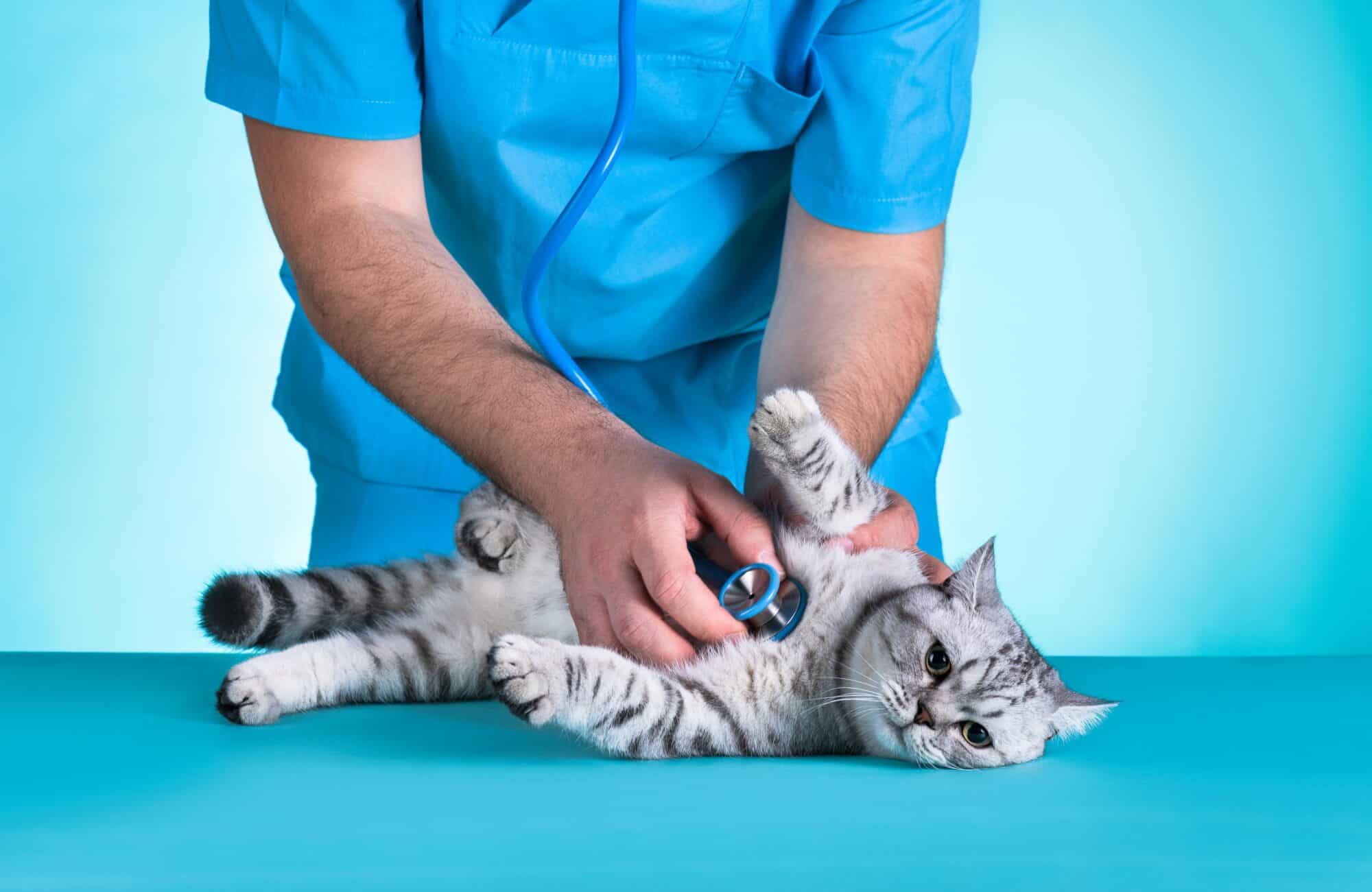
Older cats often face health issues like kidney disease, arthritis, and dental problems. These conditions can affect their quality of life. Regular vet check-ups help in early detection and management.
As cats gracefully age, their bodies and behaviors undergo changes that might surprise even the most attentive pet owners. Recognizing these changes can help you provide the best care for your feline friend. Just like humans, cats experience the aging process with a unique blend of physical and behavioral transformations.
Physical Changes
As cats age, their bodies show visible signs of wear and tear. You might notice that your cat moves more slowly or has difficulty jumping onto their favorite perch. This could be due to arthritis, a common issue in older cats. Weight changes are also common. Some cats gain weight due to reduced activity, while others might lose weight due to muscle mass reduction or dental issues. It's important to monitor these changes closely. You may also observe changes in their coat. An older cat's fur might become duller or thinner. Regular grooming can help maintain skin and coat health, ensuring your cat feels comfortable.
Behavioral Shifts
Older cats often exhibit shifts in behavior that can be both puzzling and concerning. A once playful cat might become more withdrawn or spend more time sleeping. This could be their way of conserving energy. You might notice changes in their litter box habits. Increased urination could signal kidney issues, while frequent accidents might indicate arthritis or cognitive decline. Paying attention to these shifts is crucial. Sometimes, older cats vocalize more, especially at night. This can be a sign of disorientation or discomfort. Engaging with your cat and providing a soothing environment can ease their anxiety. Have you observed any of these changes in your feline companion? By being proactive, you can help your aging cat enjoy their golden years with comfort and joy. Always consult your vet when you notice significant changes to ensure your cat receives the care they need.
Dental Problems
As cats age, dental problems become more common. These issues can affect their overall health and well-being. Older cats often face challenges like gum disease and tooth decay. Regular dental care is crucial to prevent pain and infection.
Causes Of Dental Issues
Poor oral hygiene often leads to dental problems in cats. Plaque and tartar build-up can cause gum disease. Older cats may have weaker immune systems, increasing infection risk. Diet also plays a role. Soft foods can stick to teeth, leading to decay. Genetics can make some cats more prone to dental issues.
Symptoms To Watch For
Look for bad breath in older cats. This can indicate dental problems. Drooling and pawing at the mouth are warning signs. Cats may have trouble eating or lose weight. Swollen or bleeding gums also suggest dental issues. Changes in behavior, like irritability, can indicate pain.
Preventive Measures
Regular dental check-ups are essential for older cats. Brush their teeth with cat-friendly toothpaste. Offer dental treats and toys to clean their teeth. Provide a balanced diet to support oral health. Ensure fresh water is always available. Monitor their mouth for any changes.
Arthritis And Mobility
Arthritis is a common issue in older cats. This condition affects their joints, causing stiffness and pain. As cats age, their mobility can decline. This makes simple tasks challenging. Understanding the signs of arthritis is crucial. It helps in maintaining the cat's quality of life.
Common Signs
Look for decreased activity in your cat. They might avoid jumping or climbing. Limping is another sign of arthritis. Cats with arthritis may struggle to groom themselves. You might notice irritability during handling. These signs indicate discomfort in your feline friend.
Impact On Daily Life
Arthritis affects a cat's daily routine. It can make climbing stairs painful. Your cat may sleep more than usual. Movement becomes limited, affecting their playtime. Even using the litter box can be hard. These changes impact their happiness and well-being.
Management Options
Several options can help manage arthritis. Consult your vet for pain relief medications. Weight control is important for reducing joint stress. Consider providing ramps for easier access to favorite spots. Soft bedding can offer comfort and support. Regular check-ups are essential to monitor their condition.
Kidney Disease
Kidney disease is a common issue in older cats. As cats age, their kidneys may not function as well. This can lead to waste buildup in their bodies. It's crucial to understand the signs and treatments for kidney disease. Caring for your aging feline friend involves knowledge and vigilance.
Early Detection
Spotting kidney disease early can improve your cat's quality of life. Watch for signs like increased thirst and urination. Weight loss and decreased appetite might also occur. Regular vet check-ups help catch problems early. Blood and urine tests can detect kidney issues before they worsen. Early detection means better management of the disease.
Treatment Strategies
Various treatments can help manage kidney disease in cats. A special diet can reduce the workload on kidneys. Low-protein and low-phosphorus foods are often recommended. Medication may also be prescribed to control symptoms. Encourage your cat to drink more water. Hydration is crucial for kidney health. In severe cases, fluid therapy may be necessary. Consult your vet for personalized treatment plans.
Hyperthyroidism
Hyperthyroidism is a common condition in older cats. It occurs when the thyroid gland produces too much hormone. This can lead to various health problems. Understanding this condition can help manage your cat's health.
Symptoms And Diagnosis
Increased appetite with weight loss is a key symptom of hyperthyroidism. Cats may also show signs of restlessness and increased activity. Vomiting and diarrhea can occur as well. Thirst might increase, leading to more frequent urination. A veterinarian can diagnose hyperthyroidism with blood tests. These tests measure hormone levels in your cat's blood. Early diagnosis is crucial for effective management.
Treatment Options
Several treatments are available for hyperthyroidism in cats. Medication is often the first choice. It helps control hormone levels. Surgery can remove the overactive thyroid tissue. This method is usually very effective. Radioactive iodine therapy is another option. It targets and destroys the abnormal tissue. Dietary changes can also help manage symptoms. A vet can recommend a low-iodine diet. Each treatment has benefits and potential risks. Discuss options with your vet for the best outcome.
Credit: vetic.in
Diabetes In Cats
Diabetes is a serious health concern for older cats. It occurs when the body can't produce or use insulin properly. This leads to high blood sugar levels. Left untreated, it can cause severe health issues. Regular vet visits are crucial for early detection. Recognizing symptoms early can help manage diabetes effectively.
Risk Factors
Certain factors increase the risk of diabetes in cats. Obesity is a major concern. Overweight cats have a higher chance of developing diabetes. Age also plays a role. Older cats are more susceptible. Some breeds are genetically predisposed. Burmese cats are one example. A sedentary lifestyle can contribute too. Lack of exercise reduces insulin effectiveness.
Monitoring And Care
Monitoring is essential for managing diabetes in cats. Regular blood sugar tests help track health. Vets may recommend a special diet. Low-carbohydrate foods are often preferred. Weight management is important. Keeping cats at a healthy weight can improve their condition. Insulin injections might be necessary. Cats often need daily doses. Consistent routines aid in effective management.
Cancer In Older Cats
As cats age, they become more vulnerable to various health issues. Among these, cancer is a common concern. It can affect any part of a cat's body. Older cats often face higher risks of developing cancer due to weakened immune systems. Understanding the types of cancer and their treatment options is crucial for cat owners.
Types Of Cancer
Cats can suffer from different types of cancer. Lymphoma is one of the most common. It affects the lymph nodes and can spread quickly. Skin cancers also occur frequently in older cats. Squamous cell carcinoma is a typical example. It often appears as sores or lumps on the skin. Additionally, mammary gland tumors can be serious. Female cats are more prone to this type. Early detection can improve the chances of successful treatment.
Treatment And Prognosis
Several treatment options exist for cancer in cats. Surgery is often recommended to remove tumors. Chemotherapy may follow surgery to target remaining cancer cells. Radiation therapy is another option. It uses high-energy rays to destroy cancerous tissues. The prognosis depends on several factors. These include the type of cancer and its stage at diagnosis. Early intervention often leads to better outcomes. Regular vet visits can help catch cancer early.
Obesity Concerns
Obesity is a growing concern for older cats. It affects their quality of life. Extra weight can lead to serious health issues. Arthritis, diabetes, and heart disease are common. Recognizing obesity early is crucial. It helps in managing the cat's health effectively.
Causes Of Obesity
Overfeeding is a primary cause. Cats need fewer calories as they age. Owners often provide too many treats. Lack of physical activity is another factor. Older cats tend to be less active. They prefer lounging over playing. Some cats may also have medical conditions. These conditions can slow metabolism.
Weight Management
Regular vet check-ups are essential. They help monitor the cat's weight. A balanced diet plays a key role. Choose food designed for senior cats. These foods have fewer calories. Encourage play and movement daily. Use toys to stimulate interest. Short play sessions work best for older cats. Weight management is a team effort. Owners and vets should work together.
Mental Health And Cognitive Decline
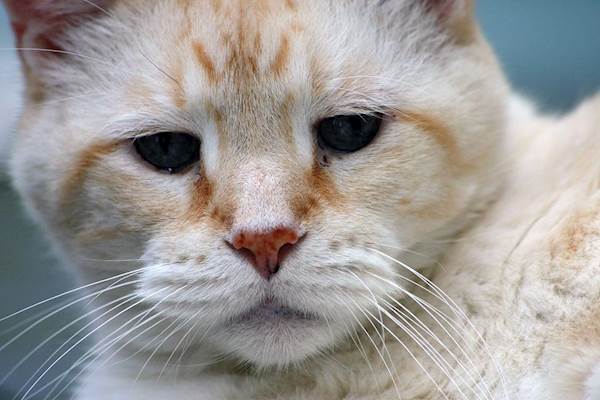
Older cats often face mental health issues. Cognitive decline is common, affecting memory and behavior. These changes can lead to confusion and altered sleeping patterns.
As cats age, they may face mental health challenges and cognitive decline, much like humans. This can be a confusing time for both the feline and its owner. Understanding the signs and providing supportive care can make a significant difference in your cat's quality of life.
Signs Of Cognitive Issues
Is your older cat acting differently? You might notice changes in their behavior that signal cognitive decline. Look for signs such as disorientation, where they seem lost in familiar surroundings. They might also show altered sleep patterns, becoming more active at night. Another common sign is a change in interaction with you or other pets. Your once-social cat might become withdrawn. Increased vocalization, especially at odd hours, can also indicate confusion or anxiety. Keep an eye on their litter box habits. Accidents outside the box could be a sign that they are forgetting their routine. Monitoring these signs can help you catch cognitive issues early.
Supportive Care
Once you've identified signs of cognitive decline, what can you do? Start by creating a calm and predictable environment for your cat. Consistency can help reduce stress and confusion. Engage them with simple games to stimulate their mind. Even a feather toy can encourage interaction and exercise, which is beneficial for mental health. Consider nutritional supplements that support brain health. Always consult your vet before adding new items to your cat’s diet. Finally, show patience and understanding. Your cat's behavior might be frustrating, but remember they are navigating a confusing time. How would you want to be treated if roles were reversed? Providing love and support can make all the difference.
Credit: www.petcarerx.com
Preventive Health Measures
Older cats face many health challenges. Early prevention can improve their quality of life. Knowing the right measures helps keep your feline friend healthier. Let's explore some important health strategies for senior cats.
Regular Check-ups
Regular check-ups are vital for older cats. These visits help detect early signs of illness. Veterinarians can monitor weight, dental health, and organ function. Routine blood tests reveal underlying issues. Early intervention leads to better outcomes. Schedule vet visits at least twice a year.
Diet And Nutrition
Diet plays a crucial role in a cat's health. Older cats need a balanced diet. Choose food rich in proteins and low in fat. Senior cat food often contains essential vitamins. These nutrients support joint health and digestion. Always provide fresh water. Hydration is key to a healthy cat.
Frequently Asked Questions
What Are Signs Of Arthritis In Older Cats?
Older cats may show signs like difficulty jumping, stiffness, or limping. Arthritis is common and affects their mobility. Regular vet check-ups can help manage symptoms. Providing a comfortable sleeping area and easy access to food and litter can improve their quality of life.
How Can I Detect Dental Issues In Senior Cats?
Dental issues in senior cats can manifest as bad breath, drooling, or difficulty eating. Regular dental check-ups are essential. Cats often hide pain, so look for changes in eating habits. Providing dental treats and maintaining oral hygiene can prevent serious problems.
Why Do Older Cats Lose Weight?
Weight loss in older cats can be due to dental issues, kidney disease, or hyperthyroidism. Monitoring their diet and regular vet visits are crucial. Sudden weight changes should prompt a vet consultation. Ensuring a balanced diet and proper hydration can help maintain their health.
How Do I Manage Kidney Disease In Cats?
Managing kidney disease involves regular vet visits, dietary changes, and medication. Hydration is crucial for affected cats. Specialized diets can support kidney function. Early detection through routine blood tests can improve outcomes. Consult your vet for tailored treatment plans.
Conclusion
Caring for older cats requires understanding their unique health needs. Regular vet visits help catch issues early. Watch for changes in behavior or appetite. These can signal problems. Arthritis, dental issues, and kidney disease are common in aging cats. Providing a balanced diet supports their health.
Keep them active with gentle play. Create a comfortable resting space. Older cats need our love and patience. They can still enjoy happy, healthy lives. Your attentive care makes a big difference. Stay informed and proactive. Your furry friend deserves the best care in their golden years.