Are you wondering if the indoor health cat food you're feeding your furry friend is really the best choice? If you’ve ever stood in the pet food aisle, overwhelmed by options, you’re not alone.
As a cat owner, you want to ensure your beloved pet enjoys a long, healthy life, and what they eat plays a crucial role in that. You might have heard that indoor health cat food is specially formulated for cats that live indoors, but is it actually beneficial for your feline friend?
We will uncover the truth behind indoor health cat food. You'll discover whether it’s truly good for your cat’s health or just another marketing gimmick. Plus, we'll delve into what ingredients you should look for to make sure your cat gets the nutrition they need. So, if you're eager to make informed choices that could improve your cat's well-being, keep reading. Your kitty’s health might depend on it!
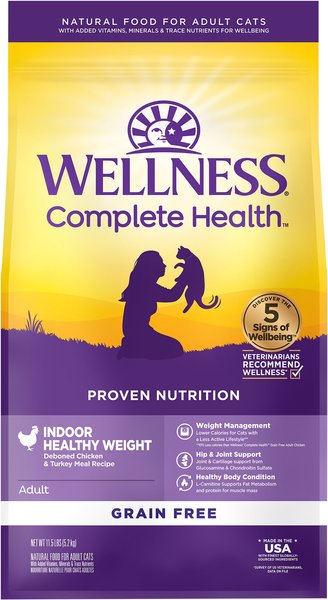
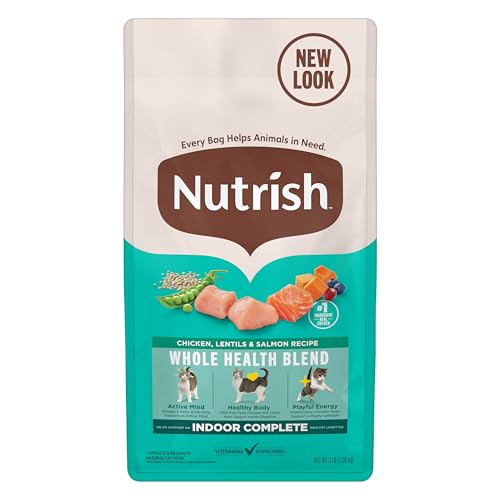
Credit: www.chewy.com
What Is Indoor Health Cat Food
Indoor Health Cat Food is specially formulated for cats that live indoors. These cats often face unique health challenges. They need specific nutrients to thrive. This food helps meet those needs. It supports their health and well-being.
What Makes Indoor Health Cat Food Different?
Indoor cats have lower activity levels. Their diet should reflect this. Indoor health cat food has fewer calories. It prevents weight gain. It also contains fiber to aid digestion. This helps reduce hairball formation. The food is rich in essential nutrients. It supports a healthy coat and strong immune system.
Key Ingredients In Indoor Health Cat Food
High-quality protein is vital. It maintains muscle mass. Indoor health cat food includes chicken or fish. These provide necessary proteins. The food also has added vitamins and minerals. These boost overall health. Antioxidants are included to support the immune system. Omega fatty acids promote a shiny coat.
Benefits Of Indoor Health Cat Food
Indoor health cat food offers tailored nutrition. It supports a healthy weight. It reduces hairballs. Cats enjoy improved digestion. Their coats become shinier. Their immune systems get stronger. This food improves their overall health. It enhances their quality of life.
Choosing The Right Indoor Health Cat Food
Consider your cat's specific needs. Look for food with balanced nutrients. Check the ingredient list. Avoid fillers and artificial additives. Consult your veterinarian. They can provide guidance. They know what is best for your cat.
Nutritional Composition
Understanding the nutritional composition of indoor health cat food can be the key to ensuring your feline friend lives a healthy, happy life. This specialized cat food is designed to meet the unique needs of indoor cats, who often have different dietary requirements compared to their outdoor counterparts. With the right balance of nutrients and calories, you can help prevent obesity and promote overall well-being.
Essential Nutrients
Indoor health cat food typically contains a carefully curated list of essential nutrients. These include proteins, fats, vitamins, and minerals. Proteins are vital for muscle maintenance and energy, while fats provide essential fatty acids that support skin and coat health. Vitamins and minerals help bolster your cat's immune system and ensure proper functioning of bodily processes.
Consider the ingredients list when choosing your cat's food. A high-quality indoor health cat food will often list sources of protein like chicken or fish as the first ingredient. Have you checked if your cat's food contains taurine? This amino acid is crucial for heart and eye health in cats.
Caloric Content
Indoor cats tend to be less active, making caloric content an important consideration. A diet that matches their reduced activity level can prevent weight gain. Indoor health cat food is often formulated with fewer calories per serving than regular cat food.
Look for food that offers portion control guidelines. These can help you manage your cat's intake effectively. Remember, even if your cat seems hungry, overfeeding can lead to obesity—a common issue among indoor cats.
Think about this: Is your cat getting enough exercise to burn off those extra calories? Adjusting their diet can be a simple yet effective way to keep them healthy.
As you explore different options, assess how each brand aligns with your cat's lifestyle and needs. Are you choosing a food that supports their health goals? Let these insights guide your decision-making process and support your cat's well-being.
Benefits For Indoor Cats
Indoor cats lead a unique lifestyle. They enjoy a safe environment, away from outdoor dangers. But they face different health challenges. Indoor health cat food can help. It offers specific benefits tailored to their needs.
Weight Management
Indoor cats often exercise less. This can lead to weight gain. Indoor cat food helps manage weight. It has fewer calories. This supports a healthy weight. A balanced weight means a happier cat.
Hairball Control
Indoor cats groom themselves a lot. This can cause hairballs. Indoor cat food addresses this issue. It contains fiber. Fiber helps reduce hairballs. This makes your cat more comfortable.
Digestive Health
Good digestion is vital for cats. Indoor cat food supports digestive health. It contains ingredients that aid digestion. Healthy digestion means better nutrient absorption. This keeps your cat energetic and healthy.
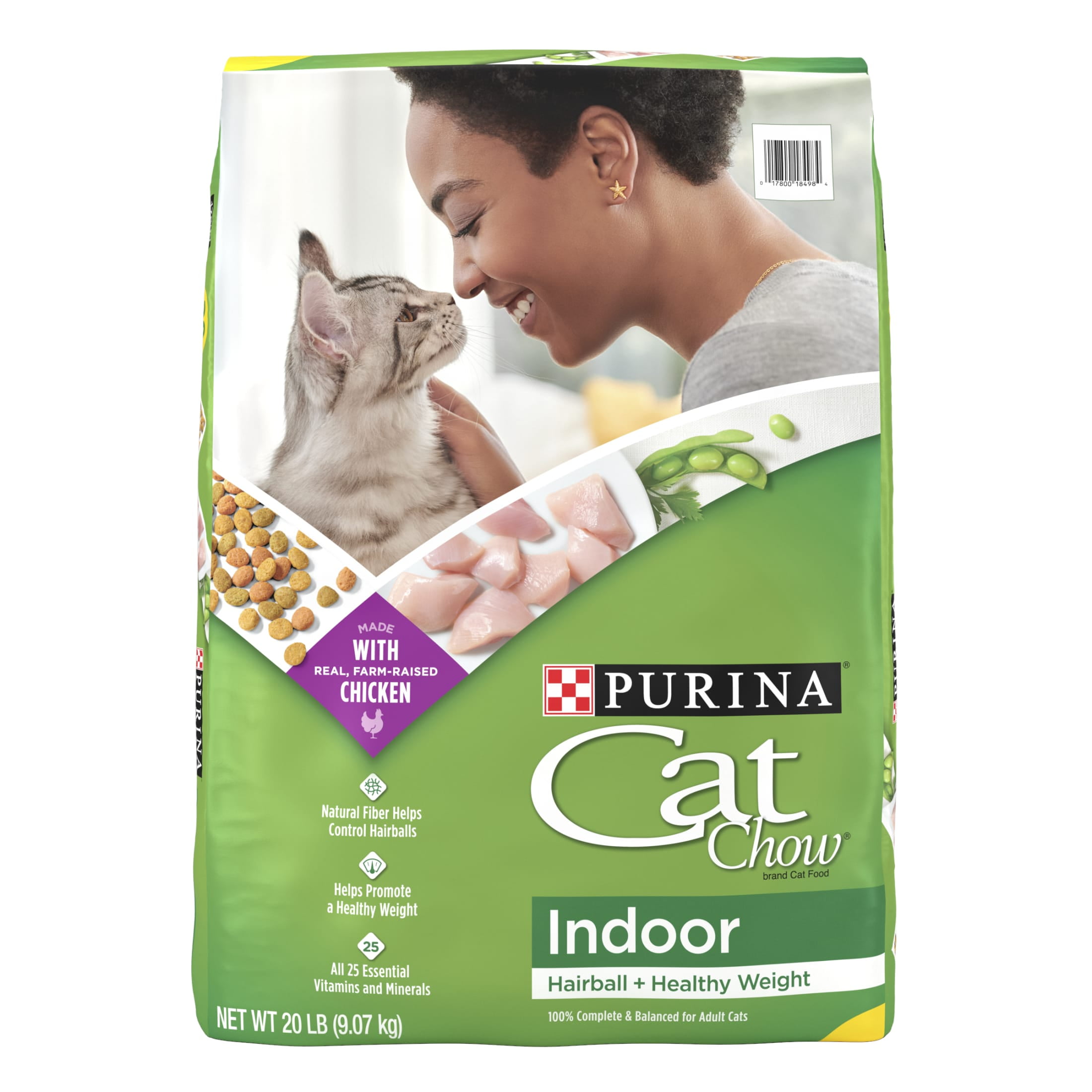
Credit: www.walmart.com
Comparing With Regular Cat Food
As a cat owner, you're always on the lookout for the best food options for your furry friend. You might wonder how indoor health cat food stacks up against regular cat food. This comparison can help you make informed choices that cater to your pet's unique needs. Let's dive into the specifics and see how these two types of food differ.
Ingredient Differences
Indoor cat food often includes ingredients tailored to less active lifestyles. Manufacturers might add more fiber to prevent hairballs, a common issue for indoor cats. You might notice proteins sourced from chicken or fish, which are easier on a cat's digestive system.
Regular cat food tends to have a broader ingredient list. It's designed for cats who might be more active or have outdoor adventures. These foods may include diverse protein sources like beef or lamb. Some regular formulas might not focus as much on fiber content.
Nutritional Value
Indoor health cat food frequently emphasizes weight management. These foods might be lower in calories to prevent weight gain in less active indoor cats. They often balance nutrients to support skin and coat health, addressing common indoor cat concerns.
Regular cat food usually offers a higher calorie count. It caters to cats with more energy expenditure. You might find it packed with essential nutrients for overall health but with less focus on the specific needs of indoor cats. It can be perfect for cats that roam and explore.
Have you noticed a change in your cat's health after switching foods? It's fascinating how diet can impact their well-being. As you consider these options, think about your cat's lifestyle. What suits their activity level and needs best? The right choice can make a big difference in your pet's health and happiness.
Considerations For Cat Owners
Caring for an indoor cat involves several important decisions. Choosing the right food is crucial for their well-being. Indoor health cat food offers specific benefits, but it's essential to weigh various factors. Each cat has unique needs. Understanding these can help ensure a healthy life for your furry friend.
Allergy Awareness
Cats can have food allergies. Some ingredients might cause reactions. It's important to monitor your cat's response to new food. Symptoms like itching or vomiting could indicate an allergy. Consult a vet if you suspect any issues. They can guide you on the best food options.
Age And Health Needs
A cat's age affects its dietary needs. Kittens require more energy and nutrients. Senior cats might need fewer calories. Indoor health cat food often caters to specific age groups. It's wise to choose food that matches your cat's life stage. This ensures they receive the right nutrients.
Health conditions also play a role in food selection. Some cats have unique dietary needs. Conditions like obesity or kidney issues may require special diets. Consult with a vet to understand your cat's health requirements. This helps in choosing the best-suited food.
Veterinary Opinions
Indoor health cat food can be beneficial for your pet's well-being. It often contains fewer calories to prevent weight gain. Essential nutrients support a healthy coat and strong immune system.
When it comes to choosing the right food for your indoor cat, you might be overwhelmed by the array of options available. One question often arises: Is indoor health cat food good for your feline friend? To answer this, we turn to veterinary opinions, where experts provide valuable insights into the benefits and potential drawbacks of specialized indoor cat diets.
Expert Recommendations
Veterinarians often suggest indoor health cat food for cats that spend most of their time inside. These foods are specifically formulated to address the unique needs of indoor cats. They may contain fewer calories since indoor cats are typically less active, helping to prevent obesity—a common concern. Nutritional balance is key. Indoor cat foods are often enriched with fiber to support digestion and reduce hairball formation. If your cat is prone to hairballs or weight gain, you might consider switching to an indoor formula, as recommended by many vets.
Common Misconceptions
A common misconception is that all indoor cats automatically need indoor-specific food. While these foods offer benefits, not every indoor cat has the same nutritional needs. It's essential to assess your cat's health and lifestyle before making changes to their diet. Another myth is that indoor health cat food is just a marketing gimmick. In reality, these formulas can offer real health benefits tailored to indoor cats. However, always consult your vet to ensure it's the right choice for your pet. Have you ever wondered if your indoor cat’s frequent hairballs could be managed better with diet? Or if their constant hunger signals a need for a diet change? Veterinary opinions can guide you to make informed decisions for your furry friend’s health. Consider their insights next time you find yourself standing in the pet food aisle, pondering the best choice for your indoor cat.
Choosing The Right Brand
Choosing the right brand of indoor health cat food is essential. Your feline friend's health depends on it. With countless options available, it can be overwhelming. Selecting the best brand ensures your cat receives all necessary nutrients.
Quality Indicators
Quality is key in cat food. Look for brands with high-quality protein sources. Whole meats or meat meals are great choices. Avoid those with fillers like corn or soy. These ingredients offer little nutritional value. Check for natural preservatives. They are safer than artificial ones.
Reading Labels
Reading labels is crucial for informed choices. Ingredients are listed by weight. The first few ingredients should be meat-based. This indicates a protein-rich diet. Look for added vitamins and minerals. These support overall cat health. Avoid foods with artificial flavors or colors. They are unnecessary and can harm your cat.

Credit: www.amazon.com
Frequently Asked Questions
What Is Indoor Health Cat Food?
Indoor health cat food is specially formulated for cats that live indoors. It typically contains fewer calories and more fiber to help with weight management. These foods often include nutrients that support digestive health and coat condition.
Does Indoor Cat Food Help With Weight Control?
Yes, indoor cat food can aid in weight control. It usually has fewer calories and higher fiber content. This helps keep your cat feeling full while preventing weight gain. Maintaining a healthy weight is crucial for your cat's overall health.
Are There Benefits To Feeding Indoor Cats Specific Food?
Feeding indoor cats specific food offers several benefits. It supports their lower activity level and helps manage hairballs. Additionally, it provides essential nutrients to maintain optimal health, including a shiny coat and healthy digestion.
Can Indoor Cat Food Reduce Hairballs?
Yes, indoor cat food can help reduce hairballs. It often contains higher fiber levels which aid in digestion. This helps pass hair through the digestive system, minimizing hairball formation. A reduction in hairballs can improve your cat's comfort and overall well-being.
Conclusion
Choosing the right cat food is important for your pet's health. Indoor health cat food can be a good option. It provides balanced nutrition for indoor cats. This type of food helps maintain healthy weight. It also supports digestion and reduces hairballs.
Always check the ingredients list. Quality ingredients make a difference. Your cat deserves the best care possible. Consult your vet for specific dietary needs. Their advice ensures your cat's well-being. A healthy diet leads to a happy cat. Make informed choices for your pet's diet.
Your cat will thank you for it.