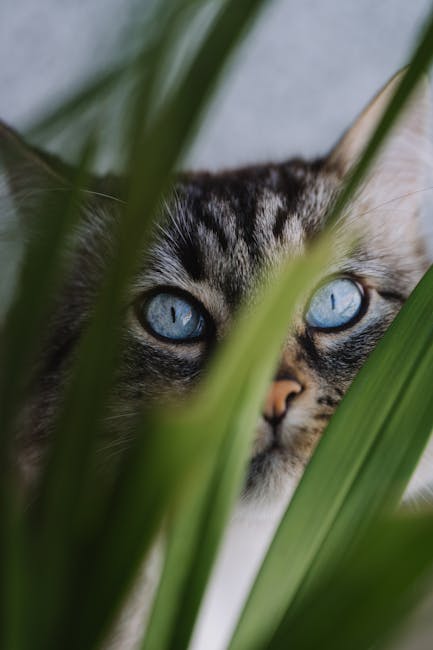
Have you ever wondered what your cat is trying to tell you? From mysterious meows to playful pounces, cats often leave us guessing about their quirky behaviors.
Understanding cat behavior can feel like deciphering a secret code, but once you crack it, you’ll unlock a deeper bond with your feline friend. Imagine being able to predict your cat’s mood just by watching their tail or knowing when they’re feeling playful or stressed.
This knowledge doesn’t just make you a better pet owner; it transforms the way you connect with your cat. Dive into this article to discover how you can decode the fascinating world of cat behavior and enrich your relationship with your furry companion.
Feline Communication
Understanding your cat's behavior can sometimes feel like decoding a secret language. Cats have a unique way of communicating that goes beyond simple meows and purrs. They use a mix of vocalizations, body language, and facial expressions to convey their feelings and needs. By tuning into these cues, you can build a stronger bond with your feline friend and ensure their happiness. Let’s dive into the fascinating world of feline communication.
Vocalizations
Have you ever wondered why your cat meows differently in various situations? Cats use a range of vocalizations to express different emotions and desires. A sharp, loud meow might signal urgency, while a soft purr usually indicates contentment. Listen closely; your cat might be telling you they’re hungry, need attention, or want to play. Try responding to these sounds and see how your cat reacts—it's a great way to start a conversation.
Body Language
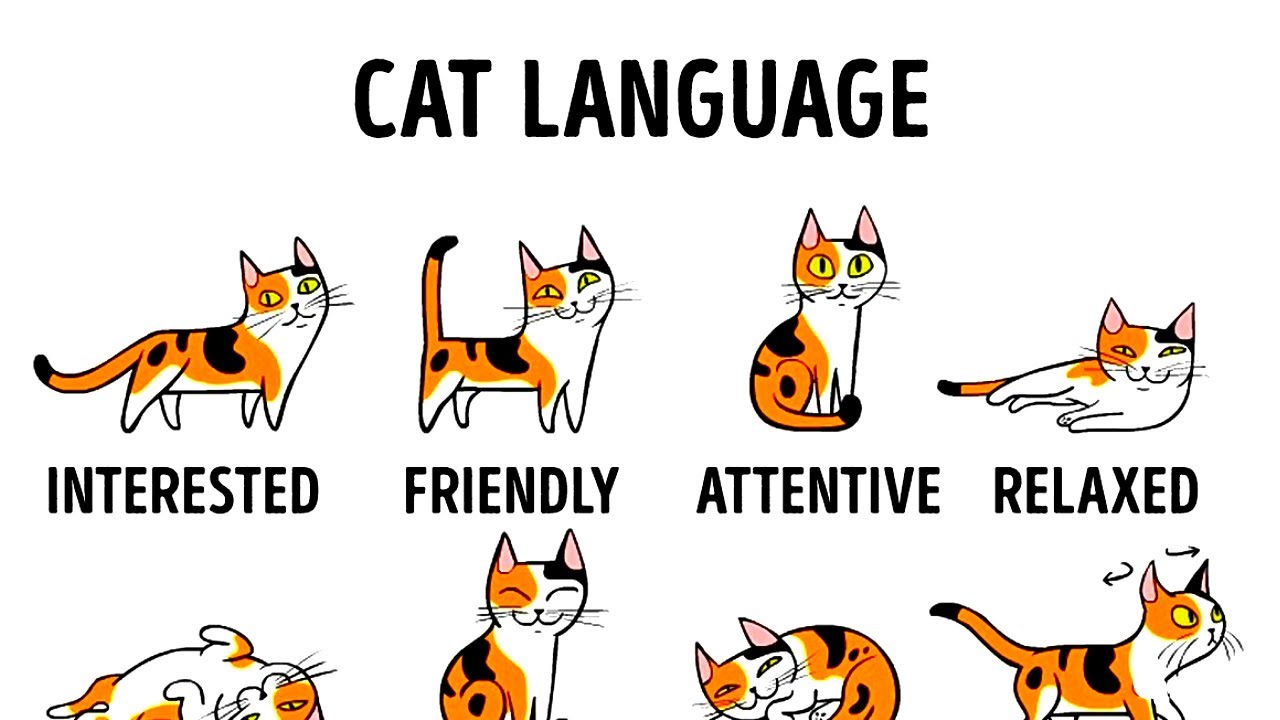
Your cat’s body language is a window into their mood. Tail movements can reveal a lot—an upright tail often means confidence, while a flicking tail might indicate irritation. Pay attention to the position of their ears; forward-facing ears usually mean they’re interested, while flattened ears can be a sign of stress. Observe these subtle signals to understand what your cat is experiencing in the moment. How does your cat's posture change when they're curious versus when they're scared?
Facial Expressions
Facial expressions in cats are subtle but telling. Slow blinking is a sign of trust and affection, almost like your cat is giving you a warm smile. Watch their whiskers; if they’re pulled back, it could mean your cat feels threatened. Notice how their eyes widen when they're excited or frightened. By paying attention to these small details, you can learn what makes your cat comfortable or anxious. Have you ever tried slow blinking back at your cat to see their response?
Understanding these elements of feline communication is an ongoing journey. As you become more attuned to your cat’s signals, you’ll find new ways to connect and communicate effectively. Your cat is speaking to you; are you ready to listen?

Credit: www.tuftandpaw.com
Social Dynamics
Understanding cat behavior involves observing their social dynamics. Cats communicate through body language, vocalizations, and routines. Learning these cues helps decode their needs and emotions.
Understanding the social dynamics of cats can feel like solving a delightful puzzle. Cats are fascinating creatures, and their social behavior is intricate and nuanced. By observing how they interact with each other and with you, you can gain valuable insights into their world. Let's break down the key aspects of their social dynamics to help you better understand your feline friends.
Territoriality
Cats are naturally territorial animals. They establish and defend their territory with great diligence. A cat's territory provides a sense of security and comfort. You might notice your cat rubbing its face against furniture or objects. This is a way of marking territory with scent glands located around their face. If you have multiple cats, pay attention to how they share space. Do they have favorite spots? Understanding these patterns can help reduce conflicts at home.
Hierarchy In Multi-cat Homes
Living with more than one cat means observing a complex social hierarchy. Cats establish a pecking order which dictates who eats first, who gets the prime sleeping spots, and who initiates play. Watch for signs of dominance, like one cat consistently grooming another. This can indicate hierarchy without aggression. If conflicts arise, consider providing more resources like food bowls and litter boxes. This minimizes competition and helps maintain peace.
Interactions With Humans
Your relationship with your cat is unique. Cats show affection in subtle ways, like purring, kneading, or following you around. These are signs they trust and enjoy your company. Ever notice how your cat reacts differently to various family members? Cats often form special bonds with particular people. Reflect on your interactions. Are you responding to their needs and signals? Enhancing this bond can lead to a more harmonious home. Understanding cat behavior is a rewarding journey. It deepens your connection and enhances their well-being. So, what's the most surprising thing you've learned about your cat's social dynamics?
Play And Hunting Instincts
Understanding cat behavior involves observing their play and hunting instincts. Cats often mimic hunting through playful actions. They pounce, chase, and bat at objects, showing their natural instincts.
Cats are fascinating creatures, and their behavior can often seem mysterious. Understanding their play and hunting instincts is key to decoding their actions. Cats, both domestic and wild, are natural hunters. Their play often mimics hunting behaviors. By observing these instincts, you can better meet your cat's needs.
Types Of Play
Cats engage in many types of play. Solo play involves toys like balls or strings. This helps them practice hunting skills. Interactive play happens with humans or other cats. It strengthens bonds and fulfills social needs. Observing these play types offers insights into your cat's personality. Some cats prefer chasing, while others enjoy pouncing. Knowing your cat's favorite play type enhances their happiness.
Simulating Hunting
Simulating hunting satisfies a cat's natural instincts. Use toys that mimic prey. Feathers, laser pointers, and small plush toys are excellent choices. Move toys like prey to engage your cat. Quick movements and unpredictable directions stimulate their interest. This simulation keeps your cat active and mentally engaged. Rotate toys regularly to maintain their interest.
Importance Of Playtime
Playtime is vital for your cat's well-being. It provides exercise, reducing obesity risk. It also prevents boredom, which can lead to behavioral issues. Play strengthens the bond between you and your cat. Daily play sessions of 15-30 minutes are ideal. Consistent playtime routines improve your cat's mood and health. Investing in playtime ensures a happy, well-adjusted pet.
Credit: www.youtube.com
Stress And Anxiety
Understanding cat behavior helps manage stress and anxiety in pets. Cats communicate through body language and sounds. Observing their actions can reveal feelings like fear or contentment.
Understanding cat behavior can often feel like deciphering a secret code. One of the trickiest aspects is recognizing when your feline friend is stressed or anxious. Stress and anxiety in cats can lead to health problems and behavioral issues. Knowing the signs and how to address them can help you create a calm and comfortable environment for your kitty.
Signs Of Stress
Recognizing stress in cats is not always straightforward. They are masters at hiding their discomfort. Look for changes in their usual behavior. If your cat suddenly becomes withdrawn or overly aggressive, it might be stressed. Increased vocalization or decreased appetite can also be red flags. Keep an eye on any excessive grooming, as this can indicate stress too.
Common Stress Triggers
Cats can get stressed from a variety of sources. A new pet in the house or a change in their daily routine can unsettle them. Loud noises or unfamiliar visitors might be other triggers. Even minor changes, like moving their litter box, can be distressing. Have you noticed your cat’s mood shift when you bring home new furniture? These seemingly small changes can feel significant to them.
Calming Techniques
There are several ways to help your cat feel more at ease. Providing a safe and quiet space is crucial. Ensure they have access to a cozy spot where they can retreat. Interactive playtime can be a great stress reliever. Use toys to engage your cat and burn off nervous energy. Consider trying pheromone diffusers or sprays, which can help create a calming atmosphere. Have you ever tried a gentle massage? Some cats love it and find it incredibly soothing. Your understanding and patience can significantly impact your cat's well-being. Are you ready to make a positive change in your cat's life? By observing, identifying triggers, and employing calming techniques, you can help your furry companion lead a happier, stress-free life.
Grooming And Hygiene
Understanding a cat's grooming behavior is vital for pet owners. Cats are known for their meticulous grooming habits. They spend a significant part of their day cleaning themselves. Grooming is not just about hygiene; it reflects their emotional state and social interactions.
Self-grooming Habits
Cats groom themselves to maintain cleanliness. It helps remove loose fur and dirt. Grooming stimulates blood flow and maintains skin health. It also helps cats relax and feel secure. Watch your cat's grooming habits closely. Excessive grooming might indicate stress.
Grooming As Social Behavior
Cats groom each other to strengthen social bonds. Mother cats groom their kittens to show affection. Cats often groom their human companions too. This is their way of expressing trust and love. Social grooming is a sign of a strong bond.
Addressing Grooming Issues
Sometimes cats face grooming challenges. Fur mats can cause discomfort and skin issues. Regular brushing can prevent matting. Monitor your cat for signs of over-grooming. This might point to anxiety or health concerns. Consulting a vet can help address these issues effectively.

Credit: www.reddit.com
Eating Patterns
Understanding cat eating patterns can help you support their well-being. Cats have unique eating habits. Recognizing these patterns helps address their needs effectively. Observing their routine, preferences, and changes in appetite provides insights. Let's explore how these factors influence their behavior.
Preference For Routine
Cats love routine in their daily lives. They prefer eating at the same time each day. Regular meal times give them a sense of security. When their routine changes, they may become stressed. This can affect their eating habits. Keep meal times consistent. It helps maintain their comfort and happiness.
Understanding Picky Eating
Many cats are picky eaters. They often refuse new foods. Taste and texture play a significant role. Some cats prefer wet food, others prefer dry food. Experiment with different options. Find what suits your cat best. Introduce new foods gradually. This approach can help overcome their pickiness.
Recognizing Health Issues
Changes in eating patterns can signal health problems. Sudden loss of appetite may indicate illness. Overeating might suggest stress or boredom. Observe any changes in their eating behavior closely. Consult a vet if you notice significant changes. Early detection of health issues is crucial. It ensures your cat remains healthy and happy.
Sleeping Habits
Cats sleep a lot. Understanding their sleeping habits can reveal much about their behavior. Their sleep patterns often confuse many cat owners. Knowing their sleep habits helps in ensuring their well-being.
Sleep Cycle
Cats are crepuscular creatures. They are most active at dawn and dusk. During the day, they take many short naps. These naps help them conserve energy for hunting.
While napping, cats remain alert to sounds. This light sleep cycle is a survival instinct. They can wake quickly if needed.
Favorite Spots
Cats choose sleeping spots carefully. They prefer warm and safe places. High perches or cozy corners are favorites. These spots offer security and comfort.
Some cats like to sleep near their human companions. This behavior shows trust and affection. Regularly sleeping in the same spot indicates contentment.
Changes In Sleep Patterns
Changes in a cat's sleep pattern can signal health issues. If a cat sleeps more or less than usual, it might need a check-up. Stress or changes in the environment can also affect sleep.
Observe any sudden changes in your cat's sleeping habits. Early detection of problems can prevent serious health issues.
Health Indicators
Understanding your cat's health is crucial for their well-being. Cats often hide signs of illness. Observing subtle changes helps in detecting health issues early. Health indicators are vital in assessing your cat’s condition. They can reveal if your cat is unwell or stressed. Let's explore key aspects to watch for in your feline friend.
Behavioral Changes
Behavioral shifts might signal health problems. A playful cat that becomes withdrawn may need attention. Increased aggression can be a sign of discomfort or pain. Lethargy is another indicator to watch for. If your cat sleeps more than usual, it might be unwell. Monitoring these changes helps in understanding your cat's health.
Physical Symptoms
Physical signs provide clues about your cat's health. Notice changes in appetite. A decrease or increase can indicate issues. Watch for weight fluctuations. Sudden weight loss can be serious. Check the coat condition. Dull fur might suggest health problems. Regularly examine your cat for any lumps or bumps.
When To Consult A Vet
Knowing when to seek veterinary care is essential. Persistent vomiting or diarrhea needs professional attention. Difficulty breathing requires immediate vet consultation. If your cat seems in pain or distress, contact a vet. Unexplained bleeding or injury should be checked by a professional. Regular vet check-ups are beneficial for your cat’s health.
Frequently Asked Questions
Why Does My Cat Knead On Blankets?
Cats knead on blankets as a comforting behavior. It mimics the motion kittens make while nursing. This action often indicates contentment and relaxation. It also helps cats mark their territory using scent glands in their paws. Understanding this behavior can help strengthen your bond with your feline friend.
Why Do Cats Purr When Petted?
Cats purr when petted as a sign of contentment and trust. This soothing sound often means your cat feels safe and happy. Purring can also be a self-healing mechanism for cats, reducing stress and promoting relaxation. Recognizing this behavior helps enhance your connection with your cat.
What Does It Mean When A Cat Hisses?
When a cat hisses, it typically signals fear or discomfort. This defensive behavior warns potential threats to back off. Hissing may also occur if a cat is in pain or feeling threatened. Understanding this behavior helps you address your cat's needs and ensure their comfort.
Why Do Cats Scratch Furniture?
Cats scratch furniture to mark their territory and maintain claw health. Scratching also helps stretch their muscles and relieve stress. Providing scratching posts can redirect this natural behavior away from furniture. Understanding this helps protect your belongings while meeting your cat's instinctual needs.
Conclusion
Understanding cat behavior takes patience and observation. Cats communicate in subtle ways. Watch their body language closely. Notice their ears, tail, and eyes. Each movement tells a story. Pay attention to their vocalizations too. Meows and purrs convey feelings. Spend time playing with them.
Build trust through gentle interactions. Recognize their unique personalities. Respect their space and independence. Learning their habits helps strengthen your bond. A happy cat means a happy home. Stay patient and curious. Your feline friend will appreciate your efforts. Enjoy the journey of understanding your cat better.