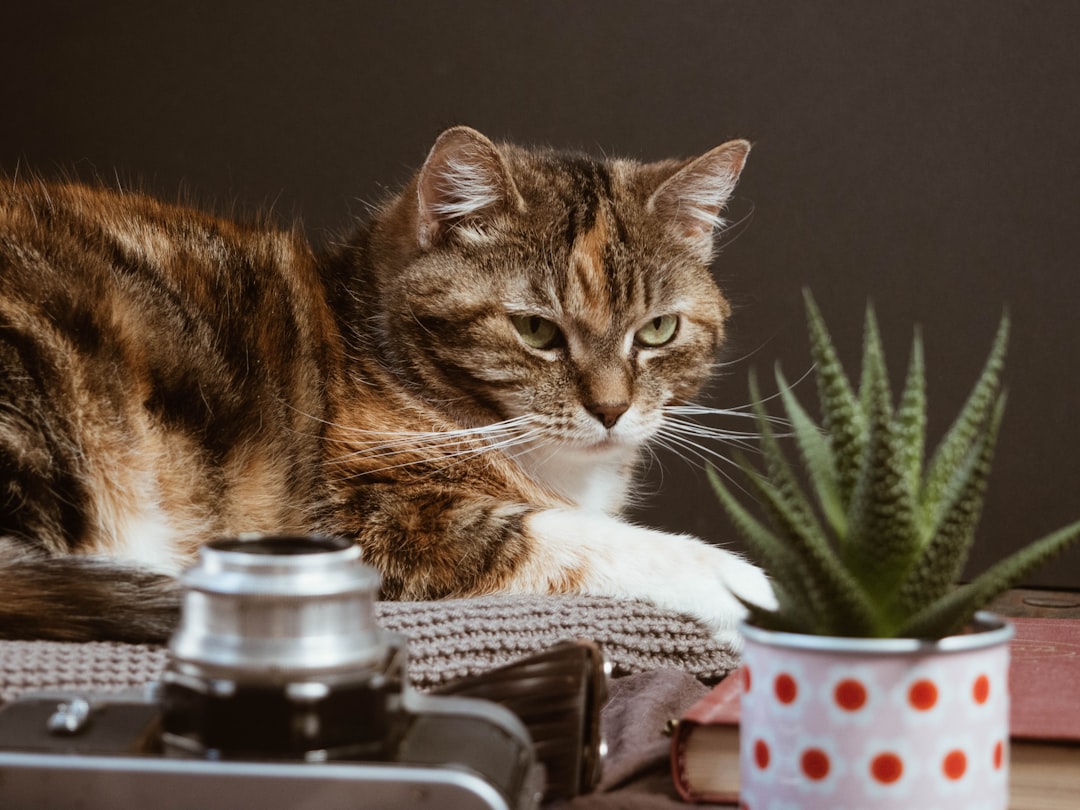
As your beloved feline friend ages, it's natural for you to worry about their health and well-being. You're not alone.
Many cat owners face similar concerns, and it's perfectly normal to want the very best for your older cat. You might have noticed changes in their behavior or energy levels, and you're eager to ensure they live their golden years comfortably and happily.
The good news is, with the right care and attention, you can significantly boost your older cat's health. Imagine the peace of mind you'll have knowing your feline companion is thriving. You'll discover practical tips and insights to keep your older cat healthy and vibrant, so you can enjoy many more years of companionship. Ready to take the next step in ensuring your cat's well-being? Let’s dive in.

Credit: www.ralphs.com
Nutrition For Older Cats
Older cats need special nutrition to stay healthy. Provide them with high-quality proteins and balanced vitamins. Monitor their weight and hydration to ensure they remain fit and active.
As our feline companions age, their nutritional needs change significantly. Ensuring that your older cat receives the right nutrition is crucial for maintaining their health and vitality. Nutrition for older cats involves not just feeding them enough, but feeding them right. Let’s explore how you can provide a balanced diet, maintain proper hydration, and consider special dietary supplements for your aging cat.
Balanced Diet
A balanced diet is the foundation of good health for older cats. You might notice your cat becoming pickier with age; however, it’s essential to maintain a diet rich in proteins, healthy fats, and essential nutrients. Consider foods that are specially formulated for senior cats. These often contain higher protein levels and fewer calories to support lean muscle mass while managing weight. My cat, Whiskers, thrived on a senior cat food that was lower in sodium, keeping his heart healthier for years. Check the ingredient list on cat food packaging. Look for whole ingredients like chicken or fish listed first. Avoid fillers like corn and soy, which can be hard to digest.
Hydration Needs
Older cats are more prone to dehydration, which can exacerbate health issues like kidney disease. Ensure your cat always has access to fresh, clean water. Consider adding wet food to their diet if they primarily eat dry kibble. Wet food not only provides hydration but also tends to be more palatable for older cats with diminishing appetites. You might notice your cat drinking less. In such cases, a pet water fountain can encourage more frequent drinking by keeping water moving and fresh.
Special Dietary Supplements
Sometimes, diet alone isn’t enough to meet your cat’s nutritional needs. Special dietary supplements can be a great addition to support their health. Consult your vet about supplements tailored for older cats, such as omega-3 fatty acids for joint health or taurine for heart health. My vet recommended a glucosamine supplement that helped Whiskers remain agile well into his senior years. Be cautious with self-prescribing supplements. Over-supplementation can lead to health problems. Always seek professional advice before starting any new supplement regimen. Are there specific signs of aging you’ve noticed in your cat? Adjusting their nutrition might be the key to giving them a more comfortable and healthier life.

Credit: www.kwikpets.com
Regular Veterinary Checkups
Keeping older cats healthy involves more than good food and cozy beds. Regular veterinary checkups are crucial. These appointments help monitor your cat's health and catch issues early. They ensure your furry friend enjoys a longer, healthier life.
Importance Of Routine Exams
Routine exams are vital. Vets can spot potential problems before they become serious. Early detection saves time, money, and stress. It also increases treatment success rates. A vet checks weight, teeth, and overall condition. They assess behavior changes, which might signal health issues.
Vaccinations And Boosters
Vaccinations protect older cats from diseases. As cats age, their immune systems weaken. Regular boosters are necessary to maintain protection. Your vet knows which shots are essential. They tailor a vaccination schedule based on your cat's needs and lifestyle.
Monitoring Chronic Conditions
Older cats often develop chronic conditions. These include arthritis, diabetes, and kidney disease. Regular checkups help monitor these conditions. Vets adjust treatments as needed. This ensures your cat remains comfortable and active. Early intervention prevents complications.
Exercise And Mobility
Keeping older cats healthy involves regular exercise and maintaining mobility. Gentle play sessions and interactive toys help maintain their agility. Encourage movement by placing food bowls and litter boxes in different areas. This promotes physical activity and supports joint health.
As our feline companions age, their activity levels and mobility can decline. However, keeping older cats active is crucial for their overall well-being. Exercise helps maintain muscle tone, supports joint health, and prevents obesity. By focusing on their physical activity, you can help your senior cat remain spry and content.
Encouraging Activity
Engaging your older cat in playtime can be challenging, but it's essential. Use toys that mimic the movement of prey, like feather wands or small balls. Short, frequent play sessions are more effective than long, tiring ones. Cats love routine, so try to schedule playtime at the same time each day. If your cat enjoys it, consider a cat tree or shelves to encourage climbing. My senior cat, Bella, loves her simple cardboard box maze. It keeps her curious and moving without overwhelming her.
Joint Health Support
Aging joints need extra care. Supplements like glucosamine and chondroitin can aid in maintaining joint health. Consult your vet to find the best options for your cat. Regular vet check-ups can detect early signs of arthritis. Keep your cat's weight in check to reduce strain on their joints. A well-balanced diet and portion control are key. Warm, cozy spots can also soothe aching joints. A heated pet bed might become your cat's favorite lounging area.
Safe Environment
Creating a safe environment for your older cat is vital. Ensure their favorite spots are easily accessible. Adding ramps or steps can help them reach high places without jumping. Remove any obstacles or slippery surfaces to prevent falls. Soft, non-slip mats can make a big difference. Observe your cat's behavior and adjust their environment to suit their needs. Is there a favorite window perch they struggle to reach? A small change can improve their daily life significantly. Keeping your older cat active and mobile requires attention and care, but the rewards are immense. What changes will you make today to enhance your cat's golden years?
Mental Stimulation
Engage older cats with toys, puzzles, and interactive play for mental stimulation. These activities keep their brains active and sharp. Regular mental exercise helps maintain overall well-being and happiness.
As cats age, their cognitive abilities may begin to decline, much like humans. Keeping your older cat mentally stimulated is essential for maintaining their overall well-being. Engaging their mind not only combats boredom but also helps prevent behavioral issues. Let's explore practical ways to keep your senior feline's mind sharp and active.
Interactive Toys
Interactive toys are a fantastic way to engage your cat's mind. They encourage problem-solving and provide much-needed physical activity. Consider toys that dispense treats or require your cat to bat or chase. Rotate toys regularly to keep your cat interested and challenged. Have you noticed how your cat loves a new toy but loses interest over time? Fresh toys stimulate curiosity and excitement, much like a new book for us.
Training And Learning
Training isn't just for dogs—cats can learn too! Teaching your cat new tricks or commands can be a fun bonding experience. Use positive reinforcement like treats or praise to encourage learning. Start with simple commands such as "sit" or "high five." Short, frequent training sessions work best, keeping your cat engaged without overwhelming them. Have you ever tried training your cat? You might be surprised at their potential to learn.
Social Interaction
Social interaction is vital for your older cat's mental health. Engage with them daily through petting, talking, or grooming. This interaction strengthens your bond and provides comfort and mental stimulation. If your cat enjoys the company of other animals, consider supervised playdates with friendly pets. Even short, positive interactions can make a big difference in your cat's mental well-being. How do your interactions brighten your cat's day? Remember, your presence is a powerful tool for their happiness. Encourage your older cat's mental agility with these activities, and watch as they thrive with a renewed zest for life. Your efforts can add joy and enrichment to their golden years, keeping them as lively and curious as ever.
Dental Care
Proper dental care is vital for older cats' health. Regular brushing and dental check-ups help prevent gum disease and tooth loss. Providing dental treats and a balanced diet also supports oral hygiene.
Cats need proper dental care to maintain their health. Older cats, especially, require attention to prevent dental issues. Neglecting their oral health can lead to discomfort. It can also cause serious health problems. Ensuring your cat's dental health involves regular checks and cleanings.
Signs Of Dental Issues
Watch for signs of dental problems in your cat. Bad breath is a common indicator. Look for red or swollen gums. Drooling more than usual can be a sign. Notice if your cat struggles with eating. These might suggest dental pain. Consult your vet if you observe any symptoms.
Daily Oral Hygiene
Daily oral care is crucial for older cats. Brush your cat's teeth regularly. Use a cat-friendly toothbrush and toothpaste. Start with short sessions. Gradually increase the time as your cat adjusts. Dental treats can also help reduce plaque. These treats are designed to support oral health.
Professional Cleanings
Visit the vet for professional cleanings. These cleanings remove tartar and plaque buildup. Vets have the tools and skills needed. Professional cleanings are essential for your cat’s dental health. Regular check-ups can catch issues early. Early detection prevents more serious problems later.
Grooming And Hygiene
Older cats need regular grooming to stay healthy. Brushing helps remove loose fur and prevents matting. Clean their teeth gently to avoid dental issues.
Keeping your older cat healthy isn't just about regular vet visits and a balanced diet. Grooming and hygiene play a crucial role in their overall well-being. As cats age, their grooming habits may change, making it essential for you to step in and assist. This not only helps in keeping them clean but also strengthens your bond. Let's dive into some practical tips to ensure your older cat looks and feels their best.
Regular Brushing
Brushing your older cat regularly is vital. It helps remove loose fur and prevent matting, which can be uncomfortable for them. Older cats might not groom themselves as effectively, so your assistance is key. Choose a brush suited to your cat's fur type. For short-haired cats, a simple bristle brush can work wonders. If your cat has long hair, consider using a comb with wide teeth to tackle tangles gently. Make brushing a routine, perhaps after meals or during your evening wind-down. This not only helps with fur management but also provides a moment of calm for both you and your cat.
Skin And Coat Health
Your cat's skin and coat offer insights into their health. Look for signs of dryness or irritation. These could indicate issues like allergies or nutritional deficiencies. A balanced diet with Omega-3 fatty acids can improve skin health and enhance the sheen of their coat. Ask your vet about supplements if necessary. Be vigilant about any changes. Is your cat scratching more than usual? Are there bald patches? Quick action can prevent small issues from becoming big problems.
Bathing Tips
Cats are generally self-cleaning, but older cats may need occasional baths. If your cat starts to smell or has greasy fur, it's bath time. Use a cat-specific shampoo to avoid skin irritation. Ensure the water is lukewarm, as cats are sensitive to extreme temperatures. Keep the bath quick and calm. Speak softly and reassure your cat throughout. Have a towel ready and wrap them up immediately after to keep them warm. While bathing might not be your cat's favorite activity, it can be vital for their hygiene. Do you have a funny bath-time story? Share it in the comments. Your experiences can help fellow cat owners navigate this sometimes tricky task.
Creating A Comfortable Environment
Creating a comfortable environment is crucial for keeping older cats healthy. As cats age, their needs change, and providing them with a cozy, stress-free space can significantly impact their well-being. Older cats often require special attention to ensure they feel secure and relaxed in their home. Adapting their surroundings can enhance their quality of life and overall health.
Warm Sleeping Areas
Older cats need warm and cozy sleeping spots. Their bodies are more sensitive to cold. Place soft blankets in their favorite resting areas. Consider heated beds for extra comfort. Ensure these spots are away from drafts. This helps maintain their body temperature, which is vital for their health.
Accessibility Adjustments
Make your home accessible for older cats. Provide ramps or steps to help them reach higher areas. Ensure litter boxes are easy to access. Avoid high edges that might be difficult to climb. Place food and water bowls at a comfortable height. This reduces strain on their joints and muscles.
Reducing Stress
Stress can affect older cats more than younger ones. Create a quiet and peaceful environment. Keep loud noises to a minimum. Offer hiding spots where they can retreat. Limit changes in their routine or surroundings. A calm atmosphere helps them feel safe and secure.

Credit: www.ralphs.com
Monitoring Weight And Body Condition
Older cats need regular weight and body checks to stay healthy. Watch for sudden weight changes or visible ribs. Adjust diet and exercise based on their condition.
Ensuring your older cat remains healthy is a vital responsibility, and monitoring their weight and body condition is a key part of that process. Cats, like humans, experience changes in metabolism and energy needs as they age. Keeping a close watch on their weight and body condition can help you catch potential health issues early. It’s not just about numbers on a scale; it’s about understanding what those numbers mean for your cat’s overall health and happiness.
Recognizing Weight Changes
Weight changes in older cats can indicate underlying health issues. A sudden weight loss might suggest problems like diabetes or hyperthyroidism. On the other hand, weight gain can lead to joint issues or diabetes. Have you ever noticed your cat looking a bit slimmer or rounder? Regularly weigh your cat at home or during vet visits. Keep a simple log—date, weight, and any changes in behavior you notice. This helps track trends and communicate effectively with your vet.
Body Condition Scoring
Body condition scoring is a hands-on way to assess your cat's health. It involves feeling their ribs, spine, and waistline. You should be able to feel their ribs with a slight fat covering, but they shouldn’t be visible. A body condition score of 5 out of 9 is ideal for most cats. Too high or too low can signal health issues. Try using a chart available from your vet to score your cat at home. Is your cat’s body condition score what it should be?
Adjusting Diet And Exercise
Adjusting your cat's diet and exercise can be necessary as they age. Older cats may need more protein and fewer calories. Look for senior-specific cat food that caters to these needs. Exercise is equally important. Encourage your cat to play with toys or chase a feather. This helps maintain muscle mass and prevents obesity. Does your cat get enough exercise to stay fit and healthy? If you notice changes in weight or body condition, consult your vet. They can provide tailored advice to keep your feline friend healthy and happy. Keeping an eye on these factors can make a big difference in your cat’s quality of life. Are you ready to ensure your cat enjoys their golden years to the fullest?
Recognizing Signs Of Aging
Older cats may show signs of aging like reduced activity, weight changes, or less grooming. Regular vet check-ups and a balanced diet help maintain their health. Keep an eye on behavior changes to ensure comfort and well-being.
As your cat gracefully transitions into their golden years, recognizing the signs of aging becomes crucial to ensuring their well-being. Older cats, much like elderly humans, exhibit distinct behaviors and physical changes. By staying attuned to these shifts, you can provide the care and attention your feline friend needs to thrive in their later years.
Behavioral Changes
You may notice your older cat becoming less active or preferring solitude over social interactions. They might sleep more, or seem disinterested in toys they once loved. It's essential to observe these changes, as they may indicate your cat is experiencing discomfort or simply adapting to their aging body. In my experience with my cat, Whiskers, he started sleeping in quieter, more secluded spots. This was his way of finding comfort as he aged. Have you observed similar changes in your cat?
Common Age-related Issues
Older cats often face age-related health problems like arthritis, dental issues, or kidney disease. You might spot your cat having difficulty jumping onto furniture, which could suggest joint pain. Cats with dental problems may drool or have bad breath, signaling the need for a vet check-up. Additionally, issues like weight loss or excessive thirst may point to kidney concerns. Keeping an eye on these symptoms helps you address potential health problems early.
When To Seek Veterinary Advice
While some changes are natural, others require professional attention. If your cat shows signs of persistent pain, drastic weight changes, or unusual behaviors, it's time to consult your vet. They can provide guidance and possible treatments to enhance your cat's quality of life. Remember, regular vet visits are crucial as they age. These check-ups help catch potential issues before they become serious problems. Have you scheduled your cat's next veterinary appointment?
Frequently Asked Questions
How Can I Improve My Older Cat's Diet?
Improving your cat's diet starts with consulting a vet for tailored advice. Opt for high-quality, age-appropriate cat food. Incorporate wet food for hydration and nutrients. Monitor portion sizes to prevent obesity. Regularly check for food allergies or intolerances. Always ensure fresh water is available.
What Exercises Are Ideal For Older Cats?
Gentle exercises are best for older cats. Encourage play with interactive toys to keep them active. Provide scratching posts for stretching and muscle strength. Ensure safe climbing spaces to promote movement. Monitor energy levels and adjust activities accordingly. Always consult a vet if you notice mobility issues.
How Often Should Older Cats Visit The Vet?
Older cats should visit the vet at least twice a year. Regular check-ups help detect early signs of illness. Ensure vaccinations are up-to-date and discuss any health concerns. Routine blood tests are important for monitoring organ function. Always follow your vet's advice for frequency based on your cat's condition.
Are Supplements Beneficial For Senior Cats?
Supplements can be beneficial if recommended by a vet. They may help with joint health, digestion, and coat quality. Omega-3 fatty acids support overall wellness. Consult your vet for tailored supplement plans. Always monitor for any adverse reactions and adjust as necessary.
Conclusion
Healthy older cats bring joy to our lives. Their care needs special attention. Regular vet visits ensure they stay fit. Balanced meals keep them strong. Hydration is crucial for their health. Mental stimulation keeps their minds sharp. Comfortable spaces help them relax.
Love and patience nurture their happiness. Observing changes is vital. Prompt action avoids bigger issues. Every effort helps them live better. Cherish your time together. Their loyalty deserves the best care. These steps make a real difference. Your commitment keeps them thriving longer.
Enjoy the precious moments with your furry friend.