Are you puzzled about how much canned food your small adult cat should eat? You're not alone.
Many cat owners find themselves standing in the pet food aisle, overwhelmed by the variety of options and unsure about the right portion sizes for their furry friends. Feeding your cat the right amount is crucial for their health and happiness.
Too little, and they might not get the nutrients they need. Too much, and you risk obesity and other health issues. In this blog post, we'll dive into understanding your cat's dietary needs, so you can feel confident in the choices you make. By the end, you'll know exactly how to keep your feline friend both satisfied and healthy. Curious to find out more? Let's uncover the perfect meal plan for your cat.
Nutritional Needs Of Small Adult Cats
Small adult cats thrive on the right amount of canned food. Aim for about 3 ounces daily, split into two meals. Adjust portions based on activity level and weight to ensure optimal health.
Nutritional Needs of Small Adult Cats Understanding the nutritional needs of your small adult cat is crucial for their overall health. Cats are obligate carnivores, which means they need a diet rich in protein. Canned food can be an excellent choice to meet these needs because it often contains higher protein levels and moisture content compared to dry food. Have you ever noticed how your cat seems more satisfied after a meal of canned food? That's because the high moisture content not only helps with hydration but also aids in digestion. This can be particularly important if your cat doesn't drink much water on its own. Ensuring your cat's diet is balanced with the right nutrients will help them maintain a healthy weight and vibrant energy levels.
Protein Requirements For Small Adult Cats
Cats require a diet high in protein to support muscle maintenance and energy levels. Look for canned foods that list real meat as the first ingredient. This ensures your cat gets the quality protein they need.
Importance Of Moisture Content
Canned food provides essential hydration that dry kibble lacks. This is important for kidney health and prevents urinary tract issues. A well-hydrated cat is a healthy cat.
Essential Vitamins And Minerals
Small adult cats need specific vitamins and minerals to thrive. Taurine, for example, is crucial for heart and eye health. Make sure your canned food contains these essential nutrients.
Caloric Needs And Weight Management
Feeding the right amount of canned food helps maintain an ideal weight. Overfeeding can lead to obesity, while underfeeding might cause malnutrition. Use feeding guidelines on the can as a starting point, but adjust based on your cat's activity level and body condition.
Personal Experience: Finding The Right Balance
When I first got my small cat, I struggled with finding the right feeding balance. I noticed she was lethargic and gaining weight. Adjusting the portion sizes and choosing a higher protein canned food made a noticeable difference in her energy and health.
Reading Canned Food Labels
Do you know what’s in your cat’s food? Always check labels for high-quality ingredients. Avoid fillers like corn and wheat, which do little for your cat’s nutritional needs.
Consulting With Your Veterinarian
If you're unsure about how much canned food to feed your cat, consult your veterinarian. They can offer personalized advice based on your cat’s health and lifestyle. Regular check-ups can ensure your feeding plan is on track. Meeting the nutritional needs of your small adult cat doesn't have to be complicated. With the right information and a little attention, you can provide a diet that supports a healthy, happy life for your feline friend.
Credit: www.petmd.com
Factors Influencing Food Intake
Understanding the factors that influence how much canned food your small adult cat should eat is crucial for maintaining their health and wellbeing. Cats have unique nutritional needs that vary based on several aspects. By considering these factors, you can tailor their diet to ensure they receive the right amount of food. Let's explore the key elements that affect your cat's food intake.
Age And Activity Level
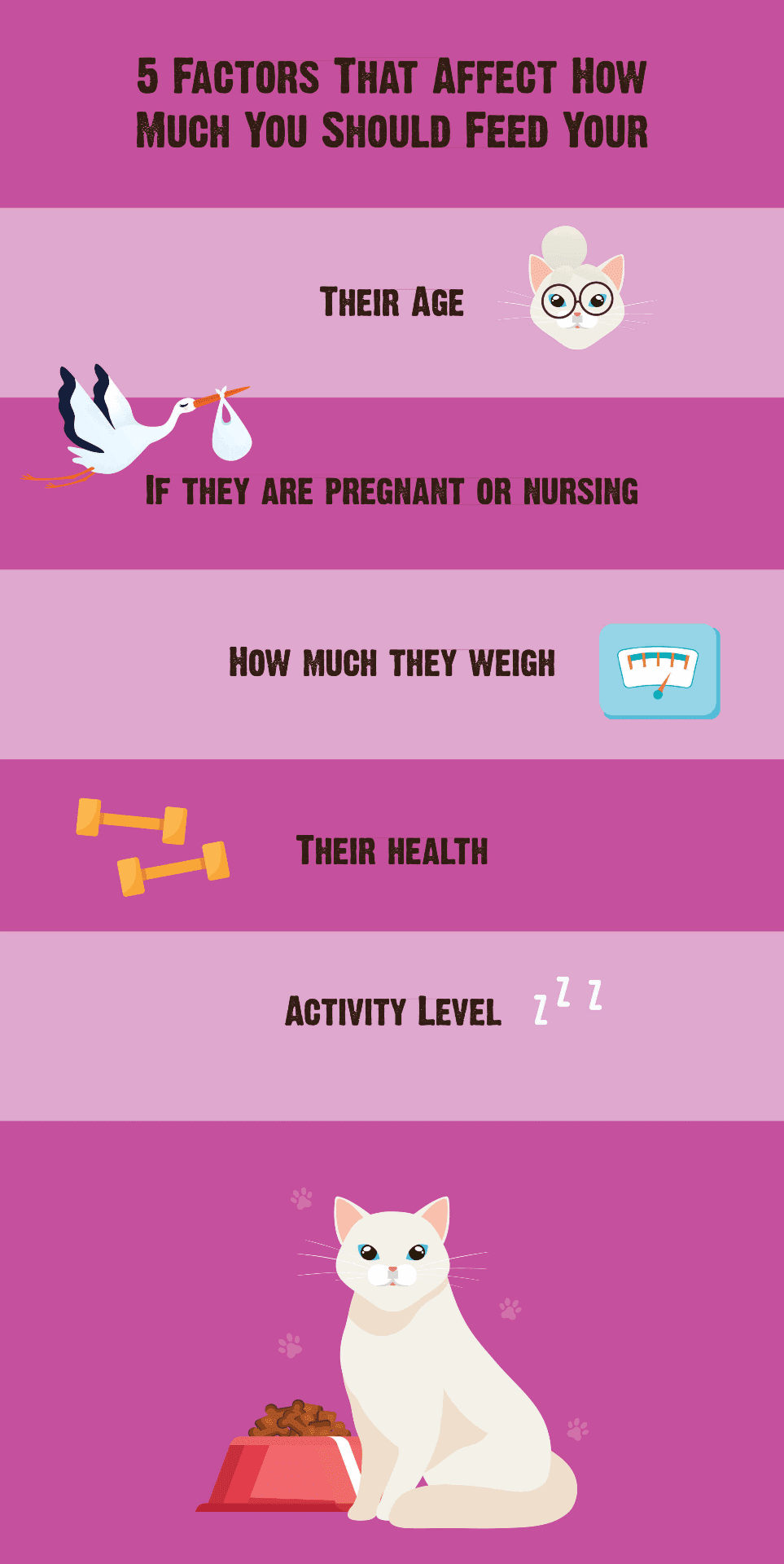
Your cat's age and activity level play a significant role in determining their food intake. Younger cats tend to be more active and may require more calories to support their energy needs. Older cats might be less active and need fewer calories. Think about your cat’s daily routine—do they spend more time lounging or do they have bursts of energy chasing after toys?
Adjusting food portions based on their activity can help maintain a healthy weight. If your cat is more active, slightly increase their food intake. For a less active cat, consider reducing the amount of canned food.
Health Conditions
Health conditions can dramatically impact how much canned food your cat should consume. If your cat has diabetes or kidney issues, specific dietary adjustments are necessary. Always consult your vet to tailor their food intake according to their health needs.
For example, a friend’s cat with a thyroid condition required a special diet. They worked closely with their vet to adjust food portions and types, ensuring their cat received adequate nutrition.
Weight Management
Maintaining your cat’s ideal weight is crucial for their overall health. Overfeeding can lead to obesity, while underfeeding might cause malnutrition. Use a weight chart to track your cat’s progress and adjust food intake as needed.
If you notice your cat gaining weight, consider reducing their canned food portions. Conversely, if they're losing weight, increase their food intake slightly. How often do you weigh your cat? Regular monitoring can help prevent weight-related health issues.
Balancing these factors can ensure your cat stays healthy and happy. By paying attention to their age, health, and weight, you can make informed decisions about their diet. Remember, every cat is unique, so tailor their food intake to suit their specific needs.
Choosing The Right Canned Food
Small adult cats need about one can of food daily, split into two meals. This ensures balanced nutrition. Always check the can's label for specific feeding guidelines and adjust based on your cat's weight and activity level. Regular vet visits help ensure your cat stays healthy.
Choosing the right canned food for your small adult cat can feel like deciphering a complex puzzle. You stand in the pet food aisle, faced with a myriad of options. How do you ensure you pick the best for your feline friend? Understanding the essentials can make this decision easier and more informed. Let's dive into the key factors you should consider when selecting the right canned food for your cat.
Nutrient Composition
Cats are obligate carnivores, which means their bodies thrive on a diet rich in animal-based proteins. Look for canned foods that list real meat like chicken, beef, or fish as the primary ingredient. Check the protein content; it should be around 30-40% on a dry matter basis. Adequate fat is also important, ideally comprising about 9-15% of the diet. Vitamins and minerals are crucial too. Taurine, for instance, is vital for your cat’s heart and eye health. Ensure the food you choose contains this essential amino acid.
Quality And Ingredients
Quality matters as much as quantity. Opt for brands that use high-quality, natural ingredients without artificial preservatives or fillers. Avoid foods with vague terms like "meat by-products" or "animal digest." These could mean lower-quality protein sources. Reading labels can be daunting, but it's worth taking the time. Brands that are transparent about their ingredients tend to be more trustworthy. In a personal anecdote, my friend once switched her cat to a brand boasting "gourmet" on the label, only to find it led to digestive issues. Upon closer inspection, the ingredient list revealed an excess of fillers. Lesson learned: always scrutinize the ingredients. Have you ever wondered why your cat seems to turn up its nose at certain foods? Cats can be picky eaters, and quality ingredients might just make the difference between a meal they love and a meal they leave behind. Choosing the right canned food isn't just about satisfying hunger. It's about supporting your cat's health and happiness. With these insights, you can make a choice that benefits both you and your feline companion.
:strip_icc()/how-much-canned-food-to-feed-554404-Final-4e9268619c4847eaac29498a6a17d88c.png)
Credit: www.thesprucepets.com
Daily Feeding Recommendations
Small adult cats typically need about 3-4 ounces of canned food daily. Adjust portions based on activity level and specific health needs. Always consult with a vet for personalized advice.
Feeding your small adult cat the right amount of canned food can make a big difference in their health and happiness. Cats are creatures of habit, and understanding their dietary needs can help you maintain their ideal weight and energy levels. So, how do you determine the perfect daily feeding routine for your feline friend? Let’s break it down with some practical recommendations.
Portion Sizes
Knowing the right portion size is crucial for your cat’s well-being. Most small adult cats need about 4 to 5 ounces of canned food per day, depending on their activity level and metabolism. Keep an eye on your cat's weight and energy; if they seem sluggish or are gaining weight, adjust the portion sizes accordingly. It’s helpful to check the feeding guidelines on the can. However, remember that these are just general suggestions. Every cat is unique, so feel free to tweak the amount based on your cat’s specific needs. If you're unsure, consult your vet. They can provide personalized advice tailored to your cat’s health and lifestyle.
Feeding Frequency
How often should you feed your cat? While some cats prefer two larger meals, others thrive on smaller, more frequent feedings. Try splitting the daily portion into two or three meals to see what suits your cat best. Observe your cat’s behavior. Do they seem hungry between meals? If so, increasing the frequency of smaller meals might be beneficial. It’s important to establish a consistent feeding schedule. This not only helps with digestion but also gives your cat something to look forward to every day. Have you ever noticed your cat meowing persistently at the same time each day? They can be surprisingly punctual when it comes to meal times! Following a regular schedule can minimize stress and keep your cat content. Incorporating these feeding tips into your routine can ensure your cat stays healthy and happy. Have you found a feeding routine that works wonders for your feline friend? Share your experiences and insights in the comments!
Monitoring Your Cat's Health
Monitoring your cat's health is crucial for ensuring their well-being. Small adult cats have specific dietary needs. Feeding the right amount of canned food is essential. Keep an eye on their weight and overall health. This helps determine if they are getting the right nutrition.
Signs Of Overfeeding
Overfeeding can lead to weight gain. A chubby cat may lack energy. They might also have difficulty grooming themselves. Excessive shedding can be another sign. You might notice frequent vomiting. This could mean they are eating too much.
Signs Of Underfeeding
Underfeeding can cause weight loss. Your cat might look too thin. They may beg for food often. Lack of energy is another sign. Their coat might appear dull. You might notice frequent meowing. This could mean they are hungry.
Adjusting Diet Based On Lifestyle
Adjusting a cat's diet based on their lifestyle is crucial. Cats have different needs based on their daily activities. An active outdoor cat and a relaxed indoor cat require different nutrition. Understanding these differences helps in determining the right amount of canned food. This ensures your cat stays healthy and happy.
Indoor Vs. Outdoor Cats
Indoor cats usually have a sedentary lifestyle. They spend most of their time napping or lounging. This means they burn fewer calories. So, they need less food to avoid weight gain. Outdoor cats, on the other hand, are more active. They hunt, play, and explore. They burn more energy and may need more canned food. Always consider your cat's activity level when planning their meals.
Seasonal Changes
Seasonal changes can affect a cat's dietary needs. During colder months, cats might need more food. This helps them maintain body warmth. In warmer seasons, they might eat less as they conserve energy. Monitor your cat's eating habits throughout the year. Adjust their canned food intake as needed.
Consulting A Veterinarian
Veterinarians can guide you on feeding small adult cats the right amount of canned food. Factors like weight, activity level, and health determine the optimal portion. Consult a vet to ensure balanced nutrition for your cat's well-being.
Consulting a veterinarian is crucial when determining how much canned food your small adult cat should eat. Every cat is unique, and what works for one might not be suitable for another. By seeking professional advice, you ensure that your feline friend receives the optimal nutrition tailored to their needs.
Regular Health Check-ups
Regular health check-ups are essential for your cat's well-being. They help catch any health issues early. During these visits, your vet can assess your cat’s weight, body condition, and overall health. These check-ups are also an opportunity to discuss your cat's diet. Your vet can provide insights into how dietary changes might benefit your cat. They can spot if your cat is gaining weight or losing muscle mass, which might require adjustments in their food intake.
Personalized Feeding Plans
A personalized feeding plan can make a world of difference for your cat's health. Your vet can suggest a feeding plan based on your cat’s age, activity level, and health conditions. This plan will help you determine the right amount of canned food to offer. Consider if your cat has any specific dietary needs, like food allergies or a sensitive stomach. A personalized plan can include these factors. This tailored approach ensures that your cat gets the right nutrients without unnecessary fillers. Have you ever wondered if your cat is truly getting the nutrition they need? Consulting a veterinarian can bring peace of mind. It’s a step towards ensuring that your beloved pet lives a long and healthy life. By making these consultations a regular part of your pet care routine, you actively contribute to your cat's happiness and health.
Credit: rawznaturalpetfood.com
Frequently Asked Questions
How Much Canned Food For A Small Adult Cat?
A small adult cat typically needs 200 to 250 calories per day. Check the label for calorie information to determine serving size. Adjust portions based on your cat’s activity level and weight. Consult your veterinarian for personalized feeding advice.
Is Canned Food Better Than Dry Food?
Canned food often contains more moisture and protein, which can be beneficial for cats. It helps maintain hydration and supports urinary health. However, dry food is more convenient and can be better for dental health. Choose based on your cat’s health needs and preferences.
How Often Should A Cat Eat Canned Food?
Feed your cat canned food twice daily, splitting the daily portion into two meals. This schedule helps maintain energy levels and supports digestive health. Adjust feeding frequency based on your cat’s age, health condition, and lifestyle.
Can Canned Food Cause Weight Gain?
Yes, canned food can cause weight gain if overfed. Monitor your cat's weight and adjust portions accordingly. Choose low-calorie options if weight gain is a concern. Regular exercise and balanced diet are crucial for maintaining a healthy weight.
Conclusion
Feeding your small adult cat canned food requires attention. Start with recommended portions. Observe your cat's weight and energy levels. Adjust the amount as needed. Keep an eye on any changes in behavior. Consult your vet for personalized advice. Canned food offers hydration and nutrients.
Balance it with dry food if necessary. Ensure your cat maintains a healthy weight. Regular check-ups help prevent health issues. Happy feeding leads to a happy cat. Prioritize your cat’s well-being with thoughtful choices. Enjoy the bond that caring for your cat brings.