Have you ever wondered whether cats instinctively know how to use a litter box or if it's something they need to learn? This question might have crossed your mind if you’ve ever watched a kitten cautiously approach a litter box for the first time.
Understanding whether a cat using a litter box is a learned behavior or a natural instinct can reveal fascinating insights into your feline friend’s mind. Imagine having the knowledge that could make your life as a cat owner easier, and improve your cat's comfort and happiness.
You'll want to keep reading to uncover the secrets behind this everyday feline activity, and how it can transform your experience as a pet parent. Get ready to delve into the intriguing world of cats and their bathroom habits, and discover how you can make a difference in your cat’s life.
Credit: www.aspca.org
Instincts Vs. Learned Behavior
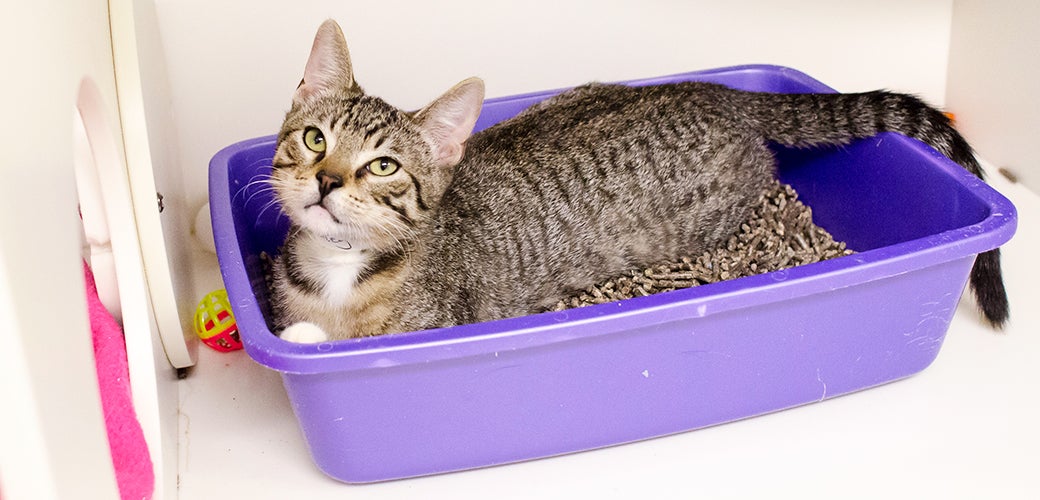
Have you ever wondered if a cat uses a litter box naturally? It's a fascinating mix of instincts and learned behavior. Cats have certain instincts that guide them, but learning plays a role too. Understanding this balance can help you provide a better environment for your feline friend.
Instincts In Cats
Cats are born with some natural instincts. One of these is the urge to dig and cover. In the wild, cats bury waste to hide their scent. This behavior helps them avoid predators. It's an important survival skill.
Even domestic cats have this instinct. Many kittens start digging without being shown. It's in their nature. But not every cat does it perfectly. That's where learning comes in.
Learned Behavior
Though instincts are strong, learning shapes a cat's behavior. A kitten often learns from its mother. Watching her use a litter box teaches them. Even older cats can learn through observation.
Sometimes, humans need to teach them. Positive reinforcement helps a lot. Rewarding a cat for using the box encourages good habits. Training takes patience, but it's worth it.
Environmental Influences
A cat's environment impacts its behavior. A clean, accessible litter box makes a big difference. Cats avoid dirty areas. So, regular cleaning is essential.
The location of the box matters too. It should be quiet and private. Cats need a peaceful spot to feel comfortable.
Credit: www.pumpkin.care
Evolutionary Traits Of Cats
Cats often use litter boxes naturally due to instinctive burying behaviors. This trait evolved for covering waste to avoid predators. Training might help, but many cats find litter boxes without guidance.
Cats are fascinating creatures, with behaviors that often leave us intrigued. One such behavior is their use of a litter box, which is not just a learned habit but also deeply rooted in their evolutionary traits. Understanding these traits provides insight into why cats instinctively cover their waste, a behavior crucial for survival in the wild.
Understanding Cat Ancestry
Your cat's ancestors were solitary hunters. They needed to hide their scent from both prey and predators. This instinctual drive to bury waste is an evolutionary trait that has been passed down through generations. When your cat uses a litter box, it's tapping into this ancient survival strategy.
Natural Instincts And Cleanliness
Cats are known for their meticulous grooming habits. This cleanliness extends to their bathroom habits as well. In the wild, keeping their territory clean was crucial for avoiding detection. This natural instinct is why your cat might seem picky about the cleanliness of its litter box. Have you ever noticed how quickly your cat covers its business? It's driven by an instinct to stay hidden from potential threats.
Behavioral Adaptation To Domestic Life
Though domesticated, cats still retain many of their wild traits. Adapting these instincts to a home environment is part of their charm. The litter box is a modern adaptation of the natural environment they would seek in the wild. Think about your cat's behavior when it encounters a new type of litter. It's a glimpse into how they assess and adapt to new environments, just as their ancestors did.
Encouraging Litter Box Use In Kittens
Kittens learn litter box habits from their mothers. If you're raising a kitten without a mother, you can mimic this teaching process. Place the kitten in the litter box after meals and naps. Gently guiding their paw to dig can encourage natural instincts. Have you tried observing how quickly they catch on? It's a testament to the strength of these evolutionary traits. Understanding the evolutionary traits of cats not only helps in nurturing their natural instincts but also in ensuring a harmonious living environment for both you and your feline friend. How does observing these behaviors in your cat change the way you interact with them?
Role Of Environment In Litter Box Usage
Cats learn litter box habits from their environment. The right setup encourages consistent use. Factors like location, cleanliness, and privacy play key roles.
Understanding the role of the environment in a cat's use of a litter box can be eye-opening. Cats are highly sensitive creatures, and the environment around them can greatly influence their behavior, including their litter box habits. By creating a cat-friendly space, you can encourage your feline friend to use the litter box consistently.
How Environment Influences Litter Box Behavior
The environment around your cat's litter box can make or break their willingness to use it. Cats prefer a quiet, private space where they feel safe. If the litter box is placed in a noisy or high-traffic area, your cat may avoid it. Consider your own experiences with bathrooms. You likely prefer a clean, quiet space. Your cat feels the same way about their litter box.
Choosing The Right Location
Selecting the right spot for the litter box is crucial. A secluded corner of a room can provide the privacy your cat craves. Avoid placing the litter box near loud appliances or busy hallways. Think about a time when you felt uncomfortable using a public restroom because of its location. Your cat experiences similar discomfort if their litter box isn't in a peaceful spot.
Importance Of Cleanliness
Cats are known for their cleanliness. A dirty litter box can deter them from using it. Regularly scooping and changing the litter keeps it fresh and inviting. Imagine stepping into a restroom that hasn't been cleaned in days. Would you want to use it? Your cat's standards are just as high.
Providing Multiple Options
If you have more than one cat, it's wise to have multiple litter boxes. This prevents territorial disputes and ensures every cat has access when needed. Place the boxes in various locations to accommodate different preferences. Think of it like having multiple restrooms at home. It helps avoid conflicts and makes life easier for everyone.
Adapting To Changes
Cats can be sensitive to changes in their environment. Moving the litter box or introducing new scents can disrupt their routine. If changes are necessary, do them gradually to give your cat time to adjust. Have you ever felt disoriented when someone rearranges your furniture? Cats experience similar feelings when their environment changes suddenly. Considering your cat's perspective on their environment can make a big difference. What changes can you make to ensure your cat feels comfortable using their litter box?
Training Techniques For Litter Box Use
Cats can be taught to use a litter box. Training involves guiding them to associate the box with their bathroom needs. Consistent reinforcement helps them learn this behavior quickly.
Training your cat to use a litter box isn't always straightforward. Some cats learn quickly, while others need guidance. The right techniques make the process smoother. Patience and understanding are key. Let's explore effective training techniques for litter box use.
Positive Reinforcement
Positive reinforcement is a powerful tool. Reward your cat for using the litter box. Treats work well. Praise them with a happy voice. This creates a positive association. Your cat will understand the litter box is good.
Addressing Challenges
Sometimes, challenges arise. Your cat might avoid the litter box. Check for cleanliness first. Cats dislike dirty boxes. Try changing the litter type. Some cats prefer different textures. Observe your cat's behavior. It might reveal their preferences.
Common Problems And Solutions
Training your cat to use a litter box can be a smooth process, but sometimes unexpected challenges arise. Understanding these common problems and their solutions can make a world of difference. Whether it's a case of litter box aversion or health-related issues, addressing these hurdles effectively ensures a happier life for both you and your furry friend. Let's dive into these aspects and uncover practical solutions.
Litter Box Aversion
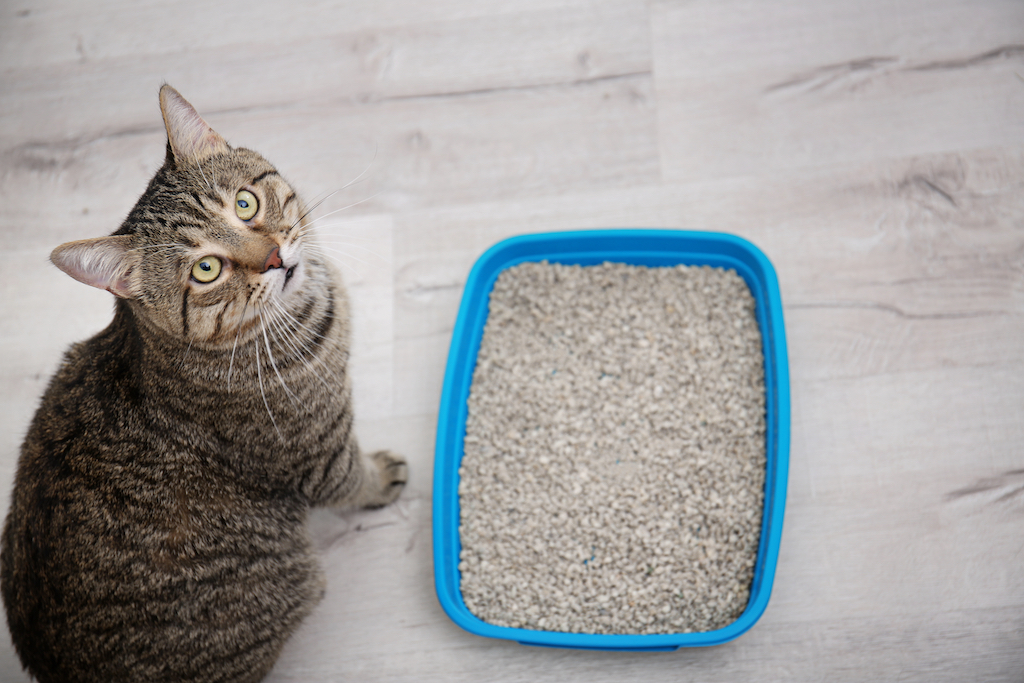
Ever wondered why your cat suddenly refuses to use the litter box? This aversion is a common problem faced by many cat owners. Cats are creatures of habit, so even minor changes can unsettle them. A change in litter brand or box location might be the culprit. It’s crucial to observe your cat's behavior and identify any recent changes.
To tackle litter box aversion, start by maintaining consistency. Keep the litter box in the same spot and use the same type of litter. Some cats prefer unscented litter, while others might react better to a specific texture. Experiment to find what suits your cat best. Also, ensure the box is clean; cats are known for their cleanliness and may avoid a dirty box.
Health Issues
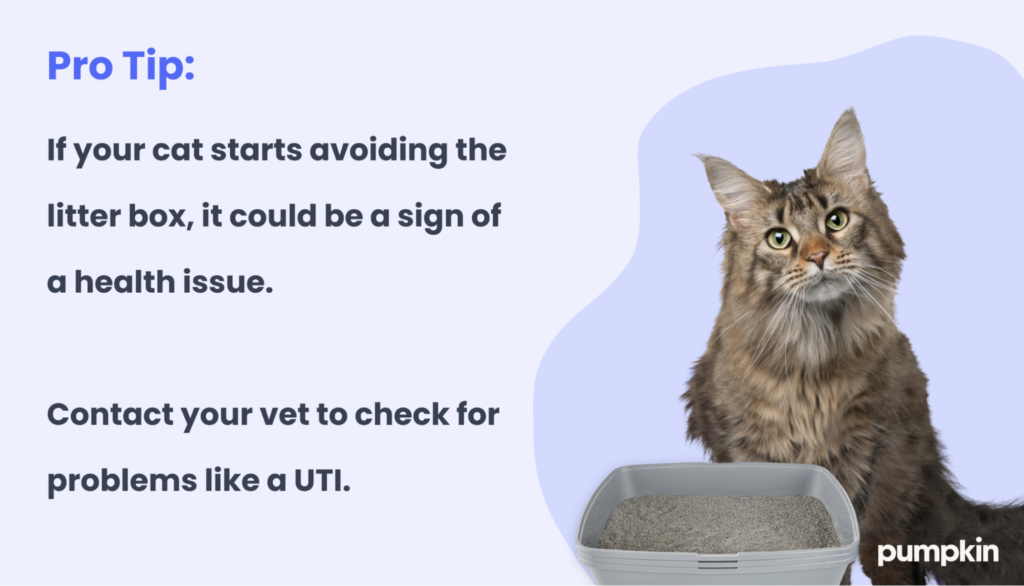
Sometimes, litter box problems stem from underlying health issues. If your cat is in pain or discomfort, it might associate the litter box with negative experiences. Conditions like urinary tract infections or arthritis can affect a cat's willingness to use the box.
Pay attention to any signs of distress or unusual behavior. If your cat is visiting the box more frequently or avoiding it altogether, it might be time for a vet visit. Regular check-ups can help catch issues early. If health problems are identified, follow your vet’s advice on treatment and adjustments at home.
In tackling these challenges, the key is patience and observation. What steps will you take today to ensure your cat feels comfortable using the litter box? Addressing these common problems head-on can lead to a more harmonious relationship with your feline friend.
Credit: lakeanimalhospital.com
Understanding Cat Preferences
Cats often learn to use a litter box through observation and instinct. Young kittens watch their mothers and imitate them, gradually understanding the purpose of the litter box. This behavior is influenced by their natural inclination to bury waste, making litter box use a learned yet instinct-driven habit.
Understanding the various preferences cats have when it comes to using a litter box can be both fascinating and essential for any cat owner. Cats, like humans, have their individual likes and dislikes, which can significantly impact their litter box habits. Learning about these preferences can help you create a more harmonious environment for your feline friend and ensure they consistently use their litter box.
Litter Type
Choosing the right litter type can make all the difference. Some cats prefer clumping litter because it closely resembles the soft, sandy soil they instinctively seek out in nature. Others might favor non-clumping litter due to its texture and feel. Have you noticed your cat avoiding the litter box? It might be time to experiment with different types of litter. A friend of mine once discovered her cat had a preference for unscented litter, despite her initial belief that scented would help with odor control. Consider using a small amount of new litter mixed with the old to test your cat’s preference. Observe their behavior and adjust accordingly.
Box Location
The placement of the litter box is crucial. Cats are private creatures and often prefer a quiet, low-traffic area to do their business. Placing a litter box in a busy hallway or near a noisy appliance might discourage its use. I once made the mistake of placing a litter box near the washing machine. My cat was reluctant to use it due to the unpredictable noise. Moving the box to a quieter corner solved the issue instantly. Think about your cat’s need for privacy. Is the current location of the litter box meeting that need? If your cat seems hesitant, try relocating the box to a more secluded spot. Understanding your cat’s preferences can transform their litter box experience. Pay attention, experiment, and be open to change. Your cat will thank you with consistent use and fewer accidents.
Myths And Misconceptions
Many think cats instinctively use litter boxes. It's largely a learned behavior. Kittens watch and imitate their mother.
Understanding the way cats use litter boxes often comes with its fair share of myths and misconceptions. Many cat owners believe that using a litter box is an instinctual behavior, while others think it requires rigorous training. The truth lies somewhere in between, and understanding these myths can help you better assist your feline friend in their natural bathroom habits.
Myth 1: Cats Instinctively Know How To Use A Litter Box
While it's true that cats have a natural instinct to bury their waste, this doesn’t automatically mean they know how to use a litter box. Kittens usually learn from their mothers or through their environment. If your cat is hesitant, patience and gentle guidance can make all the difference.
Myth 2: All Cats Prefer The Same Type Of Litter
Not all cats are the same, and neither are their litter preferences. Some cats might enjoy the feel of clumping litter, while others might prefer a more natural option. Observing your cat's reactions to different types of litter can provide valuable insights into their preferences.
Myth 3: Once Trained, Cats Will Never Stop Using The Litter Box
Just because your cat has been using the litter box reliably doesn’t mean they will never have an accident. Changes in environment, stress, or health issues can lead to deviations. If your cat suddenly starts avoiding the litter box, it may be time to assess these factors.
Myth 4: Litter Boxes Don't Need Frequent Cleaning
Some believe that cats are not bothered by dirty litter boxes, but this is far from the truth. Cats are clean creatures and may refuse to use a soiled box. Regular cleaning ensures a pleasant environment for both you and your pet. Aim to scoop daily and change the litter regularly.
Myth 5: Cats Only Use Litter Boxes Indoors
Cats have been known to adapt to a variety of environments, including outdoor settings. Some cat owners have successfully trained their pets to use outdoor litter boxes. This can be a great solution for those with indoor-outdoor cats, providing convenience and maintaining cleanliness. Do you have any myths you’ve encountered about cat litter box use? Share your experiences in the comments below. Understanding and debunking these misconceptions can lead to a happier, healthier relationship with your feline companion.
Expert Insights
Cats can learn to use litter boxes through instinct and observation. This behavior is often influenced by environment and training. Positive reinforcement helps cats associate the litter box with a safe place to relieve themselves.
Understanding whether using a litter box is a learned behavior for cats requires diving into expert insights. Cats are fascinating creatures with unique traits and behaviors. Exploring how these behaviors develop can offer valuable insights into their world. Experts like veterinarians and animal behaviorists provide crucial perspectives on this topic.
Veterinary Perspectives
Veterinarians often observe that most cats instinctively use a litter box. They attribute this to a cat's natural inclination to bury waste, which is a behavior that helps them avoid predators in the wild. However, some cats may need guidance, especially if they were orphaned or separated from their mothers too early. Veterinarians suggest introducing kittens to a litter box as soon as they start eating solid food. By placing the kitten in the box after meals or naps, you can gently encourage this behavior. If a cat is having trouble, vets might look into medical issues like urinary tract infections, which can disrupt litter box habits.
Animal Behaviorists
Animal behaviorists bring a different perspective, focusing on the environmental and psychological aspects. They emphasize the importance of the litter box's location and cleanliness, as these factors significantly influence a cat's willingness to use it. Behaviorists might suggest using unscented litter, as strong odors can deter cats. They also recommend having one litter box per cat plus one extra, to give your cat ample options. A behaviorist might explore a cat's past experiences. If a cat has had negative experiences with a litter box, such as being startled while using it, they may develop aversions. Understanding a cat's body language and behavior can also provide clues. If a cat is scratching around the box but not using it, it might be trying to communicate discomfort or stress. How can you use these insights to help your cat? Ensuring a positive and stress-free environment is key. If your cat is struggling, consider consulting a veterinarian or animal behaviorist for tailored advice. Engage with your cat's learning process. Observe, adjust, and respond to your cat's needs. Your understanding and patience can make all the difference in your cat's litter box habits.
Frequently Asked Questions
How Do Cats Learn To Use A Litter Box?
Cats often learn to use a litter box by instinct. Most kittens observe their mothers using it. Positive reinforcement and a clean environment also encourage this behavior. Consistent training and patience can help if a cat struggles to learn.
Can All Cats Be Trained To Use A Litter Box?
Most cats can be trained to use a litter box. However, some may have medical or behavioral issues. It's important to consult a vet if problems persist. Early training and consistency are key factors in successful litter box use.
Why Do Some Cats Refuse The Litter Box?
Cats may refuse the litter box due to stress or health issues. A dirty box or an unsuitable location can also deter them. Identifying the underlying cause is crucial. Addressing these issues can help resolve the problem.
Is Litter Box Use Instinctual Or Learned?
Litter box use is mostly instinctual for cats. However, some learning and adaptation are involved. Kittens often mimic their mother's behavior. Providing a suitable environment helps reinforce this natural tendency.
Conclusion
Cats using litter boxes can be both instinct and learned behavior. Instinct drives them to bury waste. But some need guidance. Patience and consistency are key. Training helps cats understand. Positive reinforcement encourages them to use the box. A clean litter box matters.
It ensures they return to it. Observing their habits can help you. Adjusting the environment makes a difference. Every cat is unique. Understanding their needs builds better habits. This strengthens the bond between you and your pet.