Are you wondering how much food you should be feeding your beloved feline friend? You're not alone.
Many cat owners face the challenge of determining the right portion sizes to keep their pets healthy and happy. Feeding your cat the right amount of food is crucial for their overall well-being and can prevent a host of health issues down the line.
But with so many options in the pet supplies aisle, it can be confusing to decide what's best for your furry companion. You'll discover the secrets to ensuring your cat gets just the right amount of nutrition they need. Keep reading, and you'll unlock the key to a longer, healthier life for your cat, one meal at a time.
Daily Nutritional Needs
Feeding your cat the right amount is essential for its health. Daily nutritional needs vary based on age, size, and activity level. Understanding these needs helps maintain a healthy weight and prevents health issues. Let's explore the key elements of your cat's daily diet.
Caloric Requirements
Cats need a specific number of calories each day. Adult cats usually need 20 calories per pound of body weight. Kittens and active cats may require more. Older or less active cats need fewer calories. Check with your vet for personalized advice.
Macronutrients Balance
Protein, fat, and carbohydrates are crucial for cats. Protein should make up a significant portion of their diet. Cats are obligate carnivores, needing meat for essential nutrients. Fat provides energy and keeps their coat healthy. Carbohydrates should be minimal.
Hydration Importance
Water is vital for your cat's health. Cats often don't drink enough water. Wet food can help increase their water intake. Ensure fresh water is always available. Dehydration can lead to serious health problems.
Factors Influencing Food Quantity
Feeding your cat the right amount is crucial for its health. Several factors determine how much food your cat needs. Understanding these will help you provide the best nutrition for your feline friend. Let's explore these factors in detail.
Age And Life Stage
A cat's age and life stage significantly influence its dietary needs. Kittens need more food and nutrients as they grow quickly. Adult cats require a balanced diet to maintain their health. Senior cats may need fewer calories due to reduced activity.
Activity Level
An active cat needs more calories than a sedentary one. Outdoor cats often require more food due to their increased energy expenditure. Indoor cats may need less food to avoid weight gain.
Health Conditions
Health conditions can affect a cat's appetite and food requirements. Cats with diabetes or thyroid issues may need specific diets. Consult your vet for guidance on feeding cats with health concerns.
Types Of Cat Food
Determining the right amount of food for your cat involves understanding different types of cat food. Dry kibble and wet canned food have varied calorie content. Consider your cat's age, activity level, and health to decide the appropriate portion size.
Always consult your vet for personalized feeding advice.
Choosing the right type of cat food can be a daunting task. With so many options available, it's easy to feel overwhelmed. The type of food you choose impacts your cat’s health, energy, and overall happiness. Let’s break down the different types of cat food so you can make an informed decision.
Dry Food Options
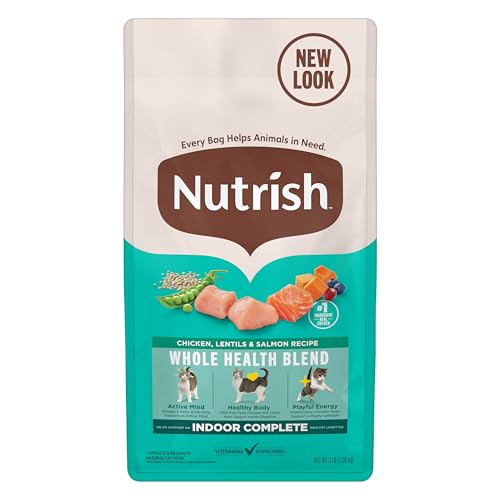
Dry cat food, or kibble, is a popular choice among cat owners. It's convenient, cost-effective, and has a long shelf life. You can leave it out for your cat to nibble on throughout the day without worrying about spoilage. However, not all dry foods are created equal. Look for products with high-quality ingredients, such as real meat and no fillers. Remember to always provide fresh water, as dry food alone may not provide enough hydration.
Wet Food Benefits
Wet cat food often comes in cans or pouches and is known for its high moisture content. Cats that eat wet food may have better hydration, which is crucial for kidney health. The texture and aroma of wet food can be more appealing to picky eaters. It often contains fewer carbohydrates and more protein, aligning with a cat’s natural diet. Wet food, however, can be pricier and requires refrigeration once opened. Consider mixing it with dry food to give your cat a balanced diet while managing costs.
Raw Diet Considerations
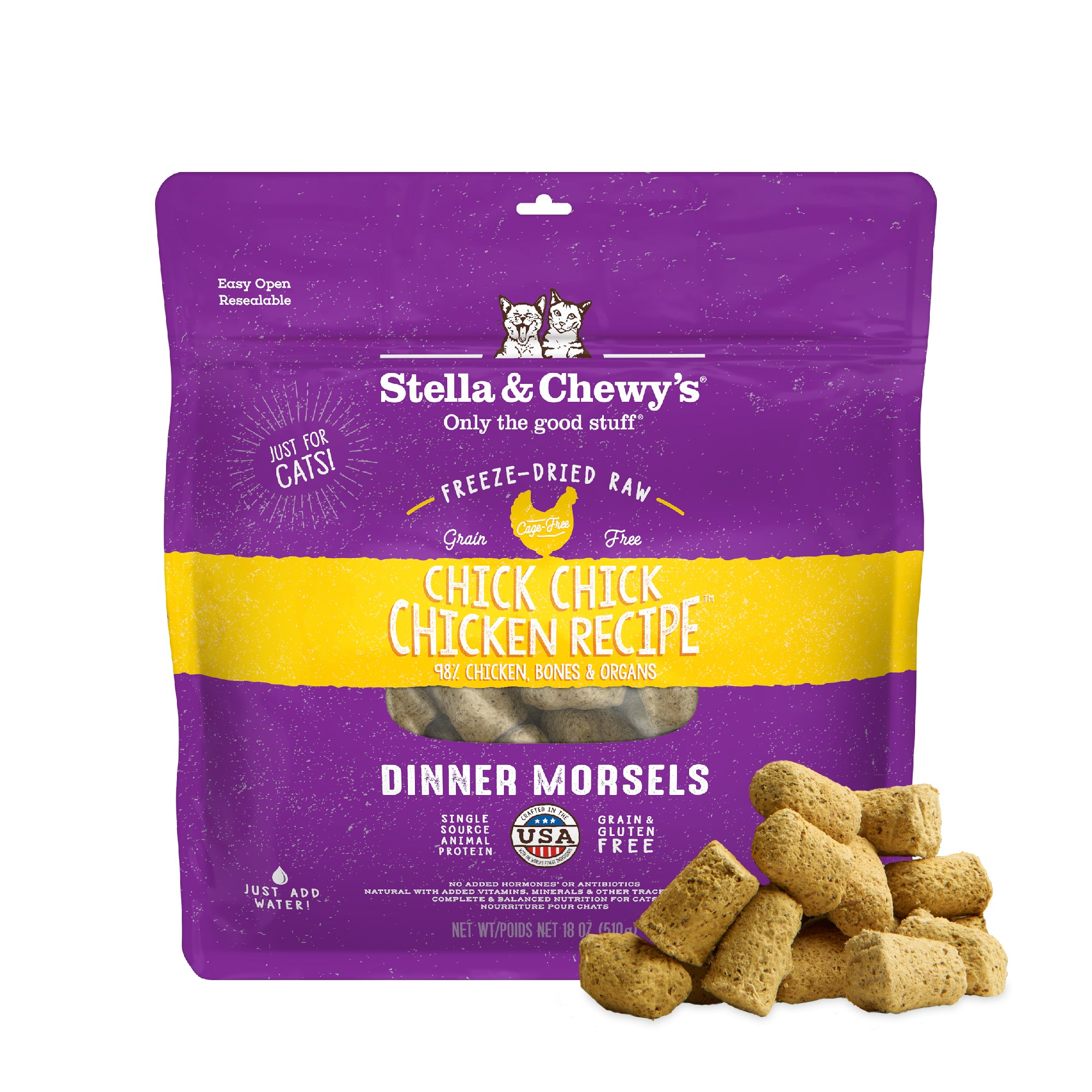
A raw diet mimics what cats might eat in the wild. It typically includes raw meat, bones, and organs. Some cat owners believe it leads to shinier coats and higher energy levels. However, a raw diet requires careful preparation and handling to avoid bacterial contamination. Ensure you're providing a balanced meal by consulting with a veterinarian or a pet nutritionist. Would you be comfortable preparing raw meals for your cat daily? It’s a commitment that might not suit everyone's lifestyle. Consider what aligns best with your daily routine and budget. Remember, every cat is unique, and what works for one may not work for another.

Credit: www.tippaws.com
Reading Food Labels
Understanding food labels helps determine the right portion size for your cat. Check for serving suggestions and nutritional information. Adjust portions based on your cat's age, weight, and activity level for optimal health.
Reading food labels is crucial when determining how much food to feed your cat. It's not just about picking a brand with a cute cat on the package. Understanding what’s inside that bag or can of cat food can make a significant difference in your pet's health. Let’s dive into the key components you should focus on.
Understanding Ingredients
When you glance at a cat food label, what do you see first? Ingredients, of course. They're usually listed in order of weight. This means the first few ingredients make up the bulk of the food. Look for high-quality protein sources like chicken or fish. Avoid foods where grains or fillers are at the top of the list. Have you ever noticed how some labels can be tricky, using terms like "by-products"? It's essential to understand these terms to make informed choices.
Nutritional Breakdown
Next, the nutritional breakdown gives you insight into the food's balance. This section usually includes percentages of protein, fat, and fiber. Cats are obligate carnivores, meaning they need a high protein diet. A good cat food should have a protein content of at least 30%. Keep an eye on the fat content too; it shouldn't be too high. If you're unsure, compare several brands and see which offers a more balanced nutritional profile.
Serving Size Guidelines
Finally, serving size guidelines on the package are vital. These are typically based on your cat's weight and age. Have you ever wondered why your cat might be gaining weight even with a high-quality diet? It could be the portion size. Use these guidelines as a starting point, but remember every cat is unique. Adjust as needed based on activity level and body condition. Always measure your cat's food to avoid overfeeding. By paying attention to these aspects, you're not just feeding your cat; you're nourishing them. Isn't it worth a few extra minutes to ensure your furry friend is getting the best?
Feeding Schedule
Understanding your cat's feeding schedule is crucial for its health. Each cat has unique dietary needs. A well-planned schedule helps maintain your cat's weight. It also ensures optimal health and energy levels. Let's explore how you can manage your cat's feeding schedule effectively.
Portion Control
Proper portion control prevents overeating. Cats often eat more than they need. Measure food amounts accurately. Check packaging for recommended servings. Adjust portions based on activity level. Small adjustments can make a big difference in your cat's health.
Frequency Of Meals
Meal frequency impacts digestion and energy. Cats usually eat small meals throughout the day. Two to three meals are ideal for most cats. Stick to regular feeding times. It helps in establishing a routine. Consistency keeps your cat happy and healthy.
Adjusting For Weight Management
Weight management is essential for your cat's well-being. Monitor your cat's weight regularly. Adjust food amounts based on weight changes. Increase portions if your cat is underweight. Decrease portions if your cat is overweight. Consult a vet for specific guidance. Tailor the feeding schedule to suit your cat's needs.

Credit: www.vets4pets.com
Common Feeding Mistakes
Feeding your cat the right amount of food is crucial. Mistakes in feeding can harm your cat's health. Understanding these common feeding mistakes helps you provide better care.
Overfeeding Risks
Overfeeding can lead to obesity. An overweight cat faces many health problems. Diabetes and joint issues are common in obese cats. Always measure your cat's food. Check the recommended portion sizes on food labels. Adjust portions based on your cat's activity level.
Ignoring Dietary Needs
Cats need a balanced diet with essential nutrients. Lack of proper nutrients weakens their health. Protein is vital for their energy and muscle health. Consult your vet for a diet plan. Avoid feeding them only one type of food. Variety ensures they get all the nutrients they need.
Neglecting Water Intake
Water is crucial for your cat's well-being. Dehydration can cause severe health issues. Always provide fresh water. Some cats prefer running water. Consider a cat fountain to encourage drinking. Wet food can also boost their water intake.
Consulting With A Veterinarian
Feeding your cat the right amount of food is crucial for its health and well-being. While you might think you have it all figured out, consulting with a veterinarian can provide invaluable insights. A vet can help you tailor a feeding plan that fits your cat’s specific needs, ensuring they get all the necessary nutrients without overeating.
Tailored Dietary Plans
Every cat is unique, and so are their dietary requirements. A vet can assess your cat’s age, weight, activity level, and health conditions to create a personalized feeding plan. This ensures your cat gets the right balance of proteins, fats, and carbohydrates.
When my cat, Whiskers, started gaining weight, I was puzzled. It wasn’t until I consulted with our vet that I realized she needed fewer calories due to her less active lifestyle. The tailored plan helped her maintain a healthy weight without compromising her energy levels.
Monitoring Health Changes
Regular vet visits allow for continuous monitoring of your cat’s health. This is essential, as dietary needs can change with age, health conditions, or lifestyle changes. Your vet can catch potential issues early and recommend dietary adjustments accordingly.
Have you ever noticed your cat becoming lethargic or losing interest in food? These could be signs of an underlying issue. Consulting with a veterinarian can help identify the cause and guide you on how to adjust your cat’s diet to improve their health.
Adjusting Food As Needed
Your cat’s dietary needs aren’t static. They evolve over time. A vet can guide you on when and how to adjust the food portions or switch to different food formulas as needed.
After Whiskers reached her senior years, our vet recommended switching to a senior cat diet. This change helped address her joint issues and maintained her quality of life. Are you prepared to make necessary dietary adjustments as your cat ages?
Incorporating a vet’s advice into your cat’s feeding routine not only ensures they stay healthy but also strengthens your bond with your furry friend. So, when was the last time you consulted your vet about your cat’s diet?
Credit: www.stellaandchewys.com
Frequently Asked Questions
How Much Should I Feed My Cat Daily?
The amount depends on your cat's age, weight, and activity level. Generally, adult cats require 24 to 35 calories per pound daily. Consult your veterinarian for personalized advice. Always ensure fresh water is available alongside meals.
What Factors Affect My Cat's Food Intake?
Several factors influence your cat's food intake, including age, weight, and activity level. Health conditions can also play a role. Pregnant or nursing cats need more calories. Always monitor your cat's weight and consult a vet for tailored feeding recommendations.
How Do I Know If I'm Overfeeding My Cat?
Signs of overfeeding include weight gain and lethargy. Check your cat's body condition score and consult a vet if unsure. Overfeeding can lead to obesity and health issues. Ensure portion control and provide balanced nutrition to maintain optimal health.
Can I Feed My Cat Only Dry Food?
Feeding only dry food is possible, but ensure it's balanced and nutritionally complete. Combine with wet food for variety and hydration. Always provide fresh water. Monitor your cat's health and consult a vet for dietary adjustments if needed.
Conclusion
Finding the right food amount for your cat is crucial. It keeps them healthy and happy. Observe their weight and energy levels. Adjust portions as needed. Always provide fresh water. Talk to your vet for personalized advice. They can guide you based on your cat's age and activity.
Quality pet supplies matter. Choose nutritious options. Your furry friend deserves the best care. Keep their diet balanced. Avoid overfeeding or underfeeding. A healthy cat means a happy home. Invest time in their nutrition. Your effort pays off in their wellbeing.