Are you feeding your adult cat kitten food? You might think it's harmless, or even beneficial.
After all, kitten food is packed with nutrients. But could this choice affect your cat’s health in the long run? Understanding what goes into your pet's bowl is crucial. You want to ensure they live a long, happy life. This article will guide you through the differences between kitten and adult cat food.
You'll discover why your choice matters more than you might think. Stay with us to uncover the surprising impacts on your furry friend’s wellbeing.
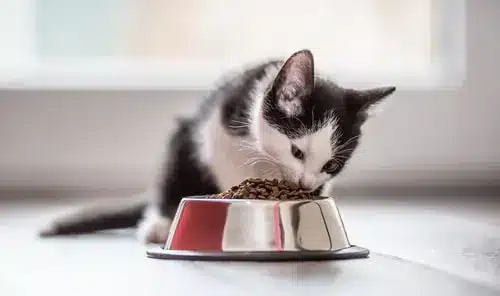
Credit: www.pd.com.au
Nutritional Needs Of Kittens Vs. Adult Cats
Kitten food is rich in calories and nutrients essential for growth. Adult cats need fewer calories and balanced nutrition. Feeding kitten food to adult cats might lead to weight gain and nutritional imbalance.
The nutritional needs of kittens and adult cats differ significantly, and understanding these differences is crucial for their health. Kittens are growing rapidly and require a diet rich in protein, fat, and essential nutrients. Adult cats, however, have settled into a maintenance phase, needing a balanced diet that supports their lifestyle and health. If you've ever been tempted to feed kitten food to your adult cat, you're not alone. But is it really the best choice for their long-term well-being?
Nutritional Requirements For Growth And Development
Kittens need high energy food. Their bodies are busy developing bones, muscles, and organs. Protein plays a big role in this growth. Foods high in protein help kittens build strong muscles. Fat is another key component in kitten diets. It provides the energy they need to explore and play all day. Essential fatty acids also support brain development, which is crucial during those early months.
Maintenance Needs Of Adult Cats
Adult cats have different dietary needs. They require food that supports their health, not growth. Balanced nutrition is key. This includes the right mix of protein, fat, and fiber. Fiber is essential for adult cats. It aids digestion and helps prevent obesity. Have you noticed your adult cat lounging more than playing? That's normal. Their energy needs are lower, so a diet lower in fat is beneficial.
Can Kitten Food Harm Adult Cats?
Feeding kitten food to adult cats might seem harmless, but it can lead to weight gain. Kitten food is calorie-dense. Adult cats don't need those extra calories and can quickly become overweight. Excess protein in kitten food can also be taxing on an adult cat's kidneys. Their bodies aren't set up for processing such high levels. This can lead to health issues over time.
Making An Informed Choice
It's important to choose the right food for your cat's life stage. Look at the labels. Check the protein, fat, and fiber content. Consider consulting with a vet. They can provide tailored advice based on your cat's health and lifestyle. Do you want your adult cat to thrive and live a long life? Picking the right food is a big step in that direction. Feeding your adult cat kitten food occasionally isn't catastrophic. But regularly doing so can lead to health problems. Are you willing to risk their health for convenience?
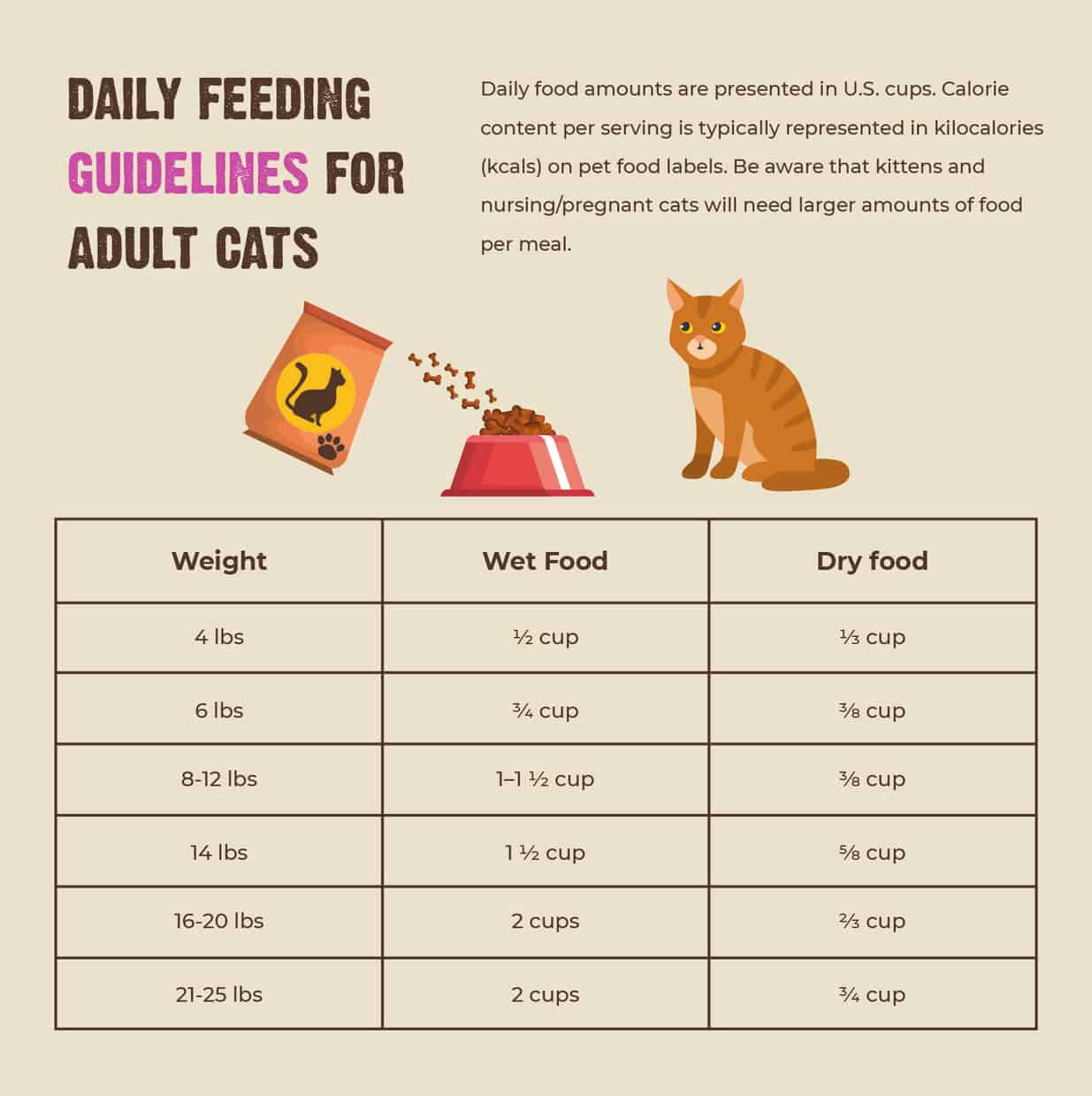
Credit: rawznaturalpetfood.com
Ingredients In Kitten Food
Kitten food is designed to support the rapid growth of young cats. It contains specific nutrients to cater to the developmental needs of kittens. Understanding the ingredients can help decide if it's suitable for adult cats.
High Protein Content
Kitten food typically has more protein. This supports muscle growth and energy needs. Adult cats might not need as much protein. Excess protein may lead to weight gain.
Fat Levels
Higher fat content in kitten food provides energy for active kittens. Adult cats might not need such high levels. Overconsumption can lead to obesity.
Essential Vitamins And Minerals
Kitten food often includes extra vitamins and minerals. These support bone and organ development. Adult cats need fewer nutrients for growth. Too much can lead to imbalances.
Caloric Density
Kitten food is calorie-rich to fuel growth spurts. Adult cats usually need fewer calories. High calorie intake can result in health issues.
Digestibility
Ingredients in kitten food are easy to digest. This helps kittens absorb nutrients quickly. Adult cats may experience digestive issues if fed kitten food regularly.
Differences In Caloric Content
Understanding the caloric differences between kitten and adult cat food is crucial. Cats need food tailored to their life stage. Feeding them the wrong type can impact their health. Kitten food and adult cat food differ significantly in caloric content. This affects energy levels and overall well-being.
Differences In Caloric Needs
Kittens require more calories for growth and energy. They are more active and need to develop strong muscles and bones. Kitten food is, therefore, calorie-dense. It provides the extra energy young cats need.
Caloric Content In Adult Cat Food
Adult cats have lower caloric needs. They are less active and their growth phase is complete. Their food is designed to maintain weight and health. Consuming too many calories can lead to weight gain and health issues.
Impact Of Feeding Kitten Food To Adult Cats
Feeding kitten food to adult cats can lead to excess calorie intake. This can cause obesity and related health problems. Adult cats need food with balanced calories for maintenance, not growth.
Choosing The Right Food
Select food based on your cat's age and activity level. Check labels for caloric content. Ensure you're meeting their nutritional needs without overfeeding.
Potential Risks For Adult Cats
Feeding kitten food to adult cats may pose health risks. Higher fat and calorie content can lead to obesity. Lack of balanced nutrients may affect their overall health.
Feeding kitten food to adult cats might seem harmless, but it can pose significant risks to their health. Kitten food is designed to meet the nutritional needs of growing felines, which differ from adult cats. It's crucial to understand these differences to ensure your cat stays healthy.
1. Nutritional Imbalance
Kitten food is rich in calories and nutrients to support growth and development. Adult cats, however, require fewer calories. Feeding your adult cat kitten food can lead to obesity, which can cause other health problems like diabetes and joint issues.
2. Overconsumption Of Protein
Kitten food contains higher protein levels to aid muscle development. Adult cats don't need as much protein. An excess can strain their kidneys over time. If your adult cat consistently eats kitten food, it might be at risk for kidney disease.
3. Vitamin And Mineral Overload
Vitamins and minerals are more concentrated in kitten food. While these are essential for kittens, they can be too much for adults. Excessive intake may lead to health issues like liver damage or heart problems.
4. Behavioral Changes
Switching food can cause behavioral changes in your cat. An adult cat eating kitten food might become more active due to higher energy levels. This can lead to increased mischief or stress if not managed properly.
5. Long-term Health Consequences
Consider the long-term effects. Feeding your adult cat kitten food regularly could shorten their lifespan. They might develop chronic health conditions that could be easily avoided with proper nutrition.
6. Cost Implications
You might think you're saving money by sharing kitten food with your adult cat. However, the cost of potential veterinary bills due to health issues could outweigh these savings. Investing in appropriate adult cat food is a more economical choice in the long run. Have you ever noticed your cat gaining weight unexpectedly or behaving differently? It could be linked to their diet. Ensuring your cat gets the right food is a simple step that can significantly impact their health and happiness.
Benefits Of Kitten Food For Adult Cats
Feeding kitten food to adult cats might seem unusual, but it has benefits. Kitten food is rich in nutrients vital for growth and energy. Adult cats can also benefit from these nutrients. The higher protein content supports muscle health and energy levels. Kitten food can aid in maintaining a cat's overall well-being.
High Protein Content
Kitten food contains more protein than adult cat food. Protein is essential for muscle maintenance and repair. Adult cats with higher activity levels require more protein. This helps them stay active and healthy.
Enhanced Nutrients
Kitten food has enhanced nutrients like DHA and fatty acids. These nutrients support brain health and vision. They contribute to better skin and fur condition. Adult cats may benefit from these nutrients as well.
Improved Digestibility
Kitten food is designed for easy digestion. Adult cats with sensitive stomachs might digest it better. This can help prevent digestive issues and discomfort. It may be a suitable option for cats with dietary challenges.
Boosted Energy Levels
Kitten food offers higher energy levels. It is suitable for adult cats needing more energy. Active cats benefit from this energy boost. It helps them maintain their lifestyle and overall health.
Weight Management
Kitten food can assist in weight management. It provides essential nutrients without excess calories. Overweight adult cats might benefit from this balance. It helps in managing weight while ensuring they receive necessary nutrients.
Situations When Kitten Food Is Appropriate
Kitten food boasts high protein and fat content. It's designed for growing kittens. But, can adult cats eat it? Sometimes, yes. Certain situations make kitten food appropriate for adult cats. Let's explore these scenarios.
Pregnant Or Nursing Cats
Pregnant cats need extra nutrition. They support their growing kittens. Kitten food offers more energy. It helps them stay healthy. Nursing mothers also benefit. Their bodies require more calories. Kitten food provides these extra nutrients.
Underweight Or Malnourished Cats
Some adult cats struggle with weight. They may be underweight or malnourished. Kitten food can help them gain weight. It contains more calories and nutrients. This supports a healthier weight. It helps improve their overall condition.
Recovering From Illness Or Surgery
Recovery requires more energy. Cats healing from surgery or illness need extra nutrients. Kitten food provides higher protein levels. It aids in faster recovery. It helps rebuild strength and energy. This ensures a quicker return to health.
Picky Eaters
Some cats are picky eaters. They may refuse adult cat food. Kitten food has a richer taste. It may entice them to eat. This ensures they get essential nutrients. It's a temporary solution, not long-term.
In these situations, kitten food benefits adult cats. But consult a vet for long-term feeding.
Expert Opinions On Feeding Practices
Feeding adult cats kitten food might lead to nutritional imbalances. Experts highlight potential issues like weight gain and digestive problems. Adult cats need specific nutrients not found in kitten formulas.
Considering whether it's okay to feed kitten food to an adult cat can be confusing. Many pet owners find themselves in this dilemma, especially when managing multi-cat households with varying dietary needs. To shed light on this topic, let's look at expert opinions on feeding practices and see what the professionals have to say.
Understanding Nutritional Requirements
Experts emphasize that kittens and adult cats have different nutritional needs. Kitten food is rich in calories and essential nutrients to support rapid growth and development. Adult cats, however, require a balanced diet to maintain their health without unnecessary weight gain. Feeding adult cats kitten food could lead to obesity and other health issues.
Insights From Veterinarians
Veterinarians often advise pet owners to stick to age-appropriate cat food. I remember visiting my vet with similar concerns. She explained that feeding adult cats kitten food is like us eating dessert every meal. It might taste good, but it’s not healthy long-term. This perspective made me realize the importance of following expert guidance.
Advice From Pet Nutritionists
Pet nutritionists also weigh in on this debate. They point out that specialized diets are formulated to meet specific life stages. If you have an adult cat and a kitten, consider feeding them separately to ensure each gets the right nutrients. Mixing foods might seem convenient, but it could compromise their health over time.
Practical Tips For Pet Owners
Are you wondering how to manage feeding in a multi-cat household? Try setting up separate feeding areas. This ensures each cat eats their designated food. You can also use feeding schedules to prevent overlap. It might take a little extra effort, but it pays off in your pets’ well-being.
Common Misconceptions
Some people believe that all cat food is the same. However, experts caution against this notion. Each type of cat food is designed with a specific purpose in mind. Feeding the wrong type can have unintended consequences. Always read labels and consult your vet if unsure.
Final Thoughts On Feeding Practices
Feeding practices are crucial in maintaining your pet’s health. Have you ever considered how a small change in diet can impact your cat’s life? Making informed decisions based on expert opinions can lead to a happier, healthier pet. Wouldn't you want that for your furry friend?
Transitioning From Kitten To Adult Cat Food
Feeding kitten food to an adult cat can lead to nutritional imbalances. Kitten food is high in calories and fat. Adult cats need different nutrients to maintain health and energy levels. Transition to adult cat food to ensure proper nutrition.
Transitioning a kitten to adult cat food is an essential process. It ensures that your feline friend receives proper nutrition. As cats grow, their dietary needs change significantly. Kitten food is rich in calories, protein, and fat to support growth. Adult cats, however, require a more balanced diet. Understanding this transition can help maintain your cat's health and well-being.
Why Transition Is Necessary
Kittens have high energy needs compared to adults. Their food is designed to fuel rapid growth and development. As they mature, excess calories can lead to obesity. Transitioning helps prevent weight gain and related health issues.
Signs Your Cat Is Ready
Most cats are ready for adult food by 12 months. Observe your cat's activity level and appetite. A decrease in playfulness and appetite can indicate readiness. Consult with a vet for personalized advice.
Gradual Transition Process
Switching food abruptly can upset a cat's stomach. Start by mixing a small amount of adult food with kitten food. Gradually increase the proportion over a week. Monitor your cat for any digestive issues.
Choosing The Right Adult Cat Food
Adult cat food should be balanced and nutritious. Look for high-quality ingredients and essential vitamins. Avoid foods with excessive fillers or artificial preservatives. Consider your cat's specific health needs.
Monitoring Your Cat's Health
Observe any changes in weight or energy levels. Regular vet check-ups are crucial during this transition. They help ensure your cat maintains optimal health. Adjust their diet based on professional recommendations.
Choosing The Right Food For Your Cat
Adult cats need different nutrients than kittens. Kitten food is rich in calories and nutrients. Feeding it to an adult cat can lead to obesity and nutrient imbalance. Always choose food that matches your cat's age and health needs.
Choosing the right food for your cat is crucial for their overall health and well-being. Cats, like humans, have different nutritional needs at various life stages. While it might seem convenient to feed your adult cat the same food you give to your kitten, it’s essential to understand the implications.
Understanding Nutritional Needs
Kittens and adult cats have different dietary requirements. Kittens need more calories and nutrients to support their rapid growth and development. Adult cats, however, require a balanced diet to maintain their health without gaining excess weight. Feeding kitten food to adult cats can lead to obesity and other health issues. It’s important to choose a diet specifically formulated for adult cats to ensure they receive appropriate nutrients.
Reading Labels Wisely
When selecting cat food, always read the label carefully. Look for products that specify they are for adult cats. This ensures the food meets the nutritional standards set for an adult cat's diet. Check for essential ingredients like proteins and vitamins. Avoid foods with excessive fillers or additives that offer little nutritional value.
Considering Your Cat's Preferences
Cats can be particular about their food. It’s crucial to consider your cat’s taste preferences when selecting their diet. Some cats prefer wet food, while others may favor dry kibble. Experiment with different brands and flavors to find what your cat enjoys most. Ensuring they like their food can help maintain their appetite and prevent waste.
Consulting Your Veterinarian
Your veterinarian can provide valuable insights into your cat’s dietary needs. They can recommend the best food options based on your cat's health, age, and lifestyle. Regular check-ups can help identify any dietary adjustments needed. This ensures your cat remains healthy and happy throughout their life.
Monitoring Your Cat's Health
Pay attention to your cat’s weight and energy levels. A sudden change in either can indicate nutritional issues. Regularly weighing your cat can help you track any significant changes. If you notice your cat gaining or losing weight, it might be time to reevaluate their diet.
Choosing the right food for your adult cat involves understanding their specific needs and making informed decisions. What steps will you take to ensure your cat eats the right food? Your cat’s health and happiness depend on it.
Consulting A Veterinarian
Consulting a veterinarian is crucial before feeding kitten food to an adult cat. Kitten food has different nutritional needs, and may not provide the necessary balance for adult cats. A vet can offer guidance on the best diet for your cat's health.
Consulting a veterinarian is a crucial step when you're considering feeding kitten food to your adult cat. This decision might seem straightforward, but it can have lasting effects on your cat's health. Vets are the experts who can offer personalized advice tailored to your cat's specific needs and nutritional requirements.
Why It's Important To Consult A Vet
Your adult cat's health and dietary needs are unique. A vet can assess these needs and determine if kitten food is a suitable option. Kitten food is typically higher in calories and nutrients, which can be beneficial for some adult cats, especially if they're underweight or recovering from illness. However, for a healthy adult cat, this could lead to obesity or other health issues. A vet's guidance ensures you're making the right decision for your feline friend.
What To Discuss With Your Vet
Prepare a list of questions before your visit. Ask about the potential benefits and risks of feeding kitten food to your adult cat. Discuss any specific health concerns your cat may have, like weight issues or allergies. Share observations about your cat's behavior and energy levels. This information helps your vet give you the best advice.
Understanding Nutritional Needs
Vets can explain the differences between kitten and adult cat food. Kitten food contains more protein and fat to support growth. While this is excellent for kittens, it might not be suitable for adult cats who aren't as active. Your vet can recommend a balanced diet that meets your cat's nutritional needs without overloading them with unnecessary calories.
Creating A Feeding Plan
Work with your vet to create a feeding plan that suits your cat's lifestyle. If your cat needs the extra nutrients found in kitten food, your vet can guide you on how to incorporate it safely. They might suggest mixing kitten food with adult food or using it as a supplement. A tailored plan ensures your cat gets the right nutrition without compromising their health.
Monitoring Your Cat's Health
Stay observant after making dietary changes. Keep an eye on your cat’s weight, coat condition, and energy levels. Report any changes to your vet immediately. Regular check-ups are essential to ensure your cat remains healthy and happy. Your vet might adjust the feeding plan based on your cat's response to the new diet. Engaging with your vet can save you and your cat from potential health issues. Have you ever consulted a vet for your pet's diet? What insights did you gain? Share your experiences in the comments below!

Credit: www.mercurynews.com
Frequently Asked Questions
Can Adult Cats Eat Kitten Food Safely?
Adult cats can eat kitten food, but it's not ideal. Kitten food contains higher fat and protein levels. These are essential for growth. For adult cats, this can lead to weight gain. It's best to feed adult cats food specifically designed for their nutritional needs.
Why Should Kitten Food Be Avoided For Adult Cats?
Kitten food has higher calories and nutrients for growth. Adult cats need balanced nutrition to maintain health. Feeding them kitten food might cause obesity and other health issues. Always choose age-appropriate cat food for optimal wellness.
What Happens If Adult Cats Eat Kitten Food?
If adult cats eat kitten food regularly, they may gain weight. Kitten food is rich in calories and fats. This could lead to obesity and related health problems. Switching to adult cat food will help maintain their weight and health.
Is Kitten Food More Nutritious For Adult Cats?
Kitten food is not more nutritious for adult cats. It’s formulated for kittens who need more calories and proteins. Adult cats require balanced nutrition to maintain their health. Feeding them kitten food regularly can cause health issues.
Conclusion
Feeding kitten food to adult cats isn't ideal. Kitten food has extra calories. Adult cats might gain weight and face health issues. Their nutritional needs differ. Adult cat food provides balanced nutrients. It supports their overall health. Consult your vet for advice on diet.
Proper nutrition keeps your cat happy and active. Always check the labels on cat food. Choose what's best for your furry friend. A healthy diet equals a healthier cat. Keep your cat's age and lifestyle in mind. This ensures they get the right food.
Make informed choices for your pet's well-being.