Do you ever wonder if your beloved feline friend needs health insurance? As a devoted cat owner, you're always looking out for their well-being and comfort.
But when it comes to unexpected vet bills, things can get tricky. Imagine the peace of mind knowing you’re prepared for any unforeseen medical expenses. We’ll dive into whether health insurance for your cat is a wise choice. You’ll discover how it might save you money, reduce stress, and ensure your cat receives the best possible care.
Keep reading to uncover the secrets to making an informed decision that benefits both you and your furry companion.
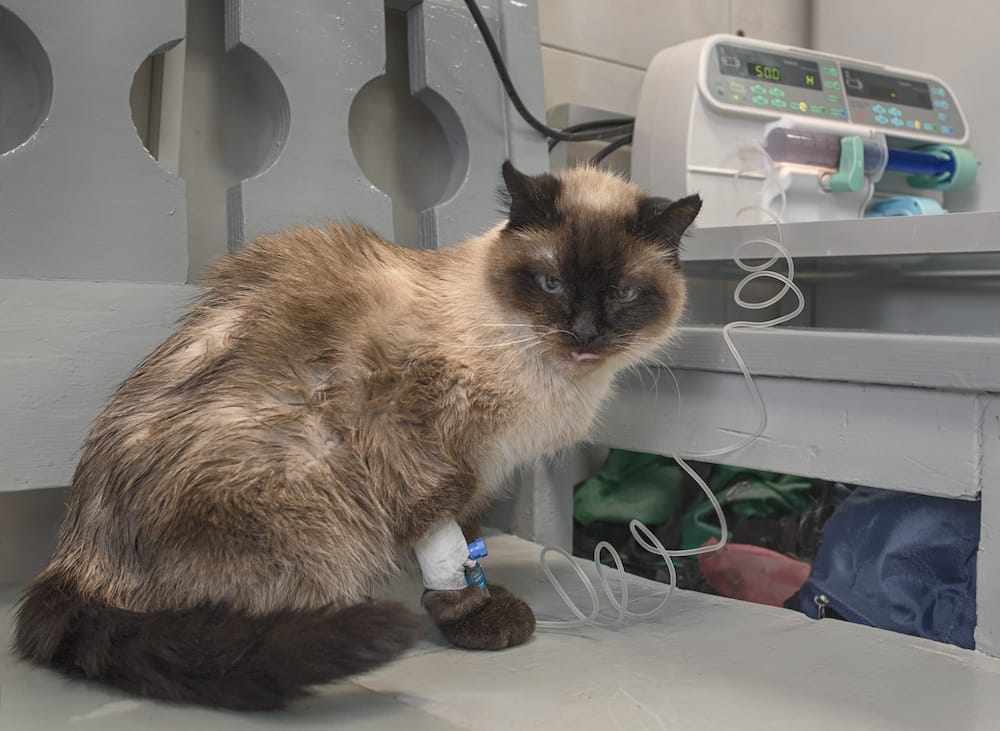
Credit: www.lapoflove.com
Benefits Of Cat Health Insurance
Thinking about health insurance for your cat? It's a smart choice. Cats are curious creatures. They often get into unexpected situations. Health insurance can be a lifesaver. It offers many benefits. Let's explore them.
Financial Protection
Vet bills can be expensive. A sudden illness or injury might cost a lot. Health insurance helps cover these costs. It saves you from unexpected expenses. You pay a small monthly fee. In return, you get financial protection. This ensures your cat gets the care it needs.
Comprehensive Coverage
Cat health insurance covers many things. Not just accidents. It includes illnesses, surgeries, and check-ups. Some plans even cover dental care. This means your cat stays healthy in all situations. You won't have to worry about choosing between care and cost.
Peace Of Mind
Having cat insurance gives peace of mind. You know your cat is protected. This reduces stress for you. You can focus on enjoying time with your pet. You won't worry about unexpected vet visits. Your cat's health is in good hands.
Types Of Cat Health Insurance Plans
When considering health insurance for your feline friend, it's important to understand the different types of plans available. Not all cat health insurance policies are created equal, and each offers a unique set of benefits tailored to various needs. Knowing the distinctions between these plans can help you make the best choice for your cat's well-being and your peace of mind.
Accident-only Plans
Accident-only plans are designed to cover unexpected injuries your cat might face. Think of those curious moments when your cat leaps off the furniture or dashes across the street. These plans typically cover costs related to broken bones, cuts, or other injuries resulting from accidents. They're a good choice if your cat loves adventure and tends to get into trouble. However, they won't cover illnesses or routine care. Are you prepared for sudden veterinary visits due to unforeseen accidents?
Illness Coverage
Illness coverage is essential if you're concerned about diseases or chronic conditions. This plan includes treatments for infections, digestive issues, and more serious diseases. If your cat is getting older or has a breed predisposed to certain illnesses, this coverage can be invaluable. It ensures you won't face steep medical bills when your cat falls ill. Consider your cat's health history and future risks—would illness coverage ease your worries?
Wellness Add-ons
Wellness add-ons offer extra protection for routine and preventive care. These can cover vaccinations, annual check-ups, and dental cleaning. Imagine the ease of knowing regular vet visits are part of your insurance plan. While they might increase your premium, they provide peace of mind and can save money in the long run. Is investing in wellness add-ons a smart move for maintaining your cat's overall health?
Choosing the right health insurance plan for your cat depends on their lifestyle, age, and health status. What suits one cat might not suit another. As you weigh your options, think about your cat's unique needs and how each plan can address them. Making the right choice not only protects your cat but also brings you comfort and confidence in their care.
Factors To Consider Before Purchasing
Choosing health insurance for your cat requires careful thought. Consider your cat's age, breed, and health history. Compare policy coverage, costs, and claim processes to find the best fit.
Purchasing health insurance for your cat involves careful consideration. It ensures your pet's health and your peace of mind. But not all cats need the same coverage. Evaluate specific factors to make an informed decision. Understand these elements to choose the right plan.
Age And Breed Of Your Cat
Your cat's age impacts health insurance needs. Kittens might face different health risks than older cats. Some breeds have specific health challenges. Persians may need coverage for respiratory issues. Maine Coons might require plans for heart conditions. Consider these factors when selecting a policy.
Pre-existing Conditions
Insurers often exclude pre-existing conditions. If your cat has health issues, it may affect coverage. Coverage might be limited or unavailable for certain conditions. Check with providers about their policies on pre-existing conditions. Ensure you understand what is covered and what is not.
Budget Constraints
Pet insurance should fit your budget. Monthly premiums vary based on coverage and provider. Compare plans to find one that offers value. Consider potential vet bills against monthly costs. A plan should provide good coverage without straining finances. Balancing cost and coverage is essential for long-term benefits.
Evaluating Insurance Providers
Choosing the right health insurance for your cat is crucial. A significant part of this decision involves evaluating insurance providers. Each provider offers different benefits and terms. Consider these factors to ensure you make an informed choice.
Reputation And Reviews
Research the reputation of each insurance provider. Good reputation often means reliable service. Check online reviews and ratings. Listen to what other pet owners say. Positive feedback can indicate trustworthy service. Negative reviews may signal potential issues.
Claim Process And Customer Service
Understand the claim process of each provider. A straightforward process saves time and stress. Look for providers with efficient claim handling. Good customer service is equally important. Friendly and helpful staff make a big difference. They should be available to answer your questions promptly.
Policy Terms And Conditions
Read the policy terms carefully. Know what is covered and what is not. Some policies have exclusions and limitations. Understand the conditions under which claims are approved. Compare different policies to find the best fit for your cat's needs.
Cost Of Cat Health Insurance
Considering cat health insurance can help manage veterinary costs. Coverage often includes accidents, illnesses, and routine care. Knowing the potential expenses and benefits aids in deciding if insurance suits your cat’s needs.
Considering the cost of cat health insurance can feel a bit overwhelming. You want the best care for your furry friend, but you also need to manage your budget. Understanding the different elements of cat health insurance costs can help you make an informed decision.
Monthly Premiums
Monthly premiums are the regular payments you make to keep your cat's insurance active. These can range anywhere from $10 to $50, depending on your cat's age, breed, and the coverage level you choose. It’s like a subscription to peace of mind. Wouldn't it be comforting to know that a small monthly payment can safeguard you against unexpected large vet bills?
Deductibles And Co-pays
Deductibles are what you pay out-of-pocket before the insurance kicks in. They can be as low as $100 or as high as $500 per year. Co-pays are the portion of the vet bill you're responsible for after meeting the deductible. These could be a flat fee or a percentage of the total bill. Have you ever been caught off guard by an unexpected expense? Knowing your deductible and co-pays helps prevent surprises.
Potential Savings
One of the most compelling reasons to consider cat health insurance is potential savings. With insurance, you might save hundreds, even thousands of dollars, especially if your cat needs surgery or long-term treatment. Imagine being able to say "yes" to the best care without worrying about the financial impact. Isn’t it worth considering how much you might save in the long run? In summary, the cost of cat health insurance involves several components. By understanding these, you can better assess whether it fits your financial situation and your cat's needs. Ultimately, the peace of mind knowing you're prepared for any health issue your cat might face can be priceless.

Credit: www.aspcapetinsurance.com
Alternatives To Health Insurance
Exploring alternatives to health insurance for your cat can be beneficial. Consider pet savings accounts or wellness plans. These options may offer financial flexibility and coverage for routine care without the commitment of traditional insurance.
When considering health insurance for your cat, the costs might seem overwhelming. You're not alone in this dilemma. Many pet owners explore alternatives to traditional health insurance that can still provide peace of mind without breaking the bank. Let's dive into some practical options that could work for you and your feline friend.
Savings Accounts
Setting up a dedicated savings account for your cat's medical expenses can be a smart move. Every month, you could deposit a small, manageable amount into this account. Over time, you'll have a financial cushion for unexpected veterinary bills. Think of it as a self-managed insurance fund. It's flexible, and you can access it anytime without dealing with insurance claim processes. My neighbor, for example, swears by this method. She managed to cover her cat's surgery costs without financial strain.
Discount Plans
Discount plans offer another viable alternative. These plans don't cover medical costs directly but provide significant discounts on services at participating vets. Pet Assure is one such plan that many cat owners find beneficial. It offers discounts on everything from routine check-ups to emergency surgeries. While it doesn't replace traditional insurance, it can make a noticeable difference in veterinary expenses. Wouldn't it be great to have a discount on every vet visit? It's worth considering if you frequent the vet often.
Charitable Organizations
In times of financial distress, charitable organizations can be a lifesaver. Numerous nonprofits exist to help pet owners afford necessary medical care for their animals. Groups like the Humane Society or RedRover Relief offer grants or low-cost services to those in need. If you're ever in a bind, reaching out to these organizations can provide the support you need. Remember, these are not long-term solutions but can be incredibly helpful in an emergency. Have you ever considered these alternatives? They might just be the right fit for you and your beloved cat.
Making The Decision
Choosing whether to insure your cat's health can be tricky. Consider vet costs, your budget, and your cat's age. Weighing these factors helps make a smart decision for your furry friend's wellbeing.
Making the decision to get health insurance for your cat can be a thoughtful process. You want the best for your furry friend, but is insurance the right move? It’s essential to weigh the options, consider your cat’s specific needs, and think about the long-term benefits. Let's break it down to help you make an informed choice.
Assessing Your Cat's Needs
Begin by understanding your cat’s health requirements. Is your cat prone to certain illnesses? Does it have any pre-existing conditions? These factors can influence your decision. Consider the age and breed of your cat. Younger cats may not need extensive coverage, while certain breeds are more susceptible to health issues. Reflect on past vet visits—frequent trips could justify insurance. Ask yourself: How much am I willing to spend out-of-pocket for unexpected vet bills? Your budget can guide you towards a suitable plan.
Comparing Plans
When choosing a plan, comparison is key. Look at what each plan offers—coverage for routine check-ups, emergency care, or surgeries. Examine the fine print. Some policies might not cover specific treatments or have a high deductible. Compare not just the price but the value each plan provides. A helpful tip: Create a table listing out features and costs of potential plans. This visual aid can clarify which plan aligns with your priorities.
Long-term Considerations
Think about the future. How will insurance impact your cat’s care in the coming years? Consider the peace of mind knowing your pet is covered. Assess the longevity of your chosen plan. Is it adaptable as your cat ages? Some plans may offer less coverage for older cats. Remember, investing in insurance isn't just about immediate needs. It’s about safeguarding your cat’s health over time. Are you prepared for unexpected health challenges ahead?

Credit: www.trupanion.com
Frequently Asked Questions
Is Cat Health Insurance Worth It?
Cat health insurance can be worth it. It helps cover unexpected vet bills and provides peace of mind. Consider your cat's health needs and your budget when deciding. Insurance can save money on costly treatments and surgeries.
What Does Cat Insurance Cover?
Cat insurance typically covers accidents, illnesses, and routine care like vaccinations. Coverage varies by provider, so check the policy details. Some plans may include dental care and prescription medications, offering comprehensive protection for your cat.
How Much Does Cat Insurance Cost?
Cat insurance costs vary based on coverage and your cat's age and breed. Average monthly premiums range from $10 to $40. Compare different plans to find one that suits your budget and offers the best coverage for your cat's needs.
Can I Insure An Older Cat?
Yes, you can insure an older cat, but premiums may be higher. Older cats may have pre-existing conditions affecting coverage. Check with insurers for specific policies tailored to senior cats. Coverage can help manage age-related health issues.
Conclusion
Choosing health insurance for your cat can be a wise decision. It offers peace of mind and financial help during emergencies. Vet bills can be expensive. Insurance can ease the burden. Think about your budget and your cat's health needs.
Research different plans and compare benefits. Some cats may need more coverage due to age or breed. Others may be healthier and need less. Assess your cat's needs carefully. Making the right choice can ensure your furry friend's health and happiness.
Investing in their care today can save you stress tomorrow. Your cat deserves the best care possible.