Is your feline friend always meowing for more food, or perhaps you're worried about overfeeding them? Finding the right balance can be tricky, and as a cat owner, you want to ensure your adult cat stays healthy and happy.
That's where understanding the right amount of food comes into play. Imagine knowing exactly how much food your cat needs to thrive, without the guesswork or guilt. Picture a routine where your cat is satisfied and you’re confident they’re getting the nutrition they need.
We’ll dive into the essential details to help you determine the perfect serving size for your adult cat. By the end, you'll have a clear roadmap to keep your furry companion well-fed and content. Stick around to discover the secrets to a healthier feeding regimen for your beloved pet!
Credit: www.consolata.org
Factors Affecting Cat's Food Needs
Understanding a cat's food requirements can seem complex. Cats, like humans, have unique dietary needs. Several factors influence how much food an adult cat needs. These factors ensure they stay healthy and happy. Let's explore these important considerations.
Age And Life Stage
A cat's age and life stage play a critical role. Kittens need more energy-rich foods. Adult cats require balanced nutrition to maintain health. Senior cats might need fewer calories but more nutrients. Always choose food suitable for your cat's age.
Activity Level
Active cats burn more calories. They may require more food than a sedentary cat. Indoor cats often need fewer calories than outdoor explorers. Observe your cat's activity level and adjust their diet accordingly.
Health And Medical Conditions
Health conditions can affect dietary needs. Cats with medical issues may need special diets. Kidney disease, diabetes, or obesity demand tailored nutrition. Always consult your vet for guidance on special dietary needs.
Breed And Size
Bigger cats usually need more food. Larger breeds like Maine Coons require more calories. Smaller breeds might need less. Always consider your cat's breed and size when determining food portions.
Types Of Cat Food
Choosing the right food for your adult cat is crucial. Cats need balanced nutrition to thrive. Various types of cat food cater to different dietary needs. Understanding these can help you make an informed choice for your feline friend. Let's explore the main types of cat food available.
Dry Food
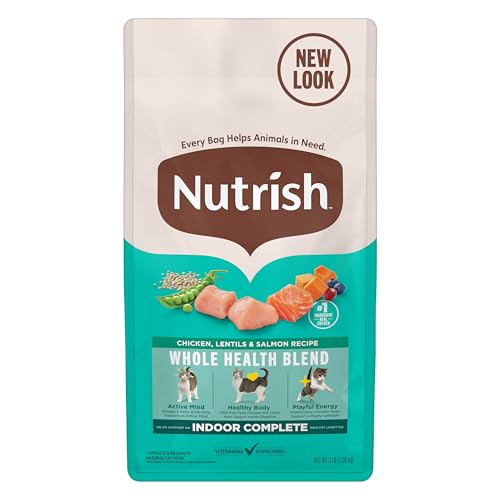
Dry cat food is often affordable and convenient. It can be stored easily and served quickly. Many cats enjoy the crunchy texture. It also helps in keeping their teeth clean. Always check for quality ingredients. Some brands offer grain-free options. Ensure it provides the nutrients your cat needs.
Wet Food
Wet food is usually more palatable for cats. It has higher moisture content which is beneficial for hydration. Cats with urinary issues often benefit from wet food. It comes in various flavors and textures. Check for high-quality protein sources in the ingredients. Avoid foods with excessive fillers or artificial additives.
Raw Diet
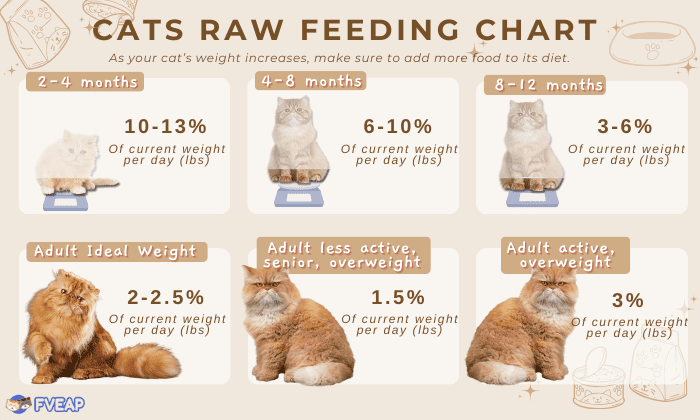
A raw diet mimics what cats eat in the wild. It includes raw meat, bones, and organs. This diet can provide high-quality protein. It requires careful preparation to avoid contamination. Consult a vet before switching to a raw diet. Properly balanced raw meals can be nutritious. Ensure it meets your cat's dietary needs.
Homemade Meals
Homemade meals allow control over the ingredients. You can tailor meals to your cat's preferences. This option requires knowledge about cat nutrition. It's important to avoid harmful foods like onions and garlic. Consult a vet for a balanced meal plan. Homemade meals can be rewarding with the right guidance.
Reading Cat Food Labels
Understanding cat food labels is essential for your feline's health. These labels provide critical information about the food's nutritional value. They help you make informed decisions about your cat's diet. Let's explore how to read these labels effectively.
Nutritional Content
Look for the nutritional content on the cat food label. It shows the balance of proteins, fats, and carbohydrates. Your cat needs a high protein diet for energy and muscle maintenance. Ensure the protein source is animal-based, like chicken or fish.
Check for essential vitamins and minerals. Cats require taurine, an amino acid, for heart and eye health. Calcium and phosphorus support strong bones and teeth. Omega-3 and Omega-6 fatty acids promote healthy skin and coat.
Ingredient List
The ingredient list is crucial. Ingredients are listed by weight, from highest to lowest. The first ingredient should be a high-quality protein source. Avoid products with too many fillers or by-products.
Recognize ingredients you can pronounce. Look for whole foods like chicken, beef, or salmon. Avoid artificial preservatives, colors, and flavors. They add no nutritional value.
Caloric Information
Check the caloric information to control your cat's weight. Adult cats need different calorie intake levels based on their activity. Overfeeding can lead to obesity, while underfeeding leads to malnutrition.
Find the calorie content per cup or can. Calculate your cat's daily calorie needs based on their weight and lifestyle. Consult your veterinarian for specific dietary requirements.

Credit: www.reddit.com
Calculating Daily Caloric Needs
Understanding how much food an adult cat needs is essential. Calculate daily caloric needs to maintain their health. This ensures they receive the right amount of nutrients without overfeeding.
Calculating how much food your adult cat needs each day involves understanding their caloric requirements. It's not just about filling the bowl—it's about ensuring that your furry friend gets the right amount of nutrients to maintain a healthy weight and active lifestyle. But how do you determine the right number of calories for your cat? Let's break it down.
Using Cat's Weight
Your cat's weight is a critical factor in determining its daily caloric needs. A good starting point is to use your cat's weight in pounds to estimate their resting energy requirement (RER). To calculate this, multiply your cat's weight in kilograms by 30, then add 70. For example, a cat weighing 4 kg would need about 190 calories per day. Does your cat weigh more or less? Adjust the base RER calculation based on your cat’s specific weight.
Adjustments For Activity Level
Not all cats are created equal when it comes to activity. Some are playful and energetic, while others prefer a more sedentary lifestyle. If your cat is active, you might need to increase their caloric intake by up to 20%. On the other hand, if your cat is more of a couch potato, consider reducing the calories by 10%. Think about your own routine. Does your cat follow you around? Or do they stay in their favorite spot all day?
Considering Health Factors
Health conditions can greatly impact your cat's caloric needs. Cats with specific health issues, like diabetes or obesity, may require tailored dietary plans. Consult your vet if your cat has any health concerns, as they can provide personalized advice. For instance, a cat with kidney disease might need a special diet low in protein or phosphorus. Have you ever adjusted your diet for health reasons? Your cat might need the same consideration. Balancing these factors will ensure your cat remains healthy and happy, without you having to worry about over or underfeeding. What adjustments will you make to your cat's diet today?
Feeding Schedules
Determining the right feeding schedule for an adult cat involves understanding their unique dietary needs. Most cats require about 200 to 300 calories daily, depending on their size and activity level. Ensuring a balanced diet helps maintain a healthy weight and energy levels.
Creating a feeding schedule for your adult cat can be a game-changer in maintaining their health and happiness. A well-thought-out schedule helps ensure your cat receives the right amount of nutrients while preventing overeating. Let’s dive into the key components of establishing an effective feeding routine for your feline friend.
Meal Frequency
How often should you feed your cat each day? Adult cats typically benefit from being fed twice a day. This mirrors their natural hunting patterns, where they would catch smaller prey at different times. Consider splitting their daily food intake into two meals, once in the morning and once in the evening. This not only aligns with their instincts but also keeps their energy levels steady.
Portion Control
The amount of food you give your cat can significantly impact their weight and overall health. It's essential to measure portions accurately, as eyeballing can lead to overfeeding. You might find it helpful to use a kitchen scale for precise measurements. Check the food packaging for recommended serving sizes based on your cat’s weight and activity level. Adjust portions if your cat is gaining or losing weight unexpectedly.
Free Feeding Vs. Scheduled Feeding
Free feeding, where food is available all day, can lead to overeating and obesity. Scheduled feeding, however, promotes healthier eating habits and allows you to monitor your cat’s intake more closely. If your schedule allows, try feeding your cat at the same times each day. This consistency helps them know when to expect meals and can reduce anxiety around feeding times. Think about your lifestyle—does a scheduled feeding align with your daily routine? If you have more than one cat, scheduled feeding also helps prevent food theft between cats, ensuring each gets their fair share. Remember, every cat is unique. Observing your cat’s behavior and adjusting the feeding schedule to their needs can make all the difference. How does your cat respond to their current feeding routine? Adjusting based on their feedback is key to a happy, healthy pet.
Common Feeding Mistakes
Feeding adult cats too much or too little can lead to health issues. Keep meals consistent and measure portions carefully. Adjust food quantity based on age, weight, and activity level to maintain a healthy balance.
Feeding your adult cat might seem simple, but many owners unknowingly make mistakes that can impact their cat's health. From portion sizes to nutritional needs, understanding common feeding pitfalls is crucial for your feline friend’s well-being. Let's dig into some frequent feeding mistakes and how you can avoid them.
Overfeeding
Overfeeding is a prevalent mistake that can lead to obesity in cats. Many owners equate food with love, offering extra treats or larger portions. However, this can shorten your cat's lifespan and cause health issues like diabetes. Have you ever left your cat's bowl full all day? It might seem convenient, but it encourages overeating. Cats thrive on routine and measured meals. If you're unsure about the right portion, consult your vet. They can guide you on the perfect amount based on your cat’s weight, age, and activity level.
Underfeeding
On the flip side, underfeeding can also pose problems. Cats need sufficient nutrients to maintain their energy and health. Have you ever noticed your cat begging for food even after a meal? It might indicate they're not getting enough. Ensure your cat’s diet is balanced with proteins, fats, and vitamins. A lack of these essentials can lead to malnutrition and affect their coat, energy, and overall health.
Ignoring Dietary Needs
Ignoring specific dietary needs is another common oversight. Cats are obligate carnivores, needing meat to thrive. Yet, some owners opt for vegetarian or low-protein diets, which can be harmful. Does your cat have a sensitive stomach or specific health conditions? Tailoring their diet to their needs is crucial. Special diets exist for cats with issues like kidney disease or allergies. Always check the ingredients in your cat's food. High-quality options often list meat as the first ingredient, ensuring your cat gets the nutrients they need. By understanding and correcting these feeding mistakes, you can help your cat live a healthier, happier life. What changes will you make to your feeding routine today?
Monitoring Cat's Weight And Health
Keeping an eye on your cat's weight is crucial. It ensures they remain healthy and active. Both overweight and underweight cats face health challenges. Regular monitoring helps in adjusting their diet. This process safeguards their well-being and prevents future problems.
Signs Of Overweight
Check if your cat seems sluggish. Difficulty grooming is another sign. Excess fat around ribs indicates weight issues. Increased appetite may signal overeating. Consult a vet if unsure.
Indicators Of Underweight
Visible ribs suggest underweight issues. Notice if your cat's energy drops. Lack of interest in food is concerning. A dull coat might indicate nutritional deficiencies. Seek professional advice for sudden weight loss.
Regular Vet Checkups
Schedule routine vet visits for your cat. It helps track their health. Vets can offer diet adjustments. Early detection of issues is crucial. Regular checkups maintain your cat's vitality.
Adjusting Diet For Special Needs
Adjusting your cat's diet is crucial for their health and happiness. Cats with special needs require specific dietary adjustments. Tailoring their nutrition helps them lead a comfortable life. Let's explore how to adjust diets for different special needs.
Senior Cats
Senior cats often need fewer calories. Their metabolism slows down with age. Choose a diet rich in proteins and low in calories. Look for foods fortified with vitamins and minerals. Older cats benefit from antioxidants for immune support. Joint supplements can also ease arthritis symptoms.
Pregnant Or Nursing Cats
Pregnant or nursing cats need more energy. Their calorie intake should increase by 50%. High-quality protein is essential for milk production. Include foods with DHA for kitten brain development. Ensure a consistent supply of fresh water.
Cats With Medical Conditions
Cats with medical conditions need special diets. Cats with diabetes may need low-carb food. Kidney disease often requires low-protein diets. Consult your vet for the best dietary plan. Always monitor your cat's response to dietary changes.

Credit: shop.hillspet.com
Frequently Asked Questions
How Often Should I Feed My Adult Cat?
Adult cats typically thrive on two meals a day, spaced 12 hours apart. Consistent feeding times help maintain their metabolism and prevent overeating. Always ensure fresh water is available. Adjust portions based on your cat's activity level and health needs for optimal nutrition.
What Portion Size Is Ideal For An Adult Cat?
The ideal portion size for adult cats varies but typically ranges from 24 to 35 calories per pound daily. Consider your cat's weight, age, and activity level. Monitor their body condition and adjust portions accordingly to maintain a healthy weight.
Can I Feed My Cat Only Dry Food?
Dry food is convenient, but a mix of wet and dry food often provides balanced nutrition. Wet food offers hydration and may be more appealing to picky eaters. Consult your vet to ensure your cat receives all essential nutrients for their health.
How Do I Know My Cat Is Eating Enough?
Monitor your cat's weight and body condition regularly. A healthy cat maintains a consistent weight and shows no signs of hunger between meals. If your cat seems lethargic or constantly hungry, consult a vet to adjust their diet accordingly.
Conclusion
Finding the right food amount keeps your cat healthy and happy. Monitor their weight and adjust portions if needed. Check food labels for guidance on serving sizes. Consult your vet for personalized advice. Each cat is unique with different needs.
Stay attentive to their eating habits. Provide fresh water alongside meals. A balanced diet supports their energy and well-being. Remember, a well-fed cat is a content cat. Pay attention to their needs. Your love and care make all the difference.