When considering a new feline friend, the American Shorthair often comes to mind. Known for their striking appearance and friendly nature, these cats can make perfect companions.
But, as a responsible pet owner, you might wonder about their health. Are American Shorthair cats prone to certain health issues? This question is crucial for ensuring your future furry family member stays happy and healthy. You want to provide the best care possible, don't you?
Understanding potential health concerns is the first step. By being informed, you can take proactive measures to keep your cat in the best shape. This article will reveal everything you need to know about the health of American Shorthairs, giving you peace of mind and the ability to make informed decisions. Keep reading to discover how you can ensure your cat lives a long, joyful life by your side.
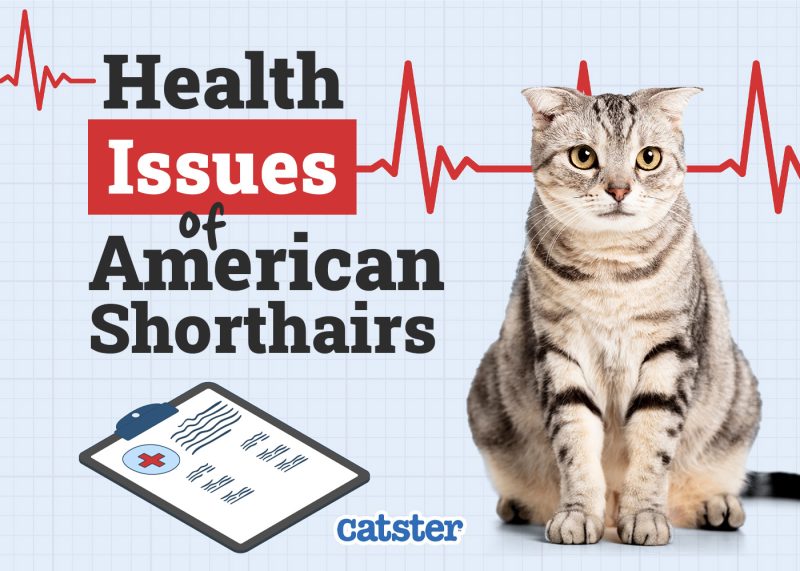
Credit: www.catster.com
Common Health Concerns
American Shorthair cats are beloved for their friendly nature and sturdy build. But like any breed, they have their share of health concerns that owners should be aware of. Understanding these common health issues can help you keep your feline friend healthy and happy.
Genetic Predispositions
American Shorthairs may inherit certain genetic conditions. Hypertrophic cardiomyopathy, a heart disease, is one example. Regular vet check-ups can help catch early signs of this condition. Consider asking your vet about screening options.
Obesity Risks
These cats are prone to weight gain. Their love for food can lead to obesity if not managed properly. A balanced diet and regular exercise are crucial to maintaining a healthy weight. Have you noticed your cat getting less active lately? It might be time to review their diet and play routine.
Dental Problems
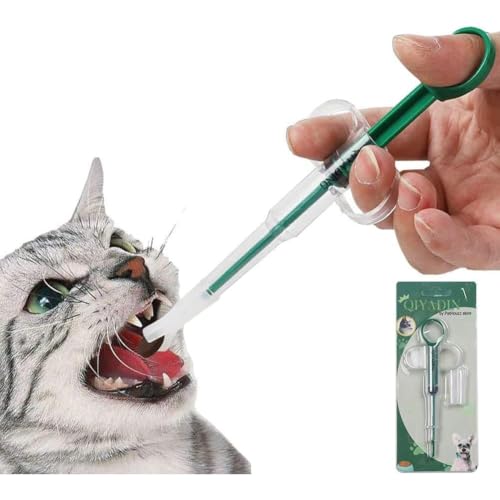
Dental health is often overlooked but is vital for your cat's well-being. American Shorthairs can suffer from periodontal disease if their teeth aren't regularly cleaned. Consider starting a dental care routine. Simple actions like brushing their teeth can prevent long-term issues.
Being proactive about your American Shorthair’s health can make a big difference. Don't wait for symptoms to appear. Regular vet visits and a keen eye on their behavior can help mitigate these common health concerns. What steps will you take to ensure your cat's health remains a priority?
Signs Of Health Issues
Your American Shorthair cat is a beloved companion, and keeping an eye on their health is crucial. Cats are adept at hiding when they're feeling unwell, so spotting the signs of health issues early can make all the difference. By being attentive to changes in behavior, physical symptoms, and appetite, you can ensure your feline friend stays happy and healthy.
Behavioral Changes
Behavioral changes are often the first indicators of health problems in your cat. Have you noticed your cat becoming less active or hiding more than usual? This could be a sign that they're not feeling their best. Cats typically enjoy social interactions, but a sudden disinterest in play or affection might signal discomfort or pain. Pay attention to any unusual vocalizations; increased meowing or whining might suggest they're trying to tell you something.
Physical Symptoms
Physical symptoms can be more visible and are essential clues to your cat's health. If you observe your cat grooming excessively or neglecting to groom at all, this could indicate skin issues or pain. Are their eyes clear and bright? Dull or cloudy eyes might be a sign of illness. Watch for any limping or difficulty moving; joint pain or injuries can significantly impact their quality of life.
Appetite And Weight Fluctuations
Changes in appetite and weight are red flags that shouldn't be ignored. Is your cat suddenly eating more or less than usual? A decreased appetite can be a sign of dental issues, stress, or digestive problems. On the flip side, overeating might point to metabolic disorders. Regularly monitor your cat’s weight; unexpected loss or gain can be indicative of underlying health issues.
Have you ever noticed your cat acting differently and wondered if it could be a health issue? Monitoring these signs closely can help you catch potential problems early. Keeping a diary of your cat's daily habits might be beneficial. It allows you to spot patterns and act promptly when something seems amiss.
Preventative Care
Caring for American Shorthair cats involves regular health check-ups to catch potential issues early. Balanced diets and exercise help maintain their overall well-being. Keeping vaccinations up-to-date and monitoring dental health are essential preventative measures to ensure a long, healthy life.
Preventative care is crucial in ensuring your American Shorthair cat lives a long, healthy life. Focusing on preventative measures not only keeps your feline friend healthy but also strengthens your bond with them. By taking proactive steps, you can minimize the risk of serious health issues and enjoy more quality time with your cat.
Regular Vet Check-ups
Regular vet check-ups are essential for spotting any potential health issues early. Schedule these visits at least once a year to keep track of your cat’s health status. These check-ups can catch problems like dental issues or weight gain before they become serious. Think of these visits as an investment in your cat's future. A simple check-up might prevent a much larger issue down the line. Your vet can also give you personalized advice on keeping your cat in top shape.
Balanced Diet
A balanced diet is vital for maintaining your American Shorthair’s health. Ensure that your cat’s food contains the right mix of protein, vitamins, and minerals. Check the labels on cat food for quality ingredients and avoid fillers. You might find that your cat has specific dietary needs. Consult your vet to tailor a diet plan that suits your cat’s unique requirements. Remember, a healthy diet goes a long way in preventing obesity and related health issues.
Exercise And Activity
Exercise and activity are just as important for your cat as they are for you. Regular playtime helps maintain a healthy weight and keeps your cat’s mind sharp. Invest in toys that stimulate your cat’s hunting instincts, like feather wands or laser pointers. If you notice your cat getting a little too comfortable on the couch, encourage more active play sessions. You could create a mini obstacle course or use interactive toys to keep things exciting. Ask yourself, how can you make exercise a fun routine for your cat? By focusing on these preventative care measures, you are giving your American Shorthair the best chance at a happy, healthy life. What steps can you take today to enhance your cat’s wellbeing?
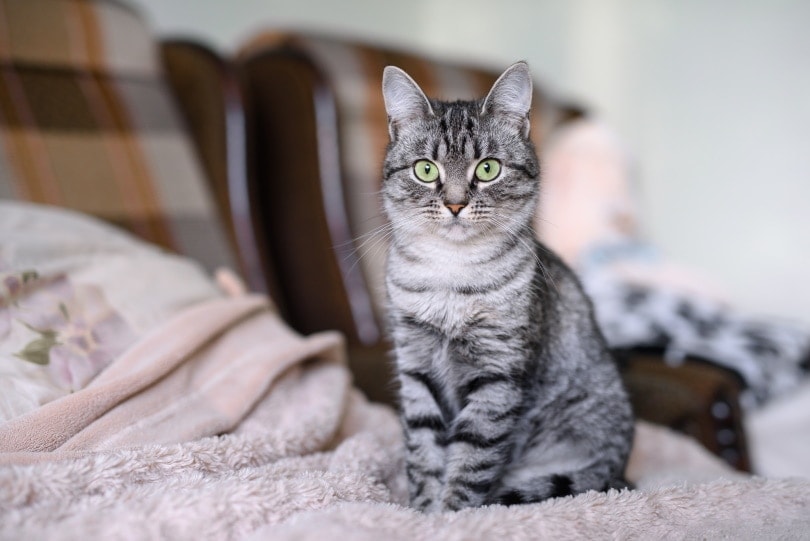
Credit: articles.hepper.com
When To See A Vet
American Shorthair cats generally enjoy good health. Yet, regular vet visits are crucial. Watch for signs like changes in eating habits, coughing, or lethargy. Early detection helps manage potential issues.
Understanding when to take your American Shorthair cat to the vet can be crucial for their health and happiness. Cats are known for hiding their pain well, so recognizing subtle signs can make all the difference. Knowing what symptoms to watch for and understanding your cat’s needs at different life stages can help you make informed decisions about their care.
Emergency Symptoms
Some symptoms warrant immediate veterinary attention. If your cat is struggling to breathe, collapses, or shows signs of severe pain, these are red flags. Vomiting or diarrhea that lasts more than 24 hours can also signal serious issues. Be alert to unusual behaviors. Sudden aggression or withdrawal might mean your cat is in distress. Rapid weight loss or refusal to eat for more than a day requires urgent evaluation. Remember when my own cat, Max, suddenly stopped eating. It turned out he had a lodged hairball that needed treatment. Quick action saved him from more severe complications.
Chronic Conditions
Certain conditions develop slowly but still need attention. Persistent coughing, sneezing, or runny eyes might suggest respiratory issues. If your cat is always scratching, they could have allergies or skin problems. Monitor for signs like excessive thirst or urination, which could indicate diabetes or kidney disease. These conditions often require ongoing management but can be controlled with the right treatment plan. Regular check-ups are vital. They allow the vet to catch early signs of chronic issues and offer effective solutions.
Age-related Concerns
As your American Shorthair ages, their health needs change. Arthritis, for instance, can make movement painful. Watch for reluctance to jump or climb, as this might suggest joint problems. Older cats may also face dental issues. Bad breath or difficulty eating could be signs of oral health concerns that need a vet's attention. Have you noticed your senior cat sleeping more than usual? While cats do sleep a lot, a significant increase might be worth discussing with your vet. Understanding these changes helps you provide the best care for your aging companion. Your vigilance can make a big difference in your cat’s quality of life. What signs do you notice in your furry friend that might need a vet’s expertise?
Lifestyle And Wellbeing
Understanding the lifestyle and wellbeing of American Shorthair cats is essential. These cats are known for their robust health. Yet, their lifestyle choices can significantly impact their wellbeing. Each American Shorthair has unique needs. Ensuring they live a balanced life is crucial. Let's delve into key aspects of their lifestyle.
Indoor Vs. Outdoor Living
American Shorthairs can adapt to both indoor and outdoor settings. Indoor living offers safety from dangers. Risks include traffic and predators. It also protects from harsh weather. Outdoor living provides more space. They enjoy exploring and hunting. Yet, it poses higher risks. The choice depends on the environment. Owners should consider their cat's safety and health.
Social Interaction
Social interaction is vital for these cats. They are friendly and social. Lack of interaction can cause loneliness. Regular playtime strengthens bonds. It reduces stress and anxiety. Interaction with humans and other pets is beneficial. It keeps them mentally stimulated. Engaging with their owners makes them happy and healthy.
Environmental Enrichment
Enriching the environment is crucial for their wellbeing. Toys and climbing structures provide stimulation. They prevent boredom and destructive behavior. Scratching posts protect furniture. They satisfy their natural instincts. Rotating toys keeps their interest alive. A variety of activities ensures a happy life. Proper enrichment leads to a content and active cat.
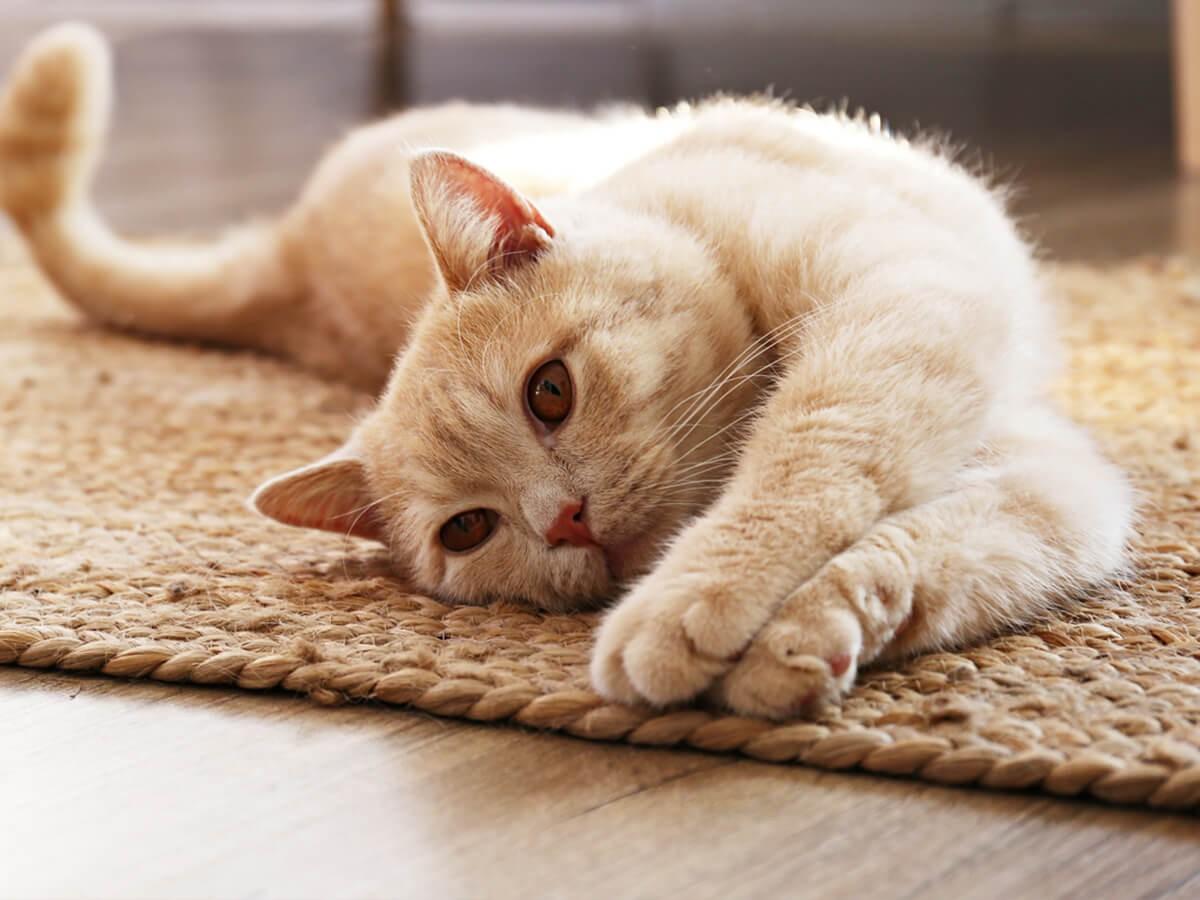
Credit: spotpet.com
Breeding And Genetic Testing
Breeding and genetic testing play a crucial role in ensuring the health and well-being of the American Shorthair cat. By understanding and implementing responsible breeding practices, breeders can significantly reduce the risk of hereditary diseases. Genetic testing is a powerful tool that allows for informed decisions in breeding programs, ultimately enhancing the quality of life for these beloved cats. But how can you tell if a breeder is doing their best to ensure healthy kittens?
Responsible Breeding Practices
Responsible breeders prioritize the health of their cats above all else. They carefully select breeding pairs based on health histories and genetic compatibility. Breeders should avoid mating cats with known hereditary issues, ensuring they pass on strong genes to future generations.
When choosing a breeder, ask about their breeding practices. Are they committed to maintaining the breed's health standards? Do they provide documentation of genetic tests and health screenings? Answers to these questions can give you peace of mind when adopting your new furry friend.
Available Genetic Tests
Genetic tests are essential in identifying potential health risks in American Shorthair cats. These tests help detect conditions such as hypertrophic cardiomyopathy (a heart disease) and polycystic kidney disease. Knowing a cat's genetic makeup enables breeders to make informed decisions about breeding pairs.
Would you consider investing in genetic tests for your cat? Though it might seem like an extra expense, it can save you from heartache and costly vet bills down the line. Ask your breeder about the available genetic tests and their importance in breeding healthy cats.
Avoiding Hereditary Issues
Hereditary issues can be minimized through careful breeding choices and genetic testing. Breeders should aim to eliminate known genetic disorders from their breeding lines. By doing so, they contribute to the overall health and longevity of the American Shorthair breed.
Imagine adopting a cat free from hereditary issues—a healthy companion that brings joy for years to come. Wouldn't that be worth the extra effort in finding a responsible breeder? Take the time to research and ask questions, ensuring your cat comes from a line with minimal health risks.
In the quest for a healthy American Shorthair cat, understanding the importance of breeding and genetic testing is key. By choosing responsible breeders and advocating for genetic testing, you can enjoy the company of a healthy and happy cat. So, what steps will you take to ensure your feline friend thrives?
Frequently Asked Questions
What Are Common Health Issues In American Shorthair Cats?
American Shorthairs are generally healthy but can face obesity and dental issues. Regular vet check-ups help monitor their health. They may also be prone to heart disease. Providing a balanced diet and maintaining regular exercise can minimize these risks. Always consult your vet for personalized care advice.
How To Prevent Obesity In American Shorthairs?
Preventing obesity involves controlling food portions and encouraging daily exercise. Regular playtime helps maintain a healthy weight. Avoid feeding high-calorie treats frequently. A balanced diet with proper nutrients is essential. Regular vet visits can help track weight and adjust diet accordingly.
Are American Shorthairs Prone To Heart Disease?
Yes, American Shorthairs can be prone to heart disease. Genetics play a role, so regular vet check-ups are crucial. Early detection can lead to better management. Maintaining a healthy lifestyle reduces risks. Consult your vet for prevention strategies tailored to your cat's needs.
How To Maintain Dental Health In American Shorthairs?
Maintaining dental health involves regular teeth brushing and dental check-ups. Providing dental treats can help. Ensure your cat's diet supports oral health. Watch for signs of dental issues like bad breath. Regular vet visits can prevent serious dental conditions.
Conclusion
American Shorthair cats generally enjoy good health. Regular vet visits help catch issues early. Always monitor your cat's behavior and appearance. Changes might indicate health problems. A balanced diet and exercise are crucial. They maintain weight and support overall wellbeing.
Grooming also plays a role. It keeps their coat shiny and reduces shedding. Remember, each cat is unique. Their health needs may vary. Always consult a vet for personalized advice. Your cat's health is a priority. Take steps to ensure a happy, healthy life.
Your furry friend deserves the best care possible.