Have you ever caught a whiff of cat or dog urine and wondered if it's affecting your health? If you're living with pets, this question might have crossed your mind more than once.
The strong odor can be hard to ignore, but what about the unseen effects it might have on your well-being? You're not alone in pondering this. Many pet owners are curious—and maybe even concerned—about the potential health problems associated with living in close quarters with their furry friends' messes.
Your home is your sanctuary, and keeping it healthy is crucial for your peace of mind. You want to ensure that the air you breathe and the surfaces you touch are safe for you and your family. This article will dive into the nitty-gritty of how cat and dog urine can impact your health. We'll explore what science says about the potential risks and give you practical tips on how to keep your living space fresh and safe. Stick around to find out if your pets' bathroom habits are more than just a smelly inconvenience.
Health Risks Of Cat And Dog Urine
Cat and dog urine can be more than just a smelly nuisance. It poses various health risks that are often overlooked. Understanding these dangers is crucial for pet owners. Let's delve into the potential health hazards associated with exposure to cat and dog urine.
Ammonia Exposure
Urine contains ammonia, a potent chemical. High levels can irritate your eyes, skin, and respiratory system. Breathing in ammonia may cause coughing and throat irritation. Prolonged exposure can lead to serious respiratory issues.
Allergic Reactions
Some people are allergic to proteins in pet urine. Allergic reactions can include sneezing, itchy eyes, or skin rashes. Sensitive individuals may experience more severe symptoms. Regular contact with urine increases the risk of allergies.
Bacterial Contamination
Urine can harbor bacteria. These bacteria may lead to infections if they come into contact with cuts or abrasions. Stagnant urine in carpets or floors allows bacteria to multiply. Proper cleaning is essential to prevent bacterial growth.

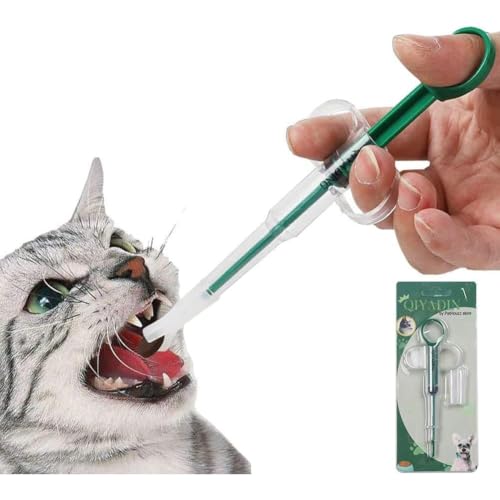
Credit: www.amazon.com
Effects On Respiratory Health
Living with cat and dog urine can impact respiratory health. Urine contains ammonia, which can irritate the airways. Prolonged exposure may lead to discomfort and health issues. Understanding these effects is crucial for maintaining a healthy home environment.
Breathing Difficulties
Ammonia in urine can cause breathing difficulties. It irritates the lungs and throat. Sensitive individuals may experience coughing or wheezing. These symptoms can become more severe with continuous exposure. Ensuring proper ventilation can help reduce these effects.
Asthma Triggers
Urine odors might trigger asthma symptoms in some people. Ammonia and other compounds can worsen asthma attacks. Those with asthma may notice increased shortness of breath. It's essential to keep living spaces clean to minimize triggers. Regular cleaning can improve air quality.
Long-term Respiratory Issues
Chronic exposure to cat and dog urine may cause long-term respiratory issues. Persistent irritation can lead to respiratory illnesses. Over time, the risk of developing such problems increases. Addressing urine odors promptly can prevent these health challenges.
Impact On Mental Well-being
Living with cat or dog urine can affect mental well-being. The unpleasant odor and stains can be overwhelming. This can lead to stress, anxiety, and other mental health issues. Understanding the impact on mental well-being can help in addressing these challenges.
Stress And Anxiety
Constant exposure to pet urine can increase stress. The persistent smell can be a source of embarrassment. Guests might notice, leading to social anxiety. Managing pet accidents can become stressful. This can affect daily routines and peace of mind.
Sleep Disruption
Strong odors can make sleeping difficult. The smell of urine can disturb sleep. It can cause restlessness and frequent waking. Poor sleep affects mood and energy levels. This can lead to irritability and reduced productivity.
Concentration Problems
The smell of urine can be distracting. It can make focusing on tasks challenging. Constant cleaning and worry disrupts thought processes. This can reduce efficiency at work or school. A clean environment supports better concentration and mental clarity.
Vulnerable Populations
When it comes to living with pets, especially cats and dogs, it's crucial to consider the potential health impacts of their urine on vulnerable populations. While many of us cherish our furry friends, certain groups may face increased risks. Understanding these risks can help us create safer environments for everyone. Let's dive into how children's health, elderly risks, and immunocompromised individuals might be affected by exposure to pet urine.
Children's Health
Children are naturally curious. This curiosity often leads them to explore their surroundings, including places where pet urine might be present. Their developing immune systems make them more susceptible to infections and allergens. If you notice frequent sniffles or skin irritations in your child, it might be worth checking if pet urine is a contributing factor.
Think about the time your toddler crawled around the living room, giggling and exploring. Now, imagine if there was a spot of dried pet urine in their path. That small exposure can lead to bigger health issues for them. Regular cleaning and monitoring where your pets go can minimize these risks.
Elderly Risks
Older adults often experience reduced immune function, making them more vulnerable to infections. The presence of pet urine can exacerbate respiratory conditions like asthma or COPD. If you care for an elderly loved one, be vigilant about maintaining a clean home to protect their health.
Imagine your grandma visiting for the weekend, enjoying her time with your pets. While she loves their company, she's unknowingly exposed to areas where pet urine might linger. This exposure can cause discomfort or even trigger health problems. Regularly cleaning and ensuring a fresh environment can make a significant difference.
Immunocompromised Individuals
For those with weakened immune systems, even minor exposure to pet urine can lead to infections or worsen existing conditions. It's essential to maintain rigorous cleanliness standards if you or someone in your household is immunocompromised. This small step can greatly reduce health risks.
Consider the times you've invited a friend undergoing treatment for an illness. Their visit should be a time of joy and comfort, not a risk to their health. Ensuring your home is free of pet urine can help provide a safer environment for your guest.
As you navigate life with pets, how proactive are you in safeguarding these vulnerable populations? Taking simple steps like regular cleaning can make your home safer and healthier for everyone. Your vigilance and care can ensure that your love for pets doesn't compromise the well-being of your loved ones.
Preventive Measures
Living with cat or dog urine can lead to health issues such as respiratory problems and allergies. Regular cleaning and proper ventilation are essential to prevent harmful bacteria and strong odors. Keeping pet areas clean helps maintain a healthy home environment.
Living with pets brings joy and companionship, but it also demands responsibility, especially when it comes to handling cat and dog urine. Left unchecked, urine can lead to unpleasant odors and potential health risks. To keep your home fresh and healthy, let's dive into some preventive measures you can take. These steps not only protect your health but also ensure your pets live in a clean environment.
Proper Cleaning Techniques
Cleaning up pet urine properly is crucial. Always act quickly; the longer urine sits, the harder it is to remove. Use enzymatic cleaners designed specifically for pet urine. These break down the odor-causing compounds effectively. Sometimes, a simple homemade solution can work wonders. Mix equal parts of water and white vinegar, apply it to the area, then blot with a clean cloth. Have you ever tried this method? It’s an easy and eco-friendly approach that can save you a trip to the store.
Air Quality Improvement
Good air quality is essential for a healthy home. Opening windows regularly can help circulate fresh air and reduce odors. Consider investing in an air purifier with a HEPA filter to capture airborne particles, including pet dander and urine odors. This can make a noticeable difference in your home's atmosphere. Do you use air fresheners? While they mask smells temporarily, they don't tackle the root cause. Aim for solutions that improve air quality genuinely.
Regular Vet Check-ups
Regular vet visits are not just for your pet's vaccines. They can help identify any underlying health issues that might be causing frequent urination. A check-up can pinpoint if your pet has a urinary tract infection or another condition that needs attention. When was your pet's last vet visit? Keeping up with these appointments ensures your pet’s health is in check and minimizes accidents at home. Incorporating these preventive measures into your routine can significantly reduce the health risks associated with pet urine. You'll create a safer and more pleasant environment for both you and your furry friends.
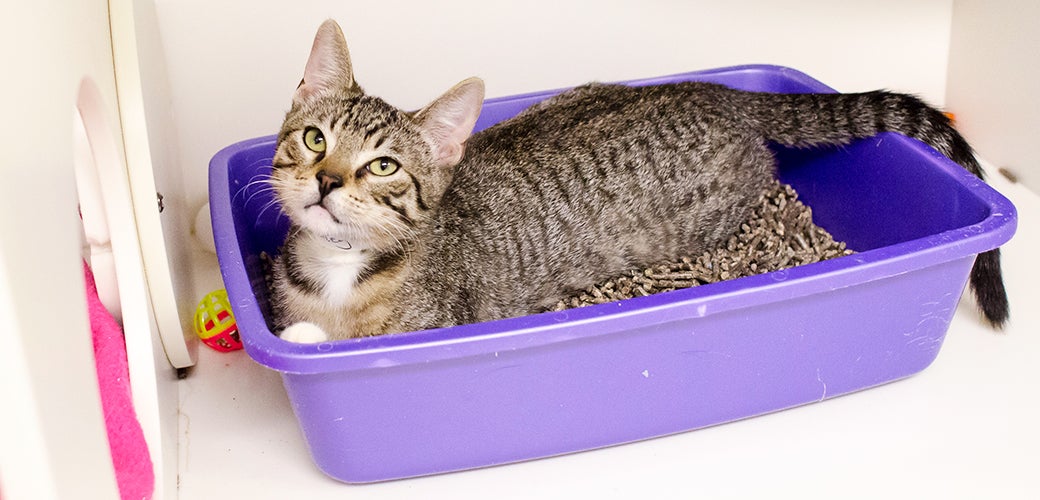
Credit: www.aspca.org
Signs Of Health Problems
Exposure to cat and dog urine can lead to respiratory issues and allergies. Over time, ammonia in urine may irritate the eyes and throat, causing discomfort. Maintaining cleanliness and proper ventilation helps reduce these health risks.
Living with pets can bring joy and companionship, but it can also pose health risks if not managed properly. Cat and dog urine, for instance, can be more than just a cleaning nuisance. Over time, exposure to these substances may lead to health issues. Recognizing the signs of potential health problems is crucial for maintaining a healthy home environment.
Recognizing Symptoms
It's vital to be aware of how your body reacts when exposed to pet urine. Have you noticed a persistent cough or sinus congestion that won't go away? Maybe you have itchy eyes or skin rashes? These could be signs your body is reacting to the ammonia in pet urine. Watch out for headaches or nausea, especially if these symptoms arise when you're in areas where your pets frequent. If you've ever had your eyes water when cleaning up after your pet, you know that these symptoms can be more than a mild inconvenience.
When To Seek Medical Advice
You might wonder when it's time to consult a doctor. If you notice symptoms persisting or worsening, it's a good idea to seek medical advice. Breathing difficulties or chest tightness could be signs of something more serious. Allergies can develop over time, even if you've never had them before. If your symptoms interfere with your daily activities or sleep, it's worth discussing with a healthcare professional. Do you have friends who live with pets but don't seem to have these issues? It's important to remember that everyone reacts differently. Your health should always be a priority, and seeking advice can help you create a safer, more comfortable living environment.
Benefits Of Living With Pets
Living with pets, like cats and dogs, offers companionship and joy. Urine may cause health issues if not managed well. Regular cleaning and proper care ensure a safe, healthy home environment.
Living with pets is a journey filled with joy, companionship, and countless benefits. While some might worry about the challenges, especially concerning cleanliness, the positives often outweigh the negatives. Owning a pet can enhance your emotional well-being, improve your physical health, and expand your social life. Let's dive into the ways pets can enrich your life.
Emotional Support
Pets are excellent emotional anchors. Coming home to a wagging tail or a purring cat can instantly lift your spirits. They provide a sense of purpose and routine, which can be incredibly comforting. Studies have shown that pet owners often experience lower levels of stress and anxiety. When I felt overwhelmed during my college exams, my cat's gentle presence helped calm my nerves. Have you noticed how your pet's affection can change your mood?
Improved Physical Health
Pets encourage a more active lifestyle. Walking a dog daily or playing with a cat can significantly boost your physical activity. This not only helps in maintaining a healthy weight but also reduces the risk of heart-related issues. On days when I felt lethargic, my dog's need for a walk pushed me to step outside and get moving. Are your pets motivating you to stay active?
Social Interaction
Owning a pet can be a great conversation starter. Whether it's at the dog park or during a casual walk, pets help break the ice. They create opportunities for you to meet new people and form bonds with fellow pet lovers. When I moved to a new city, my dog was the reason I met some of my closest friends. How has your pet helped you connect with others? Embrace the joys of pet ownership. While there may be challenges, the love and benefits they bring are truly priceless.
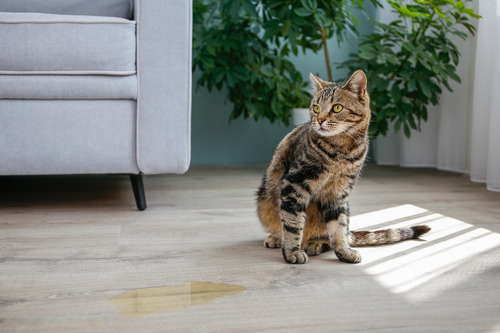
Credit: northjerseyanimalhospital.com
Frequently Asked Questions
Can Cat Urine Affect Human Health?
Yes, cat urine can pose health risks. It contains ammonia, which may cause respiratory issues, especially for those with asthma. Long-term exposure can lead to headaches and skin irritation. Cleaning regularly and ensuring proper ventilation can minimize these health risks effectively.
Is Dog Urine Harmful To Breathe?
Breathing in dog urine can be harmful. It contains ammonia, which may cause respiratory problems, especially in closed spaces. Prolonged exposure might lead to irritation of the eyes and throat. Ensure regular cleaning and proper ventilation to reduce these risks and maintain a healthy environment.
Can Pet Urine Cause Allergic Reactions?
Yes, pet urine can cause allergic reactions. Some individuals may experience symptoms like sneezing, coughing, or skin irritation. It's important to clean urine promptly to prevent allergens from spreading. Using air purifiers and maintaining good hygiene can help minimize allergic reactions effectively.
Does Pet Urine Attract Bacteria?
Pet urine can attract bacteria. The moisture and organic matter create a breeding ground for bacteria and mold. This can lead to unpleasant odors and potential health risks. Regular cleaning and using disinfectants can help prevent bacterial growth and maintain a healthier living space.
Conclusion
Living with cat and dog urine can affect your health. Breathing in ammonia from urine may cause respiratory issues. Skin contact might lead to irritation or infections. Regular cleaning helps maintain a healthy home. Good hygiene practices prevent health problems.
Consider using enzyme cleaners for tough stains. Train pets to use designated spots. Urine odors can attract pests, so clean promptly. Always wash hands after handling pet waste. Keep living areas well-ventilated. Prioritize cleanliness for your family's health. A clean home ensures happier and healthier pets.
Stay proactive in managing pet-related messes.