Are you losing sleep because your cat turns into a nocturnal troublemaker once the sun sets? You’re not alone, and it’s not your fault.
Many cat owners face this nightly dilemma, where their feline friend becomes a whirlwind of mischief, causing chaos and disrupting your peaceful slumber. Imagine waking up every morning feeling refreshed, with your cat snuggled beside you instead of swinging from the curtains or knocking things over.
Sounds appealing, right? You’ll discover practical tips and tricks to transform your cat’s nighttime antics into calm, restful behavior. So, if you’re ready to reclaim your nights and restore tranquility to your home, keep reading!
Causes Of Nighttime Mischief
Understanding why cats misbehave at night helps manage their actions. Several factors contribute to this behavior. Let's explore some common causes. Identifying these can lead to solutions for a peaceful night.
Natural Instincts
Cats are nocturnal hunters by nature. Their ancestors hunted during the night. This instinct remains strong in domestic cats. They may be active during the night due to these instincts. Creating activities during the day can help redirect this energy.
Lack Of Daytime Stimulation
Many cats are alone while their owners work. This leads to boredom and pent-up energy. When night comes, they seek stimulation. Providing toys and interactive play during the day helps reduce nighttime mischief. It keeps their minds and bodies engaged.
Hunger Or Thirst
Nighttime hunger or thirst can trigger restless behavior. Cats may roam or vocalize seeking food or water. Ensure they have access to fresh water and a balanced evening meal. This simple change can solve many nighttime issues.
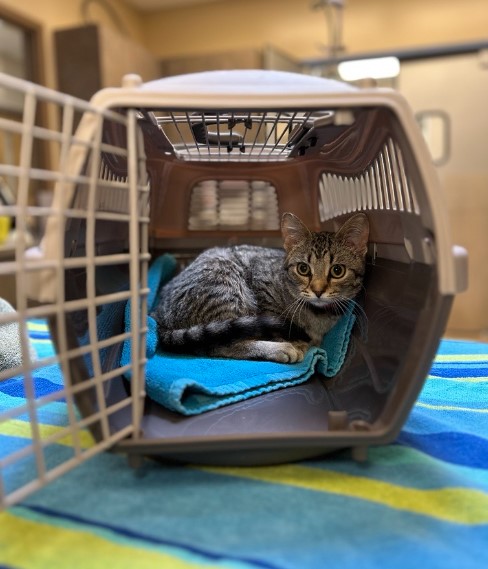
Credit: www.wihumane.org
Creating A Calm Environment
Create a calm environment to stop your cat's bad night behavior. Dim the lights and play soft music. Provide a cozy bed for comfort and security.
Creating a peaceful space can calm your cat's night behavior. A soothing environment helps your cat relax and sleep better. This reduces nighttime mischief and disturbances. Focus on two main areas to achieve this.
Comfortable Sleeping Area
Create a cozy sleeping spot for your cat. Use a soft bed or blanket. Place it in a quiet corner of your home. Cats love warmth, so choose a warm location. This helps your cat feel safe and secure. A comfortable spot encourages restful sleep.
Reducing Noise And Light
Minimize noise during your cat's sleep time. Turn off loud electronics and close windows. This limits outside sounds and distractions. Keep the room dim by using curtains or blinds. Avoid bright lights near your cat's sleeping area. A dark, quiet space helps cats relax and unwind.
Establishing A Routine
Cats are creatures of habit. They love routines. A consistent schedule can help reduce their bad night-time behavior. Establishing a routine provides security for your cat. It helps them know what to expect each day. This can lead to better behavior at night.
Creating a routine involves setting specific times for feeding and play. This can make your cat feel more secure and content. A predictable schedule can work wonders for your cat's behavior.
Regular Feeding Schedule
Feed your cat at the same time every day. This helps them know when to expect food. A full belly makes a cat more likely to sleep through the night. Try feeding them a little before bedtime. This can help them feel sleepy and satisfied.
Avoid feeding them too close to bedtime. It might give them a burst of energy. Instead, aim for a couple of hours before sleep. This can promote a restful night.
Consistent Playtime
Play with your cat regularly. It helps burn off excess energy. Set aside time each day for play. Use toys that mimic hunting behaviors. This can help satisfy their instincts.
Engage them in active play sessions. This will help tire them out. A tired cat is more likely to sleep at night. Make playtime fun but structured. This creates a sense of routine for your cat.
Managing Excess Energy
Managing excess energy in cats at night can be challenging. Cats are naturally active, especially in the evening. This behavior often stems from pent-up energy. To curb nighttime antics, channel their energy positively. Interactive toys and evening exercises are effective methods. These activities help them expend energy and settle down for the night.
Interactive Toys
Interactive toys engage a cat's mind and body. Puzzle feeders are great. They stimulate their hunting instincts. These toys make them work for food, keeping them busy. Laser pointers are another option. Cats love chasing the light. It keeps them active and entertained. Rotating toys mimic prey movements. These hold a cat's attention for hours. Many toys provide mental and physical stimulation. This reduces their nighttime energy bursts.
Evening Exercise
Evening exercise helps burn off energy. Set aside time for play each night. Use feather wands for active play sessions. This mimics natural hunting. Cats love jumping and chasing. These activities tire them out. Play fetch with small, soft toys. Many cats enjoy this game. It boosts their physical activity. Climbing trees or cat towers offer another option. Cats can climb and explore. These exercises prevent excess energy at bedtime.
Addressing Hunger And Thirst
Cats may act out at night due to hunger or thirst. Ensure your cat has access to fresh water and a small meal before bedtime. This might reduce disruptive behavior and help them settle down.
Addressing hunger and thirst is a crucial step in managing your cat's disruptive nighttime behavior. Just like you wouldn't want to be woken up by hunger pangs, your cat doesn't either. Ensuring they have access to food and water at night can make a significant difference in their behavior.
Late Night Snacks
Consider offering a small, balanced meal or snack in the evening to help curb those midnight hunger pangs. A handful of kibble or a spoonful of wet food can be enough to tide them over until morning. Is your cat a grazer? Leave out a small portion of dry food before bed. This can help prevent them from waking you up in the middle of the night, demanding breakfast.
Fresh Water Access
Always ensure your cat has access to fresh water. Cats can be finicky drinkers, and stagnant water may not appeal to them. A water fountain can encourage them to drink more, as many cats prefer running water. Place the water dish in an easily accessible location, away from their litter box, to promote regular drinking. In what ways have you adjusted your cat's nighttime routine to improve your own sleep? Share your tips in the comments below!
:strip_icc()/avoid-cat-related-sleep-deprivation-555650-hero-466546cddbe94e0296c002cf83268f0c.jpg)
Credit: www.thesprucepets.com
Training And Discipline
Cats can be trained to stop bad night-time behavior. Establish a routine to ensure your cat feels secure. Provide toys to keep them engaged during the day. Use positive reinforcement to reward good behavior. Ensure they have enough food and water.
Adjust their environment to promote calmness at night.
Training and discipline are essential when it comes to curbing bad nighttime behavior in cats. If your feline friend is keeping you up at night, it's time to take action. By implementing effective training methods and discipline, you can ensure peaceful nights for both you and your pet.
Positive Reinforcement
Use positive reinforcement to encourage good behavior. Reward your cat with treats or affection when they stay calm at night. Consistency is key, so make sure to acknowledge their good behavior every time they display it. If your cat is accustomed to getting attention when they misbehave, they may continue to do so. Instead, focus on rewarding them when they choose to relax or sleep. Have you tried using their favorite toy as a reward? Positive reinforcement can change your cat’s nighttime habits significantly. Patience is crucial, as it might take some time for your cat to understand the new routine. Remember, your calmness can influence their behavior.
Setting Boundaries
Establishing boundaries can help manage your cat's behavior. Decide which areas are off-limits during the night. For example, you might want to keep your bedroom a no-cat zone to ensure a good night's sleep. Consider using gentle deterrents like a closed door or baby gate to enforce these boundaries. If your cat often meows outside your bedroom, are they seeking attention or do they need something else? Boundaries can also mean setting a specific bedtime routine. Feed your cat and give them playtime before bed, so they are more likely to sleep through the night. Having a routine can help your cat adjust to your schedule, promoting harmony in your home. Training and discipline are not about punishment. They’re about teaching your cat what behaviors are acceptable. How will you start making changes tonight?
Health And Medical Checks
Dealing with a cat's bad night-time behavior can be challenging. One effective strategy involves health and medical checks. Often, underlying health issues cause disruptive behaviors. Regular checks ensure your cat is healthy. It also helps identify any medical conditions early. Addressing health problems can significantly improve your cat's behavior. Let's explore some key steps in health assessments.
Identifying Health Issues
Observe your cat closely. Watch for signs of discomfort or illness. Notice any changes in eating habits. Look for unusual sleeping patterns. Pay attention to excessive grooming or scratching. These could indicate health issues. Behavioral changes often stem from physical discomfort. Identifying these signs helps you act promptly.
Consulting A Veterinarian
Schedule a visit with your veterinarian. Share your observations with them. They will conduct a thorough examination. The vet may suggest tests if needed. These tests can uncover hidden health problems. Discuss any recent changes in your cat's environment. The vet can provide personalized advice. They will guide you on the best treatment plan. Regular vet visits ensure your cat's well-being.

Credit: resources.sdhumane.org
Frequently Asked Questions
How To Calm A Restless Cat At Night?
To calm a restless cat, establish a bedtime routine. Engage in interactive play to tire them out. Provide a comfortable sleeping area away from disturbances. Ensure they've eaten before bedtime to prevent midnight hunger. Consider using calming products like pheromone diffusers.
These steps can promote a peaceful night.
Why Does My Cat Act Crazy At Night?
Cats are naturally nocturnal, so nighttime activity is normal. They may have pent-up energy from daytime rest. Ensure they're entertained during the day. Lack of stimulation can lead to nighttime craziness. Providing toys and interactive play can help manage their energy levels effectively.
What Can I Do About My Cat's Night Meowing?
Night meowing can be attention-seeking or due to hunger. Ensure your cat's needs are met before bedtime. Stick to a consistent feeding schedule. Ignore unnecessary meowing to discourage the behavior. If the meowing continues, consult a vet to rule out any health issues.
Can Diet Affect My Cat's Nighttime Behavior?
Yes, diet can influence your cat's behavior at night. Feeding them a balanced meal before bedtime can prevent nighttime hunger. Avoid giving them high-energy foods close to bedtime. Consult your vet for dietary recommendations tailored to your cat's needs and lifestyle.
Conclusion
Stopping your cat's bad night behavior takes patience and consistency. Identify triggers like hunger or boredom. Provide toys or a cozy sleeping spot. Establish a bedtime routine to calm your cat. Reward good behavior with treats or affection. Avoid yelling; it may stress your cat more.
Consider using white noise for a peaceful environment. Consult a vet if issues persist. With time, your cat will adjust and sleep peacefully. Your patience and effort will bring harmony back to your nights. Sleep will become restful for both you and your furry friend.