Imagine coming home after a long day to a fluffy friend who greets you with gentle purrs and comforting presence. Cats are delightful companions, but have you ever wondered if keeping them indoors might be affecting your health?
You might have heard whispers or read snippets suggesting that indoor cats could be a concern. But what’s the real story? This blog will delve into the truth behind these claims, exploring the potential health impacts and benefits of sharing your living space with a feline friend.
Whether you’re a seasoned cat owner or considering adopting your first kitty, understanding how an indoor cat can influence your life is crucial. Stick around to uncover surprising insights that might challenge what you thought you knew.
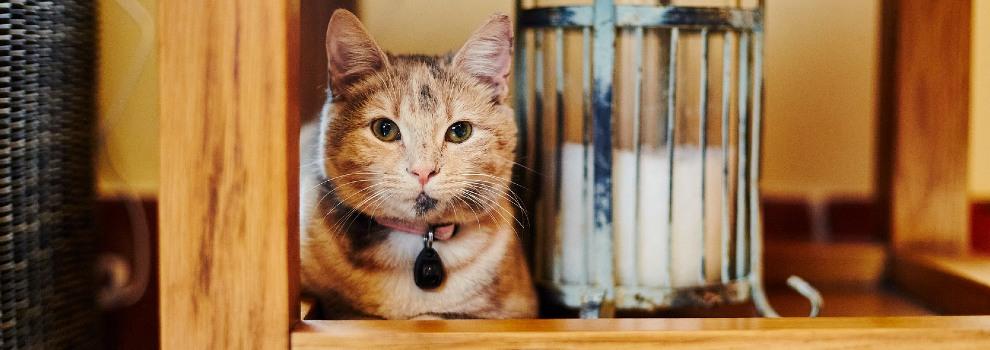
Credit: www.rspca.org.uk
Indoor Cat Lifestyle
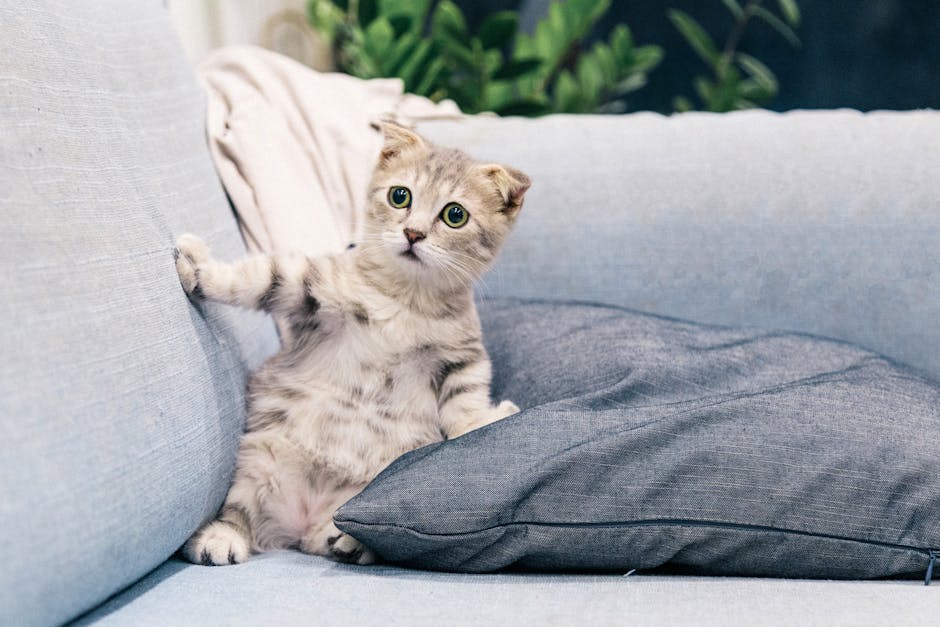
Many pet owners choose to keep their cats indoors. This decision often stems from safety concerns and lifestyle preferences. Indoor cats enjoy a controlled environment, free from outdoor dangers. They live longer and healthier lives due to reduced risks. Yet, some people question if keeping cats indoors impacts health negatively. Let's explore the indoor cat lifestyle to understand its benefits and potential concerns.
Benefits Of Indoor Cats
Indoor cats face fewer threats from cars and predators. They have a lower risk of contracting diseases from other animals. Indoor cats also experience less stress from territorial fights. Their diet and health can be monitored more closely. Owners can ensure their cats have a balanced diet and regular vet visits. These factors contribute to a longer, healthier life for indoor cats.
Common Concerns
Some worry about indoor cats becoming bored or inactive. Boredom can lead to destructive behavior or obesity. Cats need mental stimulation and physical exercise daily. Owners can provide toys, climbing trees, and interactive play. Another concern is the lack of natural sunlight and fresh air. This can be addressed with sunlit windows and safe outdoor enclosures. Indoor cats can thrive with the right care and environment.

Credit: www.amazon.com
Allergies And Respiratory Issues
Keeping a cat indoors brings joy and companionship. Yet, some worry about allergies and respiratory issues. Cats can trigger allergies and affect air quality. Understanding these can help make informed decisions about indoor cats.
Understanding Cat Allergies
Some people are allergic to proteins in cat saliva, skin, and urine. When cats groom, these proteins spread onto their fur and skin. They can then become airborne and stick to furniture or clothing. Sneezing, itching, and a runny nose are common allergy symptoms. Some may also experience wheezing or asthma attacks.
Impact On Air Quality
Indoor air quality can be affected by pet dander and fur. These small particles can float in the air and settle on surfaces. They may worsen allergies and respiratory problems. Regular cleaning and using air purifiers can help. It's important to ventilate rooms to reduce allergens. Keeping your home clean can make a significant difference.
Mental Health Implications
Having a cat indoors affects mental health in various ways. Cats provide companionship and joy, which can uplift your mood. Their presence can be comforting, especially for those living alone. Yet, keeping a cat indoors also comes with some stressors. Understanding these impacts is crucial for cat owners.
Emotional Benefits
Cats offer emotional support without asking for much in return. Their purring can be soothing, acting like a natural stress reliever. Many people find joy in watching their playful antics. This can lead to reduced feelings of loneliness and sadness. Cats also help form a routine. Feeding and playing with them adds structure to your day.
Stress Factors
Owning a cat indoors can sometimes be stressful. Cats require attention, which can be demanding. Cleaning litter boxes and dealing with shedding fur may cause frustration. Indoor cats might scratch furniture or knock things over. This can add to household stress. Allergies may also arise, leading to discomfort or anxiety.
Disease Transmission Risks
Keeping a cat indoors can pose disease transmission risks. Cats might carry pathogens like toxoplasmosis or salmonella. Regular vet visits and hygiene practices reduce health concerns effectively.
Having a cat indoors brings endless joy, but it's essential to understand the potential health risks involved. While cats are wonderful companions, they can occasionally carry diseases that may affect humans. Knowing about these risks helps you take necessary steps to keep your household safe.
Zoonotic Diseases
Zoonotic diseases are illnesses that animals can pass to humans. Cats can carry several zoonotic diseases like Toxoplasmosis, Cat Scratch Fever, and Ringworm. Toxoplasmosis, for instance, can be risky for pregnant women and individuals with weakened immune systems. Cat Scratch Fever, caused by Bartonella bacteria, might result from a playful scratch. It's not usually serious, but it can cause fever and swollen lymph nodes. Ringworm, a fungal infection, can spread through direct contact or by touching contaminated surfaces.
Preventive Measures
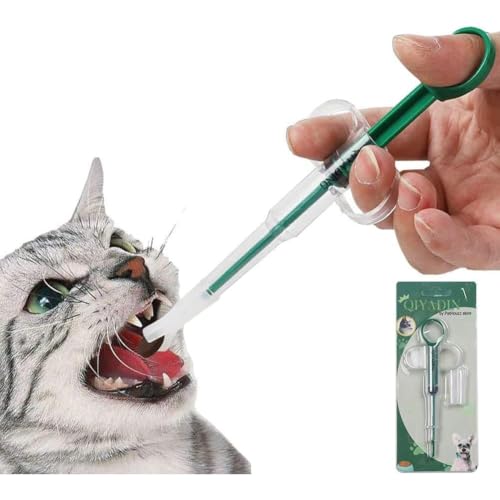
Preventive measures can help you significantly reduce the risk of disease transmission. Regular vet check-ups for your cat are crucial to monitor their health and prevent potential diseases. Keep your cat's litter box clean and wash your hands thoroughly after handling it. Teaching children to wash their hands after playing with the cat is another simple yet effective measure. If your cat scratches or bites, clean the area with soap and water immediately. Consider trimming your cat's nails to minimize scratches. Does having a cat indoors mean you're at high risk of disease? Not necessarily, especially with preventive measures in place. By being aware and proactive, you can enjoy the companionship of your feline friend without compromising your health.
Environmental And Hygiene Factors
Bringing a cat indoors requires attention to environmental and hygiene factors. These factors ensure both the cat's well-being and the owner's health. Cats can bring joy and companionship, but maintaining a clean environment is key. Addressing these factors can prevent potential health issues for both humans and felines.
Managing Litter Boxes
Litter boxes must be managed with care to maintain hygiene. Choose a location away from food and living areas. Scoop the litter box daily to prevent odors and bacteria buildup. Use clumping litter for easy cleaning. Replace the litter entirely at least once a week. This helps reduce harmful ammonia levels.
Regular Cleaning Practices
Regular cleaning practices keep the indoor environment healthy. Vacuum frequently to remove cat hair and dander. Use a HEPA filter for better air quality. Clean surfaces with pet-friendly disinfectants. Wash your cat's bedding weekly to remove allergens and dirt. Clean your cat's toys to prevent bacteria.
Balancing Risks And Rewards
Balancing risks and rewards is vital for indoor cat owners. Keeping a cat indoors has its ups and downs. Cats bring joy and companionship, but there are health concerns too. It’s essential to weigh these factors carefully.
Health Benefits Of Cat Companionship
Having a cat can boost your mood. Petting a cat reduces stress. Cats provide a sense of security. Their playful antics can cheer you up. Studies show cats help lower blood pressure. They offer comfort during tough times. Their presence can ease loneliness.
Mitigating Health Concerns
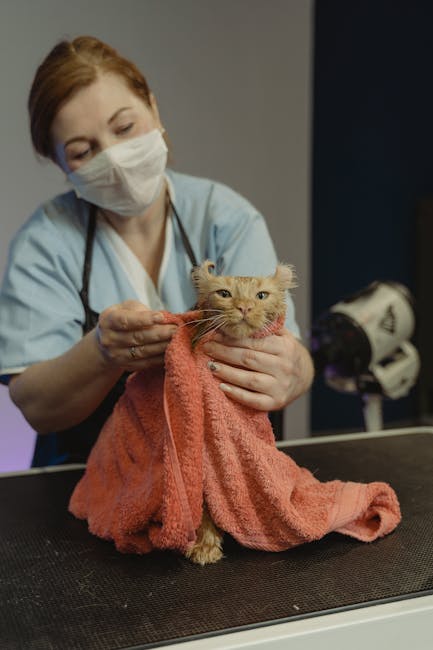
Indoor cats can sometimes cause allergies. Regular cleaning helps reduce allergens. Use air purifiers for better air quality. Keep litter boxes clean to avoid bacteria. Ensure cats receive vaccinations. Regular vet visits keep them healthy. Practice good hygiene when handling cats.

Credit: www.ebay.com
Frequently Asked Questions
Is Indoor Cat Ownership Harmful To Human Health?
Having a cat indoors is generally safe for human health. Cats can improve mental well-being through companionship. However, it's important to maintain cleanliness and regular vet check-ups to prevent allergies and diseases.
Do Indoor Cats Affect Air Quality At Home?
Indoor cats can impact air quality due to dander and litter box odors. Regular cleaning and proper ventilation help minimize these effects. Air purifiers can also improve indoor air quality by reducing allergens.
Can Indoor Cats Cause Allergies?
Indoor cats can trigger allergies in sensitive individuals. Cat dander is a common allergen. Regular cleaning and grooming can help reduce allergen levels. Consulting with an allergist for personalized advice is recommended.
Are Indoor Cats More Prone To Obesity?
Indoor cats may be prone to obesity due to reduced activity. Providing toys and scheduled playtime can encourage exercise. Monitoring their diet and portion sizes also helps maintain a healthy weight.
Conclusion
Cats make great indoor pets. They provide companionship and joy. Keeping a cat inside is safe. It protects them from traffic and predators. Regular vet visits keep cats healthy. Clean their litter box often. This stops germs from spreading. Cats need exercise, too.
Play with them daily. This keeps them happy and active. Allergies can occur, but are manageable. Use air purifiers or vacuum frequently. A cat indoors can be healthy with proper care. Enjoy their love and purring. Cats bring warmth to any home.
Make sure you meet their needs. They'll thrive in your space.