When you think of your cat, you probably imagine them as a fluffy companion, bringing joy and comfort to your life. But what if your furry friend is carrying more weight than they should?
Having an overweight cat isn't just about a few extra pounds; it's a concern that can lead to serious health issues. Your cat's well-being depends on you understanding these risks and taking action. Are you aware of what could be lurking beneath that plush exterior?
You'll uncover the potential threats to your cat's health due to obesity, and learn why it's crucial to address this issue now. The information here could be the key to ensuring your cat lives a long, healthy, and playful life. Stick around to find out how you can make a difference.

Credit: www.expertcatcare.com
Causes Of Cat Obesity
Understanding the causes of cat obesity is crucial for pet owners. Overweight cats face numerous health risks. Identifying the root causes can help in managing and preventing obesity. Several factors contribute to a cat's weight gain. These include diet, exercise, genetics, and environment. Let's explore each factor in detail.
Dietary Factors
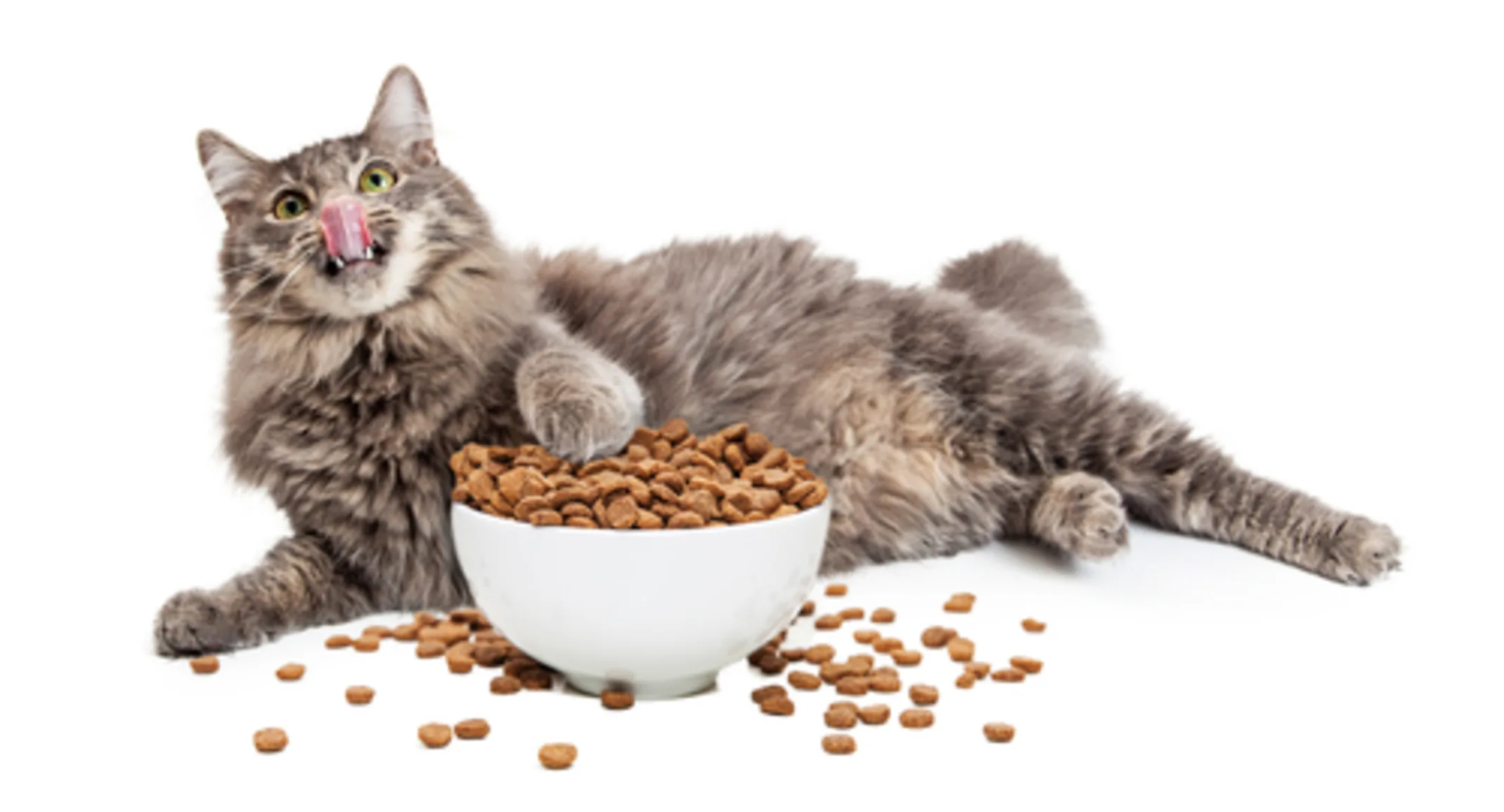
A cat's diet plays a significant role in its weight. High-calorie foods can lead to weight gain. Portion sizes also matter. Overfeeding can quickly lead to obesity. Treats should be given sparingly. Cats need a balanced diet. Consult your vet for advice.
Lack Of Exercise
Exercise is vital for a cat's health. Indoor cats often lack physical activity. They need playtime to burn calories. Toys can encourage movement. Regular exercise helps maintain a healthy weight. It also reduces stress for your cat.
Genetic Predisposition
Some cats are genetically prone to obesity. Certain breeds gain weight easily. Genetic factors can affect metabolism. It's essential to monitor their diet closely. Knowing your cat's breed helps tailor their care.
Environmental Influences
A cat's environment impacts its weight. Limited space can restrict movement. An unstimulating environment can lead to boredom eating. Consider enriching their surroundings. Climbing trees or interactive toys can help. A stimulating environment keeps cats active and healthy.
Credit: www.cherryhillanimalhospital.com
Impact On Mobility
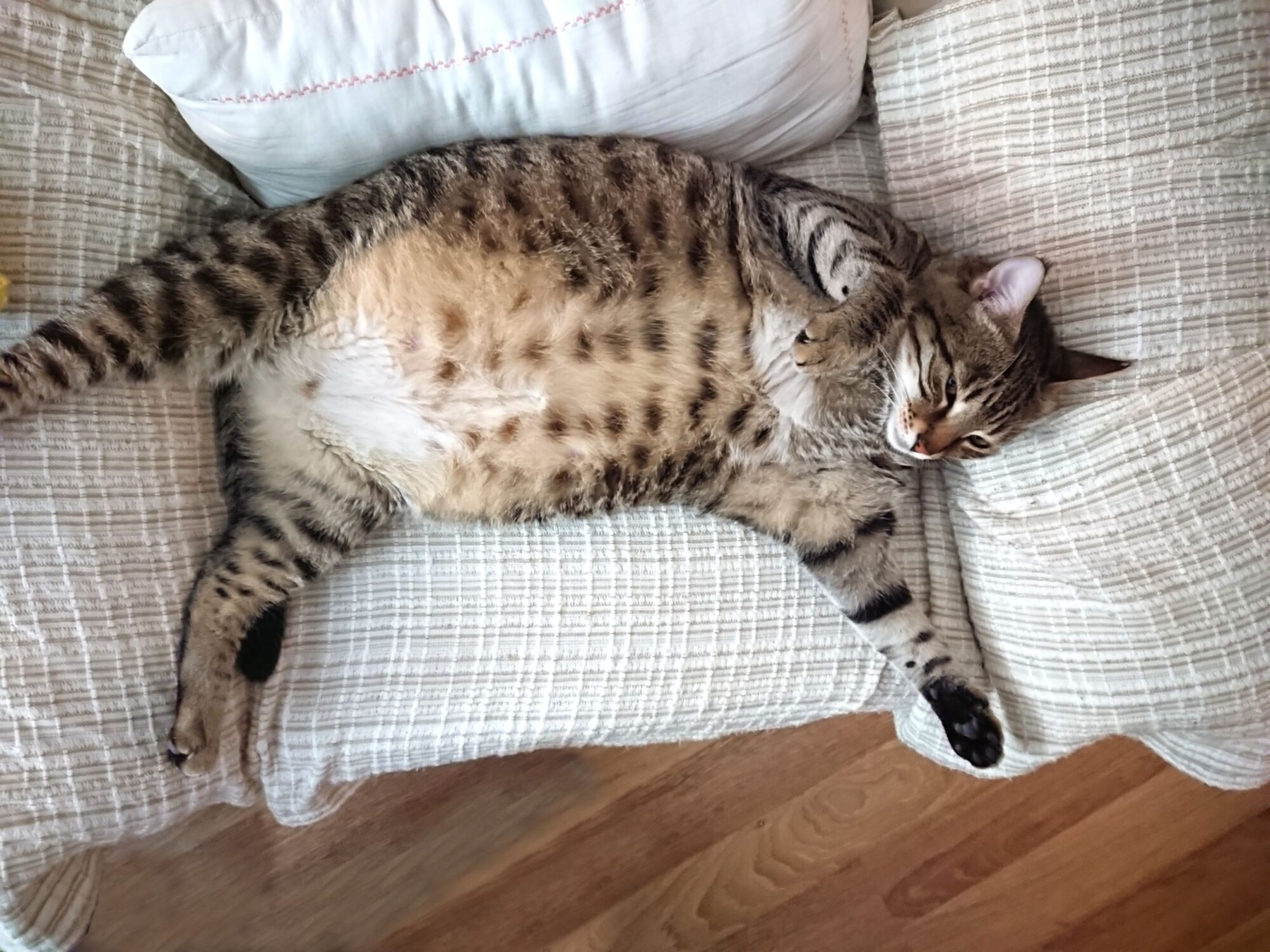
Overweight cats often struggle with mobility issues, leading to joint pain and arthritis. This limits their ability to move freely. Reduced movement can also impact their overall health, making exercise difficult.
Having an overweight cat is more than just a cosmetic concern—it significantly impacts their mobility. When a cat carries extra weight, every movement becomes more challenging. This can lead to a host of issues, from joint problems to reduced activity levels, ultimately affecting their overall quality of life. As a responsible pet owner, understanding these risks is crucial to ensuring your feline friend stays active and happy.
Joint Stress
Excess weight puts a lot of pressure on a cat's joints. Just like in humans, this stress can lead to joint pain and stiffness. Over time, your cat might develop arthritis or other joint-related issues. Imagine climbing stairs with a heavy backpack; that's how your cat feels every day. It's essential to monitor your cat’s weight and take action to prevent long-term damage to their joints.
Reduced Activity Levels
When mobility is compromised, your cat will naturally become less active. You might notice your cat no longer enjoys chasing their favorite toy or jumping up to their favorite perch. This decline in activity can lead to muscle loss and further weight gain. It’s a vicious cycle. Ask yourself, have you seen your cat lounging more than playing? Encouraging playtime with interactive toys can help, but managing their weight is key.
Pain And Discomfort
Carrying extra pounds can cause your cat significant discomfort and pain. They may struggle to groom themselves properly, leading to matted fur or skin issues. You might hear them groan or see them move slowly. If your cat seems reluctant to move, it could be a sign they're in pain. Consulting with a vet for a proper weight management plan can alleviate their discomfort and improve their quality of life. Understanding these impacts on mobility can help you take proactive steps to manage your cat’s weight. Regular vet visits, a balanced diet, and daily play can make a significant difference. Wouldn't you want your furry companion to live a long, healthy, and happy life? Taking action today can ensure they do.
Cardiovascular Challenges
Cardiovascular health is crucial for cats, just like it is for humans. Overweight cats face several cardiovascular challenges that can impact their well-being. Being overweight puts extra strain on a cat's heart and blood vessels. This can lead to serious health problems if not addressed. Understanding these challenges helps in providing better care.
Heart Disease Risk
Extra weight increases the risk of heart disease in cats. The heart works harder to pump blood through extra body fat. This can lead to heart enlargement and failure. A heavy cat may develop heart murmurs or irregular heartbeats. These conditions require veterinary attention. Regular check-ups can help catch these issues early.
High Blood Pressure
Overweight cats often suffer from high blood pressure. This condition stresses their cardiovascular system. High blood pressure can damage vital organs like the heart and kidneys. It also increases the risk of strokes. Monitoring your cat's blood pressure is important. Early intervention can prevent severe complications.
Circulatory Issues
Extra weight can affect blood flow in cats. Poor circulation may cause cold paws or ears. It can also lead to blood clots. Clots can be life-threatening if they reach vital organs. Maintaining a healthy weight helps ensure proper circulation. This improves overall health and longevity for your cat.
Diabetes And Metabolic Disorders
An overweight cat faces health risks like diabetes and heart disease. Excess weight can lead to joint problems. Obesity in cats often results in reduced lifespan.
Carrying extra weight is not just about appearance; it's a serious health matter for cats. Overweight cats are at a higher risk of developing diabetes and other metabolic disorders. As a cat owner, it's crucial to understand these risks and take steps to prevent them. Let's dive into the specifics of how obesity can lead to diabetes in cats and what signs you should watch for.
Insulin Resistance
Excess weight can cause your cat's body to become resistant to insulin. Insulin is a hormone that helps regulate blood sugar levels. When your cat's cells don't respond well to insulin, it can lead to increased blood sugar levels. This condition, known as insulin resistance, is a precursor to diabetes. It's like your cat's body is ignoring the signals to keep blood sugar in check. This can be dangerous and requires attention.
Glucose Regulation Problems
When a cat is overweight, glucose regulation becomes a challenge. The body struggles to balance blood sugar levels, leading to fluctuations. These fluctuations can cause stress on your cat's organs, particularly the pancreas. The pancreas is responsible for producing insulin, and when it's overworked, it can fail. This failure often results in the onset of diabetes. Keeping your cat's weight in check can help maintain stable glucose levels.
Signs Of Diabetes In Cats
Recognizing the signs of diabetes early can make a big difference. Common symptoms include increased thirst and frequent urination. You might notice your cat drinking more water than usual or needing the litter box more often. Weight loss despite a good appetite is another red flag. This can be confusing, but it happens because your cat's body can't use glucose properly. If you spot these signs, it's time to consult your vet. Have you ever noticed your cat showing any of these symptoms? If so, don't wait. Early detection can lead to better management of the condition and improve your cat's quality of life. Taking proactive steps to manage your cat's weight can prevent these serious health issues. A balanced diet and regular exercise are key. What changes can you make today to ensure your cat stays healthy and active? It's never too late to start making a positive impact on your furry friend's life.
Respiratory Complications
Overweight cats often face serious respiratory complications. Extra body weight puts pressure on their chest and lungs. This can lead to several health issues affecting their breathing. Understanding these complications helps in preventing severe health problems. Below, we explore some common respiratory issues in overweight cats.
Breathing Difficulties
Overweight cats often struggle with breathing. Excess fat around the chest makes it hard for them to breathe easily. This can lead to rapid, shallow breaths. Over time, these breathing difficulties can worsen, causing distress and discomfort. Monitoring a cat's breathing is important for early detection.
Sleep Apnea In Cats
Sleep apnea is not just a human problem. Overweight cats can suffer too. This condition causes them to stop breathing for short periods during sleep. It results in poor sleep quality and daytime tiredness. Sleep apnea can also put extra strain on their heart. Regular vet check-ups can help in managing this condition.
Impact On Lung Health
Extra weight can harm a cat's lung health. It reduces lung capacity, affecting oxygen intake. This can lead to chronic respiratory issues. Maintaining a healthy weight is crucial for lung health. It helps in ensuring a better quality of life for your feline friend.
Liver And Kidney Issues
Excess weight in cats can lead to liver and kidney problems. These organs struggle with processing extra fat and toxins. Cats face increased risk of fatty liver disease and kidney dysfunction, impacting overall health.
Cats that carry extra weight often face serious health risks. Their liver and kidneys, vital organs, may suffer due to obesity. These organs play crucial roles in maintaining a cat's health. Understanding the specific issues related to liver and kidney health can help cat owners take preventive measures.
Fatty Liver Disease
Fatty liver disease is common in overweight cats. Extra fat in the body deposits in the liver. This buildup can lead to liver dysfunction. Without proper liver function, a cat cannot process nutrients well. The liver also struggles to filter toxins. This condition can rapidly become life-threatening. Regular vet checks can help catch early signs.
Kidney Stress
Excess weight puts stress on a cat's kidneys. They work harder to filter waste products. Over time, this stress can lead to kidney damage. Cats with stressed kidneys may drink and urinate more. These symptoms often go unnoticed until the damage is severe. Monitoring your cat’s weight can reduce kidney stress.
Detoxification Challenges
An overweight cat faces detoxification challenges. The liver and kidneys remove toxins from the body. Extra weight can impair these functions. When detoxification slows, toxins can build up. This can affect a cat's overall health and energy. A balanced diet helps support these organs. Regular exercise also aids detoxification.
Skin And Coat Problems
Is your cat carrying a few extra pounds? You might not realize it, but an overweight cat faces numerous health challenges, particularly when it comes to its skin and coat. These issues can go beyond the surface, affecting your feline friend’s overall well-being. Let’s dive into the specifics of how extra weight can lead to skin and coat problems in cats.
Skin Irritation
Excess weight can lead to skin irritation in cats. When a cat is overweight, skin folds may develop, creating areas where moisture and bacteria can accumulate. These folds are prone to irritation and can become uncomfortable for your pet.
Have you noticed your cat scratching more than usual? This might be a sign of skin irritation. Keeping an eye on such behavior can help you catch and address these issues early. Regular checks and a healthy weight can prevent these painful irritations.
Fur Maintenance Difficulties
Maintaining a cat’s coat is crucial for its health and appearance. Overweight cats often struggle with grooming themselves effectively. Their inability to reach certain areas can lead to mats and tangles, which can become painful.
Imagine feeling helpless as your cat struggles to clean its fur. This difficulty not only affects your pet's appearance but also its comfort. Helping your cat maintain a healthy weight can make grooming less of a hassle and more of a daily routine.
Increased Risk Of Infections
Skin and coat issues in overweight cats can lead to infections. When grooming is compromised, the natural oils and dirt can build up, inviting bacteria and infections. These infections can become serious if not treated promptly.
Would you want your pet to suffer from an avoidable infection? Keeping your cat at a healthy weight can significantly reduce the risk of skin infections. Regular vet visits and proper care can help keep these infections at bay.
Addressing your cat’s weight isn't just about the number on the scale. It’s about ensuring a happier and healthier life for your beloved pet. Are you ready to make the changes necessary for your cat's well-being?
Behavioral And Psychological Effects
Overweight cats often experience behavioral changes like decreased playfulness and increased irritability. They may also suffer from psychological issues such as stress and anxiety, which can lead to further health complications.
When we think about the health risks of an overweight cat, we often focus on the physical aspects. However, the behavioral and psychological effects are just as important. Cats, much like humans, can experience emotional changes due to weight issues. These changes can significantly impact their overall well-being, making it crucial for you to understand and address them.
Depression And Anxiety
Overweight cats may exhibit signs of depression and anxiety. Have you noticed your cat hiding more often or showing less interest in play? These are common signs of anxiety and depression in felines. Just like people, cats can feel down when they can't move comfortably or play like they used to. This lack of activity can lead to a cycle of weight gain and emotional distress.
Changes In Social Behavior
An overweight cat might change its social behavior. Cats are naturally curious and social creatures, yet excess weight can make them less inclined to interact. They might shy away from other pets or avoid your touch. When my cat gained weight, she stopped greeting me at the door, which was out of character for her. This change in behavior can be heartbreaking and can strain the bond between you and your pet.
Impact On Quality Of Life
Excess weight can severely impact a cat's quality of life. Imagine how it feels not to be able to jump onto your favorite spot or chase a feather toy. An overweight cat may find everyday tasks exhausting, leading to a less fulfilling life. This can also result in fewer years with your furry friend, as obesity is linked to a shorter lifespan. Is your cat showing any signs of these behavioral changes? Taking notice early can help you take action. Helping your cat lose weight isn't just about physical health; it's about ensuring they live a happy and active life. Regular vet check-ups and a suitable diet plan are essential steps in the right direction. How will you improve your cat's life today?
Preventive Measures
Overweight cats face serious health risks like diabetes, arthritis, and heart disease. Regular vet check-ups and a balanced diet are crucial. Encourage playtime to maintain a healthy weight and prevent complications.
Preventing obesity in cats is key to their long-term health. Overweight cats face many health risks. Implementing preventive measures ensures they lead healthier lives. Here’s how you can help your cat maintain a healthy weight.
Balanced Diet Recommendations
Choose high-quality cat food. It should be rich in protein but low in calories. Avoid excessive treats. They add unnecessary calories. Measure food portions carefully. Follow the guidelines on the food package. Consult your vet for personalized diet advice. They can recommend the best options for your cat.
Exercise Routines For Cats
Regular physical activity is crucial. Engage your cat in play daily. Use toys like feather wands or laser pointers. Encourage climbing with cat trees. These activities keep cats active and healthy. You can also create obstacle courses at home. Rotate toys to keep your cat interested.
Regular Health Check-ups
Visit the vet for regular check-ups. These help monitor your cat's weight. Early detection of weight gain prevents health issues. Your vet can adjust the diet plan as needed. They also assess other health factors. Vaccinations and dental care are equally important. Regular vet visits are a cornerstone of your cat's health.
Credit: www.harpethhillsvet.com
Frequently Asked Questions
What Are Common Health Issues In Overweight Cats?
Overweight cats can suffer from diabetes, arthritis, and heart disease. Their weight strains joints and organs. This increases the risk of liver disease and urinary tract infections. Regular vet check-ups and a balanced diet can help prevent these issues.
How Does Obesity Affect A Cat's Lifespan?
Obesity can significantly shorten a cat's lifespan by two to five years. Overweight cats face higher risks of diabetes, heart disease, and mobility issues. A healthy weight can improve their quality of life and longevity.
Can Being Overweight Cause Diabetes In Cats?
Yes, overweight cats are at a higher risk of developing diabetes. Excess body fat affects insulin production and usage. Managing your cat's weight can reduce the risk of diabetes and improve overall health.
How Can Weight Impact A Cat's Mobility?
Excess weight puts stress on a cat's joints, leading to arthritis. This makes movement painful and difficult. Maintaining a healthy weight can improve mobility and reduce the risk of joint problems.
Conclusion
Caring for an overweight cat involves understanding the risks involved. Obesity can lead to serious health issues. Diabetes, heart disease, and joint problems are common. Regular check-ups with the vet are crucial. A balanced diet and exercise are essential for your cat's health.
Watching your cat’s weight can prevent many diseases. Make sure your cat lives a happy, healthy life. Small changes can make a big difference. Start with a few minutes of play each day. Choose healthier food options. Remember, your cat depends on you for its well-being.
Keep your feline friend healthy and full of energy.