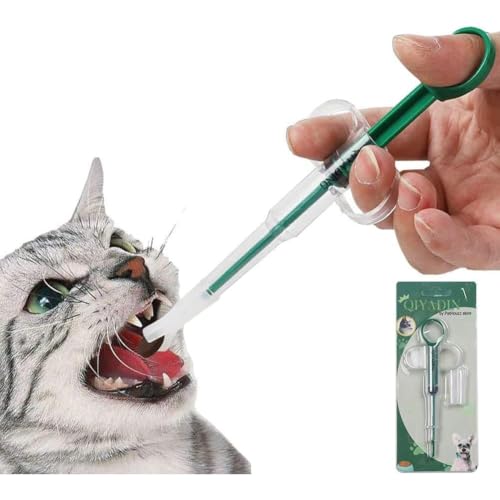
Are you worried about your cat's dental health? You're not alone.
Many cat owners overlook the importance of maintaining their feline friend's teeth, which can lead to serious health issues. Imagine your cat living a longer, happier life just by taking a few simple steps to care for their teeth. You'll discover effective strategies to improve your cat's tooth health, ensuring they stay healthy and full of energy.
If you've ever wondered what you can do to prevent painful dental problems for your pet, keep reading. You'll find practical tips that will make a real difference in your cat's life.

Credit: www.amazon.com
Dietary Considerations
Understanding the dietary needs of your cat is crucial for maintaining its oral health. Cats require specific nutrients to keep their teeth strong and healthy. Ensuring your feline friend receives the right diet can prevent dental problems, enhance their overall well-being, and contribute to a happy life. Let's explore how balanced nutrition and dental-friendly foods play a role in improving cat tooth health.
Balanced Nutrition
A balanced diet supports your cat's dental health. Include proteins, vitamins, and minerals. These nutrients strengthen teeth and gums. Taurine is essential for cats. It helps maintain dental health. Calcium is another important element. It supports strong teeth. Ensure your cat's diet includes these vital nutrients. Check labels for quality ingredients. Avoid fillers or artificial additives. They can harm your cat's teeth. Feed your cat a diet rich in whole foods.
Dental-friendly Foods
Certain foods help clean your cat's teeth. Dry kibble is beneficial. It reduces plaque buildup. Crunchy textures scrape away food particles. Raw meat also supports dental health. It mimics a natural diet. Incorporate raw bones for chewing. They aid in cleaning teeth naturally. Avoid sticky foods. They can get stuck and cause decay. Choose dental treats that promote oral hygiene. They are specially formulated for this purpose. Regularly offer these to your cat. They help keep their teeth clean and healthy.
Regular Dental Check-ups
Regular dental check-ups are vital for your cat's oral health. Cats can hide their dental problems well. This makes routine vet visits essential to catch issues early. Ensuring your cat's teeth are in good condition helps avoid pain and serious health problems.
Frequency Of Vet Visits
Visit the vet at least once a year for a dental check. Older cats or those with known issues may need more frequent visits. A professional can spot problems before they become serious. This proactive approach helps maintain your cat's overall health.
Signs Of Dental Issues
Watch for signs of dental problems in your cat. Bad breath could indicate dental disease. Drooling and difficulty eating are also warning signs. If your cat paws at their mouth, it might be in pain. These symptoms warrant a vet visit for a check-up.
Home Dental Care
Improve your cat's tooth health by incorporating daily brushing into their routine. Offer dental treats designed to clean teeth and gums. Regular vet check-ups help catch early dental issues, ensuring your feline's smile stays healthy.
Caring for your cat's teeth at home is crucial for their overall health and happiness. Just like humans, cats can suffer from dental issues like plaque buildup, gum disease, and tooth decay. By implementing a regular dental care routine, you can help prevent these problems. Are you ready to improve your cat's oral health with some simple yet effective home care tips? Let's dive in.
Brushing Techniques
Brushing your cat's teeth might sound challenging, but it's one of the most effective ways to maintain dental health. Start by getting a cat-friendly toothbrush and toothpaste. Human toothpaste can be harmful to cats, so always choose one that's specifically formulated for them. Begin by gently introducing the toothbrush to your cat. Let them sniff and get used to it before attempting to brush. Once they're comfortable, lift their lips and gently brush their teeth in a circular motion. Aim for a few seconds at first, gradually increasing the time as they become more accustomed. Consistency is key. Try to brush your cat's teeth at least twice a week. It might take a bit of patience, but the results are worth it. How often do you check your cat’s teeth?
Dental Treats And Toys
Dental treats and toys can be a great addition to your cat's oral care routine. These products are designed to help reduce plaque and tartar buildup while also providing entertainment. Look for treats that have a crunchy texture, as they can help scrub away plaque. Some treats even contain ingredients that promote oral health. Always check the label to ensure they are suitable for your cat's dietary needs. Dental toys are another excellent option. Toys with textured surfaces can help clean your cat's teeth as they play. My own cat, Whiskers, loves her rubber chew toy. Not only does it keep her entertained, but it also helps keep her teeth in check. Have you tried dental toys for your furry friend yet? Incorporating these home dental care tips can significantly improve your cat's tooth health. You might be surprised at how simple changes can make a big difference. What's your next step in your cat's dental care journey?
Identifying Dental Problems
Cat dental health is crucial for their overall well-being. Identifying dental problems early can prevent severe health issues. Cats often hide their discomfort, making it hard to detect dental issues. Observing your cat's behavior and appearance is vital. This section helps you recognize common dental problems in cats.
Common Symptoms
Watch for changes in your cat's eating habits. If they avoid dry food or chew on one side, it could indicate dental pain. Bad breath is another tell-tale sign. It often signals gum disease or tooth decay. Drooling or pawing at the mouth can suggest discomfort. Check for red, swollen gums or visible tartar buildup. These are signs of dental disease. Weight loss could also be a symptom. Cats with mouth pain might eat less, leading to weight loss.
When To Seek Professional Help
Contact your veterinarian if you notice any of these symptoms. Early intervention is key to preventing more serious issues. Regular dental check-ups are essential for maintaining cat tooth health. Your vet can provide professional cleaning and advice. They can also detect problems that aren't visible at home. Don't wait for symptoms to worsen before seeking help. Timely professional help ensures your cat's long-term health.
Preventive Measures
Ensure your cat's teeth stay healthy with regular brushing and dental check-ups. Provide dental-friendly toys to help clean teeth. A balanced diet also supports oral health.
Maintaining your cat's dental health is crucial for their overall well-being. Many cat owners overlook this aspect, but preventive measures can save your furry friend from discomfort and expensive vet visits. Let's dive into some effective strategies to keep those feline teeth in tip-top shape.
Regular Cleaning Routine
Establishing a regular cleaning routine for your cat's teeth can make a world of difference. Start by gently introducing your cat to the sensation of having their teeth brushed. You might find it easier to use a cat-specific toothbrush and toothpaste flavored like poultry or tuna. It's important to keep the experience positive. Offer treats or extra playtime afterward. Consistency is key—aim for brushing their teeth at least two to three times a week. This routine can help prevent plaque buildup, which is a leading cause of dental disease in cats.
Avoiding Harmful Habits
Certain habits can be detrimental to your cat's dental health. For instance, feeding your cat only soft food may contribute to plaque accumulation. Consider incorporating dry kibble or dental-specific treats that help clean their teeth as they chew. Also, be mindful of the toys you offer. Hard toys can damage teeth if your cat bites down too aggressively. Opt for softer toys that still satisfy their playful instincts without risking dental injury. Have you ever thought about how your cat's dental health affects their overall happiness? By taking these preventive steps, you can ensure your feline companion stays healthy and happy. Start with small changes, and you'll notice a big improvement in their quality of life.
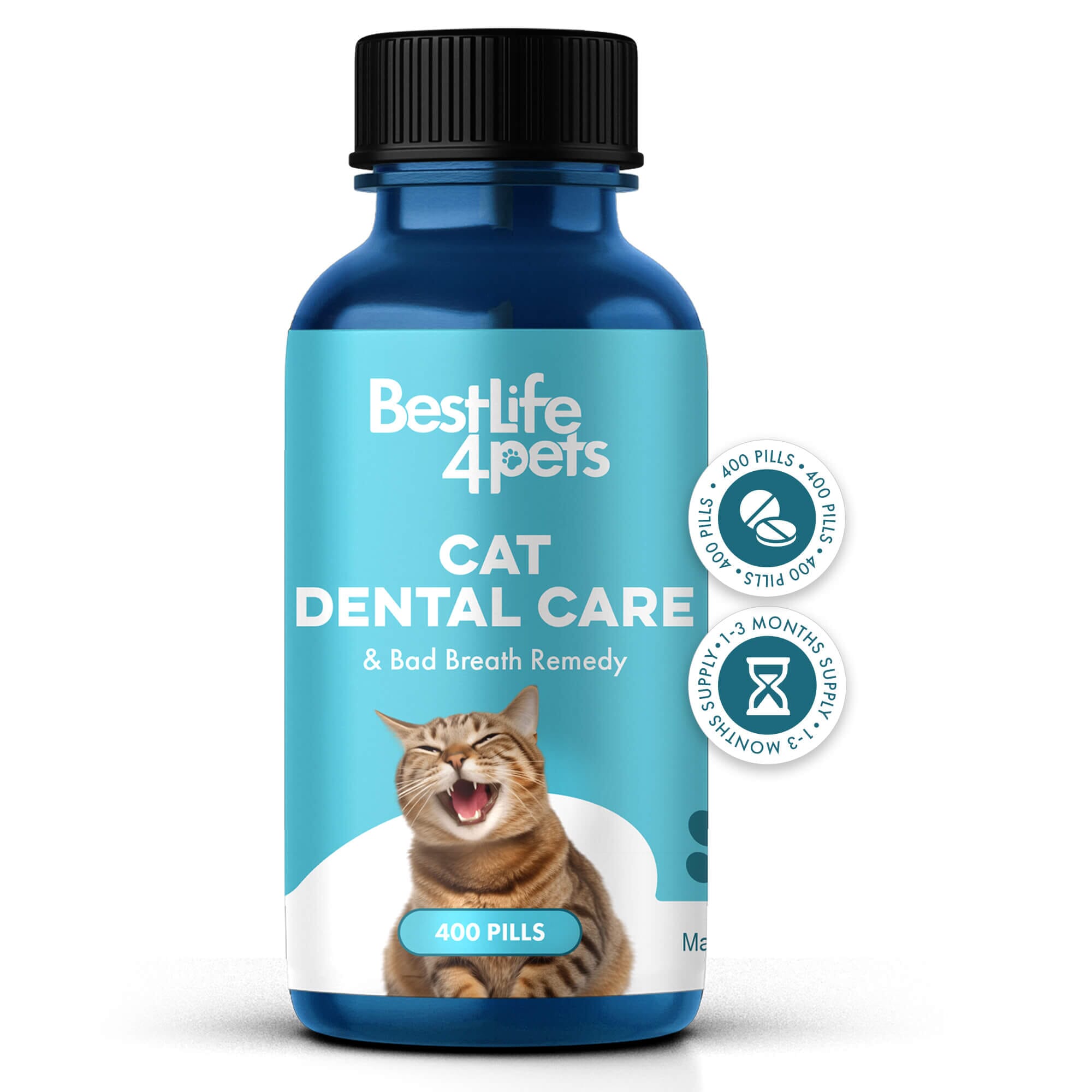
Credit: www.bestlife4pets.com
Role Of Hydration
Ensuring proper hydration is crucial for your cat's tooth health. Water plays a vital role in maintaining oral hygiene. It helps in washing away food particles and bacteria. Hydration can prevent tooth decay and gum disease. Let's explore how water benefits your cat's teeth.
Benefits Of Water
Water helps cleanse the mouth. It rinses away leftover food bits after meals. Hydration reduces plaque build-up. Less plaque means healthier teeth. Water refreshes the gums, reducing irritation. Well-hydrated gums are less prone to inflammation.
Proper hydration supports saliva production. Saliva protects teeth by neutralizing acids. It also contains enzymes that fight bacteria. This helps keep your cat's mouth healthy. Water is a natural defense against dental issues.
Encouraging Hydration
Ensure fresh water is always available. Cats prefer clean and cool water. Use a pet fountain to attract them. Moving water can be more enticing. Check and refill their bowls regularly.
Offer wet food to increase moisture intake. Wet food contains high water content. It helps keep your cat hydrated. Mix dry food with water if needed. This can encourage them to drink more.
Monitor your cat's drinking habits. Adjust their environment if necessary. Place water bowls in quiet areas. Avoid placing them near litter boxes. This promotes regular drinking and better tooth health.
Choosing Dental Products
Improve your cat's tooth health with the right dental products. Choose cat-friendly toothbrushes and toothpaste. Regular brushing helps prevent plaque and tartar buildup. Look for products that are safe and easy to use. Keep your feline's teeth clean and healthy for a happy pet.
Choosing the right dental products for your cat can make a significant difference in maintaining their oral health. Just like humans, cats need proper dental care to prevent issues like tartar buildup and gum disease. But with so many options on the market, how do you decide what's best? By focusing on safe and effective products, you can ensure your feline friend enjoys a healthier mouth and happier life.
Safe Toothpaste Options
Not all toothpaste is created equal, especially when it comes to our furry companions. You can't use human toothpaste for cats; the fluoride and other ingredients can be harmful. Instead, look for cat-specific toothpaste, which is safe if swallowed. Flavors like chicken or fish can make brushing more appealing for your cat. This turns the task from a struggle into a treat. What flavor does your cat love?
Effective Dental Tools
The right tools make all the difference in maintaining your cat's oral health. A cat toothbrush has soft bristles designed to clean teeth without irritating gums. Finger brushes can be a great option if your cat is not comfortable with a traditional toothbrush. Consider dental wipes if your cat resists all forms of brushing. They offer a quick and easy way to clean teeth and gums. Have you tried these alternatives yet? Using dental toys can also help in reducing tartar and plaque. These toys are designed to clean teeth as your cat chews on them. Which dental tool will you try first? Choosing the right dental products is more than just a purchase; it's an investment in your cat's health. With the right toothpaste and tools, you can make dental care a breeze. After all, who wouldn't want to see their cat flash a healthy, happy smile?
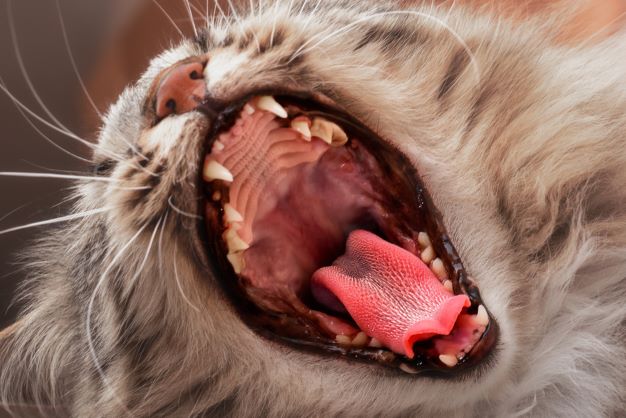
Credit: www.rvc.ac.uk
Frequently Asked Questions
How Often Should I Brush My Cat's Teeth?
Brushing your cat's teeth daily is ideal for maintaining oral health. If that's not possible, aim for at least three times a week. Regular brushing helps prevent plaque buildup and reduces the risk of dental diseases.
What Are Signs Of Dental Issues In Cats?
Common signs include bad breath, difficulty eating, drooling, and pawing at the mouth. You might also notice red, swollen gums or tooth discoloration. If you observe any of these symptoms, consult your veterinarian promptly for assessment.
Can Diet Improve My Cat's Tooth Health?
Yes, a balanced diet can support dental health. Feeding your cat specially formulated dental diets or treats can help reduce plaque. Additionally, ensure your cat has access to plenty of water, which aids in oral hygiene.
Are Dental Check-ups Necessary For Cats?
Regular dental check-ups are crucial for cats' oral health. Veterinarians can spot issues early and provide professional cleanings. Annual dental exams are recommended to prevent and treat potential dental problems effectively.
Conclusion
Healthy teeth keep your cat happy and active. Regular check-ups help prevent problems. Use cat-friendly toothpaste for brushing. Offer dental treats they enjoy. These steps protect their dental health. Cats need clean teeth for chewing and playing. Keep an eye on any changes in behavior.
Consult your vet for professional advice. Start today to improve their quality of life. Your cat deserves a healthy smile. Simple habits make a big difference. Take action now for lifelong benefits.