Imagine a world where your feline friend thrives with vitality and vigor, thanks to a simple addition to their diet. You've heard about vitamin C and its magical immune-boosting powers for humans, but can it offer the same benefits to your beloved cat?
As a caring pet owner, you're always looking for ways to enhance your cat's health and ensure they live a long, happy life. Your curiosity might lead you to ask: does vitamin C support cats' immune health? This question is more than just a passing thought; it's a key to unlocking potential wellness for your furry companion.
Stick around as we dive into the science, debunk myths, and uncover truths that could transform your cat's wellbeing.
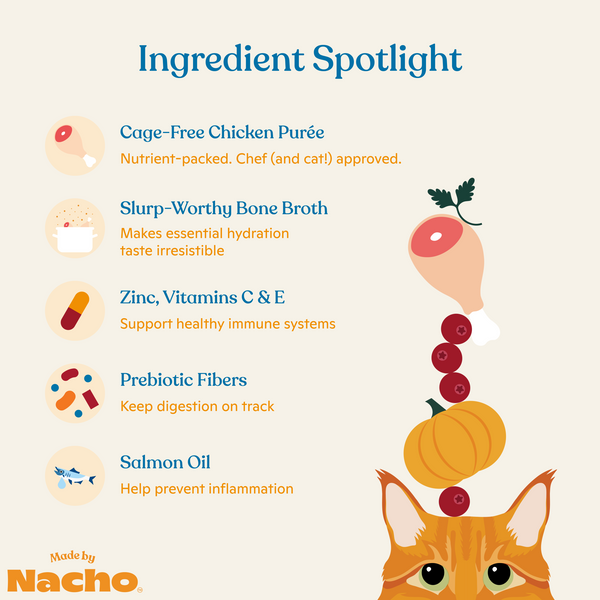
Credit: madebynacho.com
Vitamin C And Cat Physiology
Understanding Vitamin C and cat physiology helps support feline immune health. Cats have unique biological processes different from humans. Knowing how Vitamin C works in their bodies is key.
Natural Synthesis In Cats
Cats can produce their own Vitamin C. This synthesis occurs in their liver. Unlike humans, they do not need dietary Vitamin C. Their bodies efficiently make the required amount. This natural ability protects them from deficiencies. It ensures their immune system stays strong.
Role Of Vitamin C In Feline Biology
Vitamin C plays a vital role in feline health. It helps with collagen formation, crucial for skin and bones. This vitamin aids in wound healing, keeping cats active. It functions as an antioxidant, fighting free radicals in their bodies. This defense mechanism supports the immune system. It ensures overall well-being and longevity.
Immune System Function In Cats
Vitamin C may aid in boosting a cat's immune system by acting as an antioxidant. It helps fight off harmful free radicals. Maintaining a balanced diet ensures proper immune function in cats.
Understanding the immune system function in cats is crucial for ensuring their overall well-being. Just like humans, cats have a complex network of cells and tissues that work tirelessly to protect them from diseases. But how exactly does this immune system work, and what role, if any, does Vitamin C play in supporting it?
Components Of Feline Immunity
The feline immune system is composed of several key components, each playing a vital role in defending against pathogens. White blood cells are the frontline warriors, attacking viruses and bacteria that invade your cat's body. Lymph nodes and the spleen act as checkpoints, filtering harmful substances from the blood. Cats also have a skin barrier and mucous membranes that serve as the first line of defense. These physical barriers prevent many pathogens from entering the body in the first place. Understanding these components can help you appreciate how resilient your feline friend is against infections.
Common Immune Challenges
Cats face various immune challenges that can impact their health. Feline Immunodeficiency Virus (FIV) and Feline Leukemia Virus (FeLV) are among the more serious threats that compromise the immune system. These viruses weaken the immune response, making cats more susceptible to other infections. Everyday stressors, like changes in environment or diet, can also affect your cat's immunity. Have you ever noticed your cat getting sick after a big move or a change in their routine? Stress can weaken their immune defense, leaving them vulnerable to illnesses. So, does Vitamin C hold the key to bolstering your cat's immune health? While cats produce their own Vitamin C, additional support might be beneficial in certain situations. Always consult with your vet to determine the best approach for your pet's unique needs.
Vitamin C's Impact On Immunity
Vitamin C is often celebrated for its role in supporting the immune system in humans, but what about cats? You might be surprised to learn that while cats produce Vitamin C naturally, there are still discussions about whether additional Vitamin C can bolster their immune health. Understanding how Vitamin C impacts immunity can help you make informed decisions about your feline friend's health.
Antioxidant Properties
Vitamin C is a powerful antioxidant. Antioxidants are substances that can prevent or slow damage to cells caused by free radicals, which are harmful molecules produced when your pet’s body breaks down food or is exposed to radiation and tobacco smoke. This means Vitamin C can help protect your cat's cells from damage, potentially enhancing their overall health.
Have you noticed your cat recovering slowly from minor injuries or infections? It might be worth considering if their antioxidant intake is sufficient. By safeguarding cells, Vitamin C might aid in quicker recovery times.
Potential Benefits In Immunity
While cats synthesize their own Vitamin C, additional Vitamin C might still offer immune support. This can be particularly true for older cats or those with certain health conditions. Ensuring your cat has adequate Vitamin C could potentially reduce the frequency and severity of illnesses.
Consider the case of my neighbor's senior cat, Whiskers. After consulting with a vet, they decided to add a small amount of Vitamin C to Whiskers' diet. They noticed a decrease in his seasonal respiratory issues.
Do you think your cat could benefit from a stronger immune system? It’s crucial to have a conversation with your veterinarian before making any dietary changes. They can provide guidance tailored to your cat’s specific health needs.
Remember, while supplements can be beneficial, they are not a substitute for a balanced diet. Always prioritize a well-rounded nutritional plan for your furry companion.

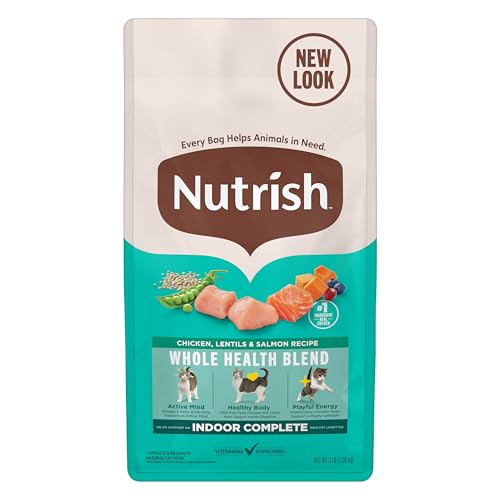
Credit: www.walmart.com
Research On Vitamin C For Cats
Vitamin C is essential for humans, but what about cats? Research on vitamin C for cats has gained interest in recent years. This research explores if vitamin C can enhance a cat's immune health. The findings could change how we understand feline nutrition. Let's delve into some studies and findings.
Studies On Supplementation
Several studies have examined vitamin C supplementation in cats. Researchers focus on how it affects health. One study explored vitamin C's role in reducing oxidative stress. The results showed potential benefits for aging cats. Another study investigated vitamin C's impact on recovery from illness. Cats receiving supplements showed faster recovery. These studies suggest vitamin C might aid feline health.
Findings On Immune Support
Research findings highlight vitamin C's effect on immune support. Cats with supplemented diets showed improved immune responses. This could mean better defense against infections. One study found cats had fewer respiratory infections with vitamin C. Another noted enhanced white blood cell activity. These results indicate vitamin C's potential in boosting immunity. Yet, more research is needed to confirm these effects.
Considerations For Cat Owners
Cats may benefit from Vitamin C for immune health. This nutrient supports their body's defense system. Ensure proper dosage to avoid harm. Consult a vet for tailored advice.
As a cat owner, you might wonder if supplementing your feline friend's diet with Vitamin C is beneficial. While Vitamin C is renowned for boosting human immune systems, its role in cat health is not as straightforward. Before you make any changes to your cat's diet, it's crucial to weigh certain considerations.
Risks Of Over-supplementation
Too much of a good thing can be harmful, and Vitamin C is no exception for cats. Over-supplementation can lead to health issues like kidney stones or gastrointestinal upset. Cats naturally produce Vitamin C in their bodies, so additional supplements might not be necessary. Have you ever noticed your cat acting differently after introducing new supplements? It's essential to observe any unusual behavior or symptoms. Keep an eye on their litter box habits and any changes in appetite or energy levels.
Consulting Veterinarians
Before you add any supplements to your cat's diet, it's wise to consult your veterinarian. They can provide insights based on your cat's specific health needs and medical history. Vets can also run tests to determine if your cat is deficient in any nutrients. You might be tempted to rely on online advice or anecdotal success stories. However, a vet's expertise is invaluable in avoiding potential pitfalls. Have you ever thought about how a simple consultation could prevent future health issues? Understanding your cat's nutritional needs can help you make informed decisions. With the right guidance, you can ensure your feline companion stays healthy and happy.

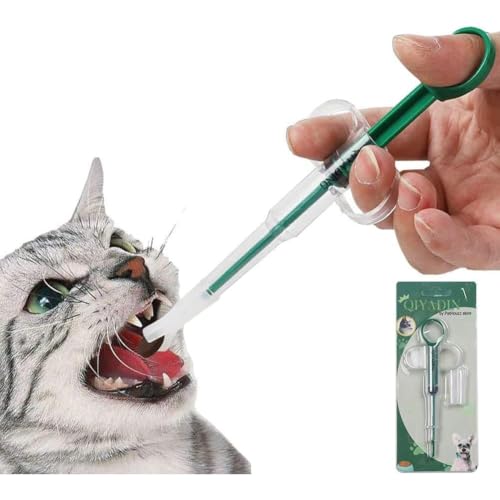
Credit: www.amazon.com
Alternative Immune Support Methods
Alternative immune support methods can boost your cat's health effectively. Exploring natural methods ensures a balanced approach to wellness. This section provides insights into dietary adjustments and lifestyle enhancements. These strategies can enhance your cat's immune function.
Dietary Adjustments
Diet plays a crucial role in a cat's immune system. Providing a balanced diet can strengthen their defenses. Consider foods rich in omega-3 fatty acids. Fish oils and flaxseeds are excellent sources. These nutrients support cellular health and reduce inflammation. Probiotics are beneficial too. They improve gut health and boost immunity. Yogurt or specialized supplements can deliver these benefits. Always choose high-quality cat food. Look for essential vitamins and minerals.
Lifestyle Enhancements
Environment impacts your cat's immune health significantly. Ensure they have a clean, stress-free space. Regular exercise is vital for their well-being. It keeps their body active and healthy. Interactive toys can encourage movement and mental stimulation. Mental health is as important as physical health. Spend quality time with your cat daily. Grooming sessions can also be beneficial. They reduce stress and enhance bonding.
Frequently Asked Questions
Can Cats Benefit From Vitamin C Supplements?
Cats typically produce their own Vitamin C, making supplements unnecessary. However, in specific health conditions, a vet may recommend it. Always consult your veterinarian before adding any supplements to your cat's diet to ensure safety and proper dosage.
How Does Vitamin C Support A Cat's Immune System?
Vitamin C acts as an antioxidant, helping to fight free radicals in a cat's body. This can support a healthier immune system by reducing oxidative stress. Nonetheless, cats naturally produce Vitamin C, so they usually don't need additional supplementation.
Are There Risks Of Vitamin C Overdose In Cats?
Yes, excessive Vitamin C can lead to health issues like kidney problems or gastrointestinal upset in cats. Always consult with a veterinarian before giving Vitamin C supplements to ensure the correct dosage and to avoid potential risks.
Should Sick Cats Receive Vitamin C Supplements?
In some cases, sick cats may benefit from Vitamin C supplements. However, this should only be done under veterinary guidance. The vet can assess the cat's condition and determine if supplementation is necessary for recovery.
Conclusion
Vitamin C plays a role in supporting cats' immune health. It helps fight off infections. Cats' bodies produce their own Vitamin C, but supplements can be beneficial. Proper dosage is essential for effectiveness. Consult a vet before adding supplements. Overuse may lead to health issues.
Balanced diet remains crucial for overall health. Vitamin C can be part of that balance. Cats thrive with care and attention. Their immune health depends on your choices. Always prioritize their well-being. Aim for a healthy, happy feline friend. Your cat deserves the best care possible.