Do you ever find yourself charmed by those adorable tufts of fur sprouting from a cat's ears? These ear tufts are more than just cute; they're a signature feature of some of the most enchanting cat breeds.
Whether you're a cat lover or considering adding a new feline friend to your home, understanding which breeds sport these delightful features can enrich your journey. As you delve into the world of ear-tufted cats, you'll discover not just their beauty, but also their unique personalities and traits.
Stay with us as we unveil the mystery of what cat breeds have ear tufts and why they might just be the perfect companion for you.
Credit: americanpaws.club
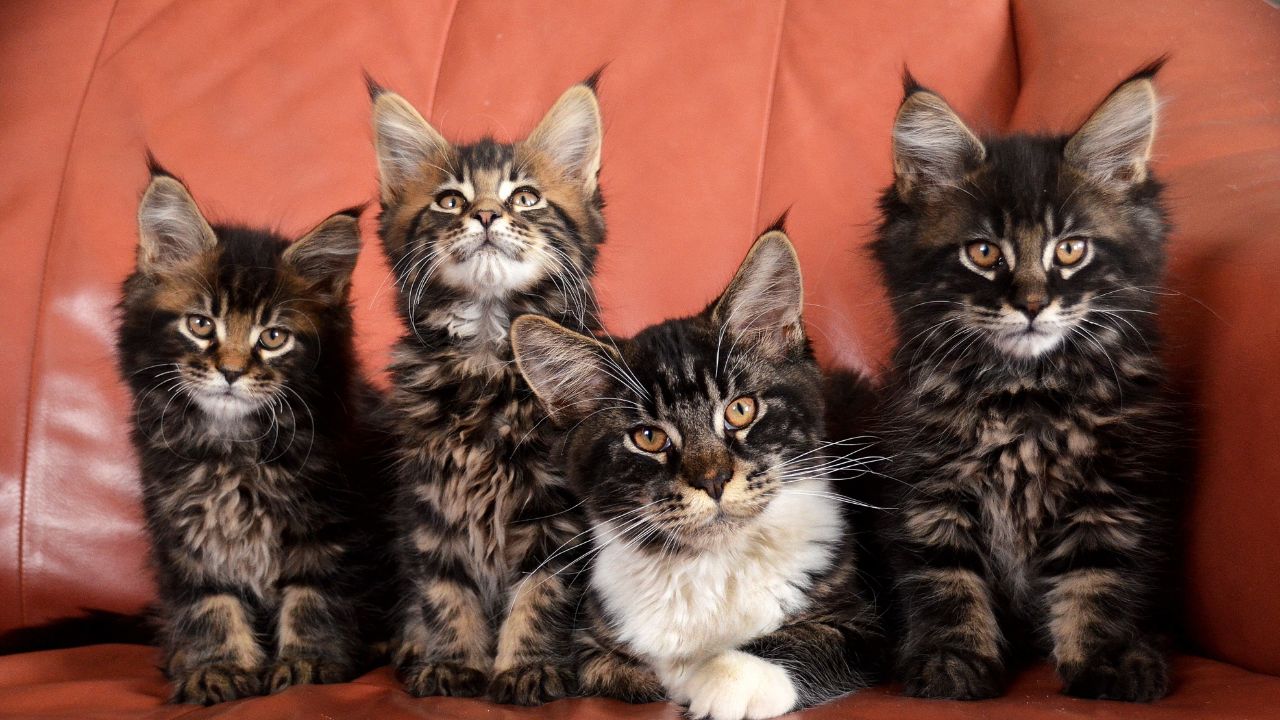
Maine Coon
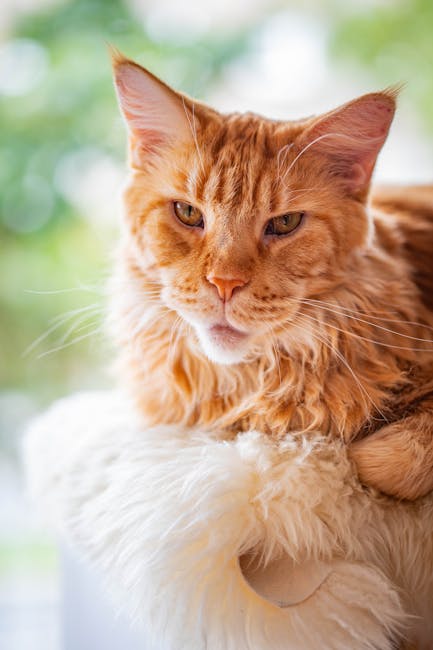
The Maine Coon is a beloved cat breed known for its grandeur. Famous for their large size and tufted ears, these cats captivate many. Their gentle nature and playful demeanor make them ideal companions. Let's explore what makes the Maine Coon unique.
History And Origin
The Maine Coon hails from North America. It is one of the oldest natural breeds. Its name comes from the state of Maine, USA. Many believe they descended from seafaring cats. Others think they came from royal European cats. Legends add mystery to their origin.
Distinctive Features
Maine Coons are large and robust. They can weigh up to 18 pounds. Their ears have distinctive tufts, a signature trait. They possess a thick, water-repellent coat. This helps them withstand harsh winters. Their bushy tail is long and flowing. They have a friendly and expressive face.
Personality Traits
Maine Coons are affectionate and sociable. They enjoy being around people. Their playful nature makes them great with children. These cats are known for their intelligence. They often learn tricks easily. Despite their size, they are gentle and loving. They adapt well to different environments.
Credit: www.catster.com
Norwegian Forest Cat
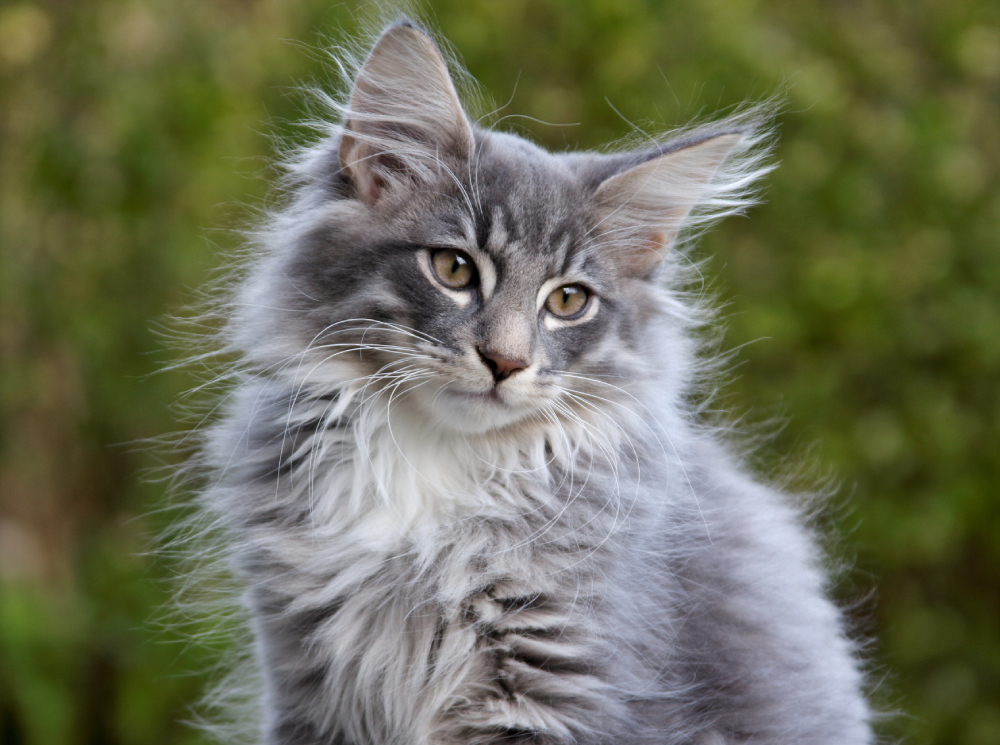
Norwegian Forest Cats, known for their majestic ear tufts, are a popular breed with a distinctive appearance. These ear tufts give them a wild look, reminiscent of their natural Scandinavian habitat. Perfectly adapted to cold climates, their thick fur and striking ear features set them apart from other breeds.
The Norwegian Forest Cat is a majestic breed with ear tufts. This cat has a mysterious allure and a rich history. Its striking appearance and unique personality make it a favorite among cat lovers.
Ancient Roots
The Norwegian Forest Cat has deep historical roots. It is believed that Vikings bred these cats for companionship. Some tales suggest they sailed on Viking ships. They helped control rodents on board. The breed is deeply connected to Norwegian folklore. Legends often depict them as magical creatures. This rich history adds to their mystique.
Physical Characteristics
The Norwegian Forest Cat is large and muscular. Its coat is thick and water-resistant. This helps it survive harsh winters. The most distinctive feature? Its ear tufts. These tufts give the cat a lynx-like appearance. They also have bushy tails and tufted paws. Their eyes are almond-shaped and expressive. Their overall look is both wild and regal.
Behavioral Patterns
Norwegian Forest Cats are known for their playful nature. They enjoy climbing and exploring high places. Their intelligence is remarkable. This breed is also very social. They bond well with their families. Despite their wild look, they are gentle giants. Their calm demeanor makes them excellent companions. They often communicate with soft meows and chirps. This adds to their charming personality.
Siberian Cat
The Siberian Cat is a stunning breed with striking features. Known for its fluffy coat and friendly nature, this breed is a favorite among cat lovers. One unique characteristic of the Siberian Cat is its ear tufts. These small, furry extensions add to its majestic appearance.
Historical Background
The Siberian Cat has a rich history in Russia. It is one of the oldest cat breeds in the world. Siberians have been companions to Russian families for centuries. They were initially farm cats, helping control pests.
With time, their popularity spread beyond Russia. Today, they are cherished in homes worldwide. Their history reflects their resilience and adaptability.
Appearance And Ear Tufts
Siberian Cats are large with muscular bodies. They have a dense, water-repellent coat. This coat protects them from harsh weather. Their ears are medium-sized with distinctive tufts. These tufts give them a wild, lynx-like look. The ear tufts serve as insulation in cold climates.
Their coat colors vary widely, enhancing their beauty. The Siberian's overall appearance is both regal and inviting.
Temperament
Siberian Cats are known for their gentle nature. They are friendly and affectionate with people. This breed is playful and enjoys interactive toys. Despite their size, they are agile and love to climb.
Siberians are intelligent and curious. They quickly learn new tricks and games. They form strong bonds with their human families. Their temperament makes them ideal companions for families and individuals alike.
American Bobtail
American Bobtails sport distinctive ear tufts, adding to their wild appearance. These tufts help them stand out among cat breeds. Their short tails and muscular builds make them unique and captivating.
The American Bobtail is a captivating cat breed. It is known for its wild appearance and unique features. Among its standout traits are ear tufts, which add to its allure. These cats are not just about looks; they have a rich history and dynamic personalities.
Development And Heritage
The American Bobtail's origins are intriguing. This breed developed in North America. It is a mix of domestic and wild cats. The breed gained popularity in the 1960s. Breeders aimed for a cat with a bobbed tail and wild look. They achieved this by mixing various breeds. This led to a diverse gene pool. The breed is now recognized and loved worldwide.
Unique Physical Traits
American Bobtails are medium to large cats. Their muscular bodies and tufted ears stand out. The ear tufts give them a lynx-like appearance. Their tails are short and bobbed, a signature trait. They have a variety of coat colors and patterns. Their eyes are almond-shaped and full of expression. These features make them unique among cat breeds.
Personality And Nature
The American Bobtail is friendly and adaptable. They bond well with families and are good with children. These cats are known for their playful nature. They enjoy interactive games and toys. American Bobtails are intelligent and curious. They often learn tricks and commands easily. Despite their wild look, they are gentle and loving. Their social nature makes them great companions.
Turkish Van
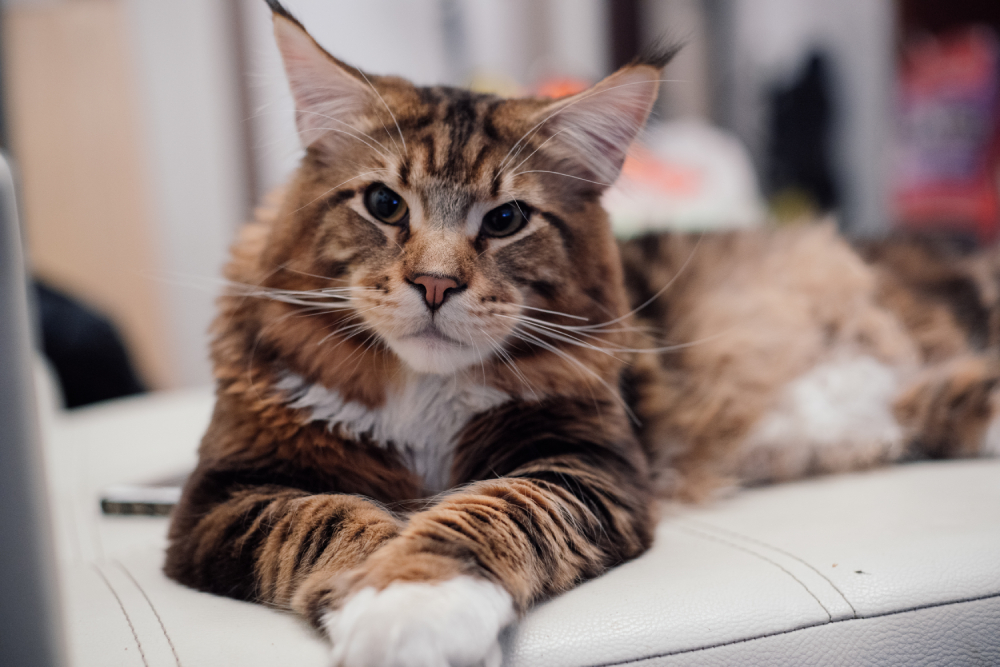
The Turkish Van is a unique cat breed known for its striking ear tufts. These tufts give them a wild appearance. Their fluffy ears add to their charm, making them a favorite among cat lovers.
The Turkish Van is a fascinating cat breed. Known for its striking appearance and charming personality. This breed stands out with its distinctive ear tufts. These tufts add to their majestic look. The Turkish Van is often associated with water. Unlike many cats, they enjoy swimming. Their love for water is as unique as their appearance.
Cultural Significance
The Turkish Van holds a special place in Turkish culture. They are considered a symbol of good luck. In their native region, they are often cherished. Their distinct features make them a favorite. Many people believe they bring prosperity. This belief adds to their charm and allure.
Notable Features
The Turkish Van is known for its ear tufts. These tufts enhance their regal look. They have a semi-long coat, mostly white. Their eyes can be blue, amber, or one of each. Their coats are water-resistant, perfect for swimming. Their muscular build aids in their agility.
Social Behavior
Turkish Vans are social and affectionate cats. They form strong bonds with their families. They enjoy interactive play and thrive on attention. These cats are curious and intelligent. They require mental stimulation to stay happy. Their playful nature makes them great companions. `
Credit: www.catster.com
Factors Influencing Ear Tufts
Certain cat breeds, like the Maine Coon and Norwegian Forest Cat, often display distinctive ear tufts. Genetics and environmental factors largely influence the prominence of these charming features. These tufts help cats in the wild by keeping debris out of their ears and enhancing their hearing.
When it comes to the unique features that make certain cat breeds stand out, ear tufts are a charming characteristic that captures attention. You might wonder what factors contribute to the presence of these delightful tufts. While it’s easy to attribute them solely to genetics, other elements play a role too. Understanding these factors can deepen your appreciation for these fluffy friends.
Genetic Components
Genetics play a major role in determining whether a cat will have ear tufts. Breeds like the Maine Coon and Norwegian Forest Cat are famous for this feature. Their genetic makeup includes specific traits that encourage tuft development. If you own a cat with ear tufts, it’s likely due to its lineage. Not every cat in these breeds will have prominent tufts, though. Some may have subtle or no tufts at all. This variability is due to the complex nature of genetic inheritance.
Environmental Influences
You might be surprised to learn that the environment can influence ear tufts. Cats exposed to colder climates may develop thicker tufts. These tufts serve as additional protection against harsh weather. On the other hand, cats in warmer areas might not have such pronounced tufts. The body adapts to its surroundings, and sometimes this means less fur in certain areas. Have you noticed any changes in your cat's fur based on the seasons?
Evolutionary Benefits
Ear tufts aren’t just for show—they have practical benefits. They help cats in the wild blend into their environment. This camouflaging ability can be crucial for both predator and prey. In addition, ear tufts can enhance hearing by funneling sounds into the ear. This is particularly beneficial for cats that rely on acute hearing for hunting. Have you ever watched your cat perk up at the faintest noise? Understanding these factors can give you a new perspective on why some cats have ear tufts. Next time you see a cat with these delightful features, you’ll know there’s more to them than meets the eye. Do you have a cat with ear tufts? How do you think they benefit from them?
Care Tips For Cats With Ear Tufts
Cats with ear tufts often belong to specific breeds like Maine Coon, Norwegian Forest, and Siberian. These tufts give them a wild, lynx-like appearance. Regular grooming helps maintain their ear health and keeps them looking tidy.
Caring for cats with ear tufts is a delightful journey that involves a mix of grooming, health monitoring, and nurturing their environment. Ear tufts, those adorable hair tufts sprouting from a cat's ears, are not just a beauty mark; they can require special attention. Let's dive into some practical tips to ensure your tufted-eared feline friend remains happy and healthy.
Grooming Practices
Regular grooming is essential for cats with ear tufts. These tufts can collect dirt and debris, making it crucial to check and clean them weekly. Use a soft-bristled brush to gently remove any tangles or dirt. Bathing isn't typically necessary unless your cat gets into something messy. However, always be cautious about water getting into their ears. Do you notice any strange smells or excessive scratching? It might be time to consult your vet.
Health Considerations
Keeping an eye on your cat's ears is crucial for their overall health. Ear tufts can sometimes hide issues like ear mites or infections. Regularly inspect their ears for redness, swelling, or unusual discharge. Ensure your cat's vaccinations are up to date. This is particularly important for breeds prone to ear issues. Have you considered how diet can impact ear health? A balanced diet can boost your cat's immune system, aiding in the prevention of ear problems.
Nurturing Environment
A stress-free environment contributes to a healthy cat. Make sure your home offers plenty of cozy spots and perches for your tufted-eared cat to relax. Interactive toys can stimulate your cat's mind and keep them active. Boredom can lead to stress, which might exacerbate health issues. How do you ensure a nurturing space for your cat? Consider setting up a quiet corner where they can retreat and feel safe. Creating a conducive environment is as much about your attention and affection as it is about physical space. Your cat will thrive with love and care, making those adorable ear tufts all the more expressive.
Frequently Asked Questions
What Are Ear Tufts In Cats?
Ear tufts are tufts of fur that grow on the tips of a cat's ears. They enhance a cat's appearance, giving it a wild look. These tufts can be a characteristic feature of certain breeds, adding to their charm and appeal.
Which Cat Breeds Have Ear Tufts?
Breeds like the Maine Coon, Norwegian Forest Cat, and Siberian are known for their prominent ear tufts. These tufts contribute to their distinctive appearance, often making them stand out. The tufts can vary in length and fullness among different breeds.
Do Ear Tufts Affect A Cat's Hearing?
Ear tufts do not affect a cat's hearing abilities. They are purely aesthetic and serve no functional purpose. Cats rely on their ear shape and internal structures for effective hearing, ensuring they can detect sounds efficiently despite their tufts.
How To Care For A Cat With Ear Tufts?
Caring for a cat with ear tufts involves regular grooming to prevent tangles and debris buildup. Use a gentle brush to maintain their fur's health. Ensure their ears are clean and free from infections by checking them routinely.
Conclusion
Cat breeds with ear tufts offer unique charm. These tufts add elegance to their appearance. Maine Coons have striking ear tufts. Norwegian Forest Cats flaunt them too. Both breeds captivate with these features. Their personalities match their distinctive looks. Many cat lovers find ear tufts enchanting.
They enhance the feline's majestic presence. Exploring breeds with ear tufts can be rewarding. They bring joy and companionship to homes. Consider these breeds for your next furry friend. Their ear tufts might win your heart!