Cats are mysterious creatures, often leaving you puzzled with their actions. You might think that a cat’s behavior is hard to decode, but many common beliefs about cat behavior are actually misconceptions.
Have you ever wondered if your cat is truly aloof or if it’s just misunderstood? It’s time to discover the truth and understand your feline friend better. By clearing up these misconceptions, you can improve your bond with your cat and ensure their happiness and well-being.
Get ready to explore the fascinating world of cat behavior and uncover the myths that might be affecting how you perceive your furry companion. Dive into this article to find out what’s real and what’s not when it comes to understanding your cat.
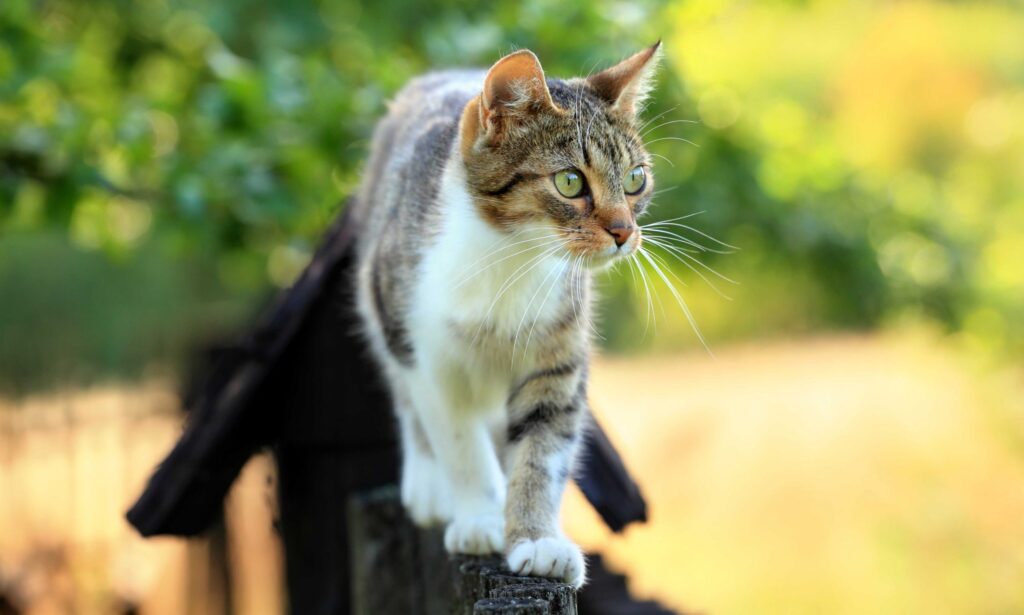
Credit: www.chewy.com
Cats Are Aloof
Many people think cats are distant and indifferent, but this is often untrue. Cats show affection in subtle ways, like purring or sitting nearby. Understanding these behaviors can help improve the bond between humans and their feline companions.
Cats often get a reputation for being aloof, but this is a common misconception. Many people believe cats are distant and indifferent compared to their canine counterparts. While it may seem this way, understanding cat behavior reveals a different picture. Cats have their unique ways of showing affection and interacting with their environment. Let’s dive deeper into this fascinating aspect of feline behavior.
Understanding Cat Communication
Cats communicate differently than dogs, which can make them seem standoffish. Instead of wagging tails or jumping excitedly, cats use subtle gestures. A slow blink, a gentle head bump, or a quiet purr are all signs of affection. By learning to recognize these cues, you can better understand your cat's feelings.
Why Cats Need Their Space
Cats are territorial creatures who enjoy their personal space. This doesn't mean they don't love you or want your company. They simply need time to recharge. Just like you might enjoy a quiet evening with a book, cats appreciate moments of solitude. Respecting their need for space can actually strengthen your bond.
Building Trust With Your Cat
Trust is crucial for any relationship, including with cats. Spend time playing, feeding, and talking to your cat. These activities help build trust over time. If you’re patient and consistent, your cat will likely become more affectionate and seek out your company.
Personal Experience With My Cat, Whiskers
When I first adopted my cat, Whiskers, she seemed distant. I gave her space and learned her communication style. Over time, she began greeting me with head bumps and purring at my feet. It was a rewarding experience, teaching me that patience pays off.
Challenging The Stereotype
The stereotype of cats being aloof is outdated. Many cats are affectionate and enjoy spending time with their humans. They may not show it in obvious ways, but their love is just as real. If you open your mind to their unique communication, you'll find cats can be just as loving as any other pet. So, next time you think of cats as aloof, consider the subtle ways they show affection. Are you ready to see your feline friend in a new light?

Credit: www.tiktok.com
Cats Don't Need Socialization
Many believe cats don't need socialization, but this is a misconception. Cats benefit from interaction to stay happy. Socializing helps reduce stress and promotes healthy behavior, contrary to common myths.
Cats are often seen as solitary creatures, leading many to believe they don't need socialization. This misconception can lead to misunderstandings in cat behavior and the development of behavioral issues. Contrary to popular belief, social interaction is important for cats, just as it is for any other pet.
Understanding The Social Nature Of Cats
Cats are not as aloof as they seem. They are social animals with unique ways of expressing themselves. Have you ever noticed how your cat follows you from room to room or curls up beside you? These are signs of their social nature. Ignoring this can lead to loneliness and stress for your feline friend.
The Role Of Early Socialization
Early socialization is crucial for kittens. It helps them develop into well-adjusted adults. Kittens exposed to different environments, people, and other animals tend to be more confident and less fearful. If you've adopted a kitten, consider introducing them to gentle handling and various sounds. This will help them adapt better to new situations.
Adult Cats Need Socialization Too
Socialization isn't just for kittens. Adult cats benefit from interaction as well. Engaging in play sessions, providing interactive toys, and even setting up playdates with other pets can help. Have you tried using a laser pointer or feather toy? It's a fun way to bond with your cat and stimulate their mind.
Recognizing Social Behavior In Cats
Cats display social behavior in subtle ways. Purring, head-butting, and slow blinking are all signs of affection. Pay attention to these cues. They indicate your cat's comfort and happiness. Understanding these signs can strengthen your bond with your pet.
Common Missteps In Cat Socialization
Missteps in socialization can lead to behavioral problems. Forcing interaction can make a cat anxious. It's important to let them approach at their own pace. If your cat seems withdrawn, try creating a calm and safe environment for them to explore. Have you noticed any changes in your cat's behavior recently? It might be worth considering their social needs.
Practical Tips For Socializing Your Cat
Start with short, positive interactions. Use treats and gentle strokes to encourage engagement. Set aside time daily for play and cuddles. Are there areas in your home where your cat feels more comfortable? Use these spaces to foster interaction. Remember, patience is key. Socialization is a vital part of a cat's well-being. By understanding and meeting these needs, you can ensure a happier, healthier life for your feline companion. So, what's your next step in helping your cat feel more connected?
Cats Are Low-maintenance Pets
Cats often face myths about their independence and aloofness. Many believe they are antisocial or unfriendly. Yet, they simply enjoy alone time and show affection differently. Understanding these behaviors can help debunk myths and reveal their true nature.
Many people believe that cats are the ultimate low-maintenance pets. This misconception often leads to misunderstandings about their needs and behaviors. While cats are independent creatures, they require attention, care, and understanding just like any other pet.
Cats Don’t Need Regular Grooming
It's a common myth that cats groom themselves perfectly and never need your help. Although they are diligent cleaners, they still benefit from regular grooming. Brushing your cat helps reduce shedding, prevents matting, and minimizes hairballs. Regular grooming also provides an opportunity for you to check for fleas, ticks, and skin issues. Imagine finding a pesky tick during a grooming session and addressing it before it causes problems. Grooming sessions can strengthen the bond between you and your cat. Do you find your cat purring and relaxing as you brush its fur?
Cats Don’t Need Much Social Interaction
Another misconception is that cats are solitary and don't crave human interaction. While they are more independent than dogs, they still need social engagement. Many cats enjoy playing with their owners and can become lonely without interaction. Try spending a few minutes each day playing with your cat using toys or even just a simple string. Notice how your cat’s eyes light up and its tail twitches with excitement. Ignoring your cat’s social needs can lead to behavioral problems like aggression or depression. Is your cat more affectionate or playful after spending quality time together?
Cats Can Be Left Alone For Long Periods
Some people think that cats can be left alone for days with just food and water. However, this is far from the truth. Cats can become stressed and anxious if left alone for too long. Imagine coming home to a calm and content cat after being away for just a few hours. Long periods of solitude can lead to destructive behavior or litter box issues. Consider how you would feel being left alone without any interaction for extended periods. Wouldn’t a pet sitter or a friend checking in make a difference?
Cats Don't Need Regular Vet Visits
Many cat owners assume that their pets don't require regular veterinary check-ups. Cats are masters at hiding illness, so regular vet visits are crucial. These check-ups can catch health issues early, leading to better outcomes. Think about how many times a routine vet visit has caught an issue you didn’t even know existed. Regular vaccinations and dental care are also essential components of cat healthcare. Neglecting vet visits can result in untreated conditions that might have been easily managed. Isn’t prevention always better than cure? By understanding these misconceptions, you can provide your cat with a happier, healthier life. What steps will you take to better understand your cat’s needs today?
Cats Are Nocturnal Animals
Many people believe that cats are nocturnal creatures. This belief stems from their active nighttime behavior. But are cats truly nocturnal? Not exactly. Cats are actually crepuscular. This means they are most active during dawn and dusk.
Crepuscular Behavior Explained
Cats have evolved to hunt during low light. Their eyes are adapted for twilight. This makes them efficient hunters. In the wild, many prey animals are active at these times. Cats capitalize on this advantage.
Why Cats Seem Nocturnal
Domestic cats often adjust to human schedules. If you sleep at night, they may adapt. But cats still maintain their natural instincts. They might play or explore at night. This behavior often seems like nocturnal activity.
How To Manage Nighttime Activity
Provide plenty of play during the day. Use toys that mimic hunting. Ensure they expend energy. This can reduce nighttime antics. A tired cat is a peaceful cat. Consider feeding them a meal before bed. A full belly encourages rest.
Understanding Your Cat's Needs
Recognize their natural instincts. Appreciate their crepuscular nature. Try not to change it completely. Instead, work with it. Understanding leads to harmony. Create a routine that suits both of you. Enjoy your time together.
Cats Always Land On Their Feet
Some believe cats always land on their feet, but this isn't always true. Cats have a unique ability to twist their bodies mid-air, yet injuries can still happen. Understanding cat behavior helps dispel myths and ensures better care for our feline friends.
Cats are fascinating creatures with many myths surrounding them. One popular belief is that cats always land on their feet. This idea might seem true, but it's not always the case. Cats do have a unique ability to right themselves during a fall. Yet, this doesn't guarantee a perfect landing every time. Understanding this can help in ensuring better safety for your furry friend.
Understanding The Righting Reflex
Cats have a natural righting reflex. This means they can twist their bodies mid-air. This reflex helps them orient themselves feet-down. It develops at a young age and aids in survival. Yet, it doesn't work perfectly at all heights.
The Myth Of Safe Falls
People often think cats are safe from falls. This is far from true. Cats can get injured from high or low falls. The height of the fall influences the outcome. Short distances might not give cats enough time to right themselves.
Factors Affecting Safe Landing
Several factors affect a cat's landing. The height of the fall is crucial. Cats need enough distance to twist their bodies. Their health and age also play roles. Older or unwell cats might struggle more with landing safely.
Preventing Injuries
Ensuring your home is safe for cats is essential. Secure windows and balconies to prevent falls. Monitor your cat's play areas for potential dangers. Understanding these factors can help reduce the risk of injury. Remember, while cats are agile, they aren't invincible. Always prioritize their safety.
Cats Can't Be Trained
A widespread myth suggests cats can't be trained. Cats learn behaviors through rewards and patience. Many believe they are stubborn, but they respond well to consistent techniques.
Cats are often viewed as independent creatures that march to the beat of their own drum. This has led many to believe that cats can't be trained. However, this misconception overlooks the potential for cats to learn and adapt through positive reinforcement. Training a cat can enhance your relationship with them and also make daily life smoother.
Understanding Cat Motivation
Cats are motivated differently than dogs. While dogs might work for praise and companionship, cats often respond to food rewards or toys. Have you noticed your cat’s enthusiasm when you shake the treat bag? This enthusiasm can be harnessed for training. Understanding what drives your cat’s behavior can be your gateway to effective training. Try using their favorite snacks or toys as rewards for learning new tricks or behaviors.
Start With Simple Commands
Training doesn't have to be complex. Begin with simple commands like "sit" or "come." Consistency is key. Repeat the command and reward your cat when they respond correctly. Short training sessions work best. Keep them fun and engaging. Your cat will be more likely to respond positively if they see training as a game rather than a chore.
Patience Pays Off
Training takes time, and patience is crucial. Cats may not respond immediately, but with persistence, they can learn. I once spent weeks teaching my cat to come when called, using treats as motivation. Eventually, she caught on, and now she responds reliably. Your cat may also have days when they are not interested in training. Respect their mood and try again later.
Breaking The Myth
The belief that cats can't be trained is slowly being debunked. More people are sharing their success stories online, proving that cats can learn a variety of commands and tricks. Have you ever taught your cat a unique trick? Share your story! It might inspire others to start training their feline friends. Remember, each cat is unique. Their pace and style of learning might differ, but with dedication, training is possible. Embrace the challenge and watch your cat surprise you.
Cats Don't Show Affection
Many believe cats lack affection, but this is a misconception. Cats express love through purring, kneading, and gentle head nudges. Their subtle ways often go unnoticed, leading to misunderstandings about their feelings.
Many people believe cats are distant and indifferent creatures, especially when it comes to showing affection. This misconception stems from comparing cats to dogs, who are often more outwardly affectionate. But if you look closely, you'll discover that cats have their own unique ways of expressing love.
Understanding Cat Affection
Cats express affection subtly. You might notice your cat purring when you pet them or gently nudging you with their head. These actions are their way of saying they enjoy your company. Have you ever had a cat curl up next to you while you read a book? That's another sign they feel safe and connected to you.
Why Cats Might Seem Aloof
Cats are independent animals by nature. Unlike dogs, they don't rely on humans for social structure. This independence can be mistaken for aloofness. But just because a cat doesn't jump up and down when you come home doesn't mean they don't miss you. Pay attention to their subtle cues, like following you from room to room or sitting nearby.
Personal Experience: A Cat's Quiet Love
I once had a cat named Whiskers. Every evening, Whiskers would sit quietly beside me as I watched TV. It was his way of showing affection, seeking closeness without demanding attention. Whiskers never purred loudly but would softly nuzzle my hand, reminding me of the bond we shared.
Recognizing Your Cat's Unique Signs Of Affection
Look for the little things your cat does. Do they rub against your legs or blink slowly at you? These are signs of trust and affection. Each cat has its own personality, and their ways of showing love can vary. Observing your cat closely will help you understand their unique expressions of affection.
How Can You Encourage More Affection?
Spend quality time with your cat. Engage in activities they enjoy, like playing with toys or gentle petting. Respect their boundaries and allow them to approach you on their terms. Building a strong bond takes time and patience. Have you noticed any changes in your cat's behavior when you give them more attention? Cats might not show affection like dogs, but their love is genuine. By understanding and appreciating their unique ways, you can strengthen your bond and enjoy a fulfilling relationship with your feline friend.
Cats Are Independent
Cats often appear independent, leading people to think they don't need attention. This misunderstanding overlooks their need for social interaction and affection. Understanding these feline behaviors can enhance the bond between cats and their owners.
Cats are often labeled as independent creatures. This belief might stem from their solitary hunting nature. Many think cats prefer solitude over companionship. But this is a misconception. Cats can be quite social and affectionate. They form strong bonds with their human families. Understanding their behavior helps debunk the myth of their independence.
Cats Seek Companionship
Cats enjoy spending time with their humans. They often follow you from room to room. This shows they value your presence. They may sit on your lap or sleep beside you. These actions indicate their need for companionship. They thrive in environments where they feel connected.
Cats Communicate With Their Owners
Cats have various ways to communicate. They use meows, purrs, and body language. Each sound or action has meaning. They might meow to greet you. Or purr when they are content. Understanding these signals strengthens your bond. It shows they rely on you for interaction.
Cats Can Be Trained
Many believe cats cannot be trained. But they can learn commands and tricks. Use positive reinforcement to teach them. Treats and praise encourage good behavior. Training builds trust and enriches their environment. It highlights their desire to engage with humans.
Cats Enjoy Routine
Cats feel secure with routines. They appreciate regular feeding and playtimes. This predictability reduces stress. It reflects their dependence on you for care. Routines help them feel safe and loved. They look forward to these daily interactions.
Cats Show Affection In Subtle Ways
Cats express love in unique ways. They may rub against your legs. Or give a gentle headbutt. These gestures are signs of affection. They might also bring you small "gifts." Understanding these actions reveals their emotional connection. It challenges the notion of their aloofness.
Purring Means Happiness
Many think purring always means a cat is happy. It's a common misunderstanding. Cats also purr when scared or unwell. Recognizing these nuances helps in better understanding feline behavior.
Purring is often associated with a cat's contentment and joy. This misconception is so widespread that many cat owners might be surprised to learn that a purr isn't always a sign of happiness. In reality, cats purr for a variety of reasons, some of which might surprise you. Understanding these nuances can help you connect with your feline friend on a deeper level.
Purring As A Self-soothing Mechanism
Cats often purr to calm themselves. A kitten will purr when they're close to their mother, not just because they're happy, but to signal that they're okay. Adult cats might purr to soothe themselves in stressful or painful situations. Imagine the last time your cat went to the vet. They might have purred in the waiting room, not out of joy, but to comfort themselves. Next time your cat purrs, consider if something might be causing them stress.
Healing Powers Of Purring
Did you know that a cat's purr may have healing properties? The vibrations produced during purring can aid in the healing of bones and tissues. Cats might purr when they're injured or unwell, utilizing their natural ability to heal. This is fascinating because it suggests that purring is not just emotional but physical. If your cat is purring excessively while showing signs of illness, it might be worth a check-up with the vet.
Purring As A Request For Attention
Cats can purr to grab your attention. When they're hungry or want some affection, they might purr more insistently. This is their way of communicating a need. Consider the moments when your cat purrs loudly while rubbing against your leg. Are they hungry, or simply in need of some love? Recognizing these cues can improve your bond with your pet.
Is Your Cat Purring In Pain?
It's crucial to note that purring can sometimes indicate pain. Cats may purr when they're hurt as a way to self-soothe. This can be misleading, as many assume a purring cat is a happy cat. If your cat is purring but seems lethargic or is avoiding their favorite activities, it might be time to consult your vet. Paying attention to their body language alongside purring can provide important clues to their well-being. --- Understanding the real reasons behind your cat's purring can help you respond better to their needs. By recognizing when purring is more than just a sign of happiness, you can ensure your cat gets the care and attention they require. What have you noticed about your cat's purring habits?
Credit: www.fearfreehappyhomes.com
Frequently Asked Questions
Do Cats Always Land On Their Feet?
Cats are known for their agility and balance, but they don't always land on their feet. While they have a righting reflex that helps them twist their bodies mid-air, factors like height, surface, and their health can affect their ability to land safely.
Always ensure their environment minimizes fall risks.
Are Purring Cats Always Happy?
Purring is often associated with contentment, but cats also purr when stressed, sick, or in pain. It's a form of self-soothing and communication. Pay attention to their body language and environment to understand the true context of their purring. Observing other behaviors can provide better insights into their emotional state.
Do Cats Hate Water?
Not all cats hate water, though many do. It often depends on their breed, experience, and exposure. Some cats, like the Turkish Van, enjoy water. Gradual and positive exposure can make some cats more comfortable with it. Always introduce water experiences gently and consider their individual preferences and past experiences.
Can Cats See In Complete Darkness?
Cats can't see in complete darkness, but they have excellent low-light vision. Their eyes have more rod cells, enhancing night vision. They need some light, even if minimal, to see. This adaptation helps them hunt at dawn and dusk. Their whiskers and hearing also assist navigation in the dark.
Conclusion
Understanding cat behavior enhances your bond with your feline friend. Misconceptions often cloud our understanding. Cats are not aloof; they show affection differently. Scratching is not mischief; it's instinctual. Purring does not always mean happiness; it can mean stress too.
Each cat has a unique personality. Observing them helps us see the truth. Dispelling myths leads to better care. Our furry companions communicate in special ways. Listening to them enriches our lives. Respect their nature. Nurture their curiosity. Build trust.
Appreciate their quirks. Cats are more than their myths. Embrace the reality of their behavior.