Have you ever wondered why your cat sometimes acts a little strange or unpredictable? As a cat owner, you might notice behaviors that seem odd or out of place.
The answer could lie in a microscopic parasite called Toxoplasma gondii. This tiny invader can silently influence your cat's behavior, leading to changes that might surprise you. But what exactly is toxoplasmosis, and how does it affect your feline friend?
Understanding the link between this parasite and your cat's behavior is crucial for ensuring your pet's health and happiness. Dive into this fascinating topic to discover how toxoplasmosis might be affecting your cat, and learn what you can do about it. Your cat's well-being could depend on it!
Toxoplasmosis In Cats
Cats are fascinating creatures with unique behaviors. Some of these behaviors can be influenced by health conditions like toxoplasmosis. This condition is caused by a parasite, and it can affect a cat's behavior in surprising ways. Understanding toxoplasmosis in cats helps pet owners care for their furry friends better.
What Is Toxoplasmosis?
Toxoplasmosis is an infection caused by the parasite Toxoplasma gondii. This parasite can live in various animals, but it reproduces in cats. Cats are the primary hosts. The parasite can affect the brain, leading to changes in behavior. Infected cats might show signs of aggression or altered activity.
Transmission And Lifecycle
Cats can get infected by eating contaminated food or hunting infected prey. The parasite starts in the intestines and spreads through the body. Infected cats can shed the parasite in their feces. This is how it spreads. The lifecycle of the parasite includes multiple stages. It starts in the intestines, moves to tissues, and can affect the brain. Understanding the lifecycle is crucial for prevention and treatment.
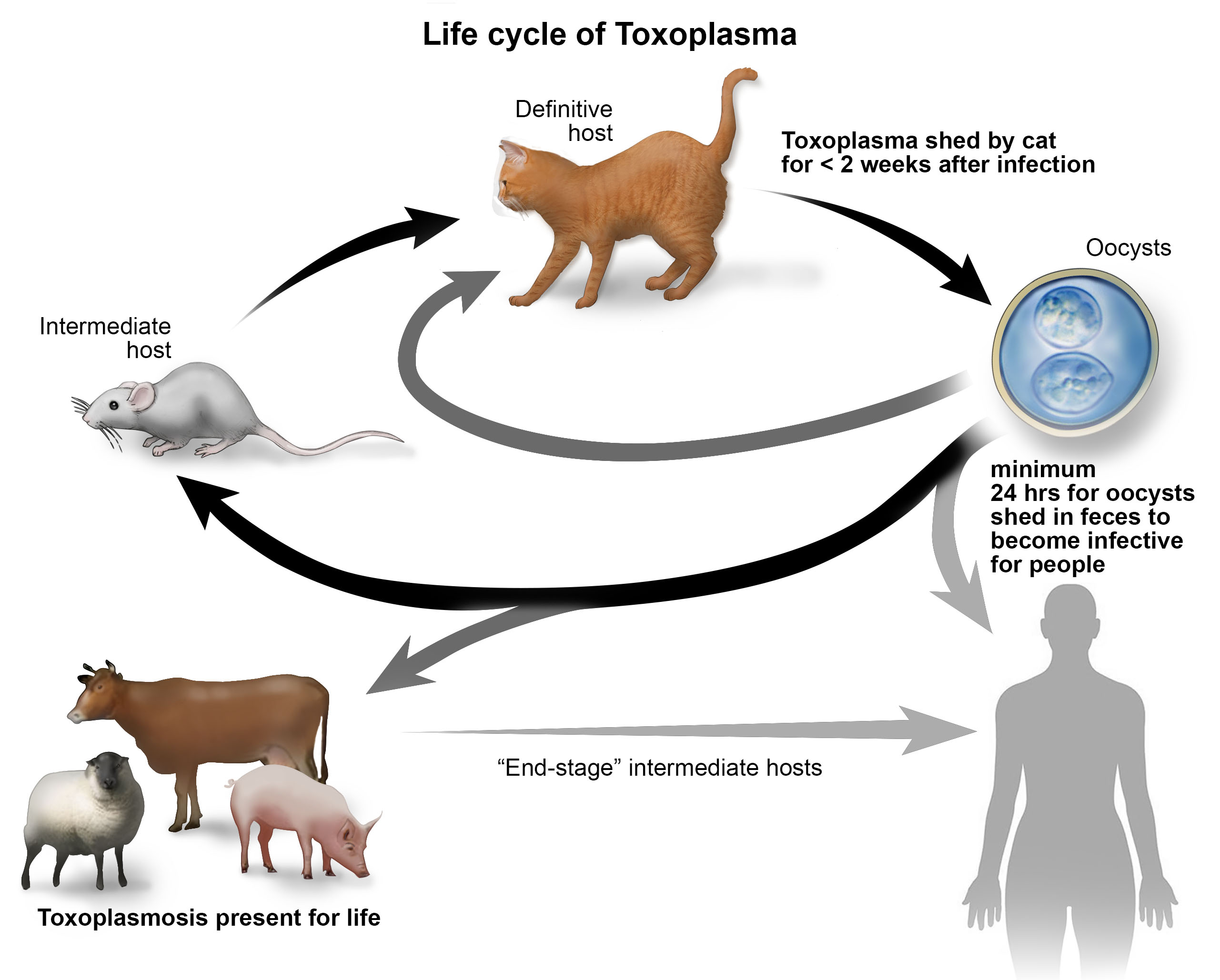
Credit: www.vet.cornell.edu
Behavioral Changes In Infected Cats
Toxoplasmosis can lead to unusual behavior in cats. Infected cats might become more aggressive or show increased affection. They may also display disorientation or lack of coordination. These changes often indicate the presence of the parasite affecting their neurological functions.
Behavioral Changes in Infected Cats Toxoplasmosis, a parasitic disease caused by the Toxoplasma gondii, can lead to surprising behavioral changes in cats. You might notice your once shy feline becoming bolder or showing signs of aggression. Understanding these changes can help you manage your cat’s health better and ensure a harmonious home environment.
Aggression And Fearlessness
Infected cats often display increased aggression and a noticeable lack of fear. Your cat might start challenging other pets or even family members. This sudden change can be startling, especially if your cat was previously timid or reserved. A friend of mine experienced this when her cat, Luna, began hissing at guests and chasing the family dog. Recognizing these signs early allowed her to consult a vet and get Luna the treatment she needed. Have you noticed your cat standing its ground more than usual?
Altered Hunting Instincts
Toxoplasmosis can also alter a cat’s hunting instincts. Infected cats might show an unusual interest in prey or become overly adventurous, exploring areas they previously avoided. This change can increase the risk of outdoor dangers if your cat is allowed outside. Consider keeping your cat indoors if you notice these changes, as it might prevent accidents or escapes. It’s important to monitor your cat’s behavior and consult with your vet if you see significant changes. How has your cat’s behavior shifted, and what steps have you taken to address it?
Scientific Studies And Findings
Toxoplasmosis is a parasite that can change cat behavior. Studies show it may cause cats to act more boldly. These changes can affect their hunting and social behaviors, making them more adventurous.
Understanding how toxoplasmosis affects cat behavior has intrigued scientists for years. This condition, caused by the parasite Toxoplasma gondii, can alter not only the health of our feline friends but also their actions and decisions. Scientific studies reveal fascinating insights into how these tiny organisms can wield significant influence over a cat's behavior, paving the way for further research and understanding.
Research On Cat Behavior
Scientists have observed intriguing changes in cats infected with Toxoplasma gondii. Some studies suggest that infected cats might display more boldness, showing less fear of potential threats. This is particularly interesting because it hints at the parasite's potential to manipulate the host's natural instincts. Research conducted by animal behaviorists has shown that infected cats may take more risks. They might explore new environments more frequently or interact differently with other animals. These behavioral shifts raise questions about the extent of the parasite's influence.
Neurological Impact
The neurological impact of Toxoplasma gondii on cats is a key area of interest. The parasite can form cysts in the brain, potentially affecting the cat's neurological functions. This presence can lead to altered neurotransmitter levels, which may explain behavioral changes. One study found that these brain cysts could impact areas related to fear and anxiety. This might clarify why infected cats seem less apprehensive in risky situations. The parasite's ability to alter brain chemistry emphasizes the complex relationship between the organism and its host. Understanding these effects not only helps in managing infected pets but also in realizing the potential broader implications. Could these findings about cats help in understanding similar impacts in other animals, or even humans? By focusing on scientific studies, you gain a clearer picture of how toxoplasmosis affects feline behavior. This knowledge can guide you in observing and caring for your cat, ensuring their well-being and safety.
Implications For Cat Owners
Toxoplasmosis can alter cat behavior, making them more adventurous. This change could lead to increased risks outdoors. Understanding this behavior helps cat owners keep their pets safe.
Toxoplasmosis is a fascinating yet concerning topic for cat owners. This parasitic infection can subtly alter the behavior of your feline friend, raising questions about their well-being. As a cat owner, it's crucial to understand the implications of toxoplasmosis. This knowledge can help you ensure your cat remains healthy and happy. Let's explore how you can recognize symptoms and adopt preventive measures to protect your cat.
Recognizing Symptoms
Cats infected with toxoplasmosis might not always show obvious symptoms. However, changes in behavior can be a telltale sign. Look for unusual aggression or lethargy. You might notice your cat acting differently around other pets or people. They may exhibit changes in appetite or grooming habits. A personal experience with my cat, Whiskers, taught me this. His sudden disinterest in playtime was a red flag. After a vet visit, we discovered toxoplasmosis was the culprit.
Preventive Measures
Preventing toxoplasmosis involves maintaining good hygiene and regular vet check-ups. Ensure your cat's litter box is cleaned daily. This reduces the risk of the parasite spreading. Feeding your cat commercial food instead of raw meat can also help. Raw meat can be a source of the parasite, so it’s safer to stick to trusted cat food brands. Regularly scheduled vet visits are crucial. They can catch infections early, providing treatment before symptoms worsen. Is your cat due for a check-up? It might be time to make that appointment. By staying informed and vigilant, you protect your cat’s health and your own peace of mind. What steps will you take today to safeguard your feline friend?
Broader Effects On Ecosystems
Toxoplasmosis, a common parasitic infection, can alter cat behavior significantly. Beyond its impact on individual animals, toxoplasmosis can also influence entire ecosystems. This happens through changes in wildlife dynamics and inter-species disease transmission.
Impact On Wildlife
Toxoplasmosis can affect wildlife populations profoundly. Infected prey like rodents may behave recklessly. They become easy targets for predators. This can reduce rodent populations rapidly. Predators, in turn, may thrive due to increased food availability. This shift can disturb the natural balance in ecosystems.
Bird species might also face changes. Birds of prey may increase due to more vulnerable prey. Such changes can reshape local wildlife hierarchies.
Inter-species Transmission
Transmission of toxoplasmosis across species is another concern. Cats can spread the parasite through their feces. Other animals can ingest the parasite from contaminated environments. This can lead to widespread infection among different species.
Farm animals may become carriers too. This poses a risk to humans consuming infected meat. The cycle of transmission can thus extend beyond wildlife. It can impact human health and agricultural practices.
Understanding these broader effects is crucial. It helps in managing and controlling toxoplasmosis spread. This ensures healthier ecosystems and safer environments for all species.
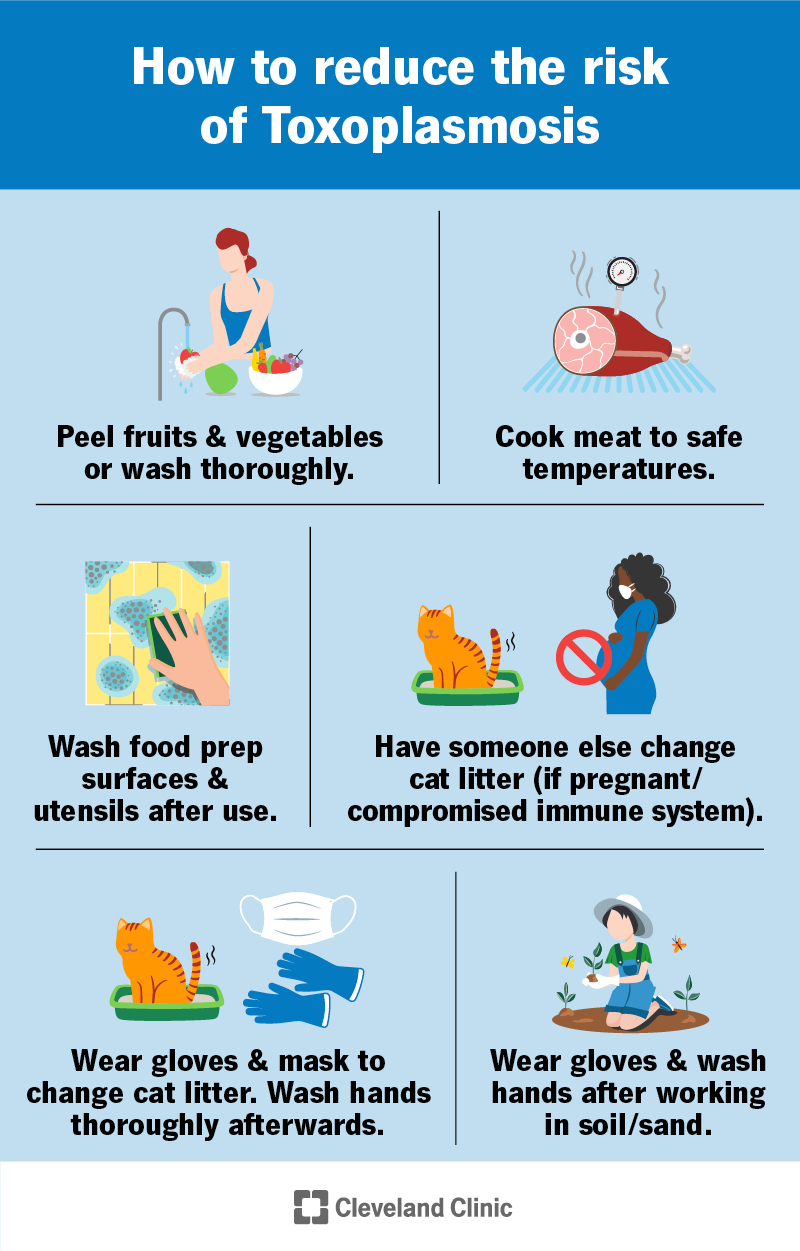
Credit: my.clevelandclinic.org
Future Research Directions
The intriguing link between toxoplasmosis and cat behavior continues to captivate researchers. Current studies reveal its complex impact, yet much remains unknown. Future research directions aim to unravel these mysteries further. New studies explore how this parasite may affect feline actions and mental health. Understanding these dynamics could lead to significant breakthroughs in veterinary science.
Potential Treatments
Exploring potential treatments for toxoplasmosis in cats is essential. Research focuses on medications that could alleviate symptoms or prevent infection. Scientists are examining drugs that target the parasite directly. These treatments aim to improve the well-being of affected cats and reduce behavioral changes. Such advancements would be valuable for cat owners and veterinarians.
Unanswered Questions
Many unanswered questions remain about toxoplasmosis's impact on cat behavior. Researchers are curious about how the parasite affects brain function. They also seek to understand if it influences social interactions. The connection between toxoplasmosis and aggression or anxiety in cats is still unclear. These questions drive ongoing studies and inspire further investigation.

Credit: www.brainfacts.org
Frequently Asked Questions
What Is Toxoplasmosis In Cats?
Toxoplasmosis is a parasitic infection caused by Toxoplasma gondii. Cats are primary hosts of this parasite. They can shed it through their feces, potentially infecting humans and other animals. Most cats show no symptoms, but the infection can affect their behavior and health.
How Does Toxoplasmosis Affect Cat Behavior?
Toxoplasmosis can alter a cat's neurological function. Infected cats might display unusual aggression or lethargy. Behavioral changes occur because the parasite affects the brain. However, not all infected cats show noticeable behavioral changes.
Can Humans Catch Toxoplasmosis From Cats?
Yes, humans can contract toxoplasmosis from cat feces. Handling contaminated litter boxes poses a risk. It's essential to practice good hygiene, like washing hands thoroughly, to prevent infection. Pregnant women and immunocompromised individuals should be particularly cautious.
How Is Toxoplasmosis Diagnosed In Cats?
Toxoplasmosis in cats is diagnosed through blood tests. Veterinarians look for antibodies against Toxoplasma gondii. Sometimes, a fecal exam is used to detect the parasite's eggs. Accurate diagnosis helps in managing the infection effectively.
Conclusion
Toxoplasmosis can influence cat behavior in subtle ways. Understanding this helps in caring for cats better. Observing changes in your cat's habits is crucial. Early detection can prevent complications. Regular vet check-ups are essential. They ensure your cat stays healthy and happy.
Knowledge about toxoplasmosis empowers pet owners. It aids in providing the best care possible. Cats deserve a safe and loving environment. Awareness of their needs is the first step. Always stay informed and attentive to your furry friend. A little knowledge goes a long way in keeping your cat content.