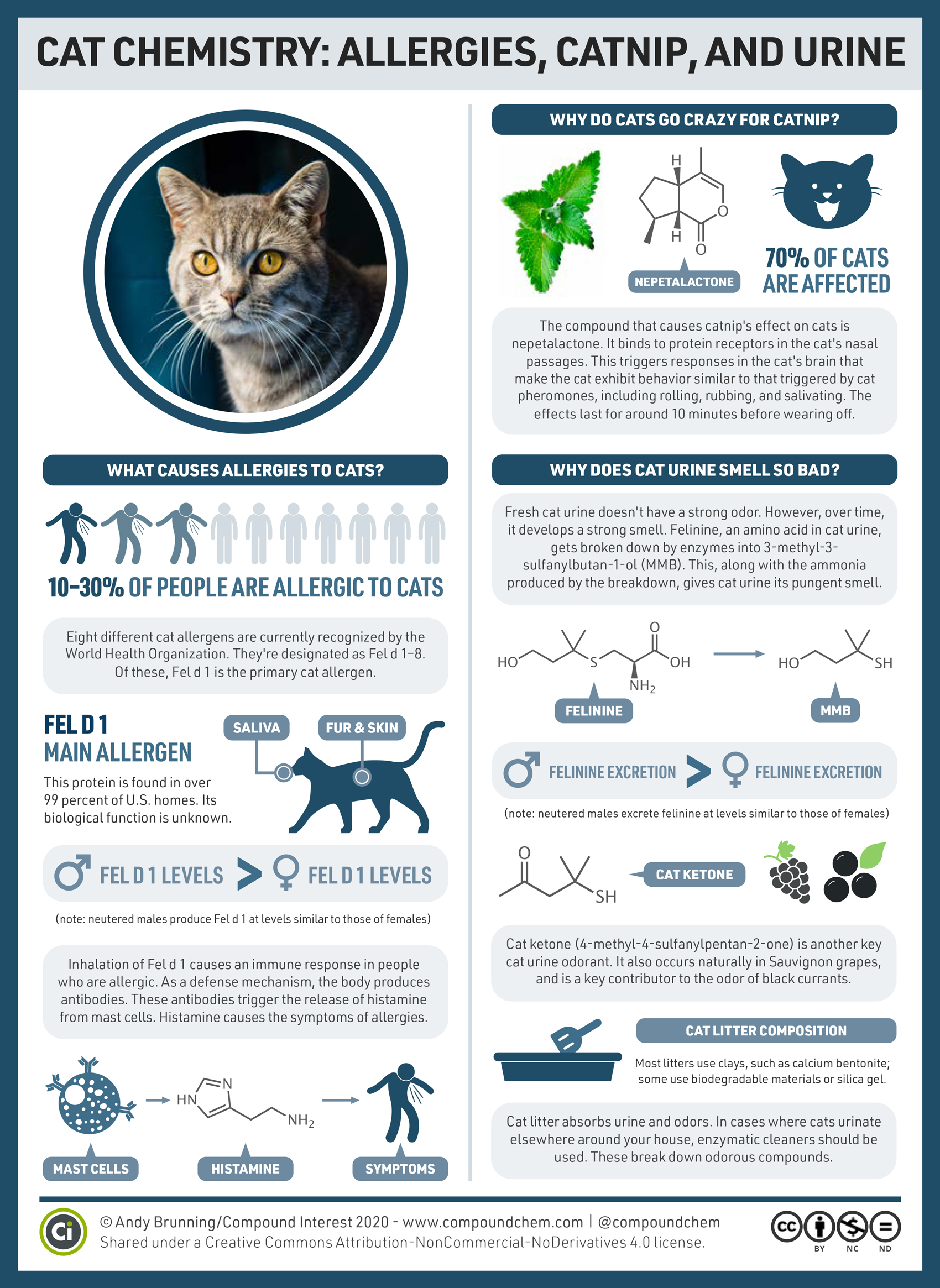
Have you ever walked into a room and been hit by the unmistakable smell of cat urine? It's a scent that can make you cringe, and you're not alone in wondering whether it's just unpleasant or if it could be harmful to your health.
Your curiosity is valid, and understanding the potential impact of cat urine smell on your well-being is crucial, especially if you're a cat owner or live in a household with cats. Could this lingering odor be more than just a nuisance?
Unraveling the truth behind this pungent aroma might surprise you. Keep reading as we explore the facts about cat urine and your health—because knowing could make all the difference in maintaining a safe and healthy environment.
Credit: www.americanscientist.org
Health Risks Of Cat Urine
Have you ever walked into a room and been hit by that unmistakable odor of cat urine? While it's easy to dismiss it as merely unpleasant, did you know it could also pose health risks? Understanding these risks is crucial, especially if you're frequently exposed to environments with cat urine. Let's dive into some of the specific health concerns related to cat urine.
Ammonia Exposure
Cat urine contains ammonia, a strong-smelling chemical. In small amounts, it might not seem harmful, but prolonged exposure can be. Breathing in ammonia over time can irritate your eyes, throat, and lungs. It's like being in a room with harsh cleaning chemicals constantly. If you notice your eyes watering or a persistent cough, it might be time to consider the impact of ammonia in your environment.
Respiratory Issues
Have you ever felt like your breathing is compromised in a room with cat urine? This isn't just in your head. Inhaling the ammonia in cat urine can lead to respiratory problems. It can exacerbate conditions like asthma or chronic bronchitis. If you find yourself struggling to breathe or experiencing shortness of breath, cat urine might be a contributing factor. Always ensure good ventilation to mitigate these effects.
Skin Irritation
Imagine touching a surface that has traces of cat urine and then noticing your skin feels itchy or irritated. This isn't uncommon. Direct contact with cat urine can lead to skin irritation or rashes. If you have sensitive skin, you might be more prone to these reactions. It's essential to clean affected areas promptly and consider using gloves when handling items that might be contaminated.
These health risks are real and can impact your quality of life. Have you ever considered how often you're exposed to environments with cat urine? Taking steps to minimize exposure, like maintaining cleanliness and ensuring proper ventilation, can be beneficial. How do you plan to address these potential risks in your home or workspace?
Credit: www.kinship.com
Chemical Components In Cat Urine
Ever wondered why cat urine smells so strong? It's not just about the nuisance; it involves a mix of chemicals that can potentially impact your health. Understanding these components gives you a clearer picture of what you might be exposed to. Let's dive into the specifics of what makes up cat urine.
Ammonia Content
Cat urine is notorious for its ammonia content. Ammonia is a pungent gas that can irritate the eyes, throat, and lungs. If you've ever had a cat accident in a confined space, you might have noticed how it makes your eyes water. This is a direct reaction to the ammonia present.
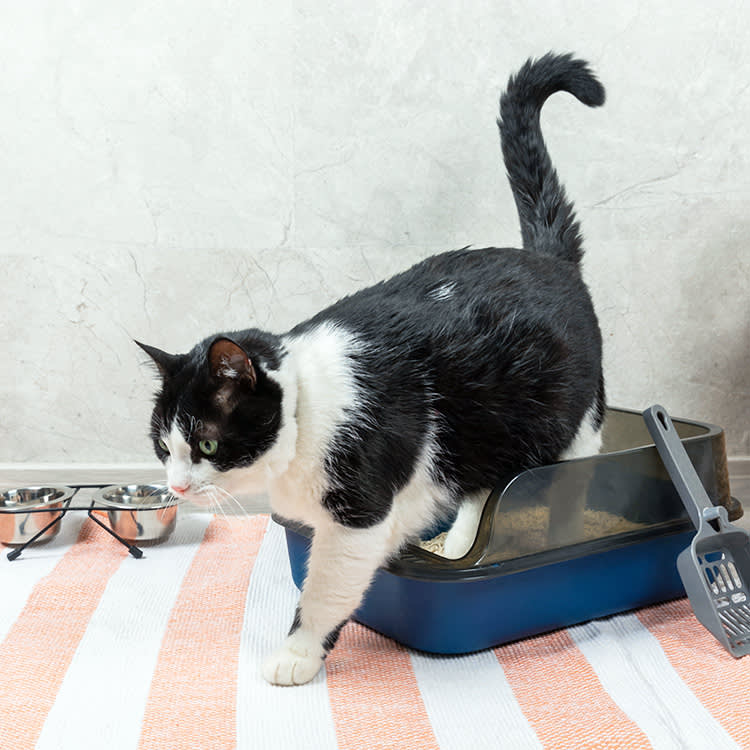
Ammonia levels increase when cat urine is left untreated. Are you guilty of letting the litter box go a bit too long without cleaning? This can lead to a buildup of ammonia in the air, making it uncomfortable, especially for those with respiratory issues.
Potential Toxins
Beyond ammonia, cat urine may contain other potential toxins that can pose health risks. These toxins can result from the breakdown of urine over time, transforming harmless components into harmful ones. You might not notice this right away, but prolonged exposure can be problematic.
Consider if anyone in your household has allergies or sensitivities. The presence of these toxins could aggravate these conditions, making a simple sneeze turn into a more serious health concern. It's crucial to address these risks promptly to ensure a safe environment for everyone.
What can you do to minimize these risks? Regular cleaning and proper ventilation are key. Keep your home fresh and your air clean, and you'll significantly reduce the impact of these chemical components on your health.
Impact On Indoor Air Quality
Cat urine has a strong smell that can affect indoor air quality. This smell can linger, causing discomfort and potential health concerns. Understanding its impact can help you improve your living environment.
Airborne Pollutants
Cat urine releases ammonia, a powerful airborne pollutant. Ammonia in the air can irritate eyes and lungs. It can be more harmful to people with asthma or allergies. Prolonged exposure can worsen these conditions over time.
The smell can also attract mold and mildew. These can release spores into the air, causing further health issues. Ensuring clean air is essential for a healthy home.
Ventilation Solutions
Proper ventilation can reduce the concentration of ammonia in the air. Open windows and use fans to increase airflow. This helps move fresh air into your home, pushing out pollutants.
Installing air purifiers can also help. They filter out contaminants, improving air quality. Choose purifiers with HEPA filters for the best results. Regularly clean litter boxes and change litter to prevent buildup.
Maintain a routine of cleaning and airing out your space. These steps can significantly improve indoor air quality.
Long-term Exposure Effects
Long-term exposure to cat urine smell is more than just an unpleasant experience. It can have lasting effects on your health, potentially leading to chronic conditions and impacting your immune system. Understanding these effects can help you decide how to address and mitigate exposure in your living space.
Chronic Health Conditions
Continuous exposure to cat urine can lead to respiratory issues. The strong ammonia smell may irritate your lungs and throat, causing coughing and even asthma-like symptoms over time. If you have pre-existing conditions, the situation can worsen.
Beyond respiratory problems, long-term exposure may affect your mental well-being. Constantly smelling cat urine can lead to stress and anxiety, making you feel uncomfortable in your own home. Have you ever noticed feeling on edge when your space isn't as fresh as you'd like?
Impact On Immunity
Your immune system might take a hit from prolonged exposure to cat urine. Ammonia fumes can weaken your body's defense mechanisms. This makes you more susceptible to colds and infections.
If you're frequently sick, consider if your environment could be a contributing factor. A persistent odor can be more than just a nuisance; it might be undermining your health. What steps can you take to improve your living conditions?
Consider practical solutions like improved ventilation and regular cleaning. These can help reduce exposure and protect your health.
Protective Measures
Cat urine smell can be harmful, especially in confined spaces. It can cause respiratory problems and allergic reactions. Proper ventilation and regular cleaning help reduce risks and maintain a healthier environment.
Cat urine can be a persistent problem that not only affects the ambiance of your home but might also have implications for your health. The pungent smell can trigger respiratory issues, allergies, and other health concerns, especially in sensitive individuals. But fear not! By adopting the right protective measures, you can minimize these risks and maintain a fresh and healthy living environment.
Cleaning Techniques
Efficient cleaning is your first line of defense against the lingering smell of cat urine. Start by blotting up as much urine as possible with paper towels or a clean cloth. Don't scrub, as this can push the urine deeper into the fabric or carpet. Use a mixture of water and white vinegar to neutralize the odor. Spray the solution generously over the affected area, let it sit for a few minutes, then blot again. This is a simple and effective way to combat the smell. Consider enzyme-based cleaners, which break down the uric acid and help eliminate odors completely. They are available in pet stores and are specifically designed for pet messes. Always follow the instructions on the label for best results.
Preventive Strategies
Prevention is always better than cure. Regularly clean your cat's litter box to encourage them to use it. Cats are fastidious creatures, and a dirty litter box might lead them to urinate elsewhere. Train your cat to use the litter box consistently. If they seem to be urinating outside of it, consult a vet to rule out any health issues. Implementing a feeding schedule can also help. Cats often urinate shortly after eating, so you can predict when they might need to use the litter box. Have you noticed your cat choosing certain spots to urinate repeatedly? This could be their way of marking territory. In such cases, consult with a pet behaviorist for advice on how to address this behavior. Taking these protective measures not only safeguards your home but also ensures a healthy environment for you and your feline friend. Have you ever thought about how these simple steps can make a big difference? Implement them, and enjoy a fresher, healthier home.
Alternatives To Reduce Odor
When the unmistakable smell of cat urine invades your home, it can be both frustrating and concerning. The persistent odor isn't just unpleasant; it might raise questions about its impact on your health. Thankfully, there are effective alternatives to reduce this odor. Whether you prefer natural solutions or commercial products, options are available to tackle the problem head-on.
Natural Remedies
If you're a fan of keeping things simple and natural, you might find some effective solutions right in your pantry. Baking soda is a popular choice due to its odor-neutralizing properties. Sprinkle a generous amount on the affected area, let it sit for a few hours, and vacuum it up.
Another natural remedy is white vinegar. Its acidity helps neutralize the ammonia in cat urine. Mix equal parts water and vinegar, spray on the area, and blot with a clean cloth. You might be surprised at how well this simple solution works.
Have you ever tried essential oils? Oils like lavender or eucalyptus not only mask odors but also provide a calming aroma. Add a few drops to a spray bottle with water and mist the area lightly. This could make a noticeable difference.
Commercial Products
For those who prefer ready-made solutions, commercial products can be incredibly effective. Enzyme cleaners are designed specifically for breaking down the proteins in cat urine, eliminating the odor at its source. These products are widely available in pet stores and online.
Consider using odor-eliminating sprays that are safe for pets. They offer an easy spray-and-go solution that can refresh your space quickly. Check the label to ensure it's non-toxic for your furry friends.
Do you have allergies or sensitivity to strong scents? Fragrance-free odor absorbers could be your best bet. Products like activated charcoal bags or gel absorbers can quietly work in the background, keeping your home fresh without overpowering perfumes.
Addressing cat urine odor doesn't have to be a daunting task. Whether you opt for the simplicity of natural remedies or the convenience of commercial products, the key is to find what works best for you and your feline companion. What will you try first? Share your experiences and let us know how you tackle this common issue!

Credit: petparentsbrand.com
Frequently Asked Questions
Is Cat Urine Smell Harmful To Humans?
Cat urine smell can be harmful, especially in concentrated amounts. It contains ammonia, which can irritate the respiratory system. Prolonged exposure may lead to headaches or nausea. Individuals with asthma or allergies should be cautious. Keeping the area ventilated and clean helps minimize health risks.
Can Cat Urine Cause Allergies?
Yes, cat urine can trigger allergic reactions in sensitive individuals. It contains proteins that can cause sneezing, itchy eyes, or skin rashes. Regular cleaning and air purification can help reduce allergens. If symptoms persist, consult an allergist for appropriate treatment or prevention strategies.
How Do You Remove Cat Urine Odor?
To remove cat urine odor, clean the area with enzymatic cleaners. These break down the odor-causing substances effectively. Ventilate the space and avoid using ammonia-based products, which can worsen the smell. Regular cleaning and proper litter box maintenance can prevent recurring odors.
Does Cat Urine Smell Indicate A Health Issue?
Strong cat urine odor can indicate health issues in cats, like dehydration or urinary tract infections. If your cat's urine smells unusually strong, consult a vet. Regular vet check-ups ensure your cat’s health and help prevent urinary problems that may worsen the smell.
Conclusion
Cat urine smell can affect your health. It contains ammonia, which irritates. Breathing it in can cause headaches and allergies. Regular cleaning helps reduce risks. Ventilate your home to keep air fresh. Consider using air purifiers. This minimizes exposure to harmful compounds.
Consult a doctor if symptoms persist. Ensuring a clean environment benefits everyone. It keeps you and your cat happy and healthy. Take these steps for a safer home. Your health matters, so act today.