Have you ever walked into a room and been overwhelmed by the unmistakable smell of cat urine? If you have a cat at home, this scenario might be all too familiar.
You might be wondering, is this smell just unpleasant, or could it actually be bad for your health? This question is more common than you might think, and understanding the potential impact of cat urine odor is crucial for anyone living with cats.
We're not just going to discuss the annoyance of the smell. We're going to delve into whether this odor poses any health risks to you and your family. Your curiosity might already be piqued by the discomfort it brings, but the real concern lies in understanding what’s lurking beneath the surface. Could your daily exposure to this smell be affecting your well-being in ways you haven't considered? Keep reading to uncover the truth about the smell of cat urine and what you can do to protect yourself and your loved ones.
Credit: www.americanscientist.org
Sources Of Cat Urine Odor
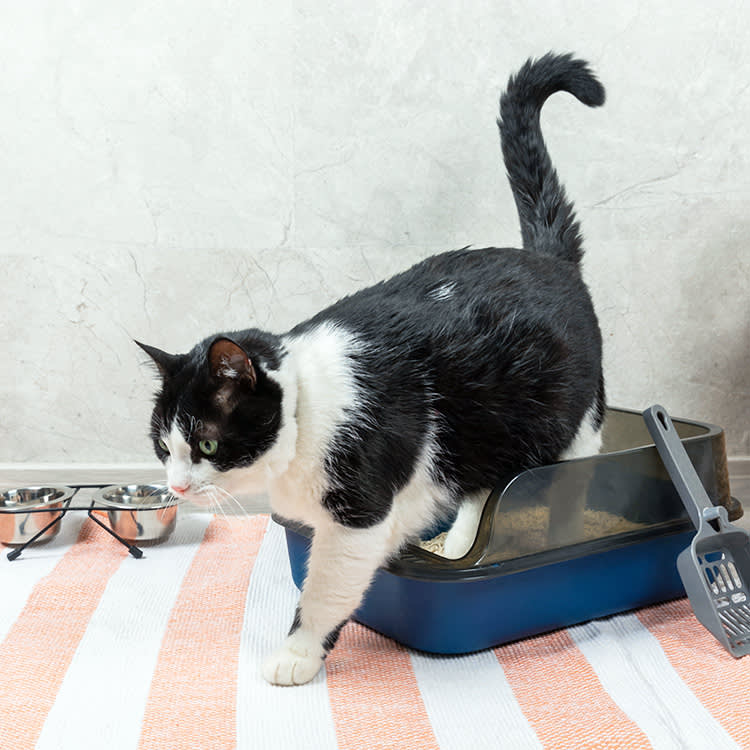
Understanding the sources of cat urine odor is crucial for pet owners. Cat urine has a strong smell that can permeate your home. Identifying the reasons behind this odor helps in managing it effectively.
Common Causes Of Smell
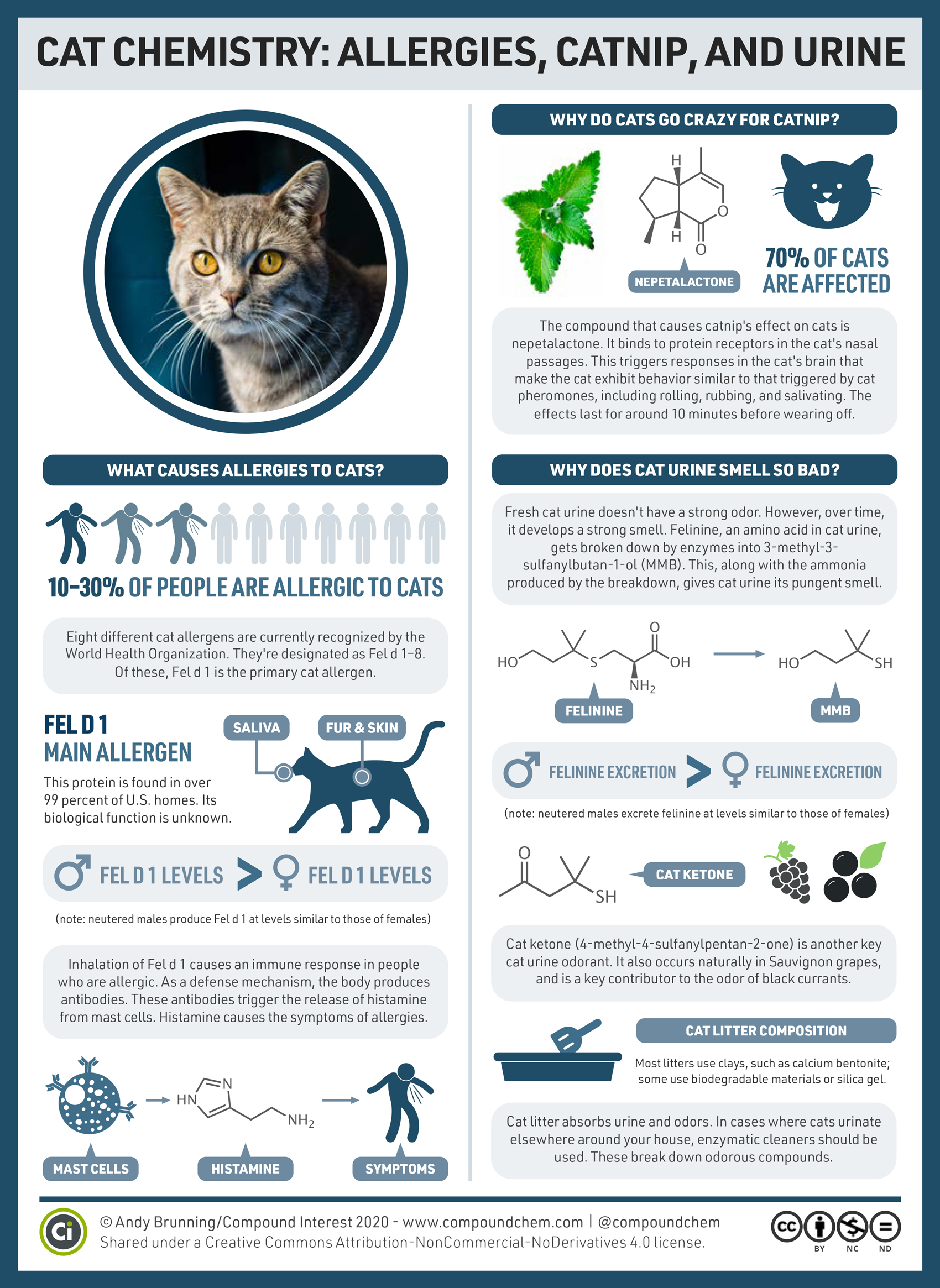
One primary cause is the concentration of urea in cat urine. Urea breaks down into ammonia, which emits a pungent odor. Cats also have unique proteins in their urine, contributing to the smell. The longer the urine sits, the more intense the odor becomes. Male cats often have a stronger smell due to hormones present in their urine.
Factors Influencing Intensity
The intensity of the odor depends on various factors. The diet of your cat can affect urine smell. High-protein diets may lead to stronger odors. Hydration levels also play a role; more water intake can dilute the urine. The cleanliness of the litter box affects how strong the smell is. An unclean box can make the odor worse. The age of the cat influences the smell, with older cats sometimes having a more potent urine odor.
Chemical Composition Of Cat Urine
Cat urine contains ammonia, urea, and pheromones. These compounds create a strong odor that can irritate your lungs. Prolonged exposure might lead to headaches and respiratory issues.
Understanding the chemical composition of cat urine can be crucial, especially if you're a cat owner. Have you ever wondered what exactly makes up the pungent smell that seems to linger in your home? This knowledge might help you deal with it more effectively and protect your health.
Key Components
Cat urine is primarily made up of water, but the real culprits are the other components. The main elements include urea, creatinine, uric acid, and various electrolytes. Urea and creatinine are waste products from protein metabolism, which are harmless on their own. However, uric acid is a different story. It crystallizes over time, making it difficult to remove from surfaces. This is why old cat urine stains can be tough to clean. Have you ever tried scrubbing a carpet only to find the smell still lingers? That's the pesky uric acid at work.
Role Of Ammonia
Ammonia is a major player in the smell of cat urine. When urea breaks down, it releases ammonia, which is highly pungent. If you've ever walked into a room and been hit by a strong ammonia smell, you know how overwhelming it can be. This isn't just unpleasant; it can also be harmful. High ammonia levels can irritate your lungs, eyes, and skin. If you're cleaning up cat urine, ensure the area is well-ventilated. Could this be affecting your indoor air quality more than you realize? To protect your health, consider using enzymatic cleaners. These break down uric acid and neutralize ammonia, making your home safer and fresher. Have you found an effective method for dealing with the smell? Share your tips with others who might be struggling with the same issue.
Health Effects Of Cat Urine Exposure
Cat urine smell can be harmful to health, especially for those with allergies or asthma. Ammonia in the urine can irritate eyes, throat, and lungs. Prolonged exposure might lead to headaches or respiratory issues.
Cat urine can be more than just a smelly nuisance; it may also have real implications for your health. Understanding these health effects is crucial, especially if you're living with cats or have recently encountered their pungent mark. Let's dive into the specific health concerns associated with cat urine exposure.
Respiratory Issues
Breathing in cat urine fumes can irritate your respiratory system. Ammonia, a potent component of cat urine, can cause discomfort in your nose, throat, and lungs. If you have asthma or other respiratory conditions, even minor exposure might exacerbate your symptoms.
Allergic Reactions
Cat urine can trigger allergic reactions in some people. You might experience sneezing, itching, or a runny nose. If you've ever wondered why you suddenly get sniffles when cleaning your cat's litter box, this could be the reason.
Impact On Mental Health
Living in a space with a persistent cat urine odor can affect your mental well-being. It might cause stress or anxiety, especially if you're constantly worried about guests noticing the smell. Have you ever felt embarrassed inviting friends over because of the odor? You're not alone. Addressing the source can help ease this mental burden. Addressing these health effects can improve your quality of life. Consider using air purifiers or enzymatic cleaners to tackle the problem. Your health is worth the effort.
Vulnerable Populations
Cat urine contains strong ammonia and other compounds. Its smell can impact health. Some people are more sensitive to these effects. Vulnerable groups include children, elderly individuals, and those with health conditions.
Children And Infants
Children and infants have developing lungs and immune systems. They are more sensitive to strong odors. Ammonia in cat urine can irritate their respiratory systems. This can lead to coughing and wheezing. Young children may experience more severe reactions.
Elderly Individuals
Elderly individuals often have weakened immune systems. They may have age-related health issues. The strong smell of cat urine can cause respiratory problems. It may also aggravate existing conditions. This can lead to increased discomfort and health risks.
People With Preexisting Conditions
Those with asthma or allergies are at higher risk. Cat urine odor can trigger asthma attacks. It may worsen allergy symptoms. Individuals with respiratory issues should be cautious. They should avoid prolonged exposure to cat urine smells.
Short-term Vs Long-term Exposure
Understanding the impact of cat urine smell is important for health. Short-term and long-term exposures have different effects on well-being. Each type of exposure brings unique challenges. Let's explore the immediate effects and potential chronic risks.
Immediate Effects
Short-term exposure to cat urine can irritate your senses. The ammonia smell is strong and unpleasant. It can cause headaches or dizziness. Some people might feel nauseous. Eye irritation is also common. Asthma sufferers may experience breathing difficulties.
Chronic Exposure Risks
Long-term exposure to cat urine can pose serious health risks. The ammonia in urine can damage respiratory health. It may lead to chronic respiratory issues over time. Prolonged exposure can also affect mental health. People might feel anxious or stressed. The persistent smell can disrupt daily life.
Preventive Measures
Cat urine has a distinct smell that can linger if not addressed, but worry not—there are preventive measures you can take to keep your home fresh and healthy. Whether you're a seasoned cat owner or a newbie, understanding how to effectively manage the odor can enhance your living environment and promote better health. Let's dive into practical steps that can help you tackle this issue head-on.
Cleaning Techniques
Effective cleaning is your first line of defense against the persistent smell of cat urine. Start by using enzymatic cleaners specifically designed to break down urine molecules. These cleaners are available at most pet stores and work better than regular soap or detergent.
Did you know that heat can set stains and odors? Avoid using hot water when cleaning urine spots. Instead, blot the area with cold water before applying the cleaner. This method prevents the smell from settling into fabrics or carpets.
Consider investing in a black light to identify hidden spots. This tool can reveal stains that are invisible to the naked eye, ensuring that you clean every affected area thoroughly.
Ventilation Strategies
Proper ventilation can significantly reduce lingering odors and improve air quality. Open windows regularly to allow fresh air to circulate throughout your home. This simple action can dilute the smell effectively.
Have you ever thought about using air purifiers? These devices can remove impurities and odors from the air, providing a fresher environment. Choose purifiers with activated carbon filters for best results.
Another practical tip is to place fans strategically. They can help direct the flow of air and push odors out, especially in rooms where your cat spends most of its time.
Regular Health Checks
Monitoring your cat’s health can prevent urine odor from becoming a bigger issue. Cats often urinate outside the litter box due to health problems, so regular vet visits are crucial.
Are you aware that diet can influence urine smell? Consult your vet about dietary changes that might reduce the odor. A balanced diet can improve your cat’s health and potentially lessen the smell of its urine.
Finally, keep an eye on behavioral changes. If your cat starts urinating in unusual places, it might be a sign of stress or an underlying health issue. Addressing these concerns promptly can prevent repeat incidents.
By taking proactive steps, you can minimize the smell of cat urine and create a healthier environment for both you and your feline friend. What measures will you implement today?
Alternative Solutions
Breathing in cat urine odor may cause health issues like headaches or respiratory problems. Exploring alternative solutions can help. Ventilation, air purifiers, and natural cleaning agents reduce exposure to these unpleasant smells.
Dealing with the persistent smell of cat urine can be frustrating and even concerning. You might wonder if it's affecting your health or the overall ambiance of your home. Fortunately, there are several alternative solutions to tackle this issue effectively, without resorting to harsh chemicals. Let's explore some practical and effective methods you can try.
Odor Neutralizers
Odor neutralizers can be an excellent first step in combatting the pungent smell of cat urine. Products like enzymatic cleaners specifically target the compounds in urine, breaking them down and eliminating the odor at its source. If you’ve ever been in a situation where you cleaned the spot countless times but the smell lingered, these products might be your answer. It's crucial to follow the instructions on the label to ensure you're using the product correctly. Some neutralizers require a bit of time to work their magic, so patience is key. Have you tried one yet? If not, consider giving it a shot.
Natural Remedies
If you're keen on keeping things natural, there are several remedies you might already have at home. Baking soda is a great option to absorb odors. Simply sprinkle it over the affected area, let it sit for a few hours, and then vacuum it up. This method is not only easy but also budget-friendly. White vinegar mixed with water in a spray bottle can also neutralize odors effectively. Just spray the mixture onto the spot, let it dry, and repeat if necessary. Have you ever tried using essential oils? A few drops of lavender or lemon oil can add a pleasant scent without masking the odor. Experiment with these natural solutions and see which one works best for you. Are you ready to take control of the cat urine smell in your home while keeping it safe and fresh?
Credit: www.kinship.com

Credit: petparentsbrand.com
Frequently Asked Questions
Can Cat Urine Smell Harm Your Health?
Yes, cat urine smell can harm health. It contains ammonia, which can irritate the lungs. Prolonged exposure can lead to respiratory issues, especially for those with asthma or allergies. It's important to clean affected areas promptly to avoid health risks.
Why Does Cat Urine Smell So Strong?
Cat urine smells strong due to high ammonia content. When urine sits, bacteria break it down, releasing potent odors. Male cats' urine is especially pungent because of hormones. Regular cleaning and proper ventilation can help manage and reduce the smell effectively.
How Can I Neutralize Cat Urine Odor?
To neutralize cat urine odor, use enzymatic cleaners. These break down ammonia and proteins in the urine. Avoid ammonia-based cleaners as they can intensify the smell. Regular cleaning and proper ventilation are crucial to maintaining a fresh environment.
Is Cat Urine Smell Dangerous For Babies?
Yes, cat urine smell can be dangerous for babies. Babies have sensitive respiratory systems. Ammonia fumes can cause irritation and respiratory issues. Ensure areas where babies crawl or play are free from urine odors to protect their health.
Conclusion
The smell of cat urine can affect your health. It can cause headaches or allergies. Ventilate your home to reduce odor. Use air purifiers for better air quality. Regular cleaning helps prevent buildup. Keep the litter box fresh. Dispose of waste promptly.
Consider natural odor absorbers like baking soda. If symptoms persist, consult a doctor. Your health is important. Prioritize a clean, odor-free environment. Cats are wonderful pets. Just manage their litter carefully. Enjoy a healthier, fresher home.