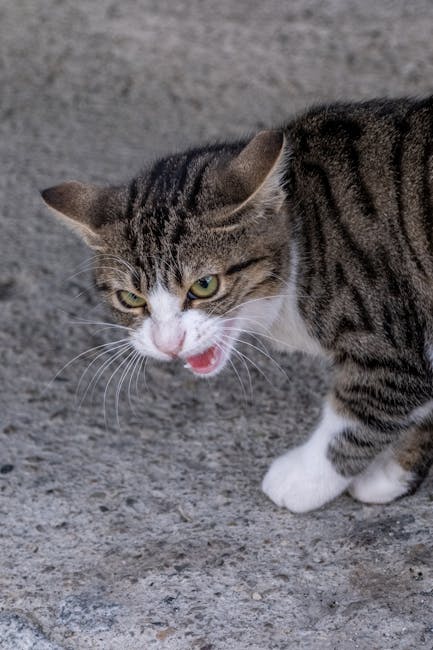
Are you struggling to manage your cat's aggressive behavior? You're not alone.
Many cat owners face this challenge, and it can be both confusing and stressful. Whether your feline friend is suddenly lashing out or has always had a feisty nature, understanding the reasons behind their aggression is crucial. But more importantly, knowing how to address it can make a world of difference for both you and your pet.
Imagine a peaceful home where your cat feels happy and secure, and you can enjoy their companionship without fear of unexpected bites or scratches. You'll discover actionable tips and insights to transform your cat's behavior and enhance the bond you share. Keep reading to unlock the secrets to a happier, calmer kitty.
Identifying Aggressive Behavior
Cats can show aggressive behavior when stressed or threatened. Recognize signs like hissing or biting. Provide a calm environment and consult a vet if needed.
Identifying aggressive behavior in cats can be a crucial step in ensuring the safety and harmony of your home. Cats, much like humans, communicate their feelings through actions, and sometimes those actions can manifest as aggression. Understanding these signs is essential for addressing and managing your feline friend's behavior effectively. Whether it's a newly adopted kitten or a long-time family member, recognizing aggression can help you take prompt action and avoid potential problems.
Signs Of Aggression In Cats
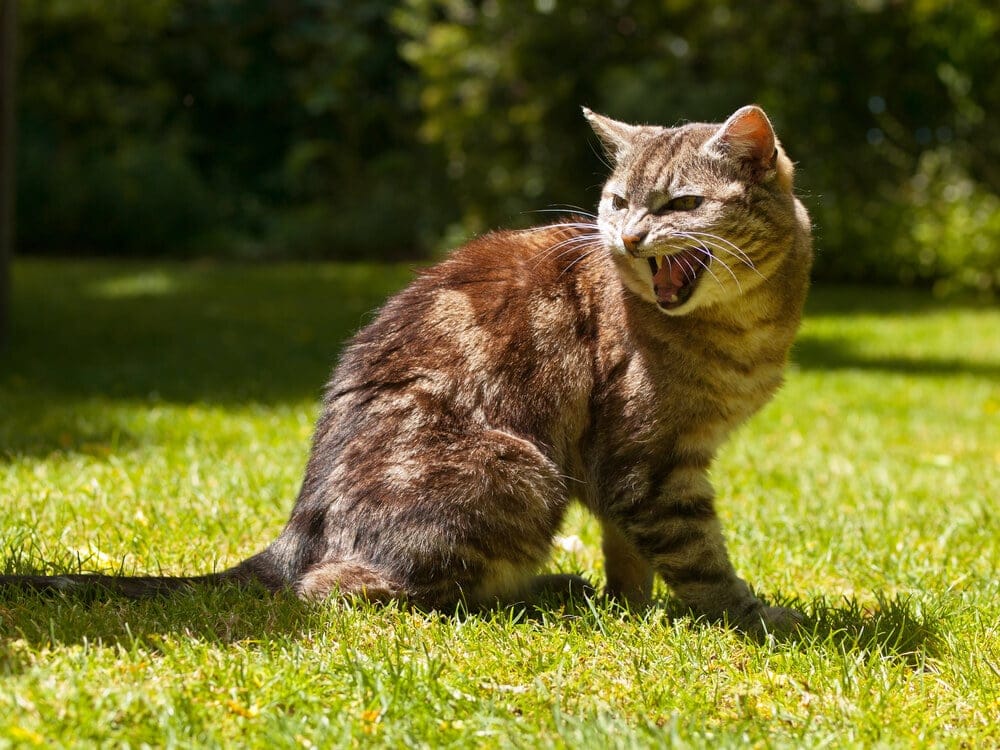
Aggression in cats often starts subtly. You might notice your cat hissing or growling more frequently. Their ears may flatten against their head, and their tail might twitch aggressively. These are typical signs that your cat is unhappy or feels threatened. Watch out for sudden lunges or swipes with their paws. These can be indicative of deeper issues. A friend once shared how her cat would swipe at her when she reached for the food bowl. This behavior was a clear sign of territorial aggression. Do you notice your cat staring intensely at something? This could be a precursor to aggressive behavior. A prolonged stare might mean they're gearing up to attack.
Types Of Aggression
Understanding the types of aggression can help you address them effectively. Territorial aggression occurs when cats feel their space is invaded. This is common if you have multiple pets. Play aggression is often seen in kittens. They might bite or scratch during playtime. It's their way of learning boundaries, but it can be painful for you. Fear aggression happens when a cat feels cornered. If your cat hides and then lashes out unexpectedly, they might be scared. Offer them a safe space to retreat. Pain-induced aggression is a result of discomfort. If your cat suddenly becomes aggressive, consider a visit to the vet. They could be reacting to an injury. Recognizing these types helps you tailor your response. Do you see aggression as a challenge or an opportunity to understand your cat better?

Credit: www.sciencedirect.com
Understanding Causes
Identifying triggers for cat aggression helps manage their behavior effectively. Observe their environment for changes or stressors. Understanding these causes can lead to a calmer home for both you and your cat.
Understanding the causes behind cat aggressive behavior is essential for every pet owner. This knowledge not only helps in managing the aggression but also in nurturing a healthier relationship with your feline friend. Cats, like humans, may act out due to various underlying issues. Understanding these can lead you to effective solutions and a happier home.
Fear And Anxiety
Cats often display aggression when they are scared or anxious. Have you ever noticed your cat acting out after a sudden loud noise or an unexpected visitor? This is a classic example of fear-induced aggression. Creating a safe and calm environment can help ease this fear. Consider providing a quiet space filled with familiar objects. Familiar scents and toys can make a huge difference in reducing anxiety. Ask yourself: Is your home a comforting space for your cat? If not, small changes can create a world of difference.
Territorial Instincts
Cats are inherently territorial animals. Introducing new pets or even rearranging furniture can trigger aggression. They may feel their space is threatened. To mitigate this, ensure your cat has a dedicated area it can call its own. Use scratching posts or cat trees to mark territory. These can provide a sense of ownership and security. It's fascinating to observe how a simple change in environment can alter your cat’s behavior. Have you tried setting up a special corner for your cat?
Medical Issues
Sometimes, aggressive behavior stems from medical problems. Cats may lash out when they're in pain or discomfort. It's crucial to monitor for signs like excessive grooming or changes in appetite. Regular vet check-ups can help rule out medical issues. A visit to the vet could uncover a hidden condition that’s affecting your cat’s mood. If your cat's behavior changes suddenly, consider consulting a professional. Have you noticed any unusual changes in your cat's demeanor lately? Understanding why your cat behaves aggressively is the first step in addressing the issue. By pinpointing the cause, you pave the way for a more harmonious life with your pet.
Creating A Safe Environment
Understanding and addressing cat aggression requires creating a safe environment. A secure space can help reduce stress and promote calm behavior. It provides your feline friend with comfort, safety, and a sense of ownership. Let's explore how to make your home a haven for your cat.
Safe Spaces For Your Cat
Cats need their own space to feel secure. Create a quiet corner with a comfortable bed. A high perch can give them a safe lookout. This is important for reducing anxiety. Place scratching posts nearby. Cats relieve stress by scratching. Ensure easy access to fresh water and food. This enhances their comfort.
Managing Multi-cat Households
Having multiple cats requires special care. Give each cat its own space. This minimizes territorial fights. Provide separate litter boxes for each cat. It prevents competition and stress. Have multiple feeding stations. This avoids food guarding behavior. Observe interactions closely. Redirect aggression with toys or treats. A peaceful home helps all cats coexist happily.
Behavioral Modification Techniques
Cat aggressive behavior can be challenging for pet owners. Understanding and modifying this behavior is essential. Behavioral modification techniques can help in managing aggression. These methods focus on changing your cat's response to triggers.
Positive Reinforcement
Positive reinforcement encourages desired behavior through rewards. Use treats or affection to reward calm behavior. This builds a positive association with behaving well. Consistency is key. Always reward immediately after the desired behavior. This helps your cat understand what earns rewards.
Desensitization And Counterconditioning
Desensitization reduces a cat's reaction to a trigger. Gradually expose your cat to the trigger at a low intensity. Increase exposure over time, ensuring your cat remains calm. Counterconditioning pairs the trigger with something positive. Use treats or play during exposure to create a positive link. This helps change the cat's emotional response to the trigger.
Role Of Professional Help
Dealing with cat aggressive behavior can be challenging. Professional help plays a critical role in managing this issue. Experts can identify underlying causes and offer solutions. They provide guidance tailored to your cat's needs. Let's explore when to seek professional assistance.
When To Consult A Veterinarian
Sometimes, aggression in cats signals a health issue. Pain or discomfort can cause sudden aggression. A veterinarian can perform a thorough check-up. They rule out medical conditions causing aggression. Regular vet visits ensure your cat stays healthy. Consult your vet if aggression appears unexpectedly.
Working With Animal Behaviorists
Animal behaviorists specialize in understanding pets. They assess aggressive behavior with a trained eye. Behaviorists create customized behavior modification plans. These plans address the root of aggression. They work closely with you to implement strategies. This partnership helps in managing your cat's behavior effectively.

Credit: www.hartz.com
Preventive Measures
Understanding cat aggressive behavior is essential for any cat owner. Preventive measures can help minimize such behavior from the start. By focusing on early socialization and regular health check-ups, you can ensure a happier, more peaceful home.
Socialization From A Young Age
Introduce your kitten to different environments early. This helps them feel comfortable in new settings. Meet new people and animals regularly. It makes them friendlier and less scared. Use toys and treats to create positive experiences. Encourage playtime to burn off energy. This prevents aggression due to boredom.
Routine Health Check-ups
Regular vet visits are crucial for your cat's health. Health issues can cause aggressive behavior. Pain or discomfort makes cats irritable. Vets can identify problems early. Update vaccinations to prevent diseases. A healthy cat is a happy cat. Watch for changes in behavior. Address issues before they escalate.
Managing Stress And Anxiety
Dealing with a cat's aggressive behavior can be stressful. Stay calm and observe triggers. Redirect aggression with toys or play to ease anxiety.
Managing stress and anxiety in cats is crucial for their well-being. Stress can lead to aggressive behavior. Identifying stressors helps in creating a peaceful environment. Cats may react to changes in their surroundings or routines. Understanding their needs can minimize stress and anxiety.
Environmental Enrichment
Environmental enrichment plays a key role in reducing stress. It keeps cats mentally and physically stimulated. Provide toys that mimic hunting. Scratching posts satisfy their natural instincts. Interactive play sessions enhance bonding. Create vertical spaces for climbing and observing. Safe outdoor access can be enriching. Rotate toys to maintain interest.
Relaxation Products For Cats
Relaxation products can help soothe anxious cats. Consider pheromone diffusers or sprays. These mimic natural feline pheromones. Calming collars release soothing scents. Herbal supplements, like valerian root, may aid relaxation. Always consult a vet before trying new products. A cozy bed or blanket can provide comfort. Music designed for cats can also promote calmness.
Long-term Solutions
Addressing cat aggressive behavior requires patience and dedication. Long-term solutions focus on building trust and creating a peaceful environment. These methods help reshape your cat's behavior gradually. Consistent efforts lead to a harmonious bond between you and your feline friend.
Building Trust And Bonding
Trust forms the foundation for any relationship, including with cats. Spend quality time with your cat daily. Engage in gentle play sessions. Use toys that mimic prey movements to stimulate their instincts. Speak softly and offer treats when they approach. This creates positive associations and reduces fear.
Provide a safe space for your cat. A cozy bed or a quiet corner helps them feel secure. Avoid sudden loud noises or abrupt movements. Respect their boundaries. Allow them to come to you. Over time, your cat will feel more at ease.
Consistent Training Practices
Training is key in managing aggression. Use positive reinforcement techniques. Reward good behavior with treats or affection. This encourages them to repeat desired actions. Consistency is crucial. Repeat training sessions regularly to reinforce learning.
Introduce new experiences slowly. If your cat reacts aggressively, remain calm. Avoid scolding or punishing. Instead, redirect their attention. Use toys or treats to shift focus. With patience and consistency, your cat learns to adapt.
Monitor their behavior closely. Recognize triggers that cause aggression. Work on minimizing these situations. Creating a routine helps. Cats thrive with predictability. Set fixed meal and playtimes. This reduces stress and promotes a calm demeanor.
Credit: thevets.com
Frequently Asked Questions
How Do I Calm An Aggressive Cat?
To calm an aggressive cat, first identify the triggers. Ensure your cat has a safe space to retreat. Use calming pheromones and engage in regular play to reduce stress. Consulting with a veterinarian or a cat behaviorist can provide additional insights and strategies tailored to your cat's specific needs.
Why Is My Cat Suddenly Aggressive?
Sudden aggression in cats can stem from pain, fear, or territorial issues. Changes in the environment or the introduction of new pets can also trigger aggression. It's essential to observe your cat's behavior and consult a vet to rule out any medical issues that may cause discomfort.
Can Neutering Reduce Cat Aggression?
Yes, neutering often reduces aggression in cats, especially males. Neutering decreases the levels of testosterone, which is linked to aggressive behavior. This procedure can also help reduce territorial marking and roaming. Consult with your veterinarian to determine if neutering is the right choice for your cat.
What Are Signs Of Aggression In Cats?
Signs of aggression in cats include hissing, growling, swatting, and biting. Other indicators are puffed-up fur and a twitching tail. Recognizing these signs early can help prevent escalation and allow you to address the underlying causes effectively, ensuring a safer environment for both you and your cat.
Conclusion
Helping your cat with aggressive behavior takes patience and understanding. Observe their actions closely. Identify triggers causing stress or fear. Consult a vet for guidance if needed. Create a calm environment. Use gentle training methods. Reward positive behavior consistently. Build trust slowly.
Remember, every cat is unique. Effective strategies depend on individual needs. Be patient and attentive. Progress may take time. Celebrate small victories along the way. Your bond will strengthen with care and love. Cats can learn to be calm and happy.
Start today, and watch your furry friend thrive.