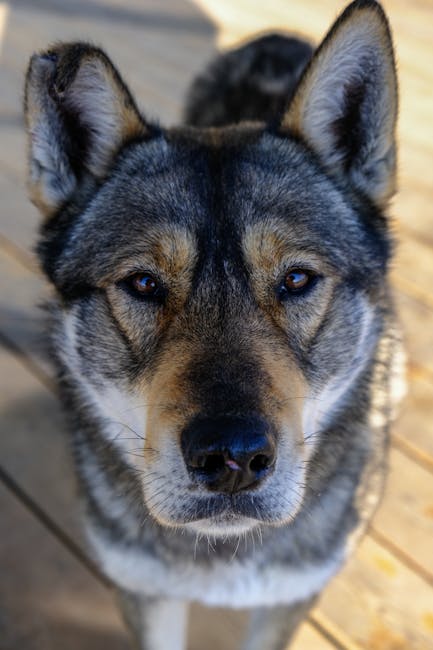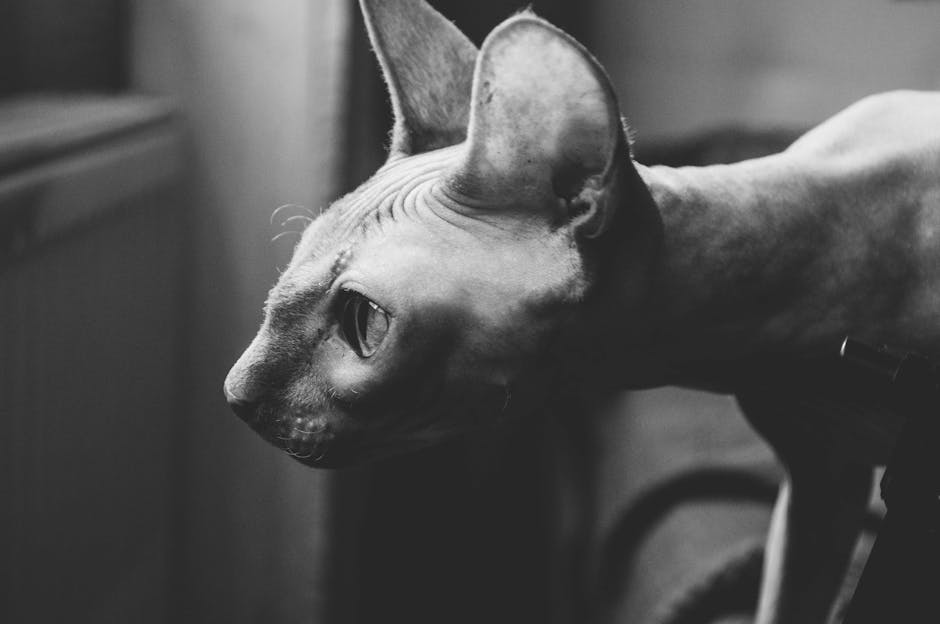
Are you dreaming of a peaceful home where both cats and small dogs can coexist in harmony? You're not alone.
Many pet lovers like you are on the hunt for the perfect small dog breed that gets along well with their feline friends. The bond between a cat and a dog can be magical, but it all starts with choosing the right breed.
Imagine coming home to a world where wagging tails and gentle purrs greet you, creating a serene and joyful atmosphere. You'll discover the top small dog breeds known for their friendly and adaptable nature towards cats. By understanding which breeds are most likely to play nice with your furry feline, you can ensure a harmonious household. Ready to find the perfect canine companion for your cat? Let's dive in and explore your options!

Credit: www.caninecottages.co.uk
Factors To Consider
Choosing a small dog breed that gets along with cats involves careful thought. Not all dogs are cat-friendly. Knowing which breeds are compatible helps maintain peace at home. Some factors help in making the right choice. Understanding these factors ensures a happy household for all pets.
Temperament
Temperament plays a big role in dog-cat friendships. Calm and gentle dogs adapt better to cats. Breeds with a patient nature are less likely to chase or bark at cats. Dogs known for their friendly disposition often accept feline companions. Breeds like the Cavalier King Charles Spaniel or Bichon Frise have gentle temperaments. They often coexist well with cats.
Size Compatibility
Size matters when pairing dogs with cats. Small dogs are less intimidating to cats. A similar size reduces the risk of accidents or injuries. Dogs like the Pomeranian or French Bulldog are small enough to share space with cats. This size similarity fosters a comfortable environment for both pets.
Energy Levels
Matching energy levels between pets is crucial. Dogs with moderate energy levels fit better with cats. Highly energetic dogs may overwhelm quieter cats. Breeds with balanced energy, like the Shih Tzu, adapt well. They engage in play without being too boisterous. This balance ensures both pets enjoy shared activities without stress.
Friendly Small Dog Breeds
Choosing a small dog breed that gets along with cats can create a harmonious household. Breeds like Cavalier King Charles Spaniels and Maltese are known for their gentle nature and adaptability. Their friendly demeanor often leads to peaceful coexistence with feline friends.
Welcoming a small dog breed into your home can be a delightful experience, especially if you already have a feline friend. Many small dogs are not only adorable but also have personalities that mesh well with cats. While every pet has its unique character, certain breeds are known for their friendly demeanor, making them ideal companions for your furry feline.
Understanding The Compatibility
Having both a dog and a cat can be an enriching experience. It might surprise you, but many small dog breeds are naturally inclined to get along with cats. Compatibility often depends on the dog's temperament and early socialization. It's about understanding each pet’s needs and fostering a harmonious environment.
Importance Of Socialization
Socialization plays a crucial role in how well your dog and cat will get along. Introducing them early and in a controlled manner can make a big difference. This helps both pets to become familiar and comfortable with each other's presence. You may find that after a few initial meetings, they become inseparable buddies.
Beagle: The Gentle Companion
Beagles are known for their friendly and gentle nature. They are curious, energetic, and love companionship. Their playful spirit can be a great match for cats who enjoy a bit of active play. Beagles have a natural ability to get along with other animals, making them a popular choice for multi-pet households.
Bichon Frise: The Playful Pal
The Bichon Frise is another breed that gets along well with cats. They have a cheerful disposition and love to play, which can be a hit with active cats. Their calm and friendly nature can bring peace to the household, ensuring that both pets are happy and content.
Maltese: The Peacekeeper
Maltese dogs are known for their gentle and affectionate nature. They thrive on companionship and are often very accepting of cats. If you’re worried about your cat feeling left out, a Maltese might be the perfect breed to ensure a peaceful coexistence.
Personal Experience: Sharing Space
I once had a Beagle named Max and a cat named Whiskers. Initially, I was apprehensive about how they'd get along. To my surprise, Max and Whiskers quickly became best friends, often seen napping together in the sun. Their bond taught me that with patience and proper introduction, dogs and cats can share not just space but a deep friendship.
Creating A Friendly Environment
Creating a welcoming environment for both pets is essential. Make sure each pet has its own space and resources, like beds and toys. This ensures they feel safe and secure, which is crucial for fostering harmony. You might find that a shared play session can be the highlight of their day.
Thoughts To Ponder
Have you considered how your lifestyle might affect your pets' relationship? Understanding your daily routine and how it impacts their interaction can be key. Reflect on whether your home is suited for both a dog and a cat to thrive together. Would your pets enjoy shared activities or prefer their own space? Choosing a small dog breed that gets along well with cats can be a rewarding decision. It's about finding the right balance and allowing each pet to shine in their unique way. With careful consideration and nurturing, your dog and cat can become lifelong companions.
Maltese
Maltese dogs usually get along well with cats due to their gentle and friendly nature. These small, affectionate dogs are known for their sociable behavior, making them ideal companions for feline friends. Their calm demeanor and love for social interaction create a harmonious household environment.
If you're considering adding a furry friend to your household that already includes a cat, the Maltese might just be the perfect choice. Known for their charming appearance and friendly demeanor, Maltese dogs have a reputation for getting along with other pets, including cats. These small dogs bring joy and warmth to any home, and their adaptable nature makes them a suitable companion for feline friends.
Gentle Nature
Maltese dogs are renowned for their gentle and affectionate nature. This makes them less likely to intimidate or provoke cats. Their calm demeanor often puts cats at ease, fostering a peaceful coexistence. I remember my friend introducing her Maltese to her two cats. She was initially worried about potential clashes, but the Maltese's soft approach quickly won the cats over. The gentle nature of the Maltese can make them a harmonious addition to your pet family. Do you have a Maltese? How do they interact with your cat?
Socialization Tips
Proper socialization is key when introducing a Maltese to a cat. Start by allowing them to sniff each other through a closed door. This helps them get used to each other's scent without any pressure. Gradually introduce them in a controlled environment. Keep the first few meetings short and positive. Offer treats to both pets to encourage a friendly atmosphere. Always supervise their interactions until you're confident they get along well. Remember, patience is crucial. Every pet is unique, so take your time and observe their comfort levels. Have you tried any specific socialization techniques that worked well for your pets?
Pug
Pugs are known for their friendly nature and can get along well with cats. Their gentle temperament makes them ideal companions for feline friends. With their playful attitude, Pugs can easily adapt to living with cats, creating a harmonious household.
If you're a cat owner considering adding a small dog to your home, a pug might just be the perfect fit. Known for their charming and playful demeanor, pugs have a lot to offer in a multi-pet household. Their friendly nature and adaptability make them one of the top choices for families with feline friends.
Affectionate Personality
Pugs are known for their loving and gentle nature. They thrive on human companionship and are often happiest when they're snuggled up next to their favorite people—or even a friendly cat. Their need for affection means they'll likely seek out your cat for companionship, creating a bond that can be heartwarming to watch. Have you ever noticed how some animals just "click"? A pug's affectionate nature can make that happen.
Adaptability With Cats
One of the most remarkable traits of pugs is their adaptability. They can easily adjust to the presence of a cat and are generally not territorial. This makes the introduction process smoother. If you already have a feline friend at home, a pug's easygoing nature can make cohabitation a breeze. Consider the living dynamics in your home. Are you ready for a pug's playful antics? Their adaptability means they can fit into various environments, whether you live in a bustling city apartment or a quiet countryside home. A pug's ability to get along with cats can be a delightful experience for pet owners. Imagine coming home to find your pug and cat curled up together in a sunny spot, enjoying each other's company. It’s moments like these that can make a multi-pet household so rewarding. Is your home ready for the unique charm and companionship a pug can bring? Your cat might just thank you for it.
Cavalier King Charles Spaniel
The Cavalier King Charles Spaniel is a small, affectionate dog breed. Known for its gentle nature and friendly disposition, this breed makes a great companion. They have a history of being lap dogs for royalty. With their expressive eyes and silky coats, they are truly charming. These dogs are sociable and enjoy being around other pets.
Calm Demeanor
The Cavalier King Charles Spaniel has a naturally calm demeanor. They are not known for being aggressive or overly energetic. This calm nature makes them ideal for homes with cats. They are patient and rarely engage in rough play. Their gentle approach helps them get along with felines.
Compatibility Insights
The Cavalier King Charles Spaniel is known for its easy-going personality. They often form strong bonds with cats. Their friendly nature helps them adapt to living with other animals. They show curiosity without being intrusive. This makes them a good match for cat companions. Their love for social interaction ensures harmony in a multi-pet household.

Credit: www.nylabone.com
Bichon Frise
Bichon Frise dogs often get along well with cats due to their friendly nature and gentle temperament. Their playful and social demeanor helps them bond easily with feline companions, creating a harmonious household environment. Ideal for families seeking a small dog breed that peacefully coexists with cats.
Introducing the Bichon Frise, a small dog breed known for its cheerful disposition and fluffy white coat. If you're considering adding a dog to your cat-loving household, the Bichon Frise might just be the perfect match. These dogs are generally friendly, sociable, and adaptable, making them one of the best small breeds to coexist with cats.
Playful Disposition
The Bichon Frise is well-known for its playful and gentle nature. They thrive on companionship, whether it's with humans or other animals. My neighbor introduced a Bichon to her home, and it was heartwarming to see the dog and her cat sharing toys and playtime. Bichons are not aggressive, which makes them less likely to intimidate cats. Their playful energy can be a great match for an equally spirited feline, creating a harmonious household. Does your cat love to chase things around the house? A Bichon might become its new playmate!
Training For Harmony
Training a Bichon Frise to get along with your cat can be a rewarding process. These dogs are intelligent and eager to please, which makes them relatively easy to train. Start by introducing them in a calm, controlled environment. Reward good behavior with treats and positive reinforcement. Consistency is key in training. Set up a routine where both your cat and dog have their own space but also shared playtime. You might find, as I did with my own pets, that they naturally seek each other's company. Have you considered how training can strengthen the bond between your pets? The effort you invest in training will pay off in a peaceful and joyful home environment. In summary, the Bichon Frise's playful disposition and trainability make it a fantastic choice for families with cats. By fostering a positive relationship through play and training, you can ensure a happy coexistence. How will you create a space where your furry friends can thrive together?
Shih Tzu
The Shih Tzu is a small, charming dog with a big heart. Known for their affectionate nature, they often form strong bonds. This breed loves companionship and can get along well with cats. Their calm demeanor helps create a peaceful home environment.
Independent Yet Friendly
Shih Tzus are friendly but enjoy their independence. They don't demand constant attention, making them perfect for busy homes. Their friendly nature helps them bond with other pets easily. Cats and Shih Tzus often share a mutual respect.
Living Conditions
Shih Tzus adapt well to various living situations. They thrive in apartments due to their small size. Shih Tzus are comfortable with indoor living. Regular playtime keeps them happy and healthy. They enjoy sharing space with feline friends.
Tips For Successful Integration
Small dog breeds like Pugs and Cavalier King Charles Spaniels often get along well with cats. Their friendly nature and calm disposition make them ideal companions for feline friends. Proper introductions and patience can foster a harmonious relationship between these pets.
Integrating small dog breeds with cats can be a delightful experience if approached thoughtfully. The key to success lies in patience and understanding the unique needs of each pet. Whether you're introducing a sprightly Pomeranian or a gentle Cavalier King Charles Spaniel to your feline friend, these tips will guide you toward a harmonious home.
Introducing Pets Slowly
Begin introductions gradually. Allow your cat and dog to smell each other's bedding or toys before meeting face-to-face. This helps them become familiar with each other's scent in a non-threatening way. Short, supervised meetings are crucial. Initially, keep them in separate rooms with a barrier, like a baby gate, for visual contact without physical interaction. This step builds confidence and reduces stress for both pets. Reflect on your own experiences with meeting new people. Would you feel comfortable being thrust into a room with a stranger, or would you prefer a gradual introduction? Your pets likely feel the same way.
Monitoring Initial Interactions
Always supervise their first encounters. Watch for signs of stress, such as hissing, growling, or excessive barking. If these occur, separate them and try again later. Reward calm behavior with treats and praise. Positive reinforcement encourages both pets to associate each other with good things, setting the tone for future interactions. Consider the energy levels of your pets. A high-energy dog may overwhelm a shy cat, so ensure playtimes are calm and controlled.
Creating Safe Spaces
Ensure your cat has access to high places, like shelves or cat trees, where they can escape if they feel threatened. This gives them control over the situation and reduces anxiety. Provide separate feeding areas. This prevents competition and allows each pet to eat in peace. Think about personal space in your own life. Everyone needs a place to retreat and recharge. Your pets are no different, so respect their need for privacy. How have you navigated the introduction of new pets in your home? What strategies worked best for you? Share your insights in the comments below and help fellow pet owners create harmonious multi-pet households.
Common Challenges
Integrating small dog breeds with cats can present a few challenges. Both animals have unique needs and behaviors. Understanding these can help create a peaceful home environment. Let's explore some common issues that may arise.
Managing Jealousy
Jealousy can occur between pets vying for your attention. Small dogs might feel left out if you focus on the cat. Make time for both your dog and cat equally. Use separate play sessions to ensure neither feels neglected. This helps build a positive relationship between them.
Handling Aggression
Aggression can emerge if a dog feels threatened by a cat. This is common in dogs unfamiliar with cats. Introduce them gradually in a controlled setting. Observe their reactions and intervene if needed. Positive reinforcement can encourage calm behavior. Reward them when they interact peacefully.
Dealing With Anxiety
Some dogs may feel anxious around cats. This can lead to stress for both animals. Create a safe space for your dog to retreat if needed. Familiarity can reduce anxiety over time. Encourage gentle interactions to build confidence. Patience is key in fostering a harmonious relationship.

Credit: www.akc.org
Expert Advice
Small dog breeds like Cavalier King Charles Spaniels and Pugs often get along well with cats. Their gentle and friendly nature makes them great companions for feline friends. Proper introductions and patience can foster a harmonious relationship.
When you're thinking about adding a small dog to your home already shared with a feline friend, expert advice can be invaluable. The right guidance helps ensure a harmonious household where both pets thrive. Let’s delve into insights from veterinarians and behavioral trainers to help you make informed choices.
Consulting Veterinarians
Veterinarians can be your first stop for advice on dog breeds that typically get along with cats. They have the expertise to suggest breeds known for their gentle temperament and adaptability. Some vets might recommend breeds like the Cavalier King Charles Spaniel or the Bichon Frise due to their friendly nature. Vets can also assess your current cat’s temperament. Understanding your cat’s behavior helps predict how they might react to a new dog. This step is crucial to prevent future conflicts between your pets. Have you ever consulted your vet about your pets' behavior? They might have surprising insights that could make your life easier.
Behavioral Training Resources
Training plays a huge role in how well dogs and cats get along. Access to behavioral training resources can be a game-changer. Books, online courses, and workshops can teach you effective techniques to introduce your pets to each other. Consider enrolling your dog in basic obedience classes. A well-trained dog is less likely to scare or chase a cat. Plus, training sessions can be a bonding experience for you and your new furry friend. Have you looked into local trainers or online resources? The right training can make all the difference in fostering a peaceful home environment. By consulting experts and utilizing training resources, you can create a happy home for both your dog and cat. What steps will you take to ensure your pets live harmoniously?
Frequently Asked Questions
What Small Dogs Are Best With Cats?
Small dog breeds like Cavalier King Charles Spaniels and Pugs are known for their friendly nature. They tend to get along well with cats due to their gentle temperament. Proper introduction and socialization are essential to ensure harmony between dogs and cats in a household.
Are Shih Tzus Good Companions For Cats?
Shih Tzus are usually great companions for cats. They are affectionate and calm, making them suitable for homes with cats. Their friendly disposition helps them coexist peacefully with feline friends, given proper introductions and socialization.
How Do Bichon Frises Interact With Cats?
Bichon Frises typically interact well with cats. They are playful yet gentle, allowing them to adapt to living with cats. Their sociable nature and easygoing temperament make them excellent companions for feline pets when introduced appropriately.
Do Dachshunds Coexist Well With Cats?
Dachshunds can coexist well with cats if introduced carefully. They are curious and energetic, but proper socialization helps foster friendly relationships. Monitoring interactions initially is crucial to ensure both pets feel comfortable and safe around each other.
Conclusion
Choosing a dog breed that gets along with cats is crucial. Small dog breeds often adapt well to feline friends. Breeds like Cavalier King Charles Spaniels and Poodles thrive with cats. They bring joy and harmony to your home. Always introduce them slowly and supervise early interactions.
Patience and care ensure a peaceful relationship. Research and understanding breed traits help a lot. Keep your pets' personalities in mind. A loving, balanced home awaits when you match the right pets. Enjoy the companionship of both dogs and cats together.
They can truly be best friends.