Imagine coming home to a harmonious household where your furry friends, a dog and a cat, live together in perfect peace. This might sound like a dream, but it can be your reality.
If you’re wondering what dog breeds get along with cats, you’re in the right place. Choosing the right dog breed can make all the difference in creating a serene environment for your pets. You might be surprised at how some breeds naturally get along with feline friends.
By the end of this article, you’ll have a clear understanding of which breeds are your best bet for a cat-friendly home. Get ready to discover how you can create a loving and peaceful coexistence between your dog and cat, making your home the sanctuary you've always wanted.
Dog Breeds Known For Cat Compatibility
Golden Retrievers, Labrador Retrievers, and Beagles are dog breeds known for their friendly nature with cats. These dogs often display patience and playfulness, making them good companions for feline friends. Their gentle temperament helps create a harmonious household.
When it comes to creating a harmonious home for both dogs and cats, choosing the right dog breed can make all the difference. Many dogs have a natural affinity for getting along with their feline counterparts. Whether you're a seasoned pet owner or considering adding a new furry friend to your family, understanding which dog breeds are known for cat compatibility can be a game-changer. Let's delve into some of these breeds that are often celebrated for their friendly demeanor towards cats.
Beagle
Beagles are known for their friendly and curious nature. They are social animals that enjoy the company of other pets, including cats. Their playful attitude can be a great match for a cat that enjoys interactive play. Have you ever seen a Beagle and a cat chasing each other around the house? It's a delightful sight that showcases their compatibility.
Golden Retriever
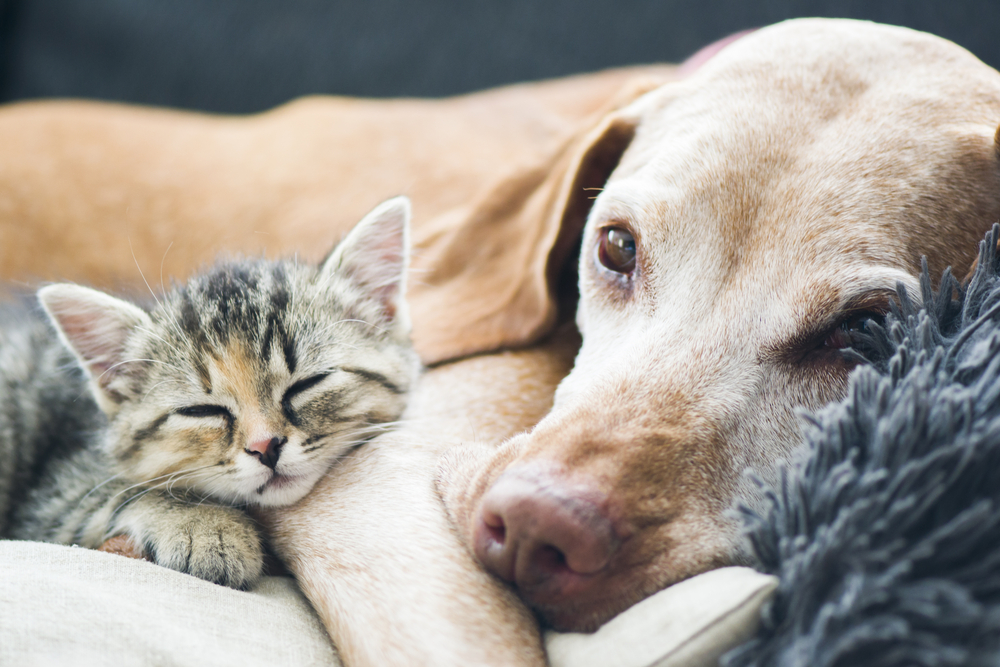
Golden Retrievers are famous for their gentle and patient temperament. They often get along well with cats, showing a calm and tolerant demeanor. Their friendly nature makes them adaptable, and they're less likely to see cats as prey. Imagine the peace in your home when a Golden Retriever and your cat share a cozy spot on the couch.
Papillon
Don't let their small size fool you; Papillons are known for their big hearts. They are often affectionate and enjoy the companionship of cats. Their playful energy can match that of a cat, leading to a harmonious relationship. If you have a Papillon and a cat, you might find them snuggled together, proving that size doesn’t determine friendship.
Basset Hound
Basset Hounds are laid-back and easygoing, traits that often align well with cats. Their calm demeanor means they're less likely to disturb or chase cats aggressively. They tend to respect the personal space of their feline companions. Picture the tranquility of a Basset Hound lounging peacefully as your cat curiously roams around.
Poodle
Poodles are intelligent and adaptable, which helps them get along with cats. They can quickly learn to coexist peacefully, respecting the boundaries set by their feline housemates. Their sociable nature often leads to mutual respect and friendship. Could a Poodle be the missing piece in your pet-friendly home? As you consider these breeds, remember that individual personality and proper introductions play significant roles in a harmonious relationship between dogs and cats. Which breed do you think would best suit your household dynamics?

Credit: www.wayofcats.com
Factors Influencing Dog-cat Harmony
Finding harmony between dogs and cats is possible. Some dog breeds naturally get along with cats. But why do some dogs and cats become friends while others don't? Several factors influence this inter-species relationship. Understanding these can help in selecting the right dog for a home with cats.
Temperament And Personality
A dog's temperament plays a big role in cat compatibility. Calm and gentle breeds tend to get along better with cats. These dogs are less likely to chase or scare cats. Breeds like Golden Retrievers and Labradors are known for their friendly nature. Their patient personalities make them great companions for cats.
Early Socialization
Early socialization is crucial for dog-cat harmony. Dogs exposed to cats early in life learn to accept them. They become familiar with the presence of cats, reducing fear or aggression. Puppies that grow up with cats often see them as part of their family. This early exposure sets the stage for a peaceful coexistence.
Training And Obedience
Training is essential for a harmonious dog-cat relationship. Well-trained dogs are easier to control around cats. They respond to commands like "sit" or "stay," preventing unwanted chasing. Obedience training helps dogs understand boundaries with cats. Consistent training ensures both pets feel safe and secure together.
Top Dog Breeds Friendly With Cats
Discover dog breeds that live peacefully with cats. Golden Retrievers and Labrador Retrievers are known for their friendly nature. Beagles and Basset Hounds often get along well with feline friends.
Welcoming both a dog and a cat into your home can be a rewarding experience. Yet, not all dog breeds are naturally inclined to get along with feline friends. If you're considering adding a dog to your cat-friendly household, it's important to choose a breed known for its compatibility with cats. Below are some of the top dog breeds that typically get along well with cats, making the transition smoother and more enjoyable for everyone involved.
Golden Retriever
Golden Retrievers are known for their gentle and friendly nature. They often make great companions for cats because of their laid-back demeanor. Their patience and playful spirit can match well with a cat’s curiosity, creating a harmonious household.
Labrador Retriever
Labradors are another breed that tends to be good with cats. Their easy-going attitude and social nature help them adapt to living with feline friends. Labs are typically eager to please, which can make training them to coexist with a cat a manageable task.
Poodle
Poodles come in various sizes, but all are known for their intelligence and adaptability. These traits allow them to adjust to sharing their home with a cat. Poodles are often non-aggressive, making them a suitable choice for households with multiple pets.
Bichon Frise
The Bichon Frise is a small, cheerful dog that often gets along well with cats. Their friendly disposition and non-territorial nature can ease the introduction process. If you enjoy a lively, yet peaceful home, a Bichon Frise might be the perfect addition alongside your feline.
Cavalier King Charles Spaniel
Cavalier King Charles Spaniels are affectionate and gentle dogs. They typically enjoy companionship, whether it's human or feline. Their calm and loving personality can make them an ideal match for a cat-friendly environment. Consider the temperament of both your current cat and the prospective dog. How will their personalities mesh? Will they complement each other or clash? Observing these dynamics can help ensure a peaceful and loving home.
Credit: www.fearfreehappyhomes.com
Introducing A Dog To A Cat
Certain dog breeds are famously friendly with cats. Labrador Retrievers, Golden Retrievers, and Beagles often enjoy feline company. Their gentle, social nature makes them perfect companions for a cat-friendly household.
Introducing a new dog to a cat can be challenging. Cats are territorial and may feel threatened. Some dog breeds are more cat-friendly. Breeds like Golden Retrievers, Beagles, and Poodles often get along well. To ensure a smooth introduction, follow these steps.
Preparation Steps
Prepare your home before the introduction. Create separate spaces for each pet. This helps them feel safe. Use gates or closed doors to keep them apart initially. Allow them to sniff each other's scent using toys or blankets. This helps them get familiar without direct contact. Ensure each pet has their own food and water dishes. This prevents territorial disputes.
First Meeting Tips
Introduce them in a neutral space. Keep both pets on a leash or in carriers. Allow them to see each other from a distance. Watch their reactions closely. Keep the meeting short at first. Gradually increase the time they spend together. Use treats to reward calm behavior. This encourages positive associations.
Monitoring Interactions
Supervise all interactions closely. Watch for signs of aggression or stress. Look for hissing, growling, or raised fur. Separate them if tensions rise. Gradually increase their time together as they adjust. Ensure both pets have an escape route. This gives them a sense of security. Keep monitoring until they are comfortable with each other.
Training Techniques For Peaceful Coexistence
Certain dog breeds are known for their friendly nature towards cats. Breeds like Golden Retrievers, Labradors, and Poodles tend to get along well. Their gentle temperament often makes them great companions for feline friends.
Training a dog and cat to live harmoniously under the same roof can feel like a daunting task. Yet, with the right techniques and a bit of patience, your furry friends can become the best of pals. The key lies in understanding their needs and using training techniques that promote peaceful coexistence.
Positive Reinforcement
Dogs and cats thrive on positive reinforcement. Rewarding good behavior with treats, affection, or playtime can encourage them to repeat those actions. When your dog remains calm around the cat, offer a treat or a favorite toy. This approach also works for cats. If your cat stays relaxed when the dog is nearby, praise and pet them. Have you tried using a clicker? It’s a simple tool that can reinforce positive behaviors for both pets.
Setting Boundaries
Boundaries are essential for ensuring that both your dog and cat feel safe. Designate specific areas in your home where each pet can retreat if they need space. Use baby gates or pet barriers to create safe zones. Introduce them gradually, allowing short, supervised interactions in neutral spaces. How does your cat react when the dog enters their territory? Observing their body language can provide clues on when to intervene.
Consistency Is Key
Consistency in your approach will help both pets understand what’s expected of them. Establish a routine for feeding, playtime, and rest. Regular schedules can reduce anxiety and promote harmony. Use the same commands and cues every time. Are you and your family on the same page? Ensuring everyone follows the same rules reinforces the training. Remember, patience and persistence are vital. Training dogs and cats for a peaceful coexistence is a journey. But with positive reinforcement, clear boundaries, and consistent practice, you’re well on your way to a harmonious home. Have you tried these techniques with your pets? Your experiences might just inspire others embarking on the same journey.
Common Challenges And Solutions
Introducing a dog to a home with cats can be challenging. Some breeds naturally get along with cats, while others may need time to adjust. Understanding common challenges and solutions helps create a peaceful environment. Training and patience play key roles. Let's explore these challenges and how to address them.
Dealing With Jealousy
Dogs and cats may compete for your attention. Jealousy can lead to unwanted behavior. Spend individual time with each pet. This ensures they feel valued. Use toys and treats to create positive experiences together. Establish a routine that includes both pets. Consistency helps reduce feelings of jealousy.
Handling Aggression
Aggression can occur during initial meetings. Supervise interactions closely. Use a calm voice to reassure both animals. Gradually increase their time together. Reward calm behavior with treats. If aggression persists, consult a professional trainer. Early intervention is crucial for harmony.
Ensuring Personal Space
Both pets need their own space. Designate separate areas for your dog and cat. This allows them to retreat when needed. Provide individual feeding stations and sleeping spots. Respecting personal space reduces stress. It encourages positive interactions between the dog and cat.
Lifestyle Adjustments For A Harmonious Home
Certain dog breeds naturally get along with cats, creating a peaceful home. Labradors, Golden Retrievers, and Beagles are known for their friendly nature. These breeds often adapt well, promoting a harmonious environment.
Bringing a dog into a home with a cat can be a heartwarming experience, but it requires thoughtful lifestyle adjustments to ensure both pets live harmoniously. Dogs and cats can share a space peacefully, but they may need some help adjusting to each other's presence. By setting up a structured environment, you can foster an atmosphere of understanding and companionship between your furry friends.
Creating Safe Zones
Designate areas where your cat can retreat without being disturbed by the dog. Cats enjoy high perches, so consider adding shelves or cat trees. A room with a baby gate can also serve as a safe haven for your cat. Dogs need their own space, too. Create a cozy corner with their bed and toys where they can relax. This separation helps reduce stress and prevents territorial disputes. Ensure both pets have separate feeding areas. This avoids competition and allows each pet to eat in peace.
Balanced Attention
Spend quality time with both your dog and cat to prevent jealousy. Playtime is crucial; engage your cat with feather toys and your dog with fetch or tug-of-war. Observe how your pets interact. If one feels left out, adjust your routine to include both in your activities. Consistency is key. Establish a routine that accommodates both pets' needs, ensuring neither feels neglected.
Providing Enrichment
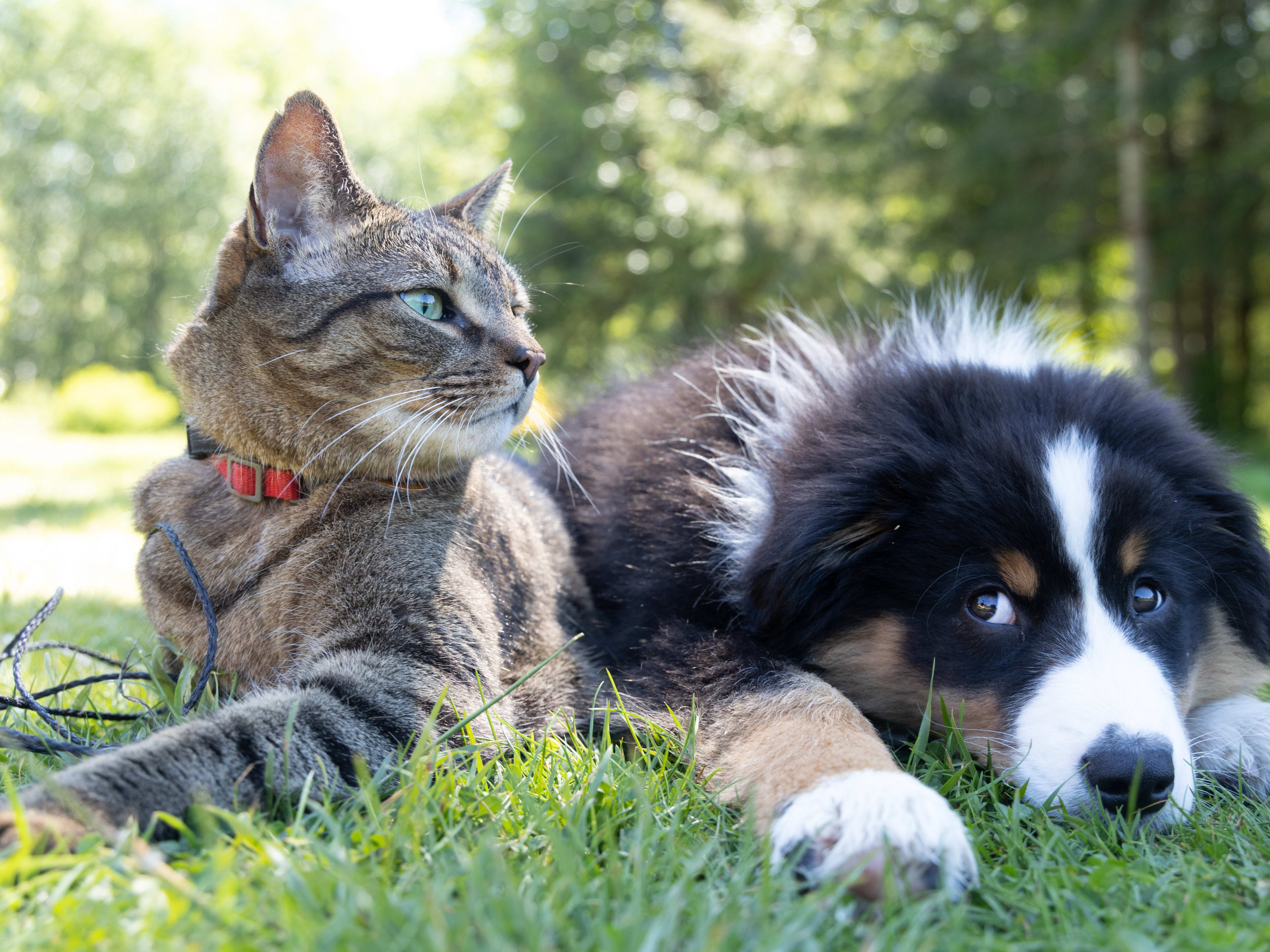
Mental stimulation is vital for a peaceful coexistence. Use interactive toys and puzzles to keep both pets entertained. Walk your dog regularly. It helps burn off excess energy, making them calmer at home around the cat. Cats benefit from window perches or bird feeders outside a window. The natural entertainment keeps them engaged, reducing potential tension with the dog. Have you ever wondered how your lifestyle adjustments can impact your pets' relationship? With a bit of effort and mindfulness, your home can become a sanctuary for both your dog and cat.
Credit: pethelpful.com
Frequently Asked Questions
What Are The Best Dog Breeds For Cats?
Some dog breeds are naturally more cat-friendly. Breeds like Golden Retrievers, Labrador Retrievers, and Beagles are known to coexist well with cats. These breeds typically have gentle temperaments and sociable nature, making them good companions for feline friends.
Can Dogs And Cats Be Trained To Get Along?
Yes, dogs and cats can be trained to coexist peacefully. Start by introducing them in a controlled environment. Use positive reinforcement techniques to encourage friendly behavior. Gradually increase their interaction time, monitoring their behavior closely to ensure harmony.
How Do I Introduce A Dog To A Cat?
To introduce a dog to a cat, begin by allowing them to sniff each other's scent. Use a baby gate for initial meetings to ensure safety. Supervise their interactions closely, encouraging calm behavior. Gradually increase their time together as they become more comfortable.
Are Small Dogs Better For Cats?
Small dogs often adapt well to living with cats. Breeds like Pugs and Maltese are known for their friendly nature. Their size can make them less intimidating to cats. However, temperament matters more than size, so always consider the individual dog's personality.
Conclusion
Finding the right dog breed to live with cats can be simple. Many breeds are friendly and gentle, like the Labrador Retriever or Golden Retriever. Smaller breeds, such as Beagles and Pugs, can also be great companions for cats. Mixed breeds often show love and adaptability too.
Always consider individual personalities and proper introductions. A peaceful home is possible with patience and understanding. Dogs and cats can become best friends and enrich your life. Choose wisely, and enjoy the harmony between your furry friends.