Ever wonder how those tiny, adorable kittens start their journey of life? It's fascinating to think about how they grow and thrive even before they make their grand entrance into the world.
If you're curious about how fetus cats receive nutrition, you're not alone. This intriguing process is not only essential for their development but also a testament to the wonders of nature. As you delve into the details, you'll uncover the secret life of kittens before birth, and you'll be amazed at the intricate system that ensures they get everything they need.
This article will satisfy your curiosity and give you a deeper appreciation for the miracle of life. So, if you're ready to discover how these little furballs are nurtured from within, keep reading.
Fetal Development In Cats
The journey of a kitten begins long before it playfully tumbles around your living room. Fetal development in cats is a fascinating process that ensures each kitten is equipped with the necessary tools to thrive from birth. Understanding this development not only satisfies curiosity but also aids in ensuring the health of both the mother cat and her kittens. So, how does a kitten get its start in the world, and what role does nutrition play in its early life?
Stages Of Growth
A kitten’s journey begins with fertilization. The first few weeks are crucial as cells rapidly divide and form the basic structure of the kitten's body. By the third week, the embryos start to take shape, and organs begin to develop. It is during this time that the mother cat's nutrition is vital. Ensuring she receives a balanced diet with ample proteins and vitamins directly influences the health of the growing fetuses.
By week five, the fetuses have developed further, growing more recognizable features such as tiny ears and whiskers. The skeleton begins to calcify, making the demand for calcium higher. Have you ever wondered if the mother cat's diet could affect the future agility and strength of her kittens? It certainly does. A well-nourished mother is more likely to give birth to healthy, robust kittens.
Role Of The Placenta
The placenta plays a crucial role in fetal nutrition and development. It acts as the lifeline between the mother and the fetus, providing essential nutrients and oxygen while removing waste products. Imagine the placenta as a diligent gatekeeper, ensuring only the best sustenance reaches the growing kittens.
During pregnancy, the placenta ensures the transfer of antibodies from the mother to the kittens, boosting their immune systems. This is why a healthy diet rich in antioxidants and essential fatty acids is important for the mother. It directly impacts the strength and immunity of the kittens. Have you ever considered how much a kitten's future health is already being shaped before it is even born?
Understanding the intricacies of fetal development in cats can transform the way you care for your pregnant pet. By ensuring the mother cat receives a balanced diet, you are setting the stage for a new generation of healthy, playful kittens. What steps will you take to support this incredible journey? Your actions today can make all the difference tomorrow.
Credit: rawznaturalpetfood.com
Nutrient Transfer Mechanisms
Understanding how fetus cats receive nutrition is fascinating. The nutrient transfer mechanisms play a crucial role in fetal development. These processes ensure that the growing kitten gets essential nutrients for survival. Let's dive into the intricate methods of nutrient transfer.
Blood Supply Connection
The mother cat's blood supply connects to the fetus. Through the placenta, the mother provides oxygen and nutrients. This connection is vital for the kitten's growth. The placenta acts as a bridge, transferring essential elements. Blood vessels in the placenta facilitate this nutrient exchange. This system ensures the kitten gets what it needs.
Nutrient Absorption Process
Nutrients pass from the mother to the kitten through the placenta. This process involves diffusion and active transport. The placenta absorbs nutrients like glucose and amino acids. These nutrients enter the fetal bloodstream. The fetus uses these nutrients for energy and growth. The absorption process is efficient and crucial for development.
Key Nutrients For Fetal Growth
Fetal cats rely on their mothers for essential nutrients. These nutrients are crucial for proper growth and development. Understanding these key nutrients helps ensure healthy kittens. Let's explore the vital elements for fetal growth.
Proteins And Amino Acids
Proteins are building blocks for fetal growth. They help form tissues and organs. Amino acids are the components of proteins. Essential amino acids cannot be made by the body. They must come from the mother's diet. A protein-rich diet is vital for pregnant cats. It supports the development of healthy kittens.
Vitamins And Minerals
Vitamins and minerals are crucial for fetal development. Vitamins like A, D, and E play important roles. Vitamin A supports vision and immune function. Vitamin D helps in bone growth. Vitamin E protects cells from damage. Minerals like calcium and iron are also essential. Calcium aids in the formation of bones and teeth. Iron is critical for blood production and oxygen transport. A balanced intake ensures a healthy pregnancy.
Credit: www.pet-informed-veterinary-advice-online.com
Maternal Diet And Fetal Health
Fetal cats get nutrients from their mother's diet through the placenta. This organ connects them to their mother's blood supply. Essential nutrients pass from the mother to the fetus, supporting growth and development.
When you think about the journey of a cat's pregnancy, it's fascinating how the maternal diet plays a pivotal role in fetal health. Just like in humans, a pregnant cat's nutrition directly affects the development of her kittens. Ensuring that a mother cat receives the right balance of nutrients is crucial for the growth and health of her unborn kittens. Let's dig deeper into how nutrition impacts this delicate process and what dietary recommendations can support a healthy feline pregnancy.
Impact Of Nutrition On Development
A kitten's development inside the womb hinges on the nutrients available from the mother cat. Essential nutrients like protein and calcium are vital for building strong muscles and bones. If a mother cat lacks these nutrients, it can lead to complications or developmental issues in the kittens. Poor nutrition can also affect the brain development of unborn kittens. Omega-3 fatty acids, for example, are crucial for neurological growth. A deficiency might result in cognitive challenges or slower learning in the kittens after birth. Have you ever noticed how a pregnant cat seems more tired or hungrier? This is her body's way of signaling the need for more energy and nutrients. Listening to these cues and adjusting her diet accordingly can support both her health and her kittens'.
Dietary Recommendations For Pregnant Cats
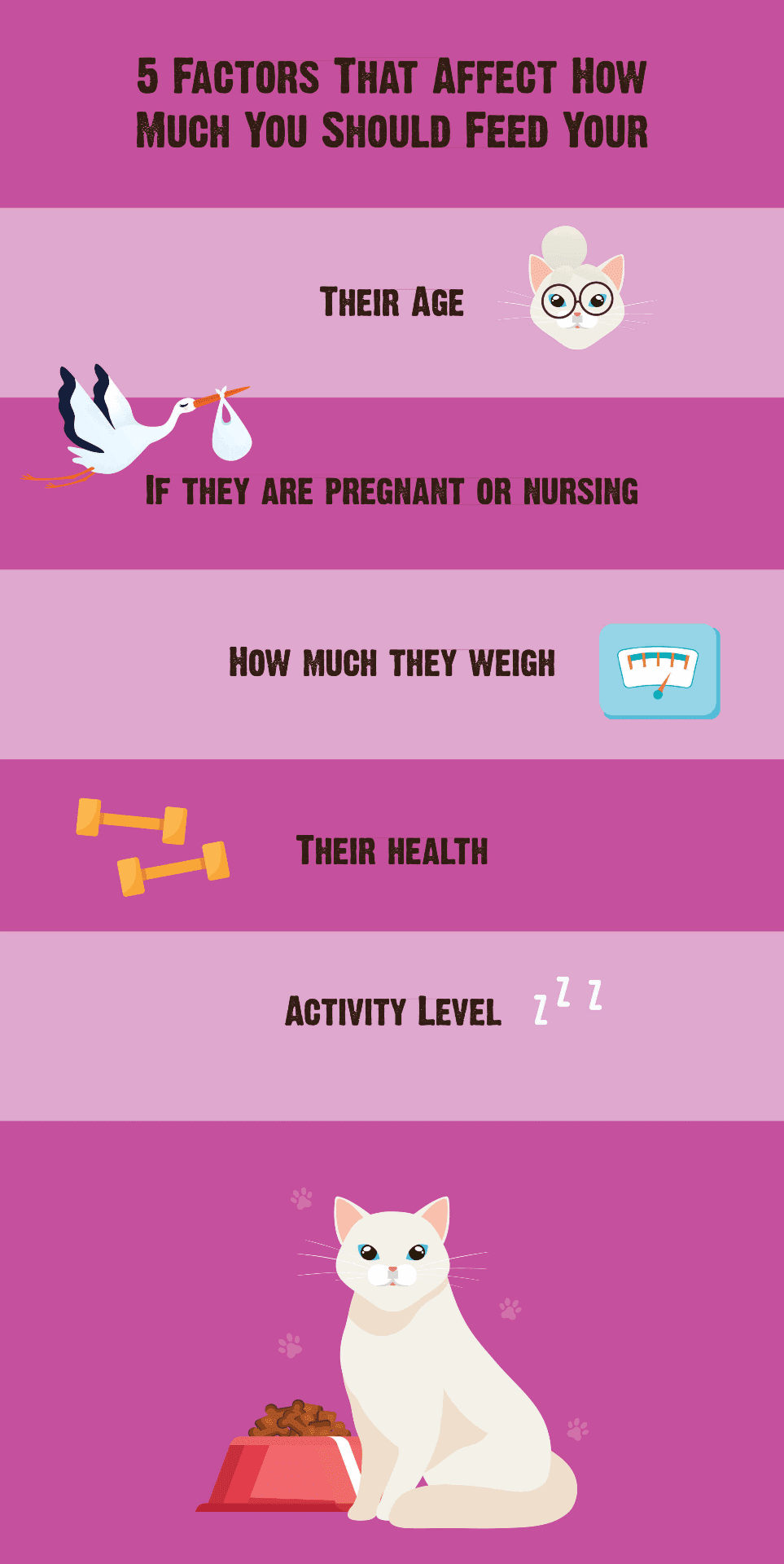
A balanced diet for a pregnant cat should be rich in high-quality protein. Foods that contain animal-based proteins, like chicken or fish, are ideal. They provide essential amino acids that help with the development of vital organs. Calories are another important factor. Pregnant cats need more energy to support their growing kittens. You can achieve this by feeding her nutrient-dense foods that are high in calories without increasing the quantity dramatically. Consider adding supplements if her diet seems lacking. Talk to your vet about the possibility of including omega-3 supplements or additional vitamins. This can ensure that no crucial nutrient is missing from her diet. Have you ever wondered about the role of hydration? Keeping your pregnant cat well-hydrated is just as important as her food intake. Fresh water should always be available to support kidney function and overall health. In my experience with fostering pregnant cats, I've learned the importance of tailoring their diet to their specific needs. Each cat is different, and regular vet check-ups can help you make informed decisions about their nutrition. Isn't it amazing how a few dietary adjustments can make all the difference in the health of those tiny, soon-to-be-born kittens?
Common Challenges In Fetal Nutrition
Fetal cats get nutrition through the placenta, which transfers essential nutrients from the mother. Nutritional challenges arise if the mother lacks a balanced diet, affecting fetal growth. Malnutrition can lead to developmental issues and weak immune systems in kittens. Ensuring a healthy maternal diet is crucial for fetal health.
Common Challenges in Fetal Nutrition Understanding how fetal cats receive nutrition can be both fascinating and complex. Just like humans, fetal cats face unique nutritional challenges within the womb. These challenges can significantly impact their growth and development.
Nutritional Deficiencies
A pregnant cat's diet must be balanced and rich in essential nutrients. However, achieving this balance isn't always straightforward. A deficiency in key vitamins and minerals can hinder the development of the fetus. Consider calcium and phosphorus, which are vital for bone growth. If the mother cat's diet lacks these, the kittens may be born with weaker bones. Similarly, taurine, an essential amino acid, is crucial for fetal heart and eye development. Without sufficient taurine, kittens might face serious health issues.
Potential Health Risks
Nutritional deficiencies can lead to several health risks for fetal cats. These can range from developmental delays to more severe congenital problems. You might wonder, how can you ensure a pregnant cat receives the right nutrients? Proper veterinary guidance is key. Regular check-ups can help identify any nutritional gaps early on. Supplementing the mother's diet with the right vitamins and minerals can also make a significant difference. Have you ever pondered the impact of a mother's diet on her unborn kittens? Ensuring a nutrient-rich diet can prevent many potential health risks. By addressing these challenges head-on, you can support the healthy development of fetal cats. Understanding these common challenges can empower you to make informed decisions. Whether you're a breeder or a cat lover, recognizing the importance of fetal nutrition is crucial. So, are you ready to take action and support the health of these tiny, developing lives?
Advancements In Feline Prenatal Care
Feline fetuses receive nutrition through the placenta, which transfers essential nutrients from the mother. This vital connection ensures the growing kittens have the necessary sustenance for development. Proper prenatal care supports this nutrient exchange, promoting healthy feline pregnancies.
Feline prenatal care has seen significant advancements recently. These improvements ensure healthier pregnancies for cats. Better prenatal care results in healthier kittens too. Understanding fetal nutrition is a key part of this care. New techniques help veterinarians monitor and support feline pregnancies. Let's explore these advancements further.
Monitoring Fetal Health
Veterinarians now use ultrasounds to monitor fetal health. These images show the fetus's development. They help detect any issues early. This allows for timely interventions. Blood tests also play a role. They check the mother's health and nutrient levels. This data ensures the fetus receives proper nutrition.
Innovations In Veterinary Practices
Modern veterinary practices support feline prenatal care. Specialized diets boost maternal health. These diets are rich in essential nutrients. Supplements may be added too. They ensure both mother and kittens remain healthy. Regular check-ups are crucial. They track the progress of the pregnancy. This way, any problems are addressed quickly. `

Credit: www.instagram.com
Frequently Asked Questions
How Do Fetal Cats Get Nutrients?
Fetal cats receive nutrition through the placenta, an organ connecting them to their mother. Nutrients and oxygen from the mother's blood pass through the placenta into the fetus. Waste products from the fetus are also removed through this process, ensuring healthy development during gestation.
What Role Does The Placenta Play?
The placenta is crucial for nutrient exchange between the mother and fetus. It provides essential nutrients, hormones, and oxygen. It also removes waste products from the fetus. This exchange supports fetal growth and development, ensuring the kitten is healthy at birth.
How Does A Mother Cat Support Fetal Nutrition?
A mother cat's diet directly impacts fetal nutrition. A balanced diet ensures she provides essential nutrients through the placenta. Good nutrition supports fetal development, maintaining the health of unborn kittens. Regular veterinary check-ups can help monitor the mother's nutritional needs.
Can Poor Nutrition Affect Fetal Kittens?
Yes, poor nutrition can severely impact fetal development in kittens. Insufficient nutrients can lead to growth issues, developmental problems, and low birth weight. Ensuring a balanced diet for the mother cat is crucial for the health of her unborn kittens.
Conclusion
Fetal cats depend on their mothers for vital nutrients. Through the placenta, they receive oxygen and nourishment. This connection ensures growth and development. A balanced diet for the mother is essential. It supports both her health and her kittens'. Proper nutrition impacts kitten survival and overall well-being.
It's fascinating how nature provides everything needed. Understanding this helps in caring for pregnant cats. Ensures a healthy start for kittens. By recognizing these needs, we contribute to their future. Healthy beginnings lead to strong, vibrant adult cats. A cycle of life continues, powered by nutrition.