Imagine this: You come home after a long day, looking forward to some relaxation, only to find your cat has knocked over a plant or scratched your favorite couch. Frustrating, isn’t it?
You’re not alone. Many cat owners face the challenge of dealing with unwanted behaviors. Whether it’s incessant meowing, climbing where they shouldn’t, or surprise 'gifts' left outside the litter box, these behaviors can test your patience. But what if you could transform your home into a peaceful haven, where both you and your feline friend coexist harmoniously?
You’re about to discover simple strategies that will not only curb these behaviors but also strengthen the bond with your cat. Stay tuned to unlock the secrets to a happier, more serene home life with your furry companion.

Credit: www.youtube.com
Understanding Cat Behavior
Stopping unwanted behavior in cats involves understanding their instincts and environment. Redirect attention with toys or scratching posts. Consistent positive reinforcement encourages desired actions and helps improve behavior.
Understanding cat behavior is crucial when you're trying to address unwanted actions in your feline friend. Cats are unique creatures with instincts that often surprise us. By understanding these behaviors, you can create a harmonious environment for both you and your pet.
Natural Instincts
Cats are hardwired with certain instincts that can sometimes lead to unwanted behavior. Scratching, for instance, is not just a destructive habit; it's a natural way for cats to mark territory and keep their claws sharp. Cats also tend to hide when they feel threatened. This is a survival instinct rooted in their history as both predator and prey. If your cat is hiding often, consider what might be causing them stress. Another common behavior is hunting. Even indoor cats may chase after toys or insects, mimicking their wild ancestors. Recognizing these instincts can help you provide outlets for them, reducing unwanted actions.
Common Misconceptions
Many people think cats are just being stubborn or defiant when they display certain behaviors. This misunderstanding can lead to frustration. Cats aren’t acting out of spite; they’re communicating in the only way they know. It's a common myth that cats are aloof and uncaring. In reality, they often form deep bonds with their owners. If your cat is ignoring you, it might be due to stress or discomfort, not a lack of affection. Another misconception is that cats can't be trained like dogs. While their motivation differs, cats can learn commands and routines. What motivates your cat? Treats, playtime, or affection can be powerful incentives.
Understanding these aspects of cat behavior can transform how you approach unwanted actions. What small changes can you make today to better understand your cat?
Identifying Problematic Behavior
Understanding your cat's behavior can be challenging. Cats communicate their needs and discomfort through actions. Identifying these behaviors early can prevent future issues. Observing their body language and actions helps. Let's delve into specific signs that indicate something's wrong.
Signs Of Stress
Cats show stress in many ways. Hiding more than usual is a common sign. Changes in eating or sleeping patterns also indicate stress. A stressed cat may groom excessively. This can lead to bald patches. Litter box avoidance is another stress signal. Pay attention to these subtle signs.
Aggression And Territoriality
Aggressive behavior in cats can be sudden. Hissing, biting, or scratching are clear signs. Cats may also exhibit territorial behavior. They might spray or mark areas with urine. This is to assert dominance. Watch for these behaviors during interactions with other pets. Understanding these signals helps manage aggression.
Destructive Actions
Destructive actions can indicate boredom or anxiety. Scratching furniture is a common issue. Cats may chew on cords or knock over objects. These actions can be frustrating. Providing toys and scratching posts can help. Observe what triggers these actions. This can lead to effective solutions.
Preventative Measures
Preventing unwanted behavior in cats starts with proactive strategies. Cats are complex creatures needing specific care to thrive. Their actions often reflect their environment and daily routines. Providing a stimulating environment and maintaining a consistent routine can help address behavioral issues before they arise. These preventative measures can foster a happier, healthier cat, reducing stress and unwanted behaviors.
Environmental Enrichment
Cats need mental and physical stimulation. Provide toys that mimic prey to satisfy their hunting instincts. Use puzzle feeders to challenge their problem-solving skills. Scratching posts help keep claws healthy while marking territory. A variety of textures and heights is essential. Create vertical spaces with cat trees or shelves. This encourages climbing and satisfies their natural curiosity.
Rotate toys regularly to keep them interesting. Introduce new items slowly to avoid overwhelming them. Interactive playtime with you strengthens your bond. It also provides exercise and relieves boredom. Consider adding cat-safe plants or an outdoor catio. This offers new scents and sights without risking safety.
Consistent Routine
Cats thrive on routine. Set regular feeding times to create predictability. Ensure play and interaction occur daily at similar times. This helps reduce anxiety and stress. Consistency in their environment and your actions is key. Sudden changes can lead to unwanted behaviors like spraying or aggression.
Regular sleep schedules contribute to a balanced mood. Cats are more relaxed with steady routines. An established routine helps them know what to expect. This security reduces the likelihood of negative behaviors. Maintaining a consistent routine supports both their physical and mental well-being.

Credit: sentrypetcare.com
Training Techniques
Stopping unwanted behavior in cats involves consistent training techniques. Redirect their attention with toys or treats. Positive reinforcement encourages desired actions, making them repeat good behavior.
Training a cat can be as rewarding as it is challenging. Understanding effective techniques can make all the difference in curbing unwanted behaviors. With the right approach, you can transform your cat’s actions and strengthen your bond with them.
Positive Reinforcement
Cats respond well to rewards. When your cat exhibits good behavior, offer a treat or affection immediately. This reinforces the behavior, making them more likely to repeat it. Consider what your cat loves most. Is it a specific treat, a gentle scratch behind the ears, or a few minutes with their favorite toy? Use these as rewards to encourage good behavior. Consistency is crucial. If you only reward them sometimes, your cat might get confused. Make sure you’re quick and consistent with your positive reinforcement.
Redirecting Attention
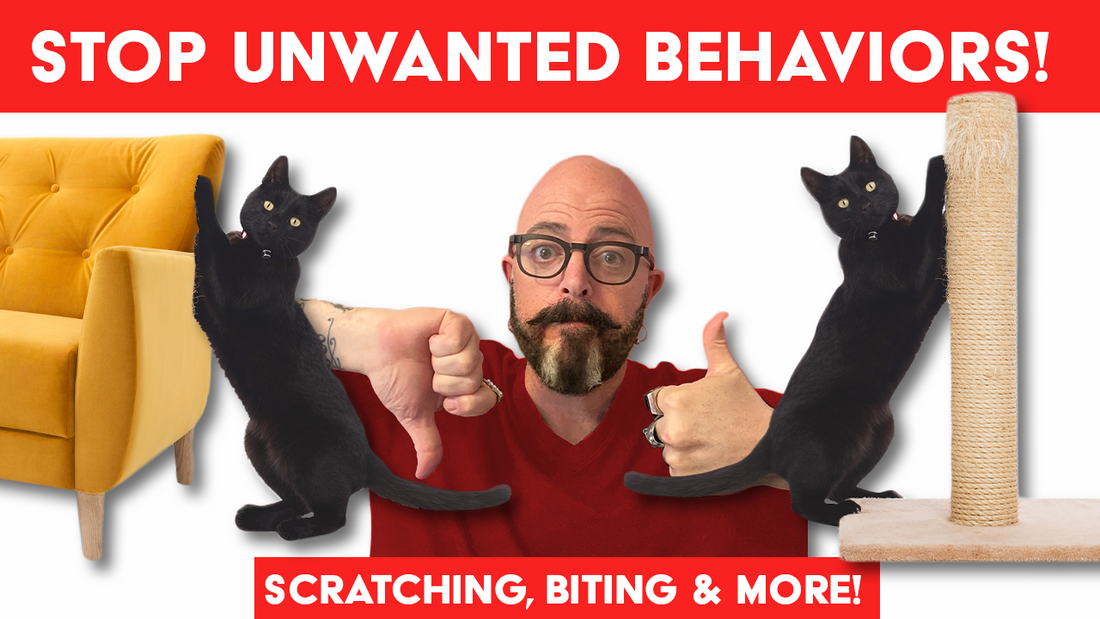
Sometimes, all it takes is a little distraction. If your cat starts doing something undesirable, redirect their focus to a more acceptable activity. For instance, if your cat scratches the couch, guide them to a scratching post. Use a toy or a treat to catch their attention and lead them to the post. Keep a variety of toys handy. This helps you quickly redirect their attention when needed. Over time, your cat will learn what’s acceptable to play with or scratch.
Using Commands
Training your cat to understand simple commands can be incredibly beneficial. Words like “no” or “off” can help communicate what you want. When your cat is about to jump on the counter, use a firm “no.” Immediately follow it up with a reward if they stop. This clarity helps them understand and respect boundaries. Practice these commands regularly. Over time, your cat will learn to associate your words with specific actions. What commands might you find most helpful in your daily life with your cat? With patience and practice, you can guide your cat’s behavior effectively. Each step you take strengthens your relationship and creates a more harmonious home. What challenges have you faced with your cat, and how have you tackled them?
Behavioral Modification Strategies
Understanding cat behavior requires patience and strategic methods. Behavioral modification involves changing unwanted habits. It's about replacing negative actions with positive ones. These strategies help in reshaping your cat's behavior.
Two effective methods are desensitization and counterconditioning. Both involve gradual changes. They focus on altering the cat's response to stimuli.
Desensitization
Desensitization helps reduce fear or anxiety in cats. It involves gradual exposure to the feared object. Start with a low level of the stimulus. Let your cat feel comfortable and safe.
Increase the exposure level slowly. Observe your cat's reaction. Stop if they show signs of stress. Repeat the process until your cat is comfortable.
Counterconditioning
Counterconditioning aims to change your cat's emotional response. Pair the unwanted behavior with a positive experience. Use treats or playtime as a reward.
For example, if your cat dislikes grooming, give treats during grooming sessions. This creates a positive association. Gradually, your cat's perception changes.
Consistency is key. Practice these strategies regularly. Over time, your cat's behavior will improve.
Credit: www.jacksongalaxy.com
Utilizing Professional Help
Cats can exhibit behaviors that puzzle or frustrate their owners. Addressing these issues might require professional help. Experts offer valuable insights and solutions. This approach ensures the well-being of both the pet and the owner. Let's explore how veterinarians and behaviorists can assist.
Consulting A Veterinarian
Unexpected behaviors may hint at underlying health issues. A veterinarian can conduct a thorough examination. They identify any medical conditions causing behavioral changes. This step is crucial for the cat's health.
Veterinarians can recommend treatments or medications. These interventions can alleviate stress or discomfort. Addressing health problems often improves unwanted behaviors. Regular check-ups also help in early detection of issues.
Working With A Behaviorist
Behaviorists specialize in feline behavior patterns. They analyze the environment and interactions affecting your cat. This helps identify triggers of unwanted behavior.
Behaviorists create personalized training plans. These plans focus on modifying and redirecting unwanted actions. They teach effective techniques for behavior management. This guidance enhances the bond between you and your cat.
Professional help can provide peace of mind. It ensures a happier home for you and your furry friend.
Maintaining Progress
Training your cat can reduce unwanted behavior effectively. Consistent positive reinforcement encourages good habits. Redirecting attention and providing mental stimulation helps maintain progress in behavior management.
Maintaining progress in curbing unwanted behavior in cats can be as challenging as the initial training itself. It's important to ensure that your feline friend doesn't slip back into old habits. Consistency and attention are key. But how do you keep track of their progress effectively? Let's break it down.
Monitoring Changes
Keep an eye on your cat’s behavior regularly. Notice any improvements or setbacks. It helps to jot down notes about their actions. A simple checklist can work wonders. List behaviors you want to monitor. Mark improvements with a smiley face or a star. Does your cat respond better to certain techniques? Document these successes. This way, you can repeat what works. Celebrate small victories. If your cat uses the scratching post instead of the couch, reward them. Positive reinforcement is crucial.
Adjusting Approaches
Sometimes, the initial strategy might not work as expected. Be prepared to tweak your methods. Is your cat still jumping on the counter? Try a different deterrent like aluminum foil. Pay attention to what triggers unwanted behavior. Is it a particular time of day? Adjust your approach to address these triggers directly. Consult with other cat owners. They might have tried something you haven't thought of. Sharing experiences can offer new insights. Remember, patience is your ally. Cats are creatures of habit, and breaking those habits takes time. How patient are you willing to be to see results?
Frequently Asked Questions
How Can I Stop My Cat From Scratching Furniture?
To stop your cat from scratching furniture, provide scratching posts. Place them near the furniture they often scratch. Use deterrents like double-sided tape or aluminum foil on furniture. Regularly trim your cat's nails and reward them for using the post.
What Causes Aggressive Behavior In Cats?
Aggressive behavior in cats can be due to fear, territorial instincts, or lack of socialization. Ensure your cat feels safe and secure. Provide toys and playtime to reduce stress. Consult a veterinarian if aggression persists.
How Do I Prevent My Cat From Biting?
Prevent cat biting by using toys during playtime, not hands. If bitten, say "no" and stop interaction immediately. Reward positive behavior with treats and affection. Ensure your cat has enough physical and mental stimulation daily.
Why Does My Cat Spray Indoors?
Indoor spraying in cats is often due to stress, marking territory, or medical issues. Clean sprayed areas thoroughly to remove scent. Provide multiple litter boxes and safe spaces. Consult a vet if spraying continues.
Conclusion
Training your cat requires patience and consistency. Understanding their needs is key. Reward positive behavior with treats or affection. Discourage unwanted actions with gentle corrections. Avoid harsh punishments. Cats respond better to love and patience. Create a safe and stimulating environment for them.
Toys and climbing spaces help burn energy. Spend quality time with your cat daily. This strengthens your bond. Each cat is unique and may need different approaches. Stay patient and observe their behavior closely. Adjust your strategies as needed. With time, you’ll see improvements.
Enjoy the journey with your feline friend.